The Role of Alcohol in Argentina: Culture, Economy, and Social Rituals
Alcohol in Argentina serves as a vital cultural bridge, linking European heritage with South American identity. It is defined by two primary pillars: the world-class viticulture of the Andean foothills and the unique social ritual of F...
Alcohol in Argentina serves as a vital cultural bridge, linking European heritage with South American identity. It is defined by two primary pillars: the world-class viticulture of the Andean foothills and the unique social ritual of Fernet. Economically, alcohol—specifically wine—is a major export, while socially, it remains an indispensable component of the "asado" and nightlife.
Contents
The Cultural Identity of "Vino Argentino"
In Argentina, wine is more than a beverage; it is a national emblem. In 2010, a presidential decree declared wine as the "National Liquor" of Argentina, a status that reflects its deep roots in the country’s history and daily life. The production of wine was brought to the region by Spanish colonizers and later refined by Italian and French immigrants in the 19th century, creating a unique fusion of Old World techniques and New World terroir.
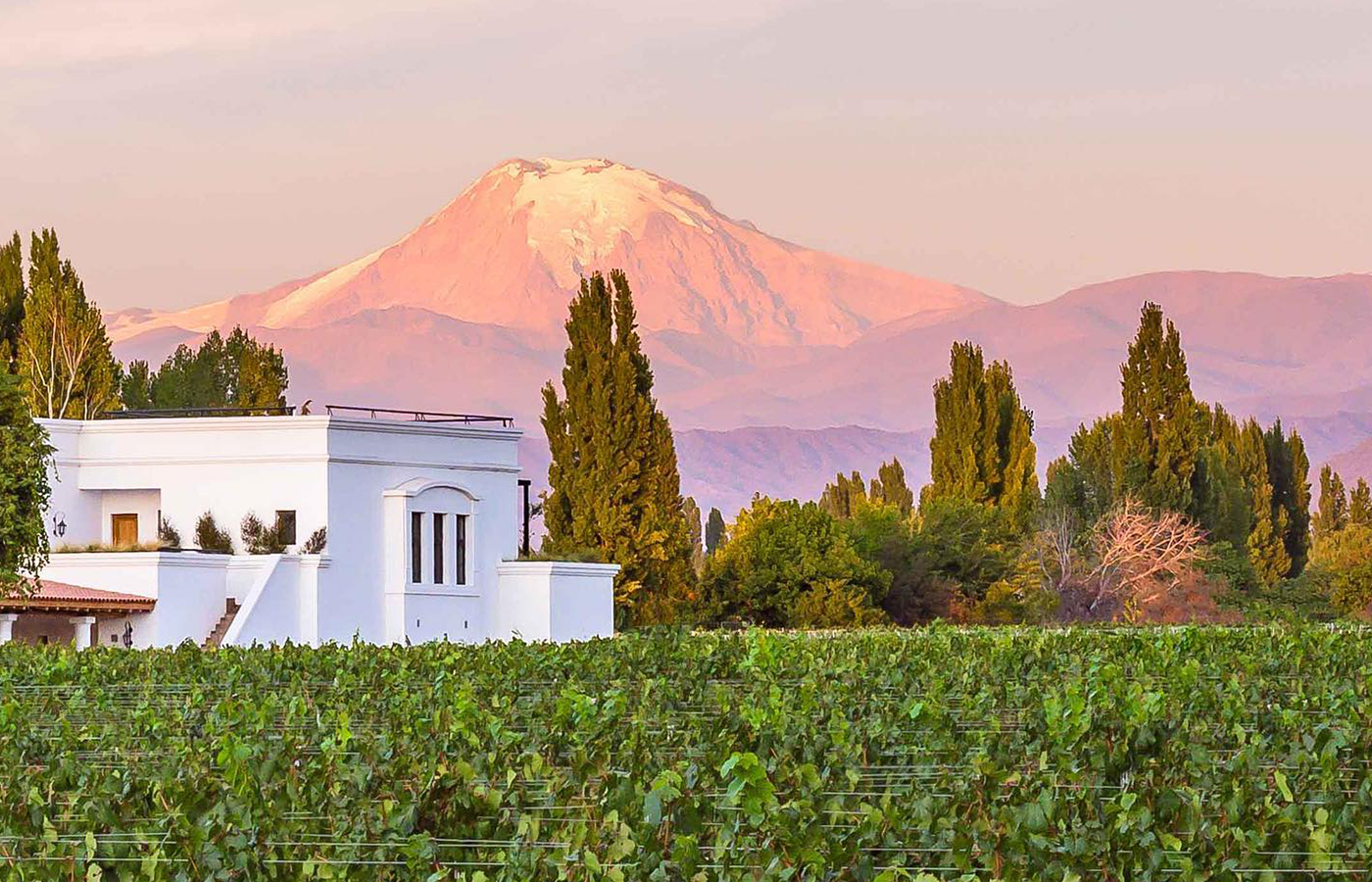
The heart of Argentine wine culture is the Malbec grape. While originally from France, Malbec found its true expression in the high-altitude vineyards of Mendoza. By 2026, Argentina remains the world’s leading producer of Malbec, using it as a diplomatic and cultural calling card. The relationship with wine is democratic; it is consumed with equal fervor at high-end tastings in the Uco Valley and at humble family Sunday lunches (almuerzos familiares).
The ritual of the asado (the traditional Argentine barbecue) is incomplete without wine. Social etiquette dictates that the host or a designated guest manages the wine, often serving it in a "pingüino"—a ceramic penguin-shaped pitcher that became a kitsch icon of the mid-20th century and has seen a retro revival in modern Buenos Aires "bodegones." This tradition emphasizes the communal nature of drinking, where the focus is on the conversation and the meal rather than solitary consumption.
The Fernet Phenomenon and the "Viajero"
While wine represents the country’s heritage, Fernet con Coca (Fernet and Coke) represents its contemporary social pulse. Argentina consumes approximately 75% of the world’s Fernet, an Italian amaro that was originally introduced as a medicinal digestive by immigrants. Over the decades, it evolved into a cultural phenomenon, particularly in the province of Córdoba, which is considered the world capital of Fernet consumption.
The preparation of Fernet is a ritual in itself. The standard ratio is often cited as 30% Fernet, 70% Coca-Cola, served with plenty of ice. In social settings, particularly among younger generations, the "viajero" (traveler) is a common sight: a plastic soda bottle cut in half, its edges smoothed with a lighter, filled with the mixture and passed around a group.
This specific drink transcends social classes. It is as likely to be found at a high-end wedding as it is at a local "fútbol" match or a street corner gathering. The bitterness of the Fernet balanced by the sweetness of the soda mirrors the Argentine palate’s preference for complex, bold flavors.
The Craft Beer Revolution and Traditional Breweries
Historically, the Argentine beer market was dominated by a few large industrial players, most notably Quilmes, which became a symbol of national identity through aggressive marketing tied to the national football team. However, the last decade has seen a massive shift toward birra artesanal (craft beer).
By 2026, the craft beer scene has matured from a trend into a permanent fixture of the urban landscape. Cities like Mar del Plata, Bariloche, and Buenos Aires (specifically the Palermo and Chacarita neighborhoods) boast a high density of microbreweries. The Argentine craft style often emphasizes high-alcohol IPAs and Honey Beers, catering to a consumer base that values variety and local production.
Despite the rise of craft options, the "litro" (one-liter returnable glass bottle) remains the standard for social gatherings at home. The "porrón" (individual bottle) is common in bars, but the act of sharing a large bottle remains a core part of the Argentine social ethos, emphasizing the collective over the individual.
Economic Impact and Global Export
The alcohol industry is a cornerstone of the Argentine economy. Viticulture, in particular, provides employment for hundreds of thousands of people, from vineyard laborers to high-tech oenologists. The Instituto Nacional de Vitivinicultura (INV) regulates the industry, ensuring quality standards that allow Argentine products to compete globally.
Key Production Regions and Their Contributions
| Region | Primary Alcohol Focus | Notable Characteristics |
|---|---|---|
| Mendoza | Malbec, Cabernet Sauvignon | Produces over 70% of the country's wine; high altitude. |
| San Juan | Syrah, Sherry-style wines | Hotter climate; focus on high-yield and concentrated reds. |
| Salta (Cafayate) | Torrontés | High-altitude white wines with unique floral aromas. |
| Patagonia (Neuquén/Río Negro) | Pinot Noir, Merlot, Cider | Cooler climate; known for elegant reds and high-quality apples. |
| Córdoba | Fernet, Craft Beer | The cultural heart of amaro consumption and craft innovation. |
In 2026, export revenues remain critical as the country navigates ongoing currency fluctuations. Wine exports to the United States, the United Kingdom, and Brazil provide a stable source of foreign exchange. Furthermore, "wine tourism" (enoturismo) has become a luxury staple, with Mendoza’s wineries offering world-class hospitality that rivals Napa Valley or Tuscany.
Legal Framework: Consumption and Safety Laws
Argentina maintains strict regulations regarding the sale and consumption of alcohol, though enforcement can vary by region. The legal drinking age is 18. It is illegal to sell alcohol to minors, and establishments are required to display signage stating this prohibition.
The "Ley de Alcohol Cero" (Zero Tolerance Law)
The most significant legal shift in recent years is the federal Ley de Alcohol Cero al Volante (Law 27.714). As of 2026, this law is strictly enforced on all national routes and within most provinces, including Buenos Aires and Córdoba.
- Threshold: The legal blood alcohol concentration (BAC) for driving any motorized vehicle is 0.0 mg/l.
- Penalties: Violations result in heavy fines, vehicle impoundment, and the suspension of the driver's license.
- Impact: This has led to a significant increase in the use of ridesharing apps and designated driver programs during "salidas" (outings).
Sales Restrictions
In most jurisdictions, the sale of alcohol in grocery stores and "kioscos" is prohibited between 10:00 PM and 8:00 AM. However, bars, restaurants, and nightclubs (boliches) are permitted to serve alcohol during their operating hours, which often extend until 6:00 AM or 7:00 AM in major cities.
Social Norms and the "Boliche" Culture
The role of alcohol is also defined by the timing of Argentine nightlife. Unlike many Northern Hemisphere cultures where drinking begins in the early evening, Argentines typically start their "previa" (pre-game) around midnight. The previa is a private gathering at a home where alcohol is consumed before heading to a nightclub.
At the boliche, alcohol consumption is centered around "combos"—usually a bottle of premium spirits (vodka, gin, or Fernet) sold with several mixers and a bucket of ice. This communal consumption reflects the social hierarchy and group-oriented nature of Argentine youth culture. Despite the late hours and high volume of consumption, the social focus remains on dancing and socializing rather than drinking to the point of incapacitation, which is often looked down upon.
Health and Public Policy
While alcohol is celebrated culturally, the Argentine government and various NGOs have raised concerns regarding binge drinking among adolescents. Public health campaigns in 2026 focus on "Consumo Responsable" (Responsible Consumption), emphasizing the importance of hydration and eating while drinking.
The Sedronar (Secretariat for Comprehensive Policies on Drugs) is the primary body responsible for addressing alcohol dependency. National surveys indicate that while the frequency of consumption is high due to cultural norms, the country struggles with rising rates of heavy episodic drinking among those aged 15–24.
Frequently Asked Questions
What is the national drink of Argentina?
While wine is the official "National Liquor," many locals consider the Fernet and Coke to be the unofficial national drink due to its ubiquity in social settings and unique cultural footprint.
Can you drink alcohol in public in Argentina?
Technically, municipal ordinances in cities like Buenos Aires prohibit the consumption of alcohol on public streets. However, enforcement is often lax unless the behavior causes a public disturbance. Drinking is generally accepted in parks during the day if done discreetly alongside a picnic.
Is wine cheap in Argentina?
For those earning in foreign currency, Argentine wine offers exceptional value. In 2026, a high-quality bottle of Malbec in a local supermarket can cost between $5 and $15 USD, while the same bottle might retail for triple that price internationally.
What is the "Zero Tolerance" driving law?
As of 2026, the federal "Alcohol Cero" law prohibits any amount of alcohol in the bloodstream for drivers. Unlike the 0.5 mg/l limit found in some other countries, Argentina's limit is strictly 0.0 mg/l for all drivers on national routes.
Do Argentines drink alcohol with "Mate"?
No. Mate (the traditional herbal tea) and alcohol belong to different social spheres. Mate is generally consumed during the day for energy and social bonding, while alcohol is reserved for meals, "previas," and nighttime social events.
Practical Recommendations for Visitors
If you are visiting Argentina in 2026, keep the following tips in mind to navigate the local alcohol culture safely and respectfully:
- Respect the Zero Tolerance Law: Do not drive even after a single glass of wine. Use apps like Uber or Cabify, which are widely available in major cities.
- Explore Beyond Malbec: While Malbec is famous, try a Torrontés from Salta for a unique white wine experience or a Bonarda, which is gaining prestige as a high-quality red.
- Learn the Fernet Ratio: If you are making Fernet for locals, remember the "70/30" rule (70% cola, 30% Fernet) and never forget the ice.
- Check Sales Times: If you are planning a dinner at home, buy your wine or beer before 10:00 PM to avoid the nationwide retail sales lockout.
- Pace Yourself: Argentine dinners start late (9:00 PM or 10:00 PM) and nights out last until dawn. Drink plenty of water to keep up with the local rhythm.
Image Gallery