The Juniors Game: Complete Guide to Levels, Schedules, Rules, and Pathways
The term "juniors game" primarily refers to elite junior ice hockey—encompassing both the high-stakes annual IIHF World Junior Championship matchups and the regular-season circuit of top development leagues like the Canadian Hockey Lea...
The term "juniors game" primarily refers to elite junior ice hockey—encompassing both the high-stakes annual IIHF World Junior Championship matchups and the regular-season circuit of top development leagues like the Canadian Hockey League (CHL) and the United States Hockey League (USHL). It represents the critical competitive tier bridging minor youth hockey and professional or collegiate careers.
Contents
While casual fans searching for the juniors game are typically looking for broadcast details or tournament brackets for the holiday World Junior Championship, players, scouts, and families use the term to describe the fast-paced, highly physical standard of play in North American junior leagues. Outside of ice hockey, the phrase occasionally surfaces in niche contexts—such as youth chess divisions, local rugby circuits, or the popular indie mystery fan-game JR's—but elite ice hockey remains the dominant subject. Understanding the structure, competition rules, and athlete pathways of the junior game provides clarity whether you are tuning in as a spectator or navigating player development.
Defining the Junior Hockey Ecosystem
Junior hockey serves as the premier proving ground for players aged 16 to 20 aiming for the National Hockey League (NHL), European professional leagues, or collegiate programs. Unlike minor youth hockey (organized by strict two-year birth brackets such as U15 or U18), junior hockey consolidates five birth years into a single, high-tempo environment where teenagers compete directly against physical young adults.
The system in North America divides into distinct tiers, each operating under specific governance, business models, and developmental philosophies.
- Major Junior (CHL) / Tier I / Tier II
- Major Junior (CHL)
- OHL, WHL, QMJHL
- Pro-style schedule (68 games)
- Stipends, equipment, billets
- Tier I / Tier II
- USHL (Tier I)
- NAHL / BCHL (Tier II)
- Amateur status preserved
- Major Junior (CHL)
- NCAA Division I Hockey / European Pro Leagues
- Professional Ranks: NHL / AHL / ECHL
Major Junior: The Canadian Hockey League (CHL)
The CHL operates as the umbrella organization for three member leagues: the Ontario Hockey League (OHL), the Western Hockey League (WHL), and the Quebec Maritimes Junior Hockey League (QMJHL). Major Junior mirrors the professional schedule more closely than any other amateur athletic system:
- Teams play a demanding 64- to 68-game regular-season schedule.
- Travel involves extensive multi-day bus trips across provinces and border states.
- Players live with local host families (billets), receive weekly stipends, and have all equipment and medical costs covered by their clubs.
- Historic changes implemented for the 2025–2026 season by the NCAA allow CHL players to retain NCAA Division I men's ice hockey eligibility, dismantling the decades-old barrier that previously classified Major Junior athletes as professionals due to their minor expense stipends.
Tier I: The United States Hockey League (USHL)
The USHL is the sole Tier I junior league in the United States, sanctioned directly by USA Hockey. It features 16 teams concentrated in the Midwest and emphasizes development tailored to high school and collegiate academic calendars.
- Roster spots are strictly amateur; players receive no stipends, protecting NCAA eligibility unconditionally.
- All tuition, housing, equipment, and team travel expenses are fully covered by the member clubs.
- The USHL consistently produces dozens of first- and second-round NHL draft selections alongside primary recruiting pipelines for NCAA Division I programs.
Tier II and Junior A Leagues
Tier II junior hockey includes circuits such as the North American Hockey League (NAHL) in the United States and independent or Canadian Junior Hockey League (CJHL) circuits like the British Columbia Hockey League (BCHL) and Ontario Junior Hockey League (OJHL).
- At the Tier II level, players do not pay tuition for coaching or ice time, though some regional Junior A teams require players to cover billet fees or equipment costs.
- Tier II acts as a massive developmental funnel, enabling late-blooming prospects to build physical maturity and secure collegiate commitments.
The World Juniors: The Pinnacle International Stage
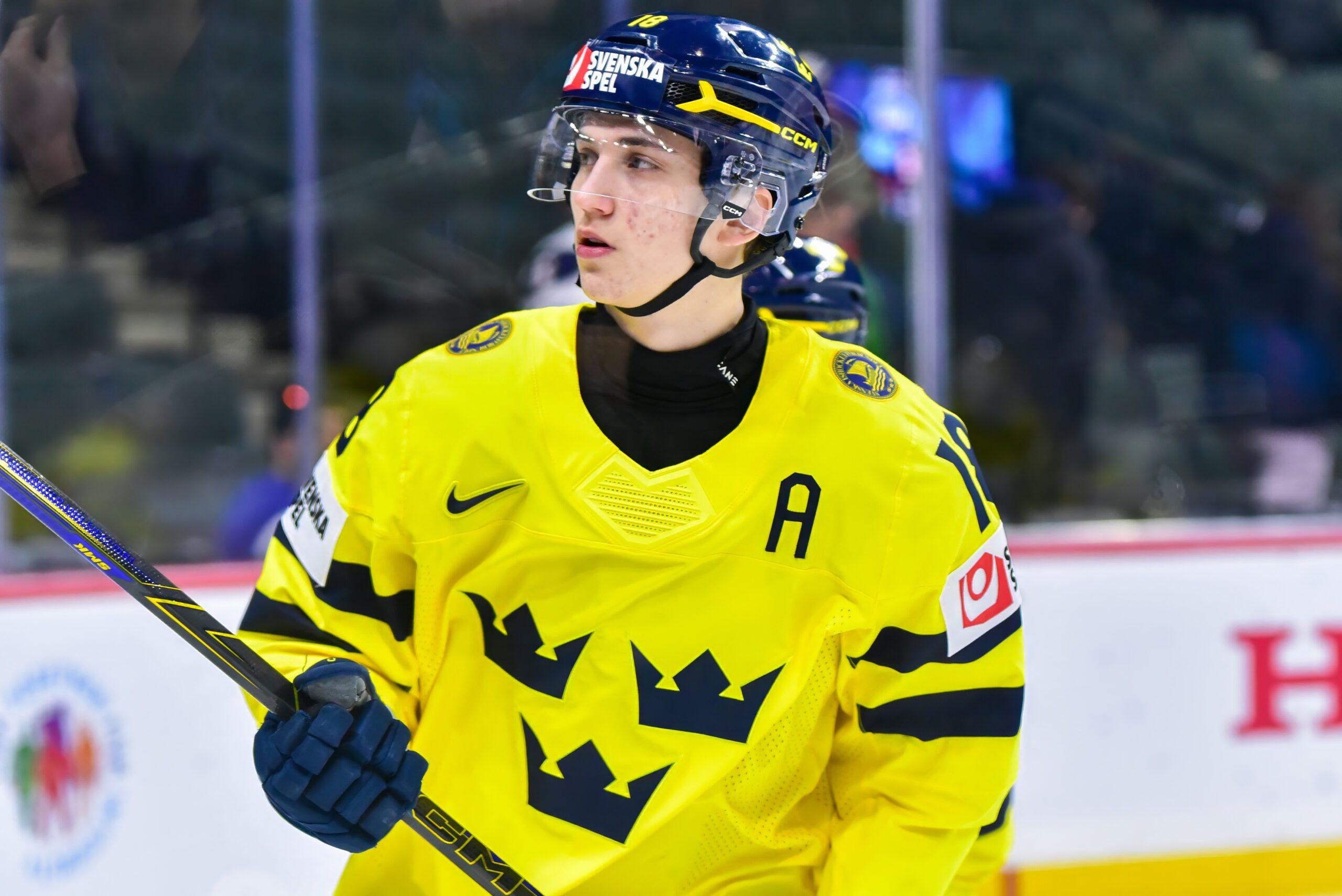
When sports fans refer to "the juniors game" during late December and early January, they are almost universally referencing the IIHF World Junior Ice Hockey Championship. Organized by the International Ice Hockey Federation, this annual tournament brings together the world's top ten men's under-20 national teams.
- Preliminary Round (10 Teams)
- Group A (5 Teams): Single Round-Robin
- Group B (5 Teams): Single Round-Robin
- (Top 4 teams from each group advance)
- Medal Round
- Quarterfinals: 1A vs 4B | 2A vs 3B | 1B vs 4A | 2B vs 3A
- Semifinals: Re-seeded based on preliminary round performance
- Finals: Gold Medal Game & Bronze Medal Game
Tournament Format and Structure
The championship follows a structured two-week timeline:
- Preliminary Round: Teams are divided into two pools of five. Each squad plays four round-robin games. Wins in regulation earn three points; overtime/shootout wins yield two points; overtime/shootout losses award one point; regulation losses yield zero.
- Relegation: The fifth-place team in each group faces off in a relegation series or single-game playoff to determine which nation drops down to Division I, Group A for the subsequent year.
- Medal Round: The top four teams from each group cross over into single-elimination quarterfinals (1A vs. 4B, 2A vs. 3B, etc.). Winners advance to the semifinals, followed by the bronze- and gold-medal games.
Broadcasting and Viewing Access
Finding the juniors game during tournament season depends on international broadcast licensing:
- Canada: TSN holds complete tournament rights, broadcasting every contest across its cable channels and digital streaming platform (TSN+), with French-language coverage on RDS.
- United States: NHL Network serves as the exclusive English-language carrier for all Team USA matchups, marquee round-robin fixtures, and the entire medal round.
- Europe: National public broadcasters—such as SVT in Sweden, Yle in Finland, and CT Sport in the Czech Republic—air their respective national team fixtures.
On-Ice Dynamics: How the Junior Game Differs from Minor Hockey
Transitioning from U18 AAA minor hockey to the junior ranks represents the steepest learning curve an aspiring player faces. The game transforms along several key tactical and physical dimensions.
Pace and Decision-Making Windows
In minor hockey, elite players often carry the puck through the neutral zone with ample time to assess lanes. In the junior game, defensive structures close gaps within fractions of a second. Players must master pre-scanning—checking shoulder options before receiving passes—and executing puck touches at full stride. Delaying a play by a half-second frequently results in a turnover or a heavy physical check.
Physicality and Contact Rules
Junior hockey permits heavier, more deliberate physical play along the boards. While youth hockey rules heavily penalize any marginal board contact, junior leagues permit established contact positioning to separate the carrier from the puck. Furthermore:
- Fighting Regulations: Fighting rules differ significantly by jurisdiction. Major Junior (CHL) leagues penalize fighting with a five-minute major and enforce progressive suspension thresholds for repeat infractions. The USHL and NCAA enforce strict game misconducts or multi-game disqualifications for bare-knuckle alterations, prioritizing skill development over physical intimidation.
- Protective Equipment: Junior players wear half-visors or full cages depending on league rules and age. USHL players under 18 must wear full cage or shield combinations, while older players in Major Junior typically utilize half-visors unless recovering from facial trauma.
Comparative Breakdown: Junior Hockey Pathways
Prospective athletes and families must evaluate distinct criteria when selecting a junior route. The table below outlines operational parameters across the leading junior hockey divisions.
| League / Category | Governing Body | Age Bracket | NCAA Eligibility Status | Average Schedule Length | Primary Cost Burden for Players |
|---|---|---|---|---|---|
| IIHF World Juniors | International Ice Hockey Federation | 16–19 (U20) | Fully Preserved | 5–7 games (2-week tournament) | None (Federation Funded) |
| Major Junior (CHL: OHL/WHL/QMJHL) | Canadian Hockey League | 16–20 | Eligible under updated NCAA Division I policies | 64–68 games + playoffs | None (Club covers travel, gear, billets; provides stipend) |
| Tier I Junior (USHL) | USA Hockey | 16–20 | Fully Preserved (Strictly Amateur) | 62 games + playoffs | None (Club covers coaching, travel, gear, billets) |
| Tier II Junior (NAHL) | USA Hockey | 16–20 | Fully Preserved | 60 games + playoffs | Minimal (Equipment/travel covered; select teams charge billet fees) |
| Junior A (BCHL / CJHL) | Independent / Hockey Canada | 16–20 | Fully Preserved | 54–56 games + playoffs | Variable (Some charge tuition, billet stipends, or gear fees) |
Navigating the Junior Pathway: A Player and Parent Guide
Entering the junior circuit requires clear milestones, realistic self-evaluation, and rigorous procedural compliance.
- Step 1: Minor Hockey Performance
- Excel in U15/U16 AAA circuits
- Compile video clips and verified statistics
- Step 2: Scout Identification & Combine Testing
- Attend regional showcases (e.g., USHL Combines, Pre-Draft camps)
- Submit player profiles to scouting directors
- Step 3: Draft Selection or Main Camp Invitation
- Compete in OHL/WHL/QMJHL or USHL Entry Drafts
- Secure an invitation to 40-man summer main camps
- Step 4: Roster Selection & Billet Placement
- Sign Standard Player Agreement (SPA) or Tier I Tender
- Complete background screening and match with a host family
1. Scouting and Draft Portals
Most junior leagues utilize systematic entry drafts:
- The CHL leagues run annual regional drafts for 15- and 16-year-old prospects (e.g., the OHL Priority Selection and WHL Prospects Draft).
- The USHL conducts a two-phase draft: Phase I targets incoming 16-year-olds (Futures Draft), while Phase II encompasses players aged 17 to 20 looking for immediate roster integration.
- Players not drafted can sign a Tender agreement (securing their rights before the draft in Tier I/II) or participate in open tryout camps as free agents.
2. Academic Support and Billeting
Junior programs place extensive infrastructure around school-age athletes. High-school-aged players are assigned academic advisors through the team to ensure transferable graduation credits. Billets undergo criminal background checks, home inspections, and nutritional assessments to guarantee a stable living environment. Teams establish mandatory curfews, study halls, and community outreach expectations that all athletes must follow.
Common Misconceptions About the Juniors Game
Misconception 1: Playing in the CHL permanently destroys NCAA eligibility.Historically, the NCAA categorized the CHL as a professional entity due to player contracts and minor stipends. However, the modernization of college athlete guidelines and antitrust settlements led to landmark policy adjustments by the NCAA Division I Council, opening the door for CHL players to transition to Division I college programs.
Misconception 2: You must play Major Junior to reach the NHL.While the CHL produces a high volume of NHL talent, the collegiate route via the USHL and NAHL accounts for more than 30% of active NHL rosters. Hall-of-fame players and perennial All-Stars regularly emerge from American Tier I programs and college hockey.
Misconception 3: Entering junior hockey guarantees an athletic scholarship.Major Junior teams offer robust education packages (providing one year of paid university tuition for every year played in the league, provided the player does not sign an NHL entry-level contract). However, in Tier I/II systems, scholarship funding depends entirely on securing an offer from an individual NCAA institution; the junior team itself does not award college scholarships.
Frequently Asked Questions
What channel broadcasts the World Juniors game today?
In Canada, all games air on TSN and stream via the TSN app. In the United States, coverage is broadcast on NHL Network. For viewers without cable packages, these networks are accessible through live-TV streaming subscriptions such as Fubo, Sling TV, or regional sports packages carrying NHL Network.
What is the maximum age to play in the juniors game?
The standard age ceiling across North American junior leagues is 20 years old. Players are officially classified by their birth year; an athlete who turns 20 during the calendar year of the season is classified as an "overage" player. CHL and Tier II leagues enforce strict limits on the number of 20-year-olds permitted on an active game roster (typically between three and four players).
Can 15-year-olds play in the junior hockey circuit?
Yes, but only under exceptional circumstances. Hockey Canada and the CHL grant "Exceptional Player Status" to rare prospects whose physical, mental, and tactical maturity warrants entering junior hockey one year early (past recipients include Connor McDavid and John Tavares). In the USHL, select 15-year-old affiliate players may appear in a limited number of games under strict developmental monitoring.
How does the junior hockey draft work?
Junior leagues conduct annual drafts based on geographical rights and age groups. For example, the OHL drafts players residing in Ontario and specific American border states, while the WHL drafts from Western Canada and Western U.S. states. Being drafted secures a player's rights within that specific league, but does not force the player to report if they prefer to pursue another pathway (such as maintaining NCAA eligibility via Tier I hockey).
Strategic Recommendation for Aspiring Athletes
If your goal is to compete in the junior hockey ranks, conduct an honest audit of your physical maturity, academic objectives, and developmental runway. Begin by targeting open tryout camps in Tier II leagues (such as the NAHL or regional Junior A) during your 16-year-old season to benchmark the speed and strength required at that level. Focus on developing explosive lateral skating and off-puck decision-making, which scouts prioritize over raw scoring numbers in youth leagues. Above all, maintain direct contact with academic advisors to keep all collegiate options viable as league eligibility structures continue to evolve.
Image Gallery