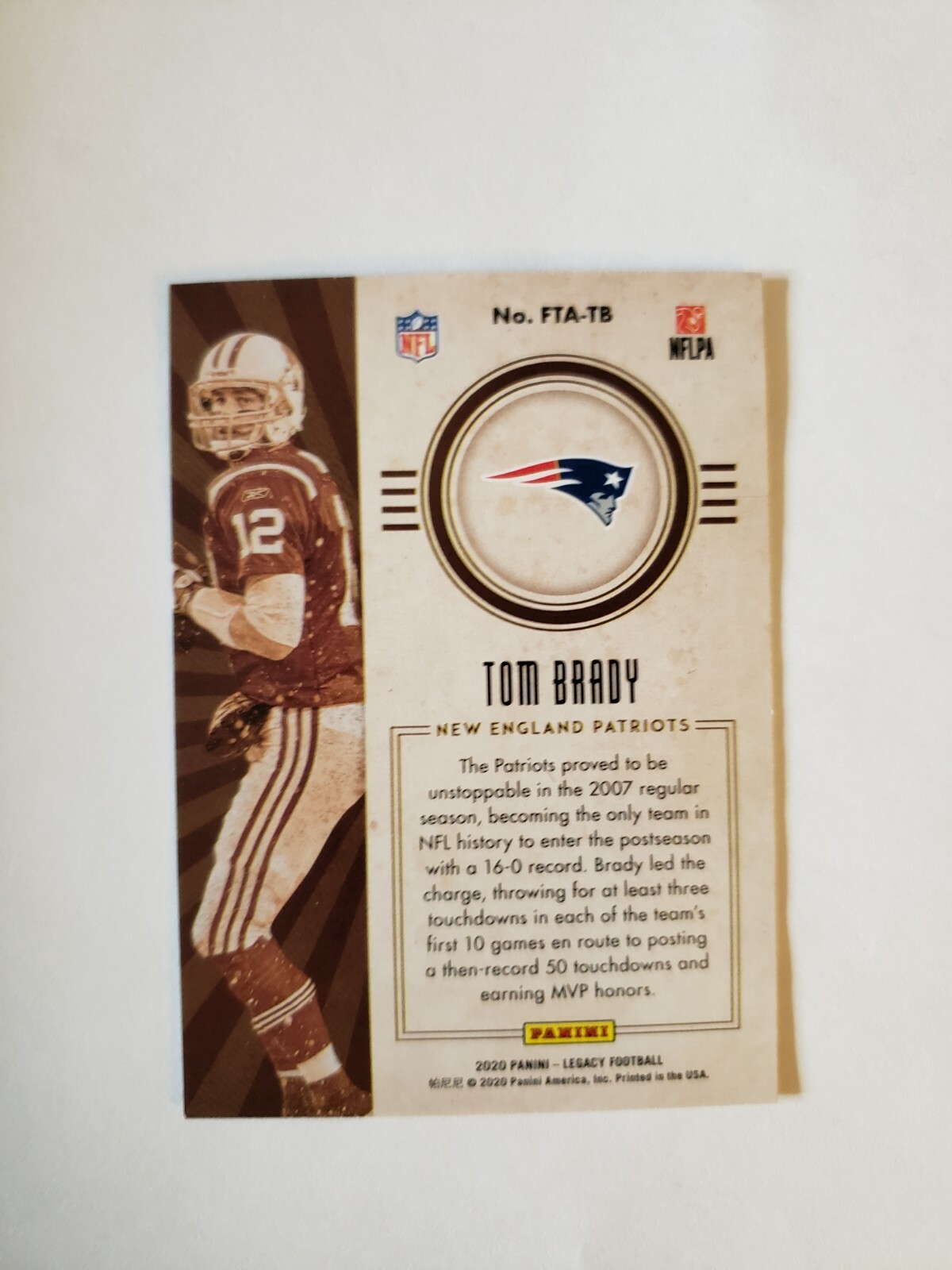
Understanding the Brady Patriots Legacy: A Historical and Tactical Analysis
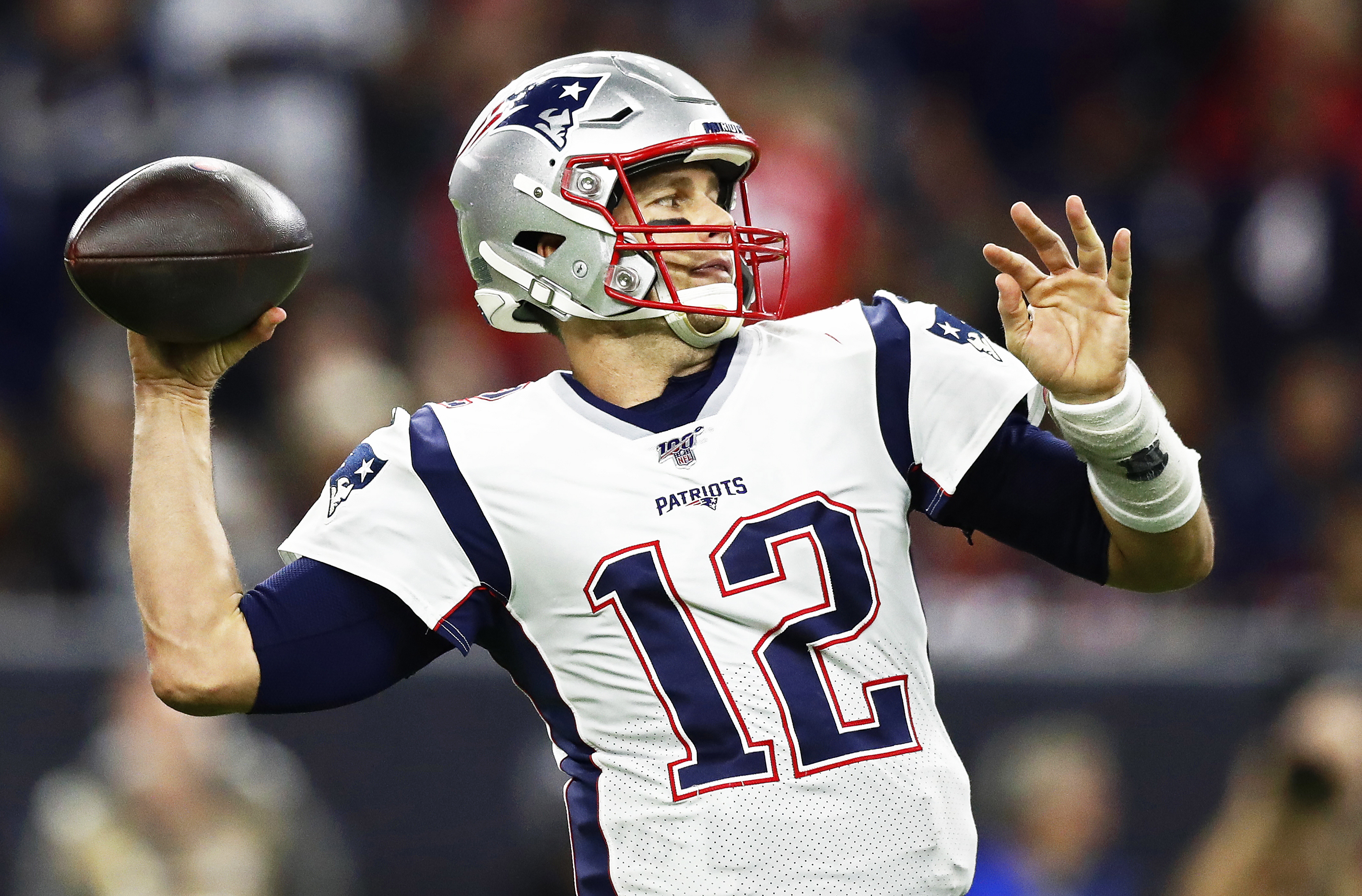
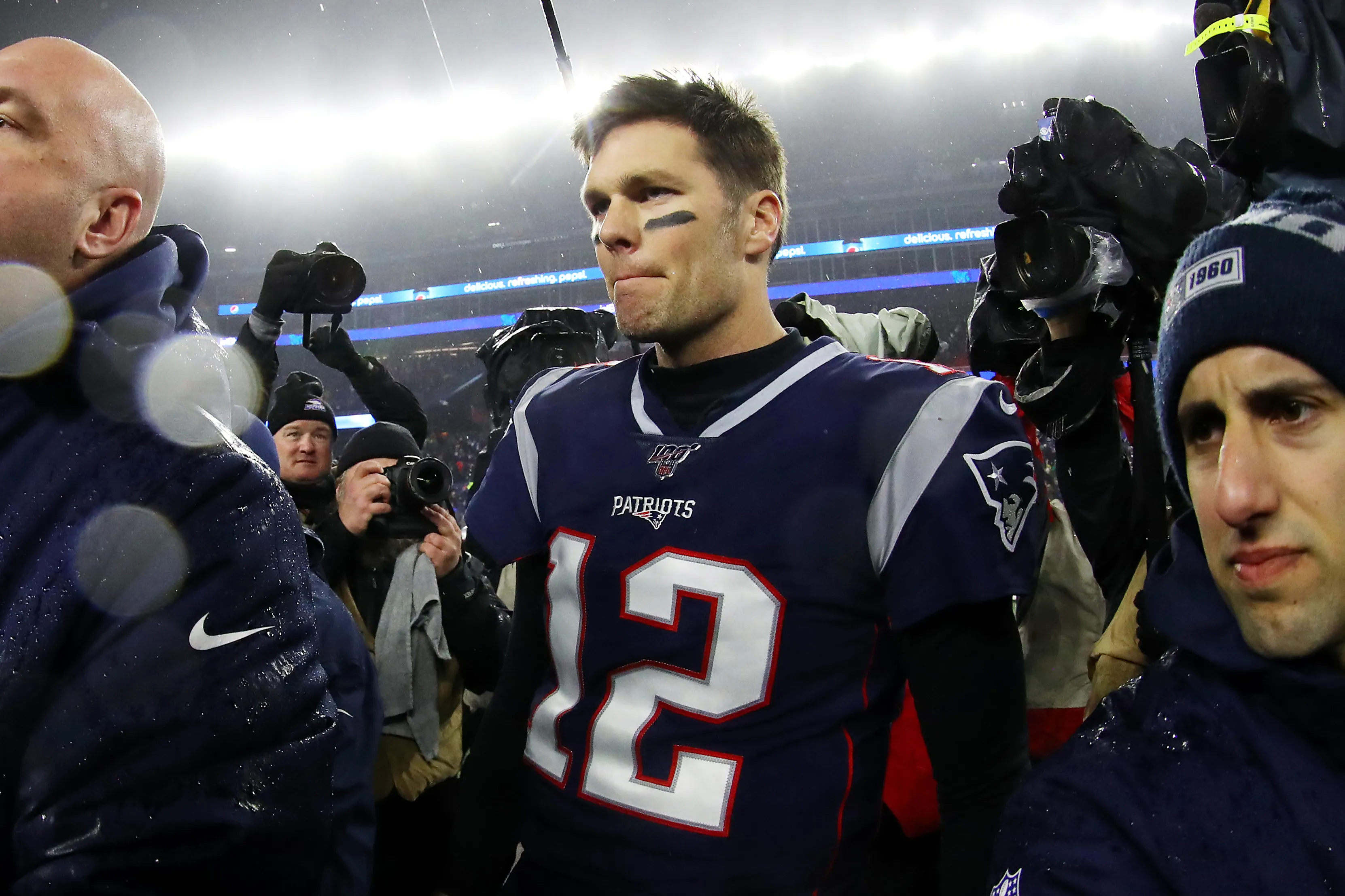
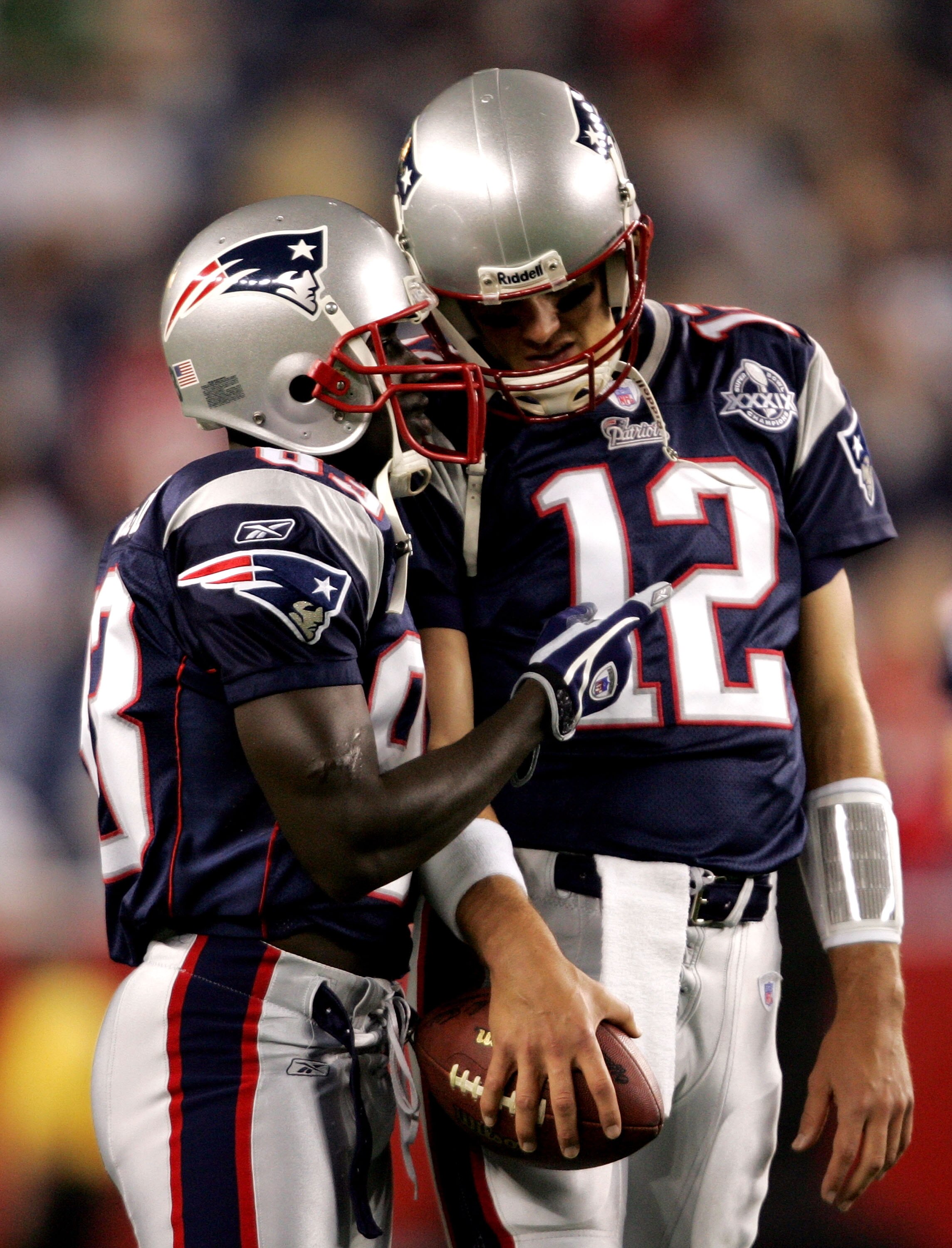
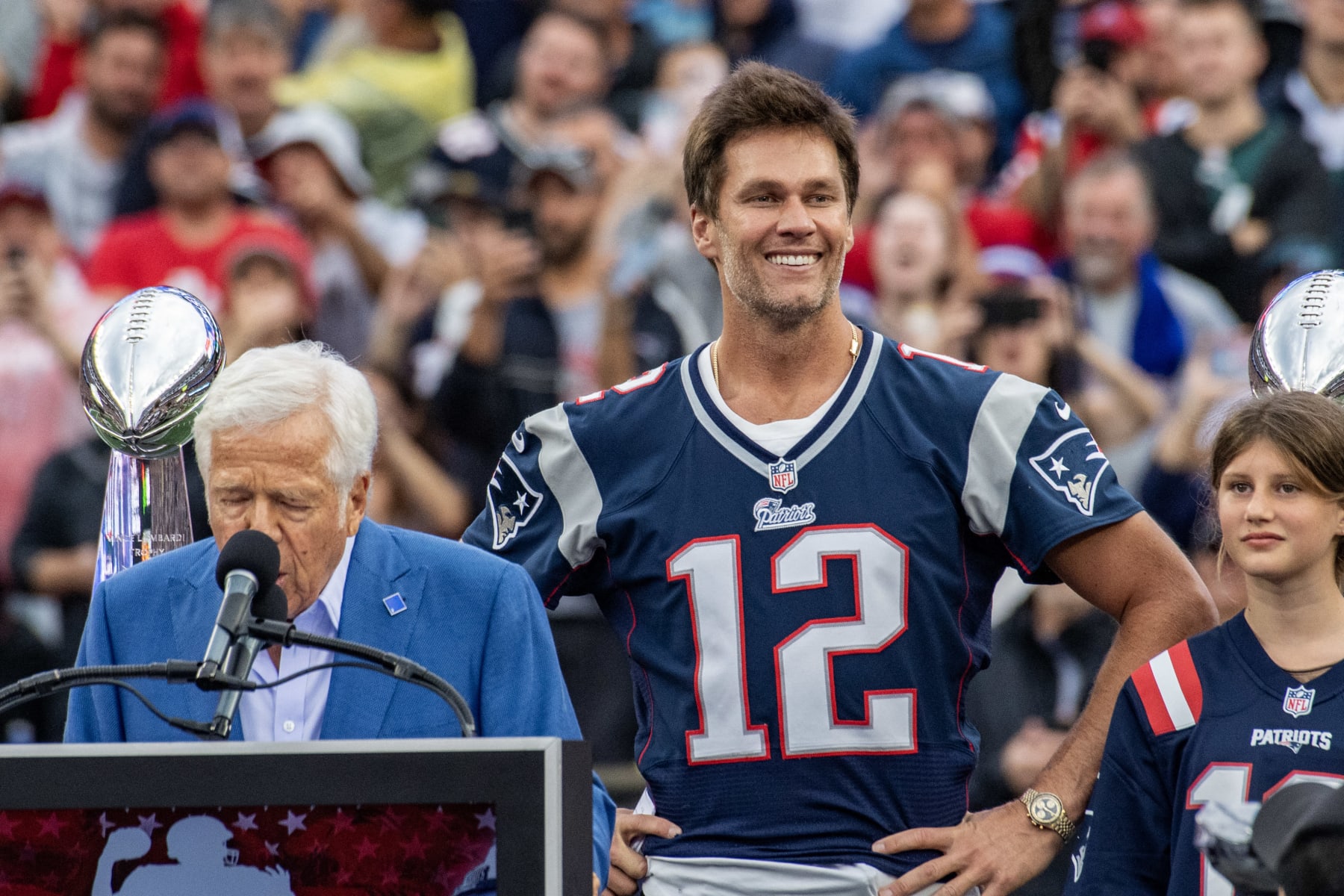
The Brady-Patriots legacy refers to the two-decade partnership between quarterback Tom Brady and the New England Patriots (2000–2019), characterized by six Super Bowl victories and unprecedented sustained dominance in the National Foot...
The Brady-Patriots legacy refers to the two-decade partnership between quarterback Tom Brady and the New England Patriots (2000–2019), characterized by six Super Bowl victories and unprecedented sustained dominance in the National Football League. This era redefined modern professional football through rigorous team-building, situational mastery, and a philosophy that prioritized organizational consistency over individual acclaim.
Contents
The ambiguity regarding the "Brady Patriots legacy" often arises from whether one is evaluating the statistical accumulation of records or the sociological impact of the "Patriot Way." This analysis focuses on the technical and structural components of that era: the strategic evolution of the roster, the systemic advantages utilized under head coach Bill Belichick, and the enduring operational benchmarks established during these twenty seasons.
The Strategic Foundation: The "Patriot Way"
At the core of the Brady-Patriots legacy was a management philosophy often referred to as "The Patriot Way." This approach was not merely a cultural slogan but a technical operational framework designed to minimize variance in high-stakes environments. The primary tenet was "Do Your Job," an instruction that shifted focus from individual highlight-reel performance to the fulfillment of precise, task-oriented roles within a larger tactical scheme.
This philosophy was supported by a meritocratic personnel system. Unlike many professional sports franchises that prioritize high-value free-agent acquisitions, the Patriots frequently traded or released veteran players who failed to adhere to the team’s rigorous practice standards. This focus on "low-ego, high-versatility" players allowed the team to adjust their offensive and defensive identities mid-season based on the specific weaknesses of their upcoming opponents—a practice known as situational football.
Tactical Evolution: Offense and Defensive Versatility
The legacy of the Brady-Patriots is often simplified into quarterback statistics, yet the tactical reality involved constant reinvention. During the early 2000s, the team relied on a stout, disciplined defense and a conservative, clock-controlling offense. By the 2007 season, the strategic paradigm shifted toward a high-volume, spread-passing attack that set then-record-breaking offensive production benchmarks.
The Evolution of Personnel Packages
The team utilized diverse personnel groupings to force opposing defenses into disadvantageous alignments. By utilizing tight ends and versatile running backs who could function as wide receivers, the coaching staff could dictate whether an opponent played a heavy defensive personnel (focused on run stopping) or a light defensive personnel (focused on pass coverage). This constant movement forced opponents to sacrifice depth or speed, effectively neutralizing superior individual athletic talent through superior spatial coordination.
| Era Phase | Primary Defensive Focus | Offensive Strategy | Key Philosophy |
|---|---|---|---|
| Early Era (2001-2004) | Physicality/Turnovers | Clock Control | Discipline/Defense |
| Mid-Era (2007-2012) | Hybrid Zone/Man | Spread Passing | Vertical Efficiency |
| Late Era (2013-2019) | Situational Personnel | High-Percentage Short Pass | Adaptability |
The Role of Salary Cap Management
An essential, yet often overlooked, component of the legacy is the team's approach to the NFL salary cap. The "Patriot Way" necessitated a financial strategy that prioritized longevity over immediate, expensive talent spikes. Brady’s contract structure frequently allowed the team to retain a critical mass of supporting talent. By consistently taking less than his market value compared to other elite quarterbacks, Brady provided the organization with the fiscal flexibility to acquire high-value veteran role players or bolster depth at key positions.
This financial discipline, combined with a sophisticated scouting department that prioritized value in the middle and late rounds of the NFL Draft, ensured that the team avoided the "salary cap hell" that typically follows championship runs. By consistently drafting for need and fit rather than prestige, the organization maintained a competitive floor that most teams failed to replicate during the same twenty-year period.
Sustained Performance: The Statistical Reality
The legacy is grounded in verifiable historical data. Between 2000 and 2019, the New England Patriots achieved:
- Six Super Bowl championships.
- Nine AFC Championship appearances.
- Seventeen AFC East division titles.
- An unmatched record of regular-season and postseason winning percentages.
These numbers illustrate a "standard of excellence" that remains the primary benchmark for all NFL franchises as of 2026. The ability to remain competitive while facing the toughest schedule-strength parameters in the league—a result of the NFL's competitive parity rules—indicates that the success was systemic rather than incidental.
Common Misconceptions
When analyzing this era, several myths often obscure the technical reality.
- The "System Quarterback" Argument: Critics often argued that Brady’s success was solely a product of the system. However, technical analysis of game tape from 2000–2019 shows that Brady’s ability to read complex defensive disguises and his rapid decision-making under pressure were essential components that allowed the system to function. The system and the player were codependent; one could not achieve this level of legacy without the other.
- The "Dynasty" Continuity: People often assume the roster remained largely the same throughout the two decades. In reality, the personnel turnover was extremely high. The legacy is defined by the team's ability to maintain high levels of output despite the constant rotation of supporting talent, which underscores the strength of the coaching and developmental processes.
Frequently Asked Questions
What was the most significant factor in the Brady-Patriots success?
The most significant factor was the integration of situational coaching and disciplined personnel management. By aligning the front office’s acquisition strategy with the head coach’s tactical requirements, the organization minimized the impact of individual player turnover, ensuring the team remained competitive regardless of which specific players were on the field.
How did the team handle the NFL salary cap differently than others?
The organization prioritized team-wide depth over high-cost, individual "star" contracts. By leveraging Tom Brady’s contract flexibility and focusing on identifying undervalued players in the NFL Draft, the team ensured it did not overcommit resources to single positions, allowing for a more balanced and durable roster construction.
What is the "Patriot Way" and does it still exist?
The "Patriot Way" refers to a culture of extreme preparation, accountability, and putting team success ahead of individual accolades. While individual iterations of this culture have been attempted by various franchises, the specific synergy required to maintain it at such a high level for two decades remains a singular historical achievement.
Why did the partnership end in 2019?
The parting was a result of natural organizational cycles. By 2019, the franchise faced the reality of needing a long-term roster transition, while the player sought a different environment to test his capabilities. It was a strategic divergence of goals rather than a single negative event, marking the end of a unique twenty-year window.
Does the legacy impact current NFL team building?
Yes, it serves as the ultimate case study for "competitive durability." Modern teams now prioritize data-driven scouting, situational sub-packages, and salary-cap management strategies that were refined and popularized during the Patriots' dominance.
Next Actions for Enthusiasts and Analysts
To further understand the Brady-Patriots legacy, interested parties should review the official NFL game logs and the documented draft history of the New England Patriots between 2000 and 2019. Comparing these archives with the salary cap data provided by the NFL Management Council offers the clearest evidence of how the franchise maintained its competitive advantage. For those looking for historical context, archival footage of championship seasons provides the most reliable look at the evolving tactical schemes employed by the team.
Image Gallery