Analyzing the Tactical Impact of Josh McCown as a Wide Receiver in the NFL
Josh McCown’s legacy in the NFL is primarily defined by his lengthy career as a journeyman quarterback who played for ten different franchises over seventeen seasons. While he was never a wide receiver by trade, the occasional deployme...
Josh McCown’s legacy in the NFL is primarily defined by his lengthy career as a journeyman quarterback who played for ten different franchises over seventeen seasons. While he was never a wide receiver by trade, the occasional deployment of McCown in unconventional roles—or the strategic discussions surrounding his versatility—highlights the broader tactical flexibility required of veteran quarterbacks. This analysis explores his career profile and the limitations of utilizing a signal-caller in peripheral offensive roles.
Contents
The Versatility Myth: Josh McCown’s Actual Role in the NFL
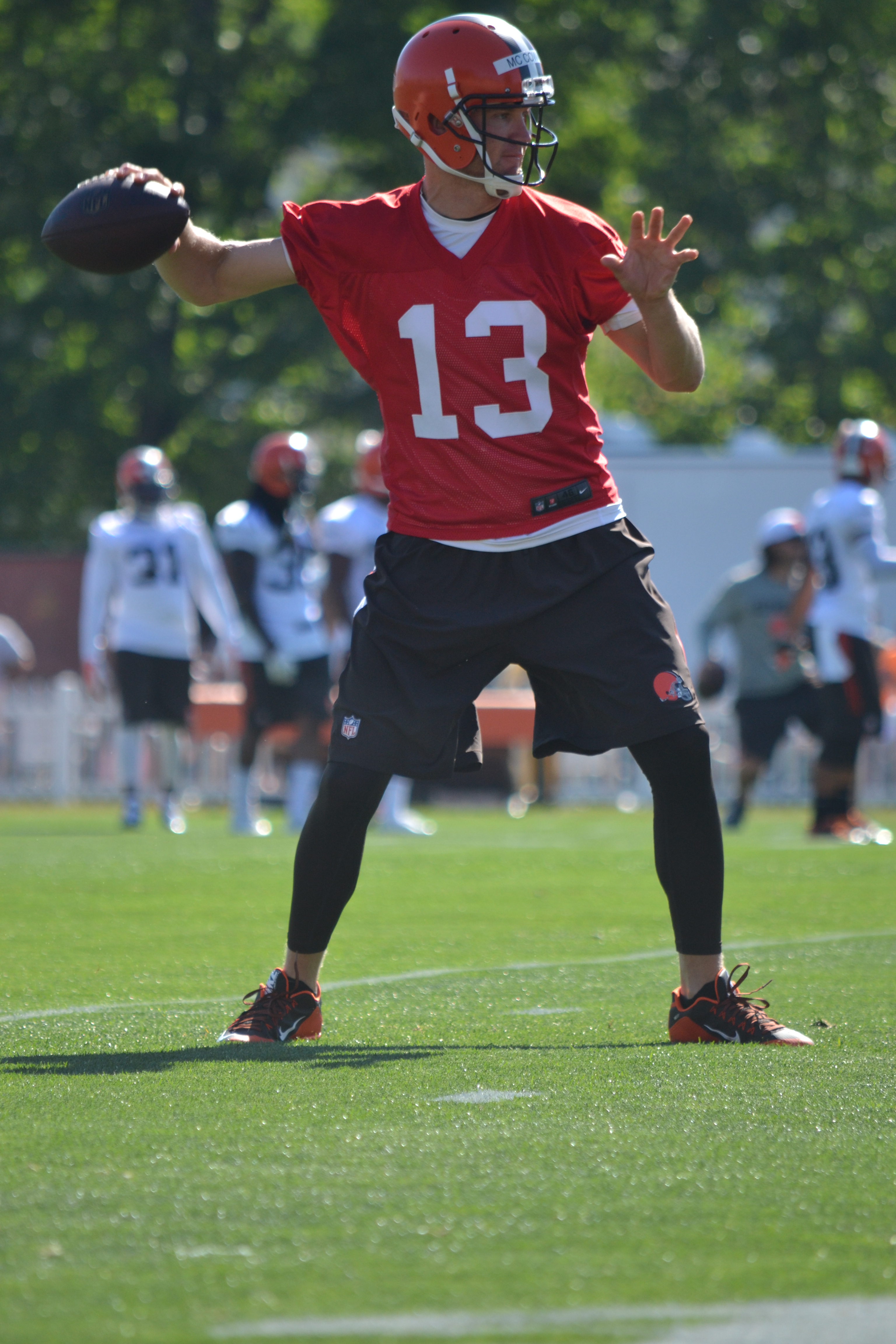
To understand the "impact" of Josh McCown as a wide receiver, one must first establish the factual boundaries of his career. Josh McCown was never a wide receiver, nor was he ever officially designated as such by any NFL team. Throughout his career (2002–2019), his contribution to the offensive scheme was rooted entirely in the quarterback position. The recurring interest in "Josh McCown as a wide receiver" is largely a product of off-season speculation, training camp curiosity, or hypothetical conversations regarding the utility of "athletic" quarterbacks in trick-play scenarios.
In the NFL, the transition from quarterback to wide receiver is a rare and difficult endeavor. While McCown was known for his durability and intelligence, he lacked the specific refined skill sets—such as route-running technique, change-of-direction agility, and contested-catch spatial awareness—that define a professional wide receiver. His impact on the field remained restricted to his ability to read defenses, manage the pocket, and deliver the ball from the center position.
Tactical Realities: Why Quarterbacks Rarely Shift Positions
The discussion surrounding players like McCown moving to wide receiver often stems from a fundamental misunderstanding of NFL personnel grouping. Modern NFL offenses rely on highly specialized roles. A wide receiver is required to run a deep, complex route tree, manage sideline chemistry with the quarterback, and execute precise blocking assignments.
For a veteran quarterback, the cost-benefit analysis of moving to wide receiver is overwhelmingly negative. The physical requirements are drastically different:
- Acceleration and Deceleration: Wide receivers must reach top speeds quickly and stop on a dime to break off routes. Quarterbacks train for stability and arm strength, not the lateral explosiveness required for receiver routes.
- Contested Catch Physics: Receivers are trained to absorb hits while extending their bodies to catch the ball. Quarterbacks are traditionally taught to protect their bodies to avoid injury, making the transition to a high-contact receiver role a significant safety risk.
- Knowledge Acquisition: Mastery of the wide receiver position requires years of learning how to manipulate defensive backs. McCown’s value to his teams, particularly later in his career with organizations like the New York Jets and Philadelphia Eagles, was his ability to serve as a mentor and a high-IQ backup quarterback, not as a perimeter threat.
Comparative Overview of Positional Skill Sets
The following table highlights the objective differences between the roles of a starting quarterback and a starting wide receiver, clarifying why players like McCown did not transition between these positions.
| Skill/Requirement | Quarterback | Wide Receiver |
|---|---|---|
| Primary Objective | Offensive Orchestration | Reception and Separation |
| Key Physical Asset | Arm Strength/Accuracy | Explosive Speed/Agility |
| Defensive Exposure | Protected (Pocket) | High-Contact (Peripheral) |
| Knowledge Base | Full Coverage/Blitz Reads | Route Concepts/Leverage |
| Standard Career Trajectory | Central Leadership | Specialized Skill Position |
The "Trick Play" Fallacy
One common source of confusion regarding McCown’s "impact" as a receiver is his involvement in trick plays. In some offensive schemes, quarterbacks are occasionally aligned as a receiver while another player—often a running back or a backup quarterback—takes the snap to create a distraction.
However, these are "decoy" roles rather than functional wide receiver roles. If Josh McCown were ever aligned wide, it would be to pull a defender away from the primary action or to force the defense to account for an extra potential passer. In these scenarios, the quarterback-turned-receiver is not expected to catch a pass or gain yardage. This is a strategic formation choice, not an indicator of skill-based impact at the receiver position.
Examining the Value of Mentorship over Versatility
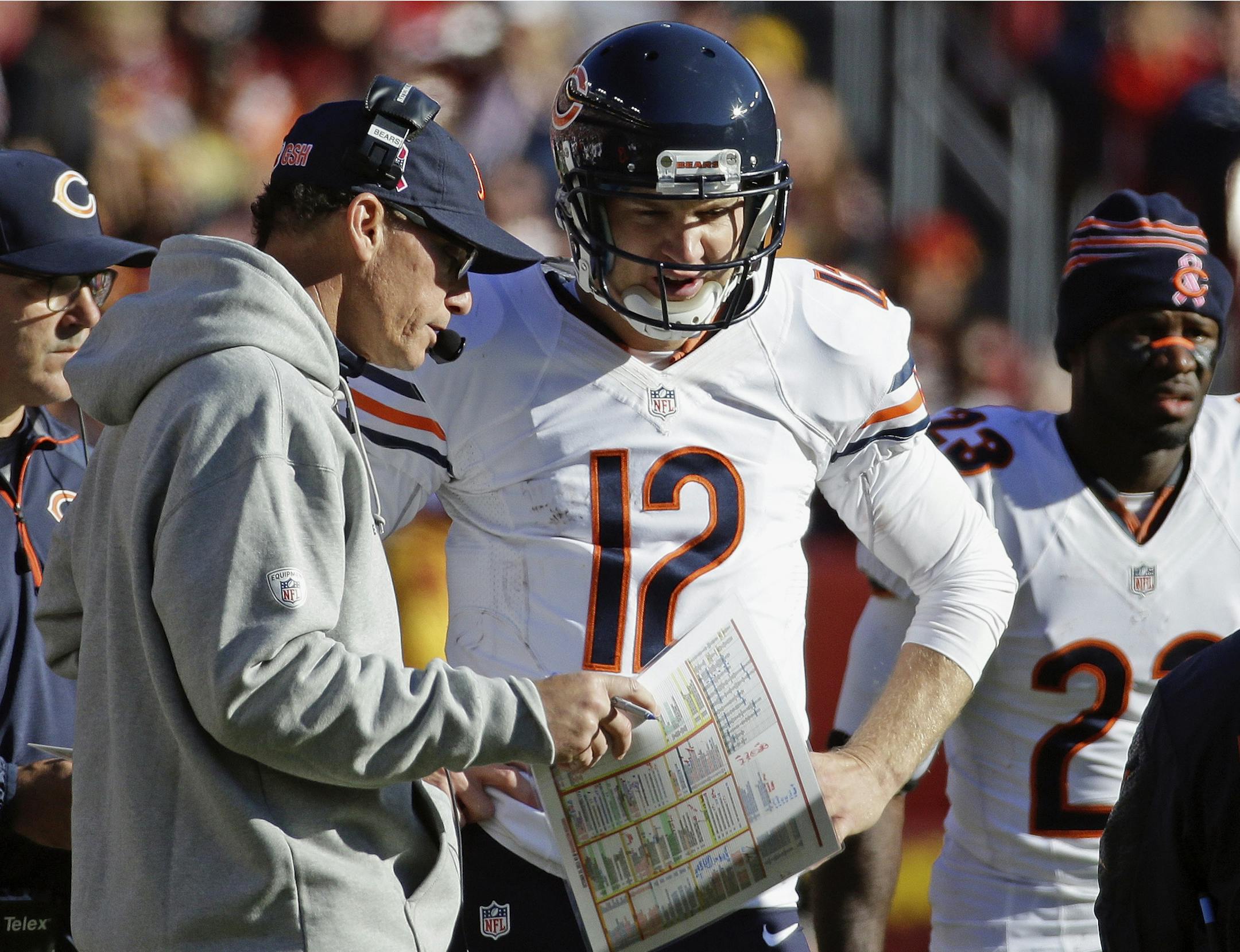
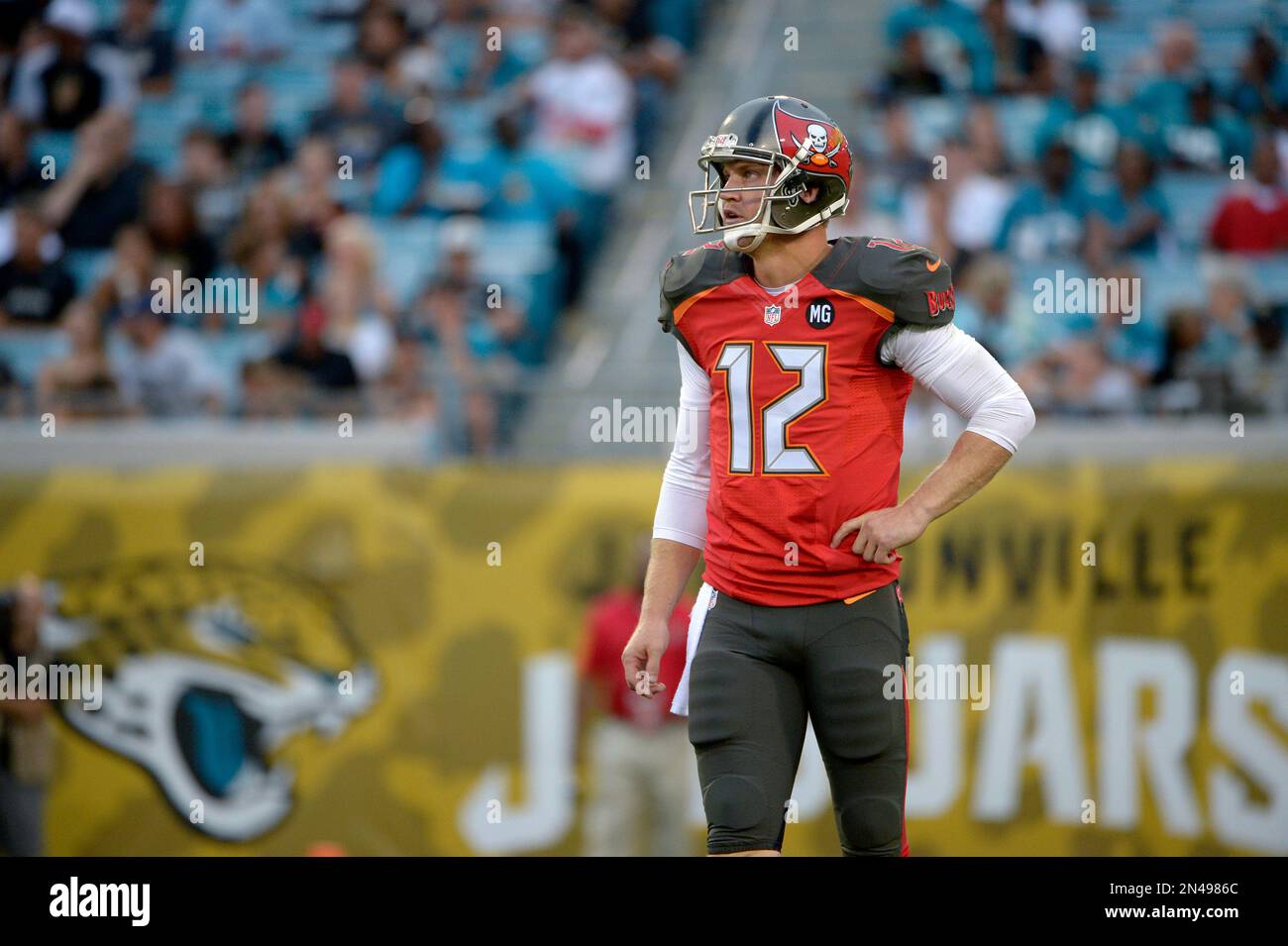
The impact McCown had on the NFL is not measured in receiving yards, but in his longevity and leadership. By 2019, his final season, he served a vital role for the Philadelphia Eagles as a mentor to younger players and a reliable backup. His value was institutional—providing stability, film-study habits, and locker-room culture.
Fans and analysts occasionally theorize about "athletic" quarterbacks like McCown playing receiver to extend their careers. Yet, NFL history shows that the most successful veteran quarterbacks are those who focus on honing their craft as passers. The intellectual load of being an NFL quarterback is so significant that diverting focus to learn wide receiver mechanics would likely diminish, rather than enhance, the player’s overall value to the team.
Frequently Asked Questions
1. Did Josh McCown ever catch an NFL pass? No, Josh McCown does not have any recorded receptions as a wide receiver in the NFL. His career statistics are exclusively categorized under passing, rushing, and fumbling metrics.
2. Why do people suggest quarterbacks move to wide receiver? This suggestion usually arises when a quarterback possesses high mobility or athleticism but fails to secure a starting role. Fans often look for ways for their favorite veterans to remain on the roster, even if the transition is technically impractical.
3. What was Josh McCown’s actual strength on the field? His primary strengths were his high football IQ, his ability to diagnose defensive coverages, and his locker-room leadership. These traits allowed him to remain in the league for nearly two decades as a trusted professional.
4. Could a modern quarterback successfully switch to wide receiver today? While some collegiate athletes successfully switch, it is virtually unheard of for an established professional quarterback to switch to wide receiver. The technical nuances of the NFL game are too specialized for a mid-career position change to be effective.
5. How does the current NFL prioritize roster versatility? Current NFL teams value "positionless" players like Taysom Hill, who play a hybrid role. However, these players are developed as hybrids from the outset, rather than switching from a pure pocket-passing role like that of Josh McCown.
Final Recommendation for Further Research
To fully appreciate the impact of Josh McCown on the NFL, observers should analyze his contributions as a quarterback mentor and field general. His legacy is one of resilience and intelligence, which allowed him to survive in one of the world's most demanding professional sports environments. For those interested in player development or the history of NFL offensive schemes, researching his tenure with the 2017 New York Jets provides the best insight into how a veteran presence influences an entire roster.
Image Gallery