Hot Food vs Cold Food: Which Wins for Your Lifestyle?
Choosing between hot and cold food involves balancing metabolic efficiency, digestive comfort, and the logistical realities of your daily routine. While neither temperature is objectively superior for everyone, each offers distinct adv...
Choosing between hot and cold food involves balancing metabolic efficiency, digestive comfort, and the logistical realities of your daily routine. While neither temperature is objectively superior for everyone, each offers distinct advantages regarding nutrient bioavailability, satiety, and how your body processes energy. The ideal choice depends on your specific health goals, your work environment, and how your digestive system reacts to thermal variations.
Contents
Understanding the Metabolic Impact of Food Temperature
The primary physiological argument regarding food temperature centers on "thermogenesis"—the heat produced by the body during digestion. Consuming hot food is often perceived as comforting and potentially easier on the digestive tract because it mimics the internal temperature of the body. Conversely, cold food—specifically chilled or raw items—requires the body to expend additional energy to raise the temperature of the ingested contents to match core body heat.
However, the impact of these temperature differences on total caloric expenditure is relatively minor in the context of an entire day's metabolic activity. The body is highly efficient at regulating its internal environment. Therefore, the decision should be based more on "digestive ease" and "satiety" rather than a significant metabolic advantage. For individuals with sensitive gastrointestinal tracts, warm foods are often better tolerated, as they can stimulate blood flow to the stomach and facilitate the mechanical breakdown of food.
Nutritional Bioavailability: The Case for Heat
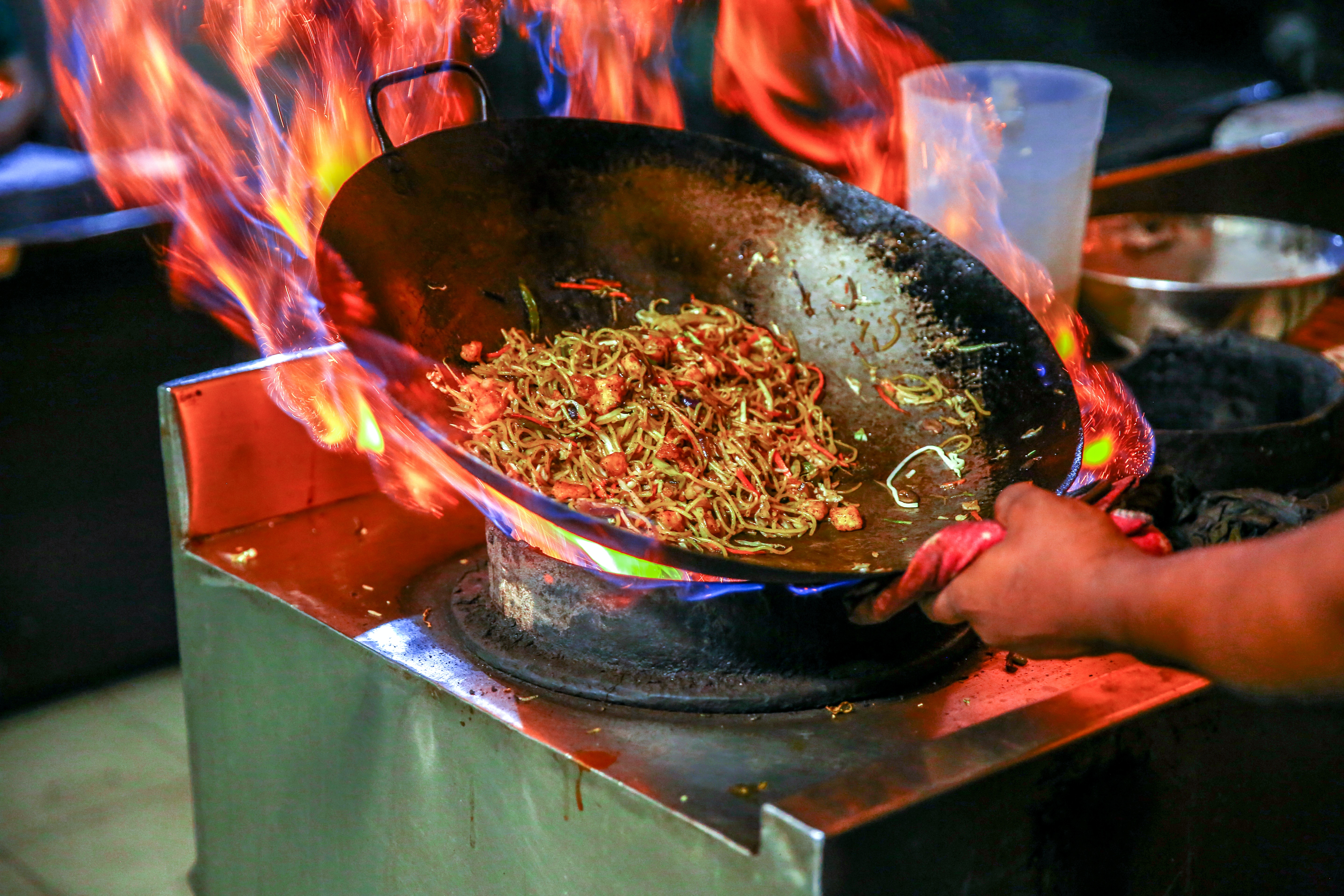
Heat is a powerful tool for unlocking nutrients. Many plant-based foods contain tough cellular structures that are difficult for the human digestive system to break down in their raw, cold state. Cooking—which inherently makes food hot—denatures proteins and softens fibrous cell walls, making nutrients more accessible for absorption.
For example, the bioavailability of lycopene in tomatoes and beta-carotene in carrots increases significantly when these vegetables are cooked. Furthermore, heating food acts as a natural sterilization process, reducing the risk of foodborne illnesses associated with pathogens that thrive on raw surfaces. If your lifestyle involves a high-intensity schedule where nutrient absorption efficiency is paramount, incorporating hot, cooked meals into your rotation can maximize the biological return on the calories you consume.
The Convenience and Freshness Factor of Cold Food
Cold food is often synonymous with convenience and freshness, particularly for professionals who lack access to heating appliances like microwaves or stoves. Salads, wraps, cold-pressed juices, and overnight oats are cornerstones of "on-the-go" nutrition. These meals often prioritize raw ingredients, which are high in water-soluble vitamins, such as Vitamin C and certain B-vitamins that are sensitive to prolonged heat exposure.
If your lifestyle is characterized by mobility—frequent travel, field work, or an office environment without kitchen infrastructure—cold meals offer a clear logistical win. Beyond logistics, cold foods often have a higher "crunch" factor and a refreshing sensory profile, which can increase the psychological enjoyment of a meal. For many, a crisp, cold salad is more satiating in hot weather than a heavy, steaming bowl of soup.
Comparative Framework: Hot vs. Cold
When determining which temperature profile suits your daily flow, consider the following comparison of key operational factors:
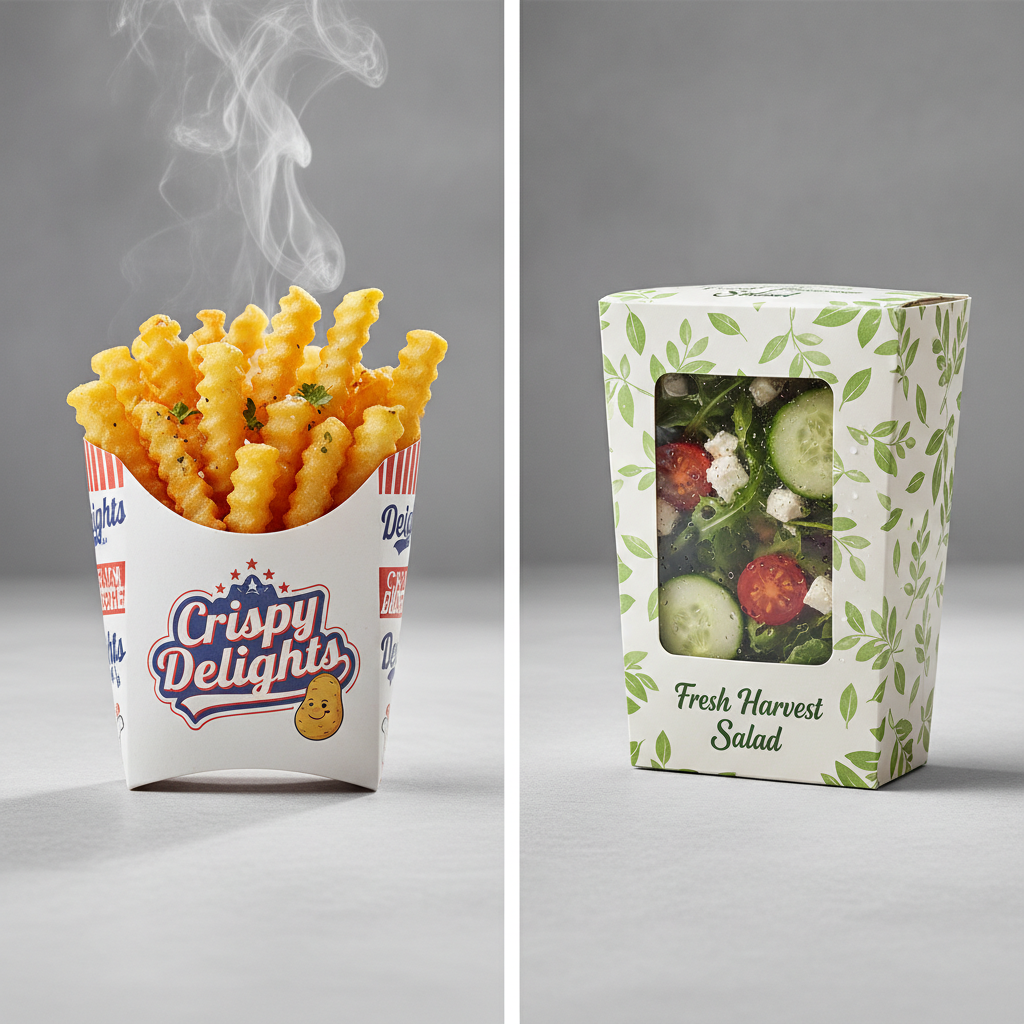
| Factor | Hot Food | Cold Food |
|---|---|---|
| Nutrient Access | High (softens fibers/breaks down protein) | Varies (best for heat-sensitive vitamins) |
| Logistics | Requires heating equipment | Grab-and-go friendly |
| Digestion | Generally soothing, aids enzyme activity | May be challenging for some sensitive stomachs |
| Preparation Time | Usually higher (cooking required) | Usually lower (assembly-based) |
| Seasonal Fit | Ideal for cold weather/recovery | Ideal for warm weather/active hydration |
Aligning Temperature with Your Professional Lifestyle
Your professional environment should dictate your meal strategy as much as your dietary preferences do. If you work in an office setting with access to a breakroom, you have the flexibility to alternate. However, for those in high-pressure or non-traditional roles, the "winner" is the option that reduces friction.
If you are a high-performance individual, consider "thermal layering." Many nutritionists suggest a warm breakfast—such as oatmeal or an egg-based dish—to initiate digestive function in the morning, followed by a cold, nutrient-dense lunch to avoid the "post-lunch slump" often associated with heavy, hot meals. By aligning your food temperature with your circadian rhythm and work schedule, you can manage energy levels more effectively throughout the day.
Common Mistakes and Digestive Troubleshooting
The most common mistake is assuming that "raw and cold" is always healthier, or that "hot and cooked" is always superior. Rigid adherence to one can lead to nutritional gaps. For example, relying exclusively on raw, cold salads can lead to bloating or discomfort in individuals with irritable bowel syndrome (IBS) or sensitive digestive systems, as the raw fibers are harder to process.
Conversely, relying exclusively on hot, processed, or fried foods can lead to an intake of excess fats and sodium. To troubleshoot, observe your energy levels 60 to 90 minutes after eating. If you experience significant bloating after a cold meal, try steaming your vegetables or choosing warmer, cooked proteins. If you feel lethargic after a hot meal, look for lighter preparation methods like blanching or light sautéing rather than heavy roasting or frying.
Frequently Asked Questions
Does cold food slow down my metabolism? No. While your body uses a negligible amount of energy to warm cold food to body temperature, this does not result in a "slowed metabolism." The caloric difference is insufficient to impact weight loss goals in any meaningful way compared to the total caloric density of the food itself.
Is it healthier to eat raw food than cooked food? It depends on the food. Some nutrients, like Vitamin C, are destroyed by heat and are best consumed in raw (cold) forms. Other nutrients, like lycopene and protein, are better utilized by the body after heat exposure. A balanced diet incorporates both to capitalize on these different biochemical profiles.
Can eating cold food cause digestive issues? For some people, particularly those with sensitive digestive systems or traditional Chinese medicine (TCM) perspectives, very cold foods (especially ice-cold drinks or frozen meals) are believed to "dampen" digestive fire. If you notice discomfort, bloat, or indigestion after cold meals, shifting toward room-temperature or warm foods may alleviate those symptoms.
Which is better for weight loss? Neither has a definitive advantage. Satiety is driven by protein content, fiber, and volume. A large, cold salad with lean chicken may be more satiating for some than a small, hot portion of pasta. Focus on the quality of the ingredients rather than the temperature.
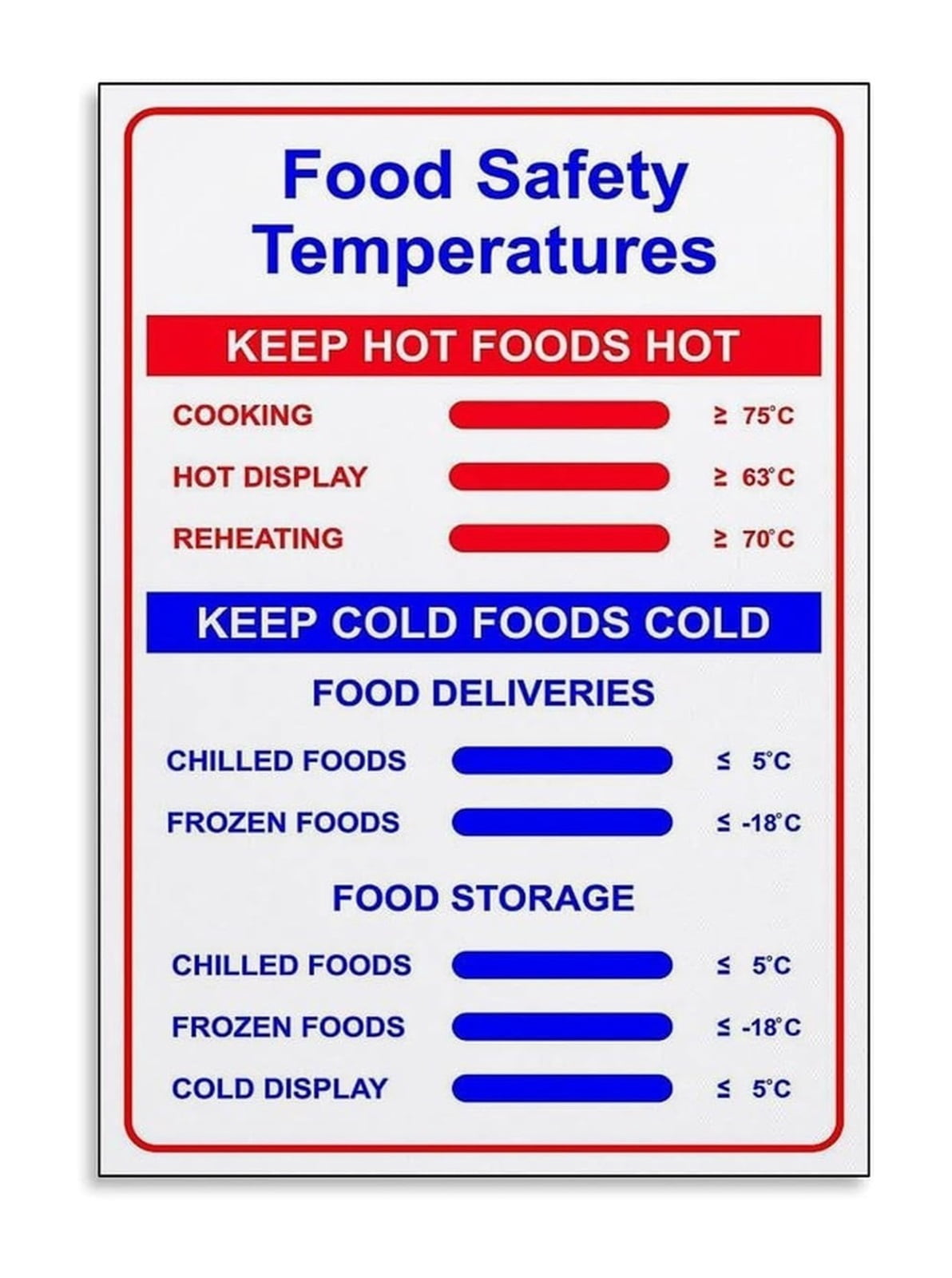
How do I safely handle hot and cold food for work? Invest in high-quality insulated containers. A vacuum-insulated thermos will keep hot soups or stews at a food-safe temperature for hours, while a high-quality lunch cooler with ice packs is essential for keeping cold meals safe and palatable. Always follow food safety guidelines regarding the "danger zone" (40°F to 140°F) to prevent bacterial growth.
Final Recommendation
There is no singular winner between hot and cold food; the victory goes to the method that ensures you maintain consistent energy and digestive comfort throughout your day. For most, a hybrid approach is optimal. Start your day with warm nourishment to support metabolic function, and utilize cold, portable meals for mid-day fuel to maintain high energy levels without the need for reheating facilities. If you find your current routine causes digestive discomfort, experiment by adjusting the temperature of your lunch—the simplest intervention often provides the most significant relief.
Image Gallery