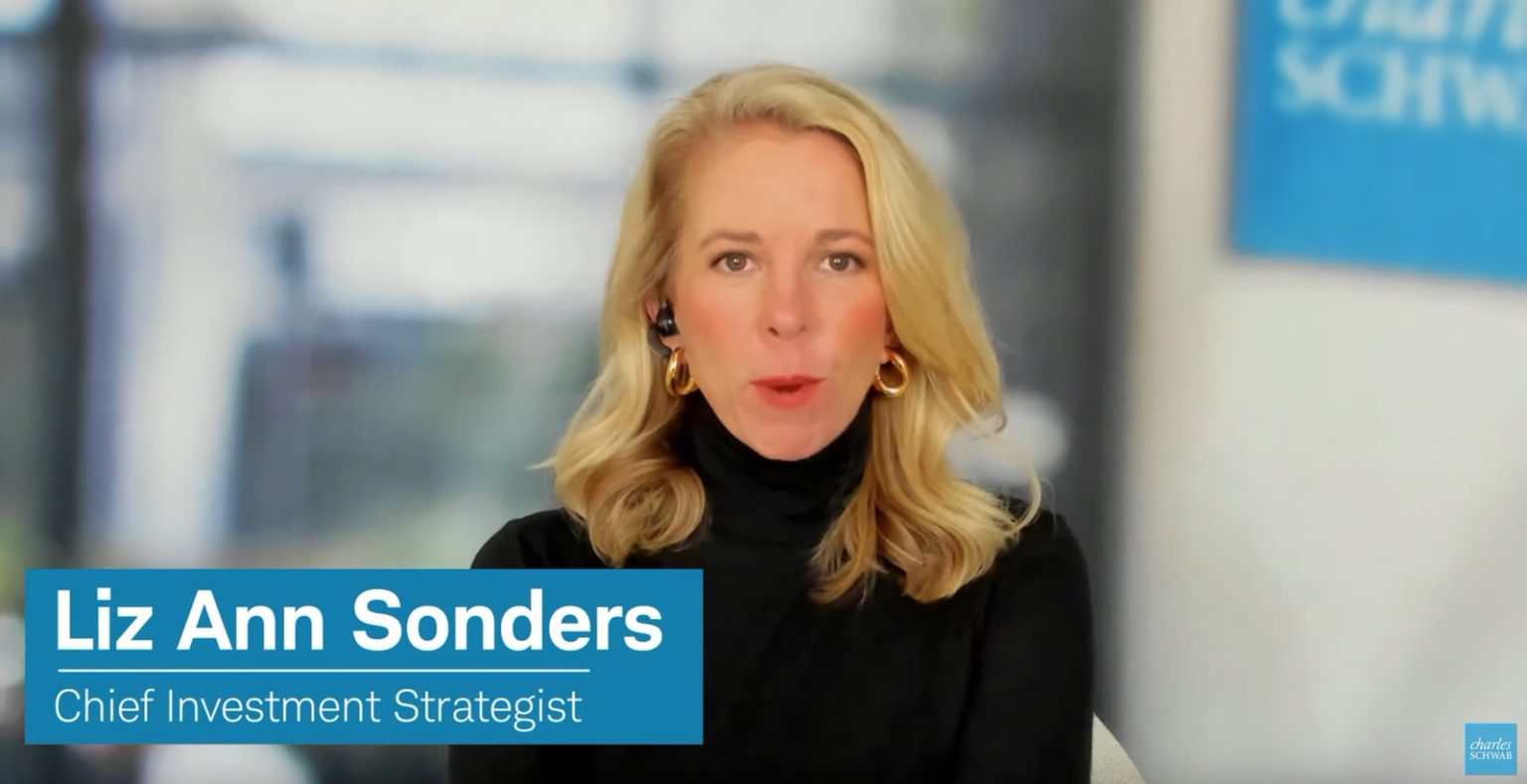
Analyzing Liz Ann Sonders: Professional Impact and Financial Context
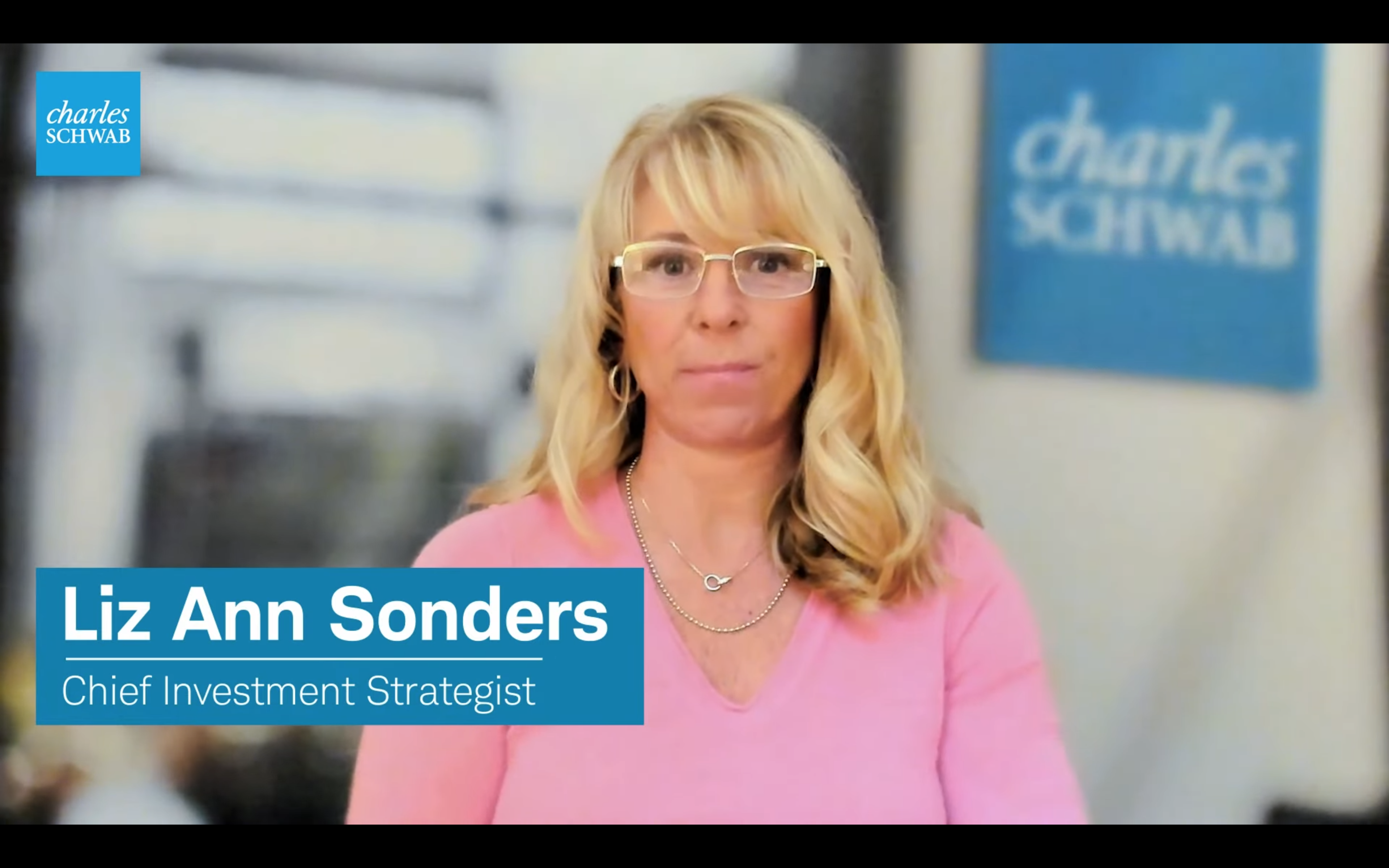
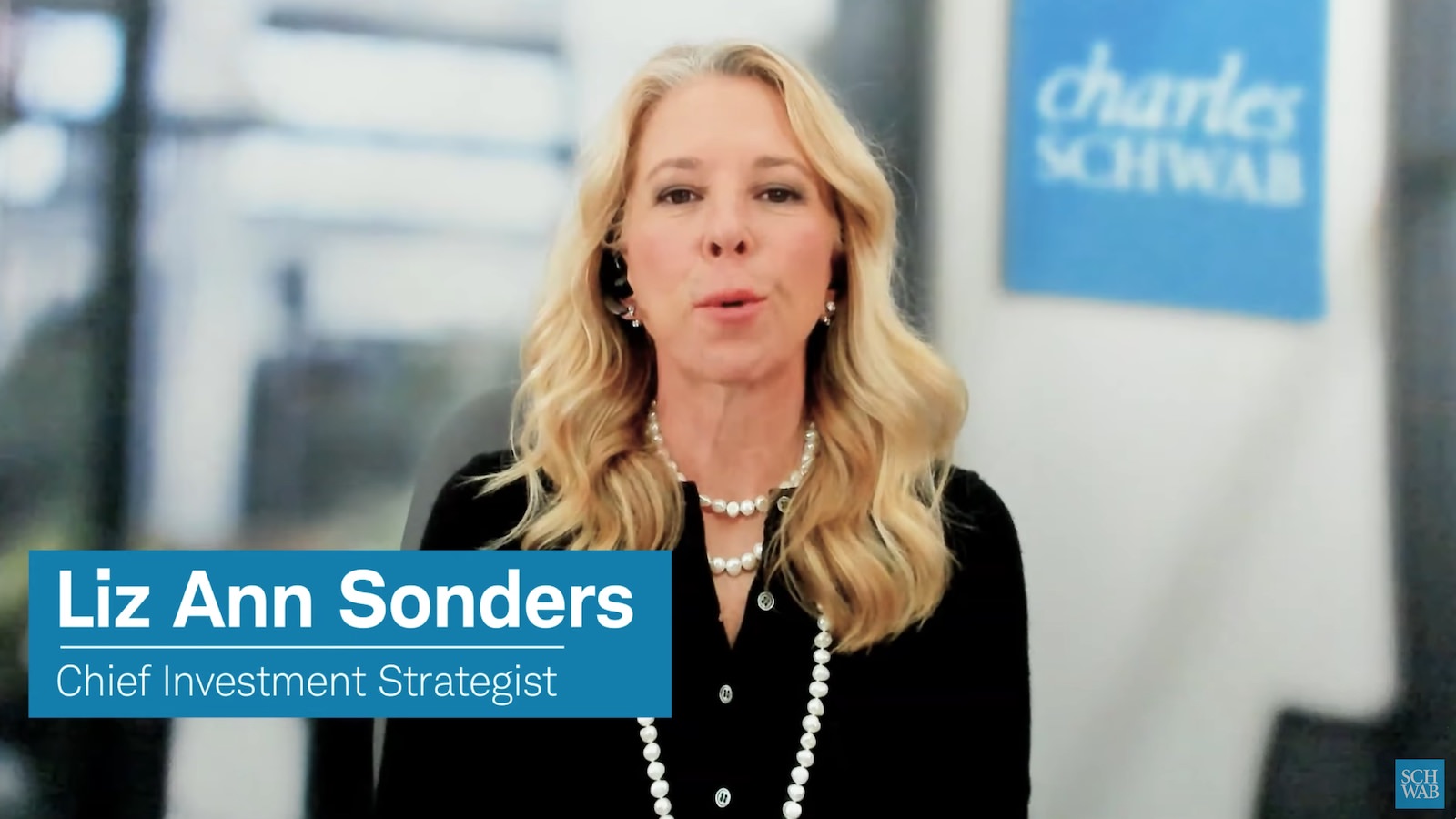
Liz Ann Sonders is widely recognized as one of the most influential voices in modern financial commentary, currently serving as a Managing Director and Chief Investment Strategist at Charles Schwab & Co., Inc. While public interest oft...
Liz Ann Sonders is widely recognized as one of the most influential voices in modern financial commentary, currently serving as a Managing Director and Chief Investment Strategist at Charles Schwab & Co., Inc. While public interest often centers on the net worth of prominent financial figures, Sonders’ professional standing is defined primarily by her leadership in macroeconomic analysis, market strategy, and investor education rather than public disclosures of personal wealth, which remain private.
Contents
The Professional Foundation of Liz Ann Sonders
In the world of finance, an individual’s influence is often measured by the weight of their analysis and the reach of their institutional platform. Liz Ann Sonders has built a multi-decade career as a cornerstone of Charles Schwab’s market intelligence team. Her role involves providing strategic analysis on economic trends, market fluctuations, and fiscal policies that affect retail and institutional investors alike.
Unlike celebrities or entrepreneurs whose wealth is tied to public company equity or exit events, Sonders is a high-level executive at a major financial institution. Her compensation structure, while consistent with the typical packages for C-suite and managing director-level executives at large publicly traded firms like Charles Schwab, is not a matter of public record. Because she is not a principal owner of the firm in a way that necessitates SEC-mandated wealth disclosures, any figures regarding her "net worth" circulating online are speculative and lack verifiable sources.
Defining Market Influence vs. Net Worth
When investors and observers search for the net worth of financial strategists, the intent often stems from a desire to validate the strategist's "success" or track record. In the financial sector, however, professional credibility is derived from:
- Institutional Reputation: Sonders has been a fixture at Charles Schwab since 2002. Her longevity at a firm managing trillions of dollars in client assets serves as an indicator of the trust placed in her analytical framework.
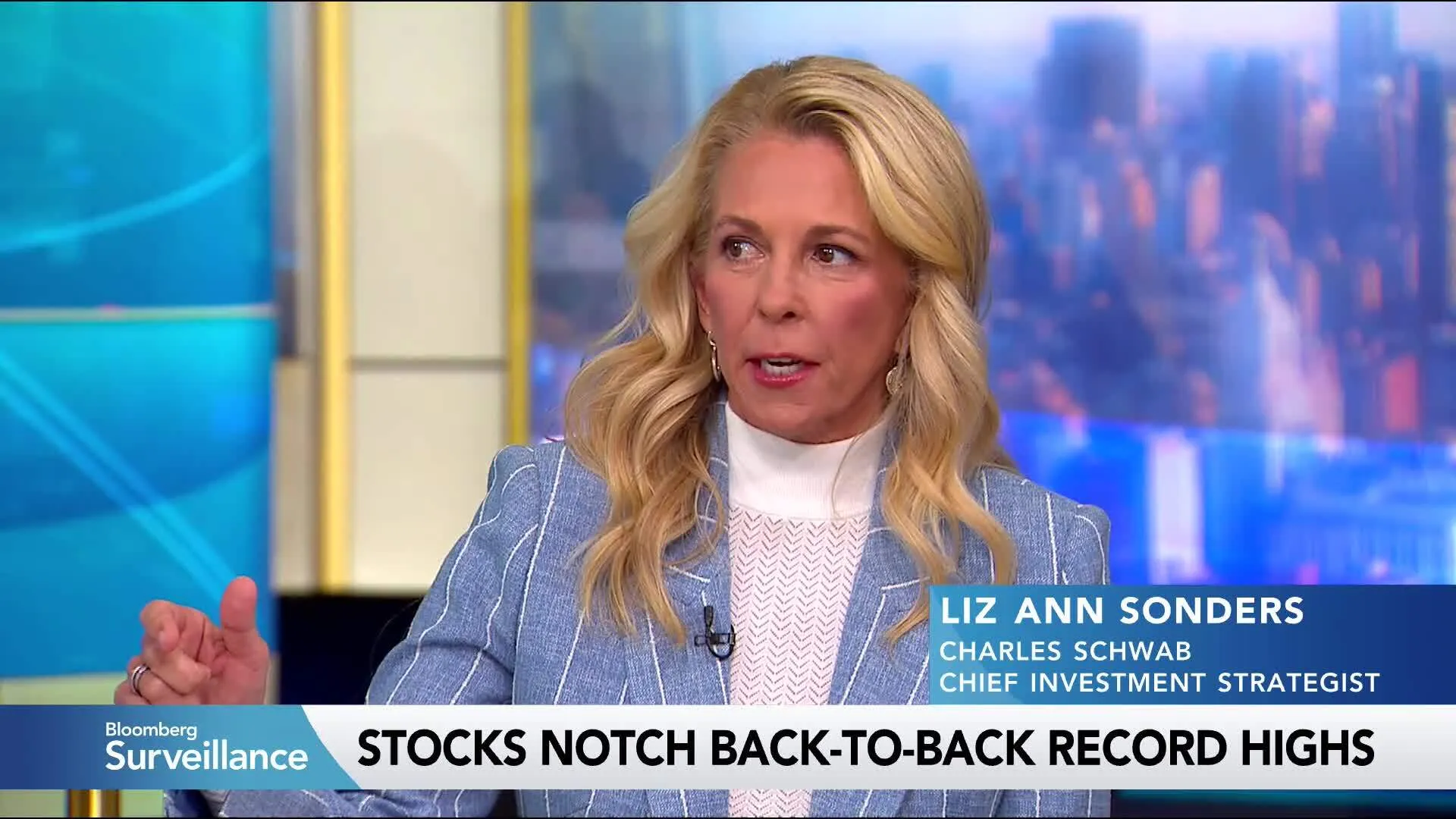
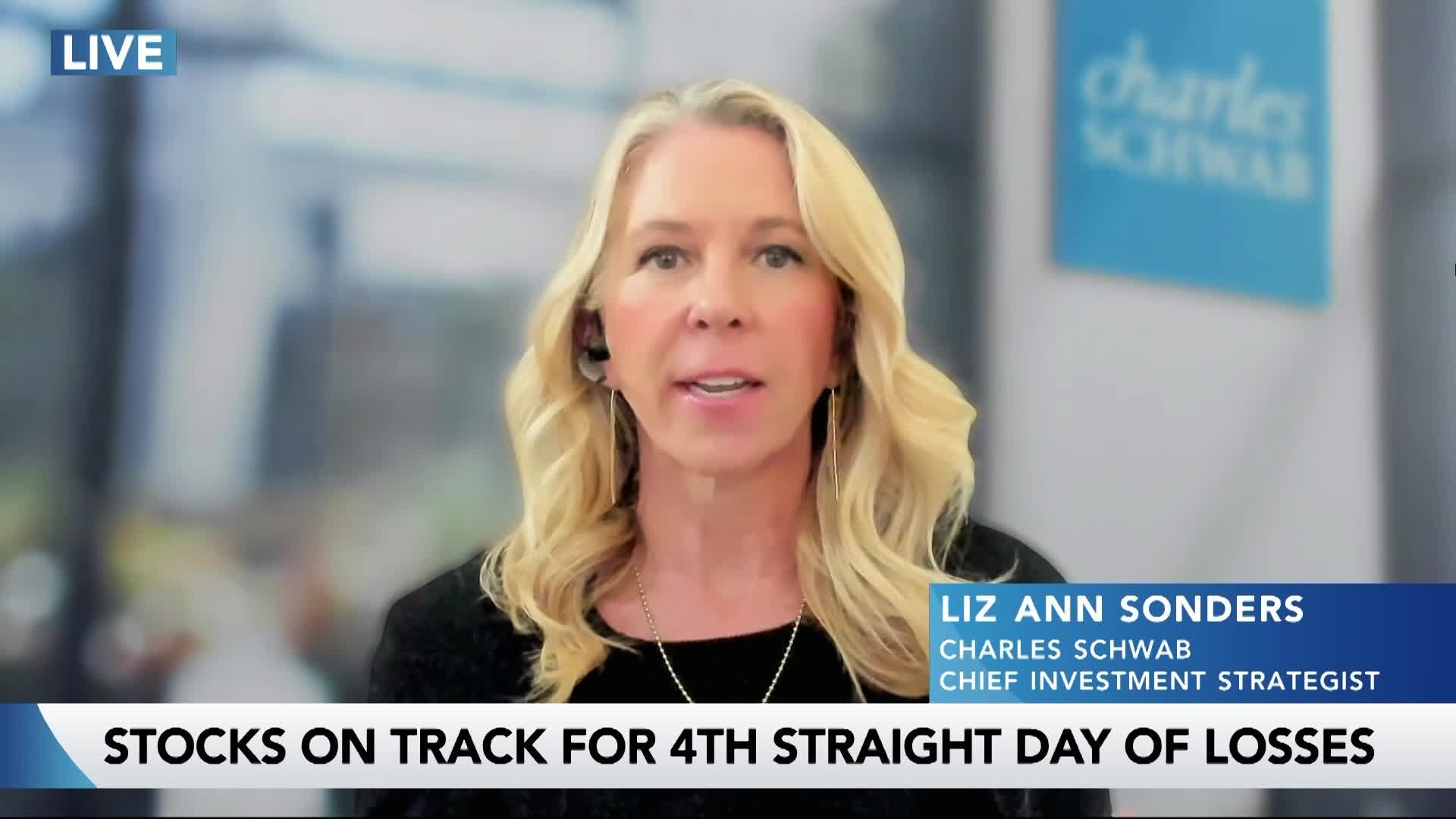
- Media Presence: She is a frequent contributor to major financial news networks, including CNBC, Bloomberg, and The Wall Street Journal. This visibility is a testament to the utility of her economic commentary.
- Educational Impact: A primary goal of her work is the demystification of complex economic data. By synthesizing labor market reports, inflation metrics, and central bank policies into actionable insights, she shapes the investment strategies of countless individual investors.
For those analyzing financial experts, it is essential to distinguish between public-facing wealth and professional expertise. A strategist's ability to navigate market cycles is a function of their training and institutional access, which are independent of their personal liquid assets.
Institutional Role and Financial Responsibility
As a Chief Investment Strategist, Sonders operates within a highly regulated environment. Her responsibilities include:
- Macroeconomic Interpretation: Translating high-level data from the Federal Reserve and international bodies into understandable market impact assessments.
- Asset Allocation Guidance: Providing frameworks that help investors understand the balance between equity, fixed income, and alternative assets.
- Risk Assessment: Evaluating the potential for market volatility and advising on long-term portfolio positioning.
Working for a major brokerage firm, her professional conduct is subject to strict FINRA (Financial Industry Regulatory Authority) and SEC (Securities and Exchange Commission) oversight. This environment prioritizes the fiduciary responsibilities of the institution and its senior leaders over the personal financial status of those leaders.
Comparative Perspective on Financial Strategists
To better understand where figures like Liz Ann Sonders fit into the broader financial landscape, it is helpful to compare the roles and visibility factors associated with various types of financial professionals.
| Professional Category | Primary Value Driver | Disclosure Expectations |
|---|---|---|
| Chief Investment Strategist | Analytical accuracy and foresight | Generally private; executive compensation |
| Hedge Fund Manager | Absolute returns and alpha generation | Disclosure required for public funds |
| Public Company CEO | Operational performance and share price | Required via SEC Proxy Statements |
| Independent Financial Author | Intellectual property and book sales | Dependent on personal branding |
As shown above, the "net worth" of a Chief Investment Strategist is rarely tracked or relevant to their market commentary. Unlike a hedge fund manager whose performance is measured in direct percentage gains or a CEO whose wealth is tied to stock options listed in a proxy statement, Sonders’ professional performance is measured by the accuracy and accessibility of her research.
Navigating Misinformation and Speculation
In the digital era, search engine results for terms like "net worth" are often populated by automated aggregators. These sites use algorithms to estimate wealth based on job titles, years in the industry, and average salaries for specific roles. It is important for readers to treat these estimates with extreme skepticism.
These platforms often fail to account for:
- Personal debt obligations.
- The specific structure of executive compensation packages (e.g., restricted stock units vs. cash bonuses).
- Personal investment choices, which are entirely separate from professional duties.
- Tax implications and philanthropic contributions.
Relying on such sources for an assessment of a financial expert's credibility is fundamentally flawed. Instead, a more constructive approach is to evaluate the consistency of their market calls, the transparency of their methodologies, and their historical contributions to investor literacy.
Frequently Asked Questions
Is Liz Ann Sonders a billionaire? There is no evidence or credible reporting to suggest that Liz Ann Sonders is a billionaire. Most public financial experts, even those in high-ranking positions at large financial institutions, do not reach the net worth levels of private equity firm founders or technology entrepreneurs.
Where does Liz Ann Sonders work? She is a Managing Director and Chief Investment Strategist at Charles Schwab & Co., Inc. She has held this position for over two decades and remains a central figure in the firm's economic research and market strategy departments.
How is a strategist’s success measured? Success for a market strategist is measured by the quality of their insights, the accuracy of their economic projections, their ability to remain objective during periods of market volatility, and their effectiveness in communicating complex financial concepts to the public.
Are there public records of Liz Ann Sonders’ salary? No. As a senior executive at a large firm, her compensation is part of the corporate structure but is not required to be disclosed to the public, as she is not one of the "named executive officers" typically detailed in a company's annual proxy statement filing.
Why is there so much interest in the net worth of financial analysts? The interest is often a byproduct of a desire to see if an expert "practices what they preach." However, in professional finance, the value an expert provides is their specialized knowledge and institutional perspective, which remains valid regardless of their personal net worth.
Next Steps for Financial Research
For those interested in the professional contributions of Liz Ann Sonders, the most reliable information is found through primary sources rather than wealth-tracking websites. If you are researching her views to inform your own investment strategy, consider the following actions:
- Review Official Publications: Visit the Charles Schwab "Insights" section, where Sonders regularly publishes commentaries. These documents provide the most accurate representation of her current market stance.
- Follow Institutional Analysis: Pay attention to the periodic market outlook reports provided by her team, which offer detailed data points on interest rates, inflation, and equity markets.
- Focus on Methodology: Read her explanations of how she interprets economic indicators. Understanding the process behind her conclusions is significantly more valuable to an investor than knowing her personal net worth.
By prioritizing professional analysis over speculative financial data, you can better leverage the expertise of industry leaders to inform your own financial decision-making process.
Image Gallery