A Comprehensive Guide to the World’s Ugliest Dog Competition
The World’s Ugliest Dog Competition is an annual event held at the Sonoma-Marin Fair in Petaluma, California, celebrating the unique beauty of dogs that defy traditional canine aesthetics. The competition focuses on "inner beauty" and...
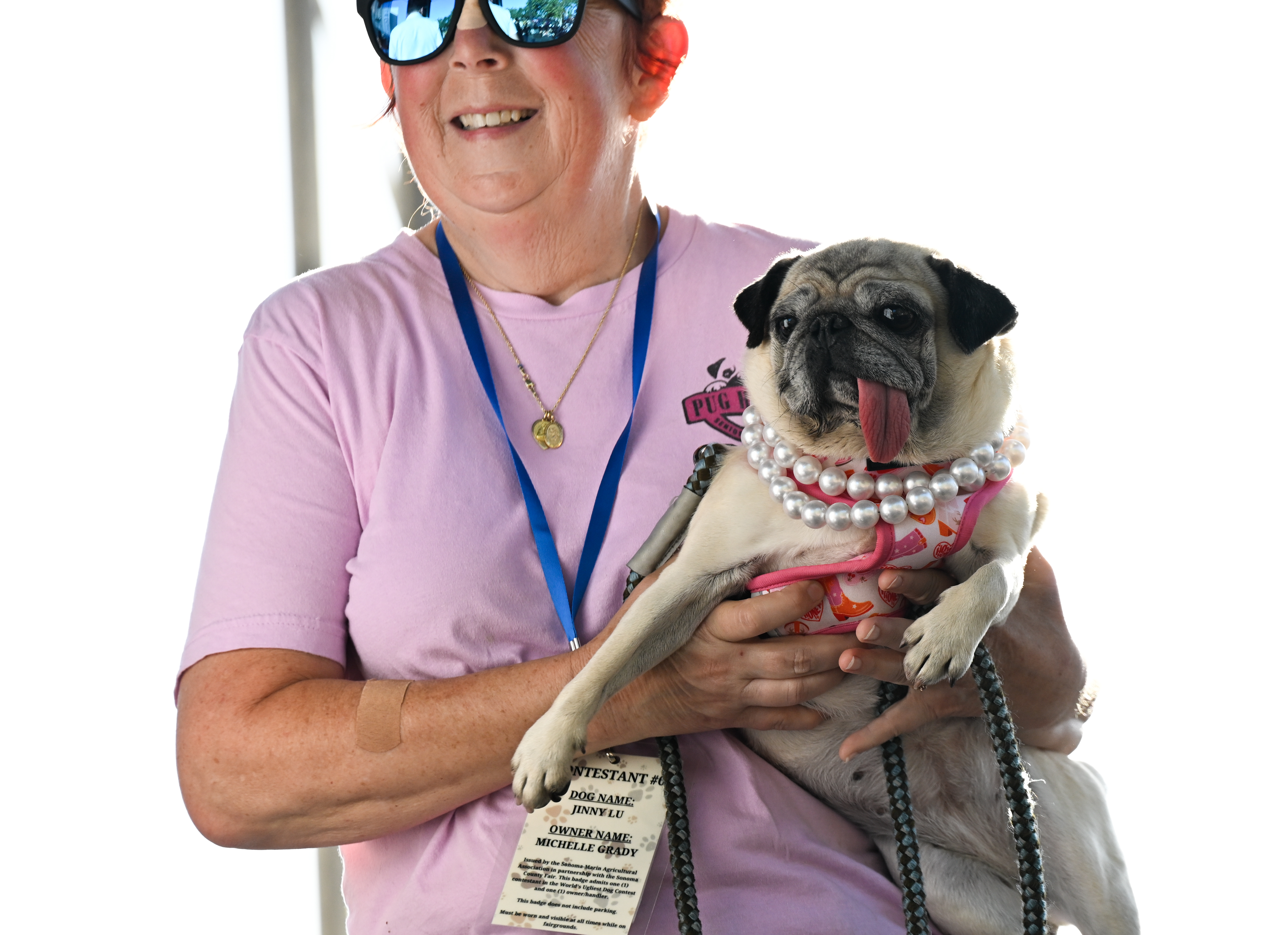
The World’s Ugliest Dog Competition is an annual event held at the Sonoma-Marin Fair in Petaluma, California, celebrating the unique beauty of dogs that defy traditional canine aesthetics. The competition focuses on "inner beauty" and personality, promoting the message that all dogs—regardless of their physical quirks, hairlessness, or unconventional features—deserve love and a forever home.
Contents
The Origins and Philosophy of the Competition
The World’s Ugliest Dog Competition has become a cultural phenomenon, tracing its roots back several decades. Unlike conventional dog shows that emphasize strict breed standards, symmetry, and performance, this competition celebrates the unconventional. The event serves as a counter-narrative to the prestige-heavy world of professional dog showing, shifting the focus toward rescue animals, seniors, and those with unique physical traits.
The core philosophy of the event is advocacy. Many of the dogs that compete are rescue dogs or have been adopted from shelters. By showcasing these dogs, the event highlights the reality that health issues or physical deformities do not diminish a pet’s capacity for companionship. The organizers prioritize the welfare of the animals throughout the event, ensuring that the dogs are handled with care and that their participation is stress-free.
Understanding Eligibility and Entry Requirements
To participate in an official capacity at the Sonoma-Marin Fair, prospective entrants must adhere to strict guidelines. While the competition is lighthearted, it is governed by logistical requirements designed to protect the animals and ensure a smooth event flow for organizers and attendees.
- Animal Welfare: All dogs must be in good health. The competition is not a place for animals suffering from active pain or medical distress. Owners are often required to provide proof of current vaccinations.
- Registration: Entries typically open several months before the event. Applicants must submit photographs, a brief biography detailing the dog's rescue story or unique personality traits, and contact information.
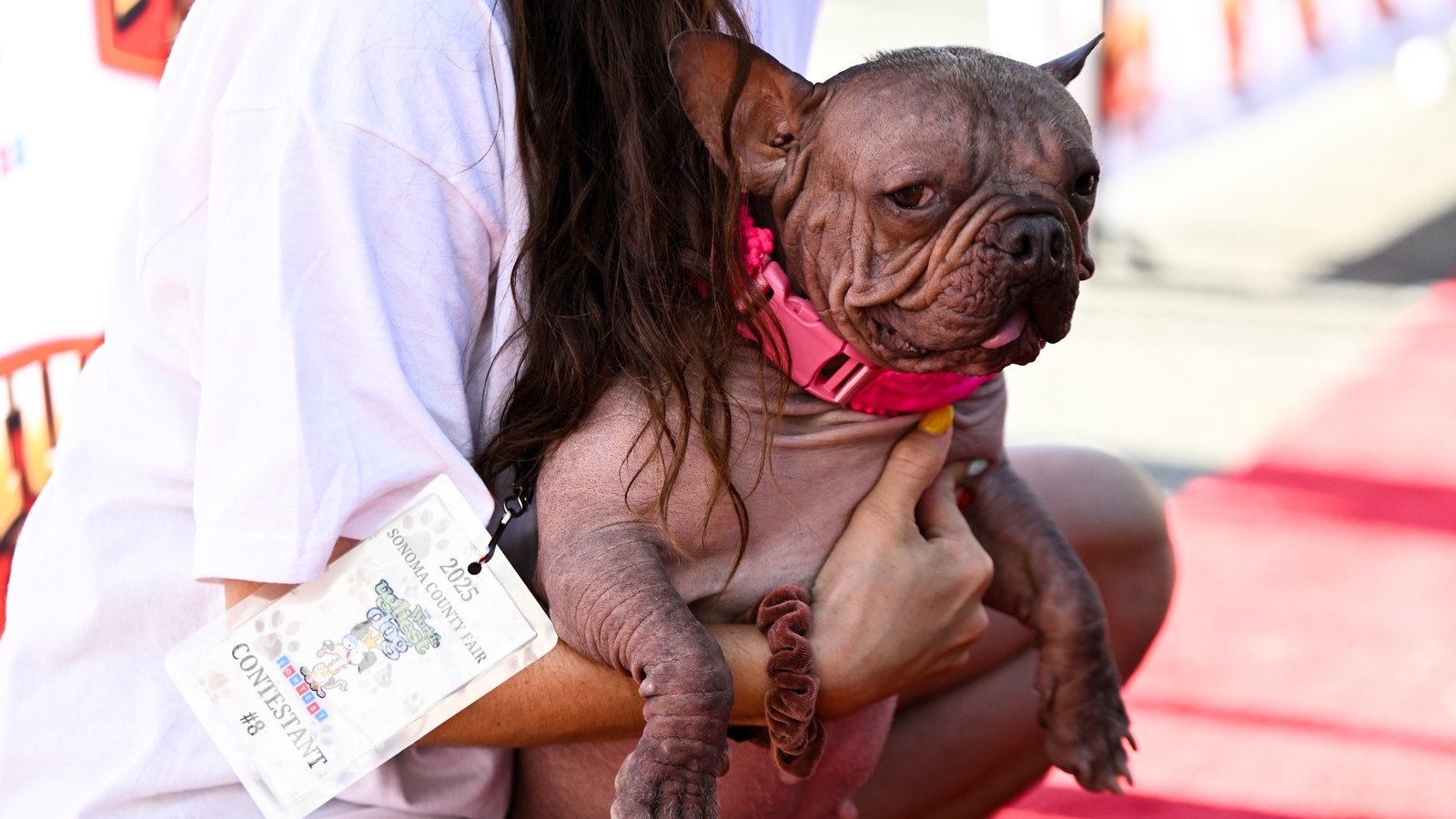
- The Selection Process: Because the volume of applicants can be high, organizers perform an initial screening. They look for "ugly" traits—such as hairlessness, crooked teeth, or unique facial structures—but also for a compelling story that resonates with the audience.
- Attendance: Owners must be prepared to travel to Petaluma, California. The commitment involves not just the stage walk but potentially pre-event interviews and media appearances.
What Judges Look For on Stage
When the dogs take the stage, the judging panel—which usually consists of local celebrities, veterinarians, and animal advocates—looks for specific characteristics. It is important to note that the competition is subjective and relies on a blend of visual impact and showmanship.
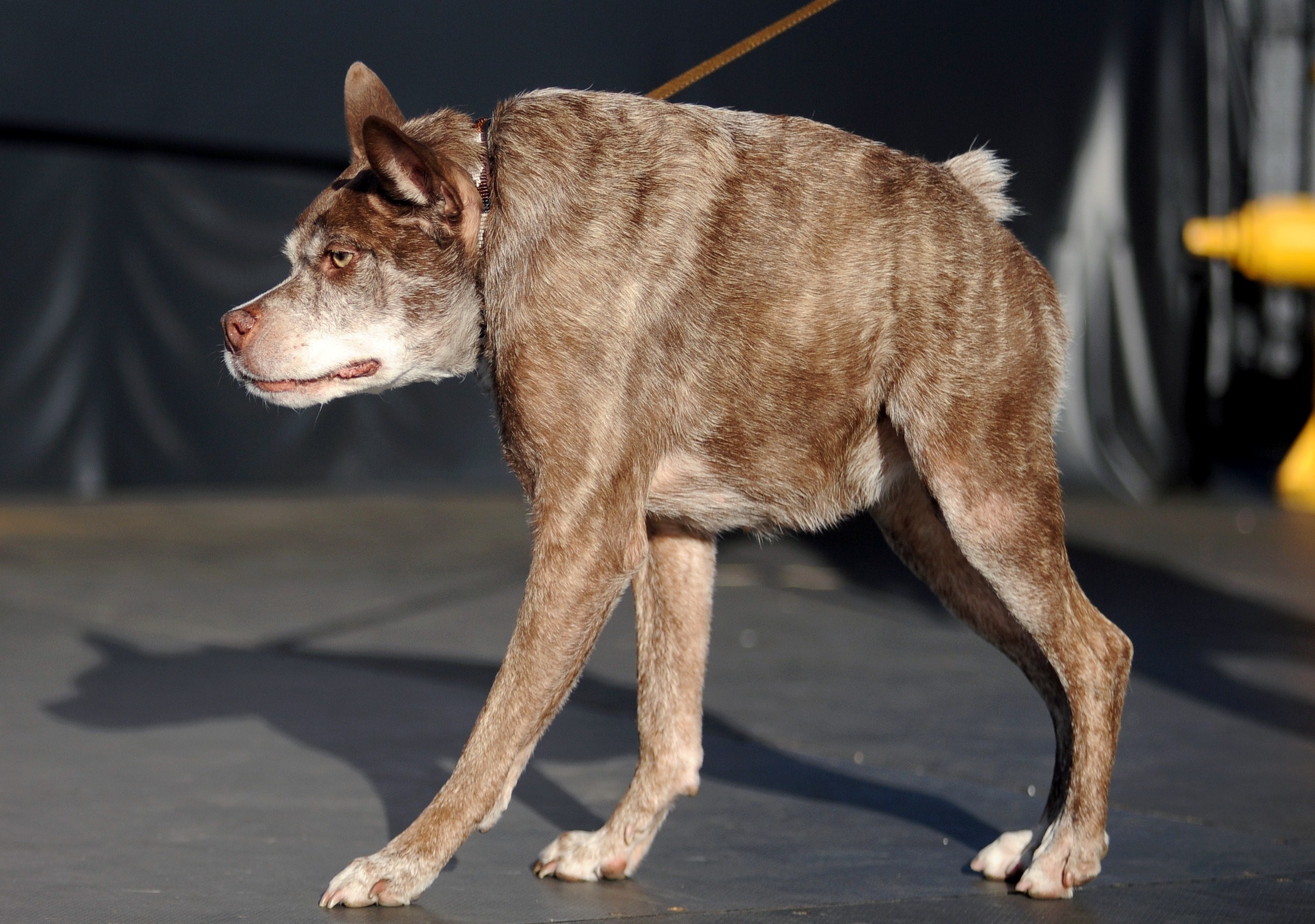
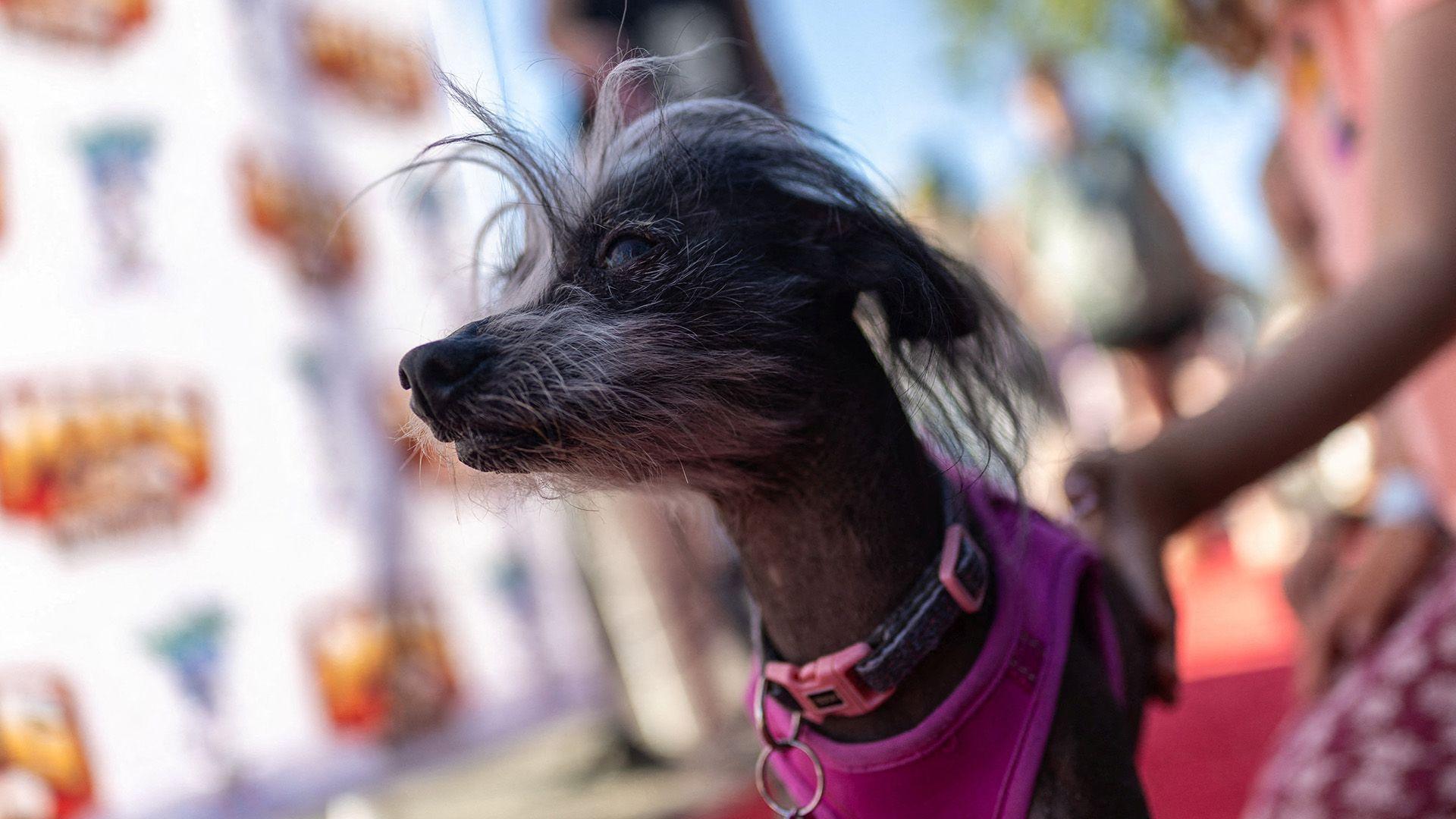
- First Impression: The immediate visual reaction to the dog's features. This could include a protruding tongue, unusually large or small eyes, or distinct coat patterns (or lack thereof).
- Personality and Spirit: A dog that interacts happily with the crowd or the owner often scores higher. The judges look for dogs that seem "proud" of their appearance.
- The "X" Factor: Many winners are chosen because they possess a distinct, memorable look that is difficult to describe but impossible to forget.
- The Backstory: The narrative of the dog’s life—how they were rescued and how they have overcome adversity—is a significant part of the total score.
Comparison of Canine Competition Standards
To understand where this event fits in the broader world of canine gatherings, it is helpful to compare it to standard kennel club exhibitions.
| Feature | World’s Ugliest Dog Competition | Traditional Kennel Club Show |
|---|---|---|
| Criteria | Uniqueness, personality, "ugly" features | Breed standards, gait, symmetry |
| Eligibility | Open to all, including mixed breeds | Limited to registered purebreds |
| Tone | Humorous, advocacy-focused, casual | Formal, competitive, disciplined |
| Primary Goal | Celebrating rescue and inner beauty | Promoting breed standard preservation |
| Winner Recognition | Global viral media attention | Championship titles and pedigrees |
The Impact of Advocacy and Adoption
One of the most meaningful outcomes of the World’s Ugliest Dog Competition is the influence it exerts on pet adoption trends. By presenting "unconventional" dogs as celebrities, the event helps normalize the adoption of senior dogs and animals with special needs. Potential pet owners who might have bypassed a dog with a missing eye or an overbite at a shelter may, after seeing a champion of this competition, be more open to adopting an animal that does not look "perfect."
Furthermore, the event frequently raises funds for animal welfare organizations. The influx of media attention helps bring awareness to the Petaluma area and provides a platform for local shelters to showcase adoptable pets.
Common Mistakes for Aspiring Contestants
If you are considering entering your dog in a future competition, avoid these common errors:
- Over-grooming: Do not try to make your dog look "fancy." The competition celebrates the natural look. Grooming should be minimal and focused on hygiene rather than aesthetic alteration.
- Ignoring Health: Never enter a dog that is stressed by crowds or travel. The welfare of the animal is paramount, and organizers will disqualify any entry that shows signs of distress.
- Lack of Narrative: If you do not provide a detailed, authentic story about your dog’s rescue or personality, you may struggle to connect with the judges and the audience, regardless of how "ugly" the dog may appear.
- Inconsistent Documentation: Ensure all vaccination and health records are digitized and ready for submission. Missing paperwork is a common reason for application rejection.
Essential Tips for Success
To maximize your chances of success, focus on the "storytelling" aspect of your entry. Judges are human, and they respond to emotional connections. If your dog has a unique way of walking, a particular sound they make, or a history of surviving a difficult situation, highlight these attributes clearly in your application biography. Additionally, practice having your dog on a leash in loud, busy environments. The stage environment can be bright and noisy, and a dog that remains calm and affectionate under these conditions is much more likely to leave a positive impression.
Frequently Asked Questions
Are only certain breeds allowed to compete? No, the competition is inclusive. Mixed breeds are often the most successful, as their genetic variety can lead to the unique physical combinations that make them strong candidates.
Is there an entry fee to participate? Typically, there is no entry fee to compete, but participants are responsible for their own travel and accommodation costs in Petaluma. Always check the official Sonoma-Marin Fair website for the most current rules.
Do the dogs have to be rescues? While many participants are rescues, it is not an absolute requirement. However, the event’s mission is strongly aligned with animal rescue advocacy, so the vast majority of competitors are rescues.
Is this event considered harmful to the animals? The organizers implement strict welfare protocols. The dogs are not being laughed at; they are being celebrated for their unique beauty. Judges and handlers monitor the dogs closely for any signs of fatigue or stress.
What do the winners actually receive? Winners typically receive a trophy, a cash prize, and significant media exposure, which often leads to appearances on television programs or in news segments, helping to further the cause of animal adoption.
Recommendation for Future Participants
If you have a dog that you believe has what it takes to be crowned the next champion, start by documenting their daily life and personality quirks on social media. This builds a digital trail that can support your application. Monitor the official Sonoma-Marin Fair website starting in early spring for announcement dates regarding applications and event schedules. Focus on the joy your pet brings to your life—that is the most important trait a contestant can possess.
Image Gallery