Understanding How Apple Products Are Manufactured: A Global Supply Chain Overview
Apple utilizes a sophisticated, highly integrated global supply chain to manufacture its hardware, leveraging a model where it designs products in California while contracting assembly to third-party partners. This process relies on a...
Apple utilizes a sophisticated, highly integrated global supply chain to manufacture its hardware, leveraging a model where it designs products in California while contracting assembly to third-party partners. This process relies on a complex network of thousands of suppliers across various countries, ensuring that components like semiconductors, displays, and sensors are sourced, assembled, and distributed to meet global demand for high-end consumer electronics.
Contents
The Apple Manufacturing Model: Design vs. Assembly
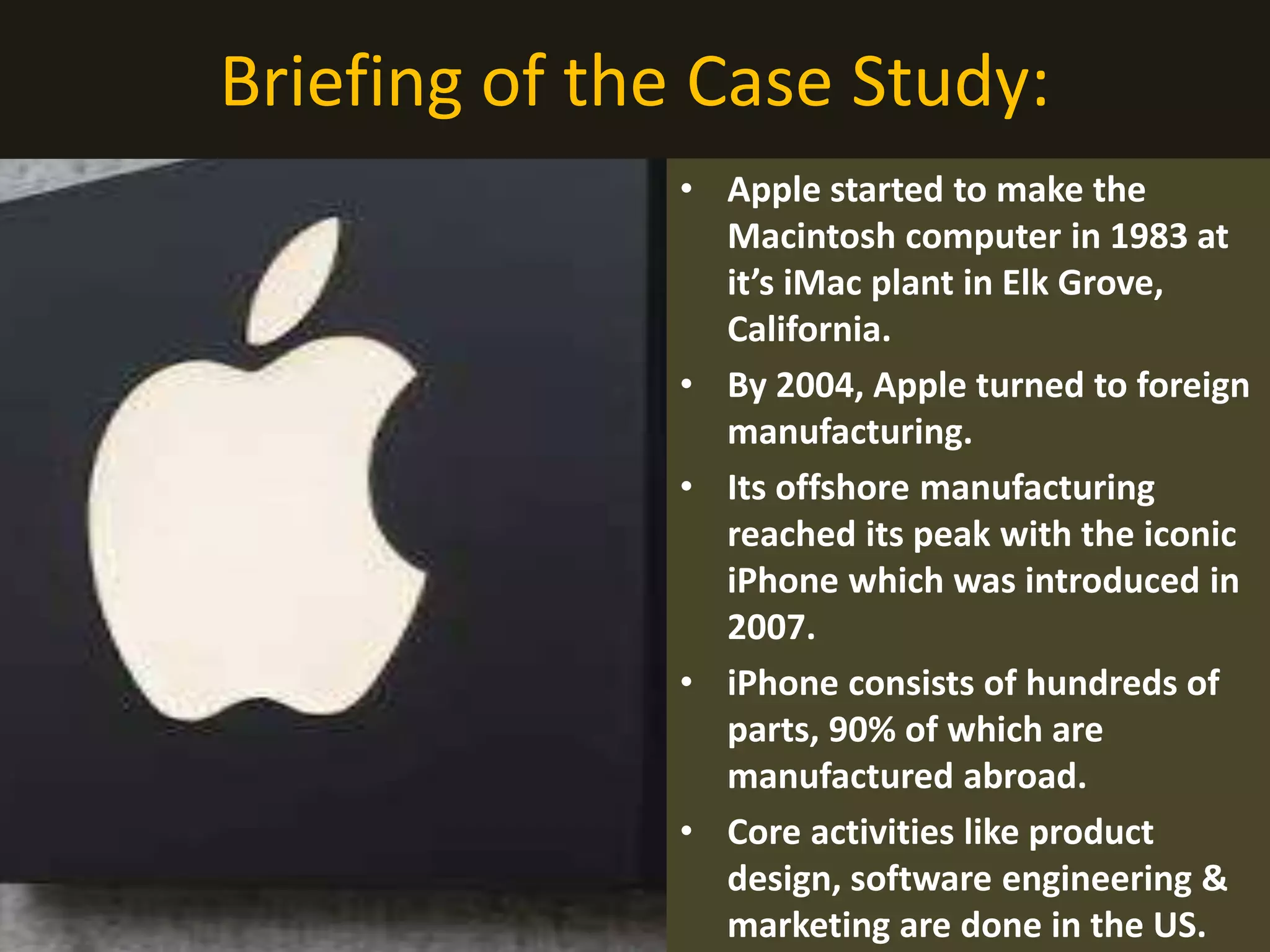
Apple Inc. is fundamentally a design-led company. While the engineering, software development, and industrial design occur at its headquarters in Cupertino, California, the actual physical assembly of devices such as the iPhone, iPad, and MacBook occurs almost exclusively through contract manufacturers. This strategy, often referred to as a "fabless" or outsourced manufacturing model, allows Apple to focus on research and development while offloading the intensive capital requirements of running massive factory floors.
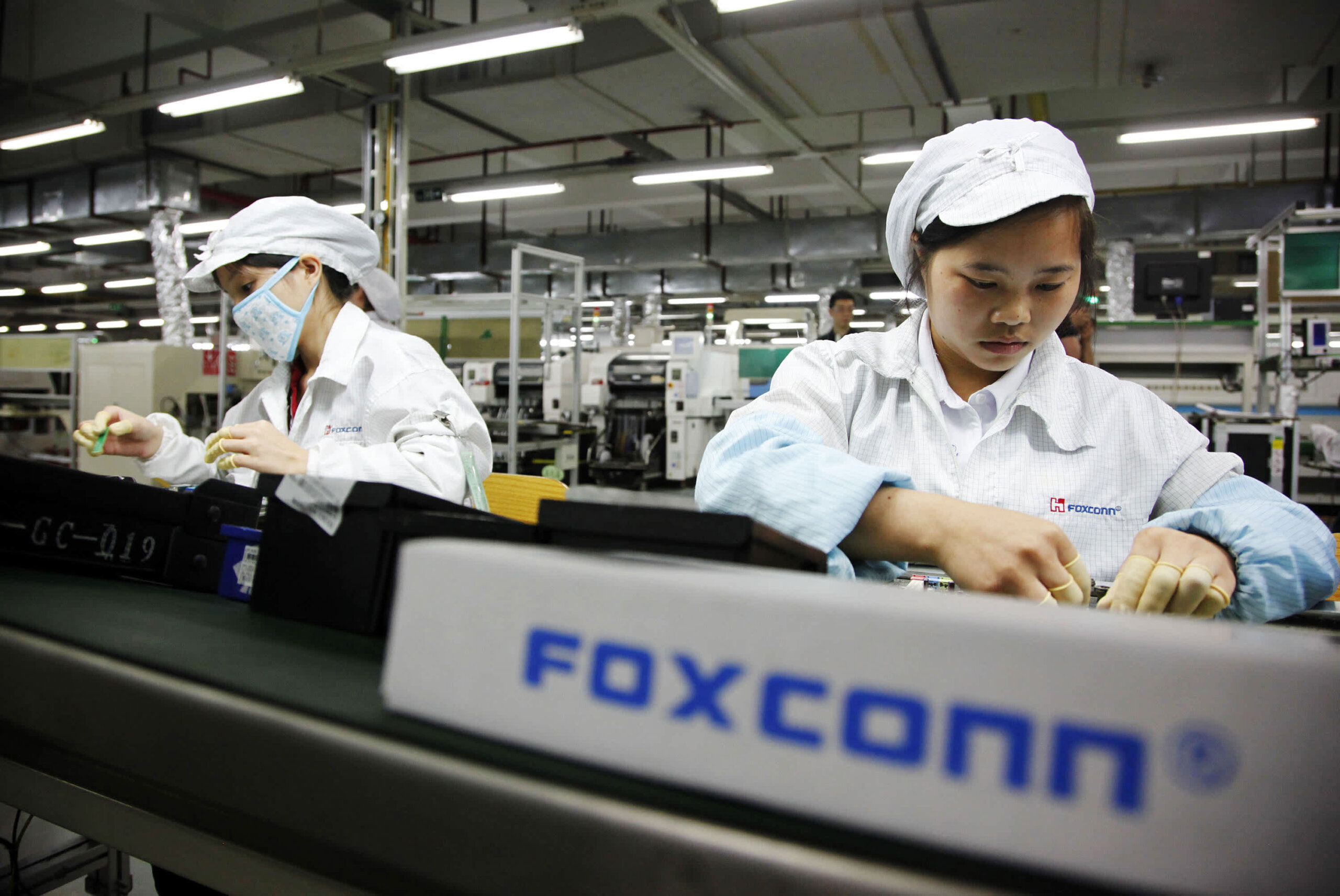
The primary partners involved in this process are firms often called Original Equipment Manufacturers (OEMs) or Electronics Manufacturing Services (EMS). Companies like Foxconn (Hon Hai Precision Industry), Pegatron, and Wistron serve as the cornerstone of this ecosystem. These firms provide the specialized labor, physical facilities, and local supply chain logistics necessary to produce millions of units with extreme precision.
Global Supply Chain Logistics and Component Sourcing
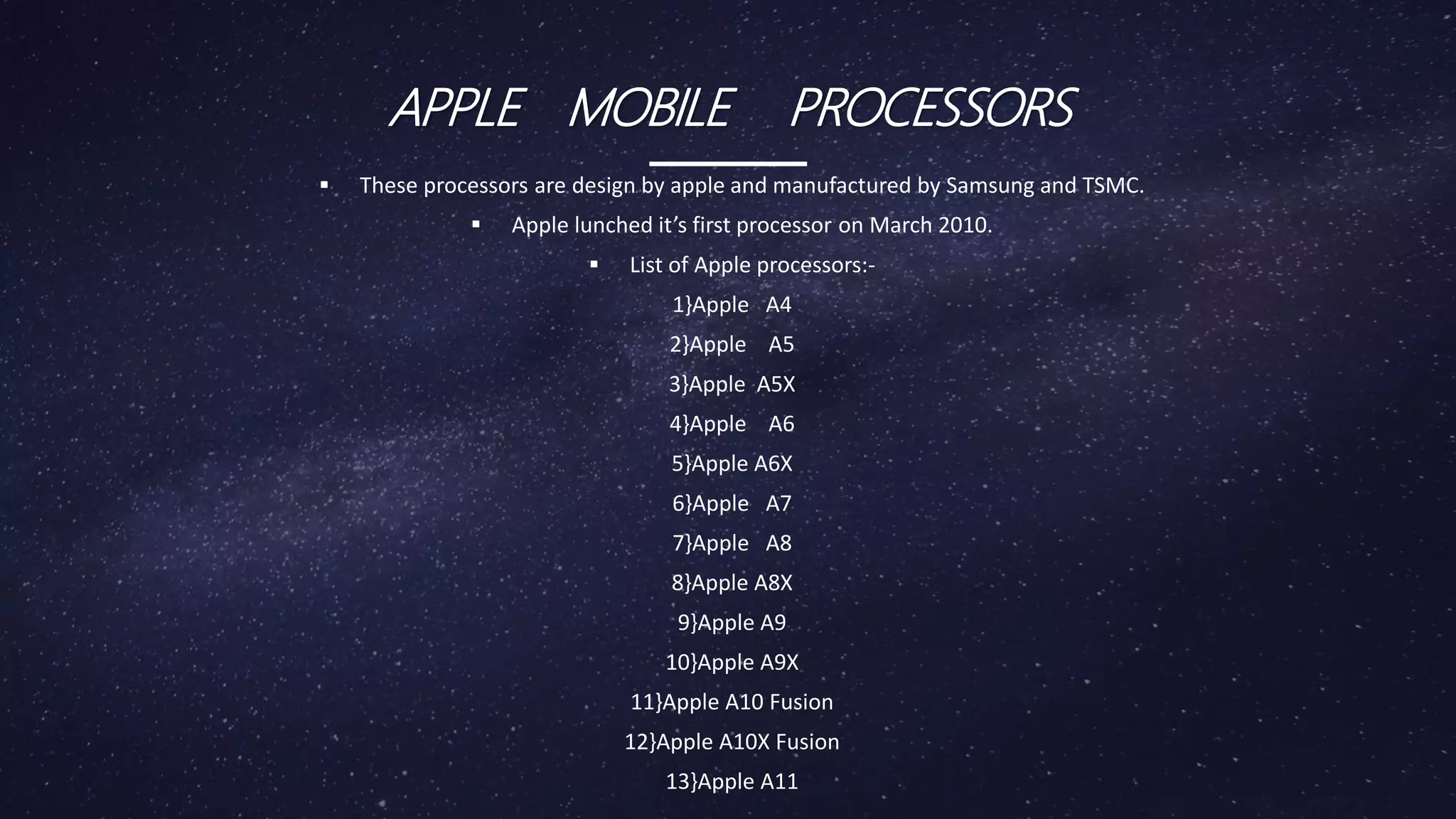
The "Apple manufactured" label is somewhat of a misnomer if interpreted as local production. In reality, a single device involves components from dozens of countries. A modern iPhone, for instance, contains a sophisticated System-on-Chip (SoC) designed by Apple, which is fabricated by foundries such as TSMC in Taiwan. Displays may come from manufacturers in South Korea or Japan, while battery technology and various passive components are sourced from specialized vendors across Southeast Asia, Europe, and the United States.
Managing this network requires meticulous oversight. Apple maintains strict quality control guidelines that its partners must follow. This includes:
- Vertical Integration of Design: Apple engineers specify exact materials and manufacturing processes, often providing the custom machinery required for production.
- Supply Chain Auditing: Apple conducts regular assessments of its suppliers to ensure compliance with its "Supplier Code of Conduct," which covers labor rights, environmental standards, and workplace safety.
- Strategic Diversification: In recent years, Apple has actively sought to diversify its geographic footprint, moving beyond its traditional concentration in China by increasing production capacity in countries like India and Vietnam. This shift is intended to mitigate supply chain risks related to geopolitical instability and logistics bottlenecks.
Comparison of Manufacturing Partnerships and Regions
The following table outlines the roles and regional focus of key entities within Apple’s current production landscape.
| Entity Type | Primary Role | Key Regions | Strategic Importance |
|---|---|---|---|
| System Integrators | Final assembly of finished goods | China, India, Vietnam | High-volume production capability |
| Silicon Foundries | Fabrication of custom SoCs | Taiwan | Advanced node architecture access |
| Display Suppliers | OLED/LCD panel production | South Korea, China | Visual quality and power efficiency |
| Battery Manufacturers | Power cell production | China, USA, Korea | Regulatory compliance and capacity |
Environmental and Ethical Standards in Manufacturing
Apple’s approach to manufacturing is heavily influenced by its "Apple 2030" initiative, which aims to make the entire supply chain carbon neutral by the year 2030. This mandate requires manufacturing partners to transition to renewable energy sources, minimize water waste, and eliminate materials deemed hazardous or environmentally damaging.
The company also enforces strict labor standards. Through its annual "Supplier Responsibility Progress Report," Apple documents audits of its contractors. These audits address issues ranging from fair wages and working hours to the prevention of forced labor. Because manufacturing is inherently a human-capital-intensive process, these safeguards are critical to Apple’s brand reputation and legal compliance in international markets.
Challenges in Scaling Production
Scaling the manufacture of new technology poses significant technical hurdles. When a new device enters the manufacturing phase—often referred to as New Product Introduction (NPI)—Apple engineers work directly on the factory floor alongside contract staff. This ensures that the transition from a prototype to mass production does not result in yield loss.
One of the most persistent challenges is managing the volatility of raw material prices and logistics costs. During periods of global economic fluctuations, the cost of lithium, cobalt, and copper—essential for batteries and internal circuitry—can shift rapidly. Apple leverages its massive purchasing power to enter long-term agreements with material suppliers, stabilizing costs and ensuring a consistent supply of components regardless of market volatility.
Common Questions Regarding Apple Manufacturing
1. Are all Apple products manufactured in China? No. While China remains the largest hub for Apple’s final assembly, Apple has significantly diversified its manufacturing base. As of 2026, a growing percentage of iPhones are assembled in India, and the production of various accessories and older iPad models has expanded to Vietnam and other Southeast Asian countries.
2. Does Apple own its factories? Generally, no. Apple operates using an outsourced manufacturing model. The company owns the intellectual property, designs, and specialized production equipment, but the actual factory facilities and the majority of the workforce are managed by third-party contractors like Foxconn.
3. How does Apple ensure the quality of products made by third parties? Apple maintains a resident engineering team at the manufacturing sites. These engineers oversee the production line to ensure that every unit meets the company's precise engineering specifications, rigorous testing protocols, and cosmetic standards.
4. What is the role of the Apple Supplier Code of Conduct? The Code of Conduct is a mandatory set of requirements for all suppliers. It defines the minimum standards for legal compliance, labor rights, safety, and environmental impact. Suppliers who fail to meet these standards are subject to corrective action plans or, in severe cases, termination of their contracts.
5. How does Apple handle the environmental impact of its manufacturing? Apple mandates that its manufacturing partners transition to 100% renewable electricity. Additionally, they have programs focused on the circular economy, such as recovering rare earth elements from recycled devices to use in new manufacturing cycles.
Next Steps for Understanding Supply Chain Operations
For those looking to track specific developments in Apple’s production, the most reliable data is found in Apple’s official environmental and supplier responsibility reports. These documents provide granular detail on regional changes and sustainability targets. If you are researching supply chain resilience for business purposes, focus on the "Apple 2030" framework, as it serves as the primary driver for all current and future capital investments in the company’s manufacturing operations.
Image Gallery