Active Transport Examples: Biological Mechanisms and Cellular Function
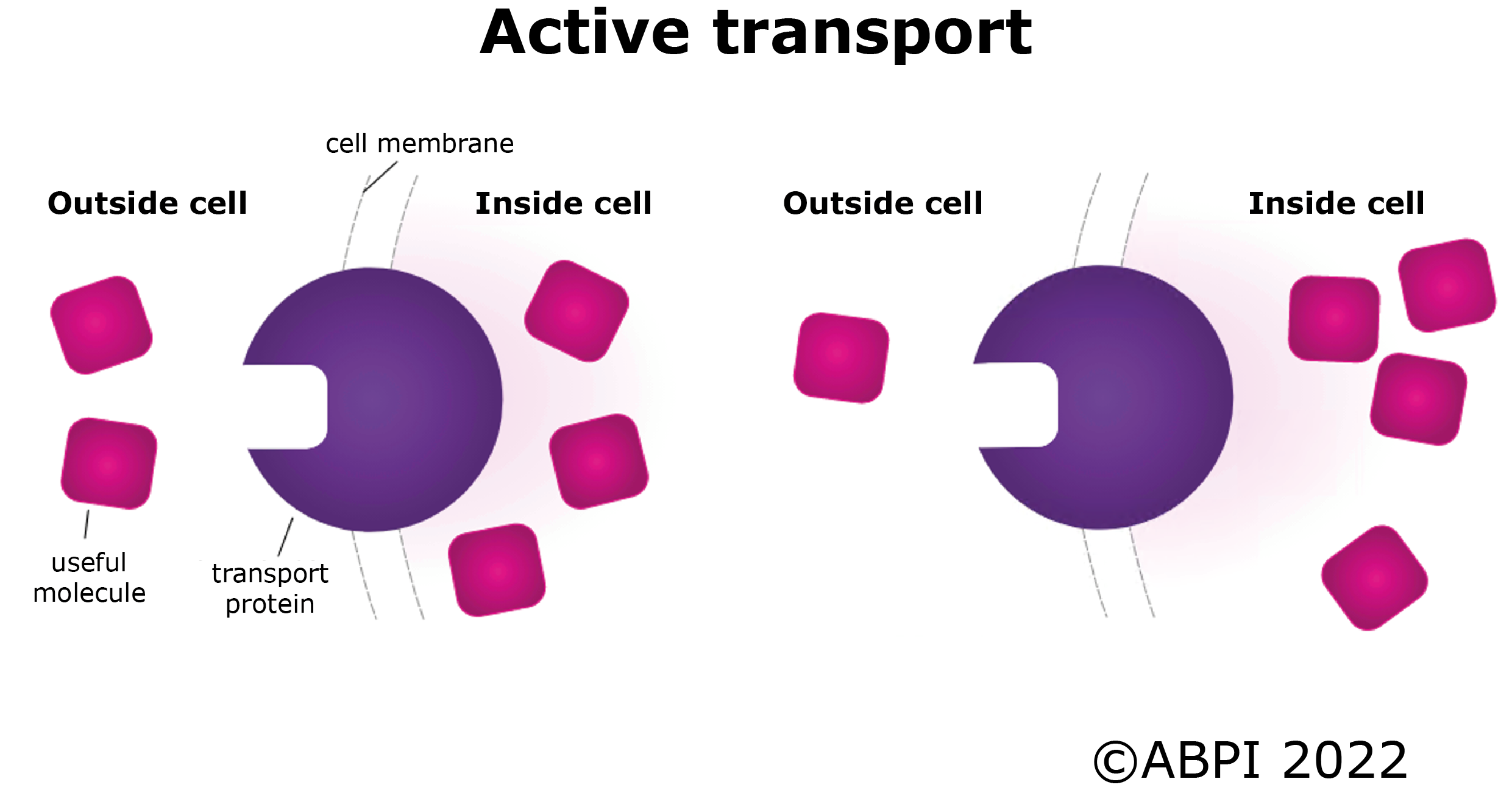
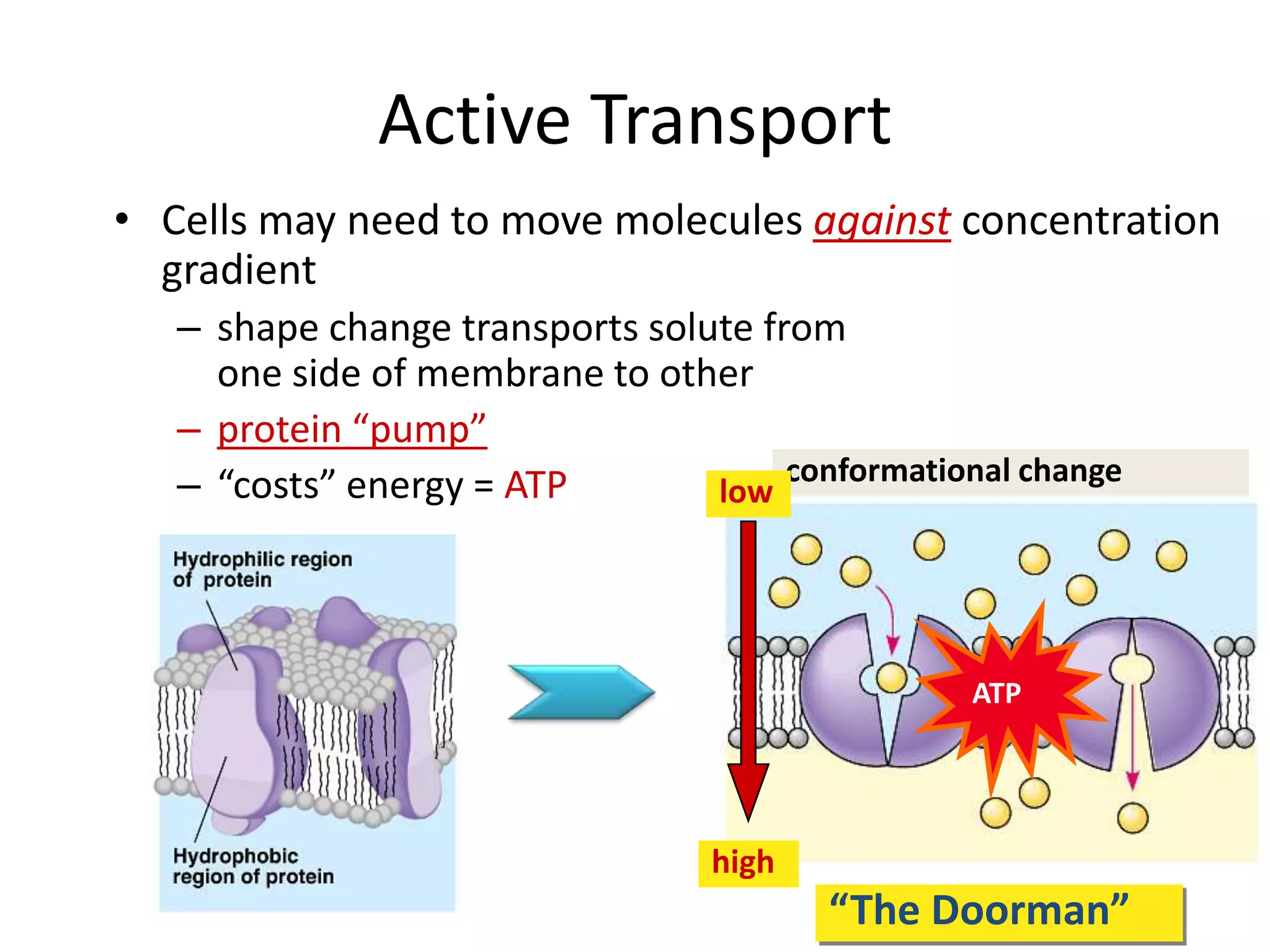
Active transport is a vital physiological process in which cells move molecules across a membrane against their concentration gradient—from an area of lower concentration to an area of higher concentration. This movement requires cellu...
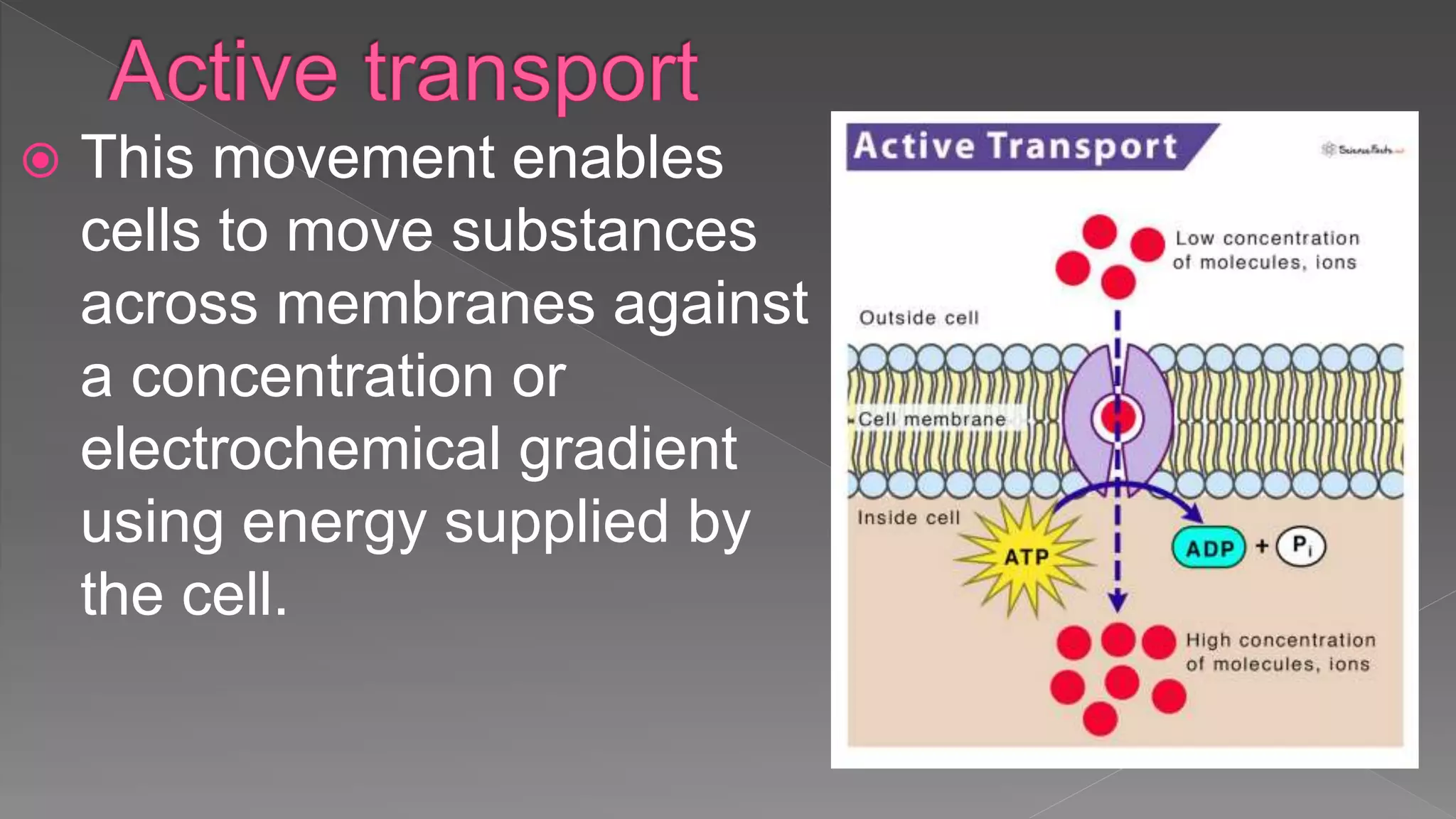
Active transport is a vital physiological process in which cells move molecules across a membrane against their concentration gradient—from an area of lower concentration to an area of higher concentration. This movement requires cellular energy, typically derived from adenosine triphosphate (ATP), to power specific protein pumps and transporters that maintain essential chemical imbalances within living systems.
Contents
The Fundamental Requirement for Energy in Transport
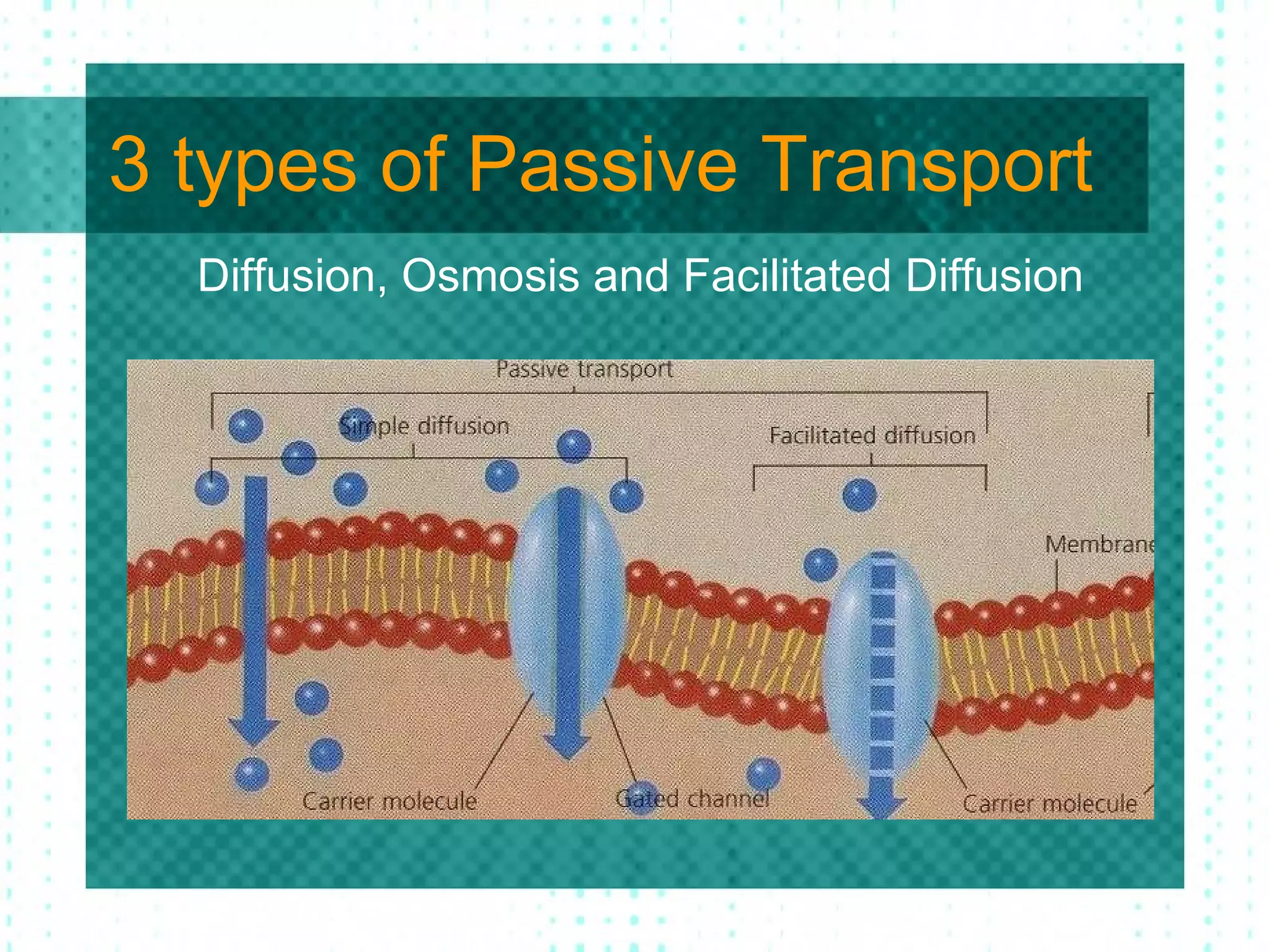
In biological systems, the natural tendency for particles is to move from regions of high concentration to low concentration, a process known as passive diffusion. However, cells frequently require higher concentrations of specific ions or molecules than their surroundings provide to perform complex tasks like nerve signaling, nutrient absorption, and muscle contraction. Because moving solutes "uphill" against their natural gradient is thermodynamically unfavorable, cells expend energy to force these interactions.
This energy expenditure is the defining feature of active transport. Without it, electrochemical gradients would dissipate, leading to cellular death or the loss of homeostatic control. Active transport is divided into two primary categories: primary active transport, which directly consumes ATP, and secondary active transport, which utilizes the potential energy stored in an existing electrochemical gradient created by primary transport.
Primary Active Transport: The Sodium-Potassium Pump
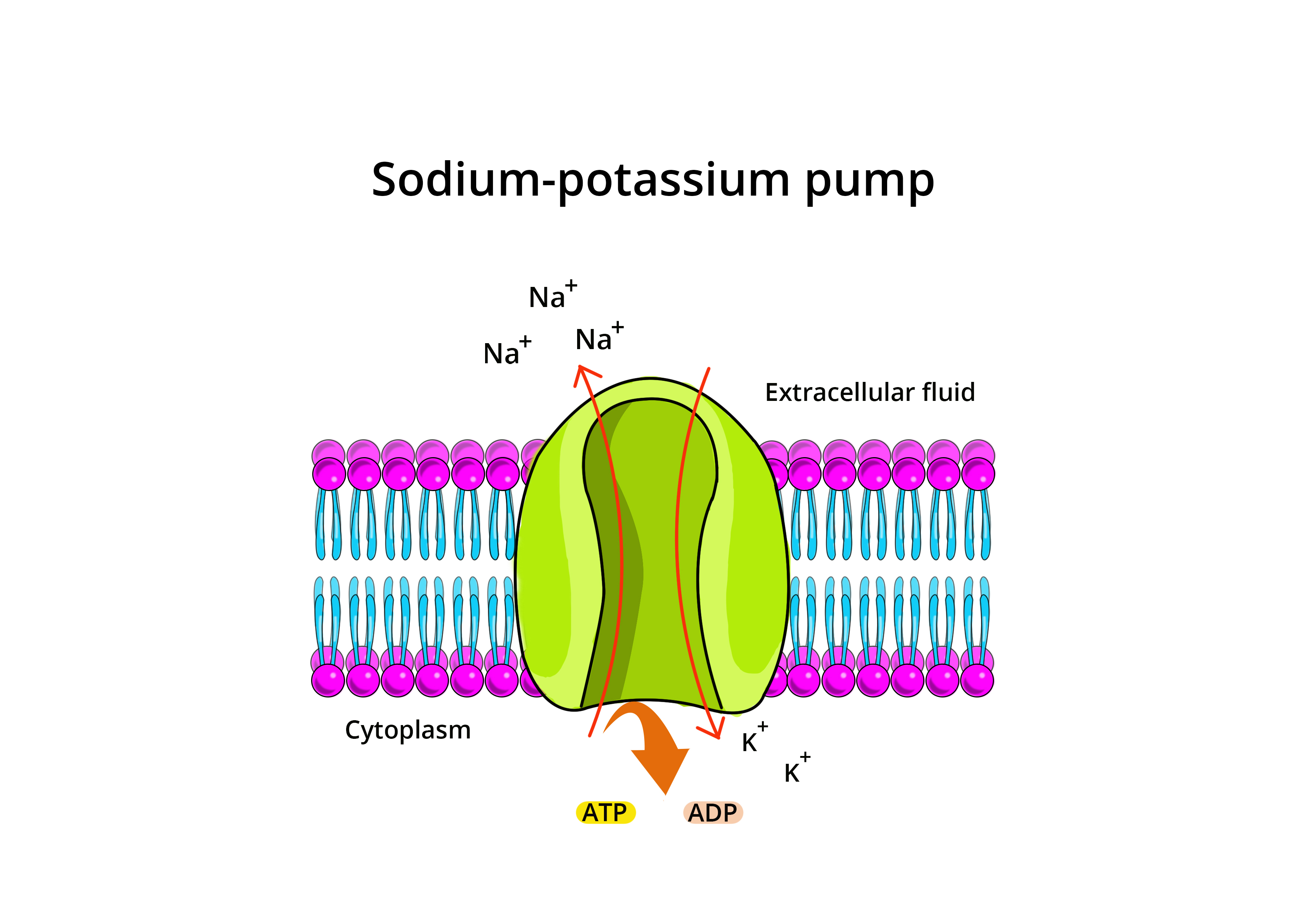
The most iconic example of primary active transport is the sodium-potassium pump (Na+/K+-ATPase). This transmembrane protein is present in virtually all animal cells and is responsible for maintaining the resting membrane potential necessary for cellular excitability.
The mechanism operates through a cycle of conformational changes:
- Binding: Three sodium ions (Na+) from the interior of the cell bind to the pump.
- Phosphorylation: ATP is hydrolyzed, and a phosphate group is attached to the pump, providing the energy for a shape change.
- Release and Capture: The pump opens to the extracellular space, releasing the sodium ions. Simultaneously, two potassium ions (K+) from the outside bind to the protein.
- Dephosphorylation: The phosphate group is released, causing the pump to revert to its original shape and dumping the potassium ions into the cytoplasm.
By moving these ions, the pump ensures that the cell remains electrically charged relative to the exterior, a requirement for the firing of neurons and the contraction of muscle fibers.
Secondary Active Transport: The Symport and Antiport Mechanisms
Secondary active transport, or coupled transport, does not consume ATP directly. Instead, it "piggybacks" on the electrochemical gradient established by primary pumps. This is often described as a form of "energy savings" for the cell.
There are two primary configurations for this process:
- Symport (Cotransport): Both the driving ion and the molecule being transported move in the same direction across the membrane. A classic example is the sodium-glucose symporter found in the intestines and kidneys. The cell uses the high concentration of sodium outside the cell (maintained by the Na+/K+ pump) to pull glucose into the cell against its own concentration gradient.
- Antiport (Counter-transport): The driving ion and the transported molecule move in opposite directions. For instance, in many animal cells, the sodium-calcium exchanger (NCX) allows sodium to move into the cell down its gradient while simultaneously pushing calcium out, maintaining the very low intracellular calcium levels required for delicate signaling pathways.
Comparing Transport Mechanisms
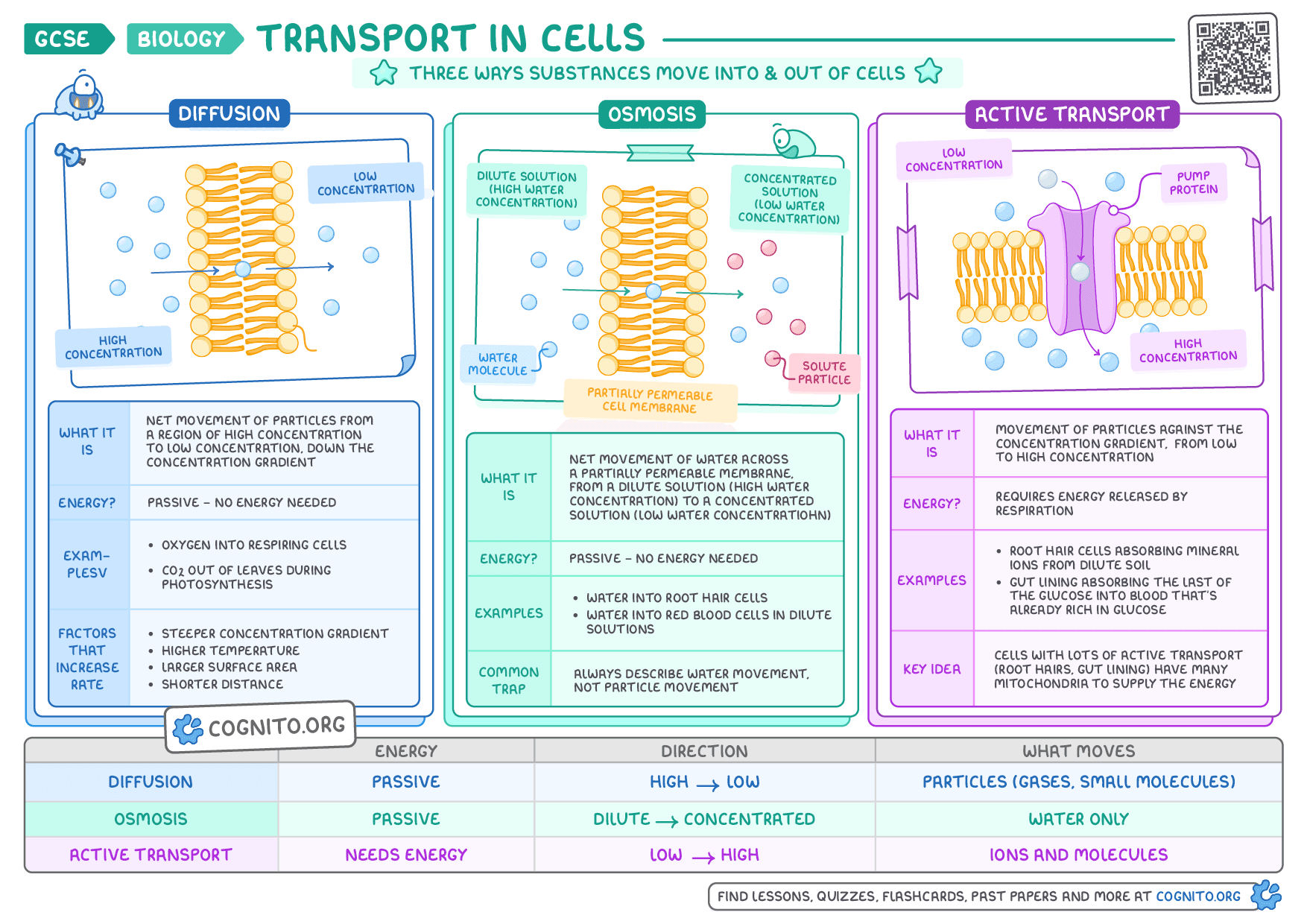
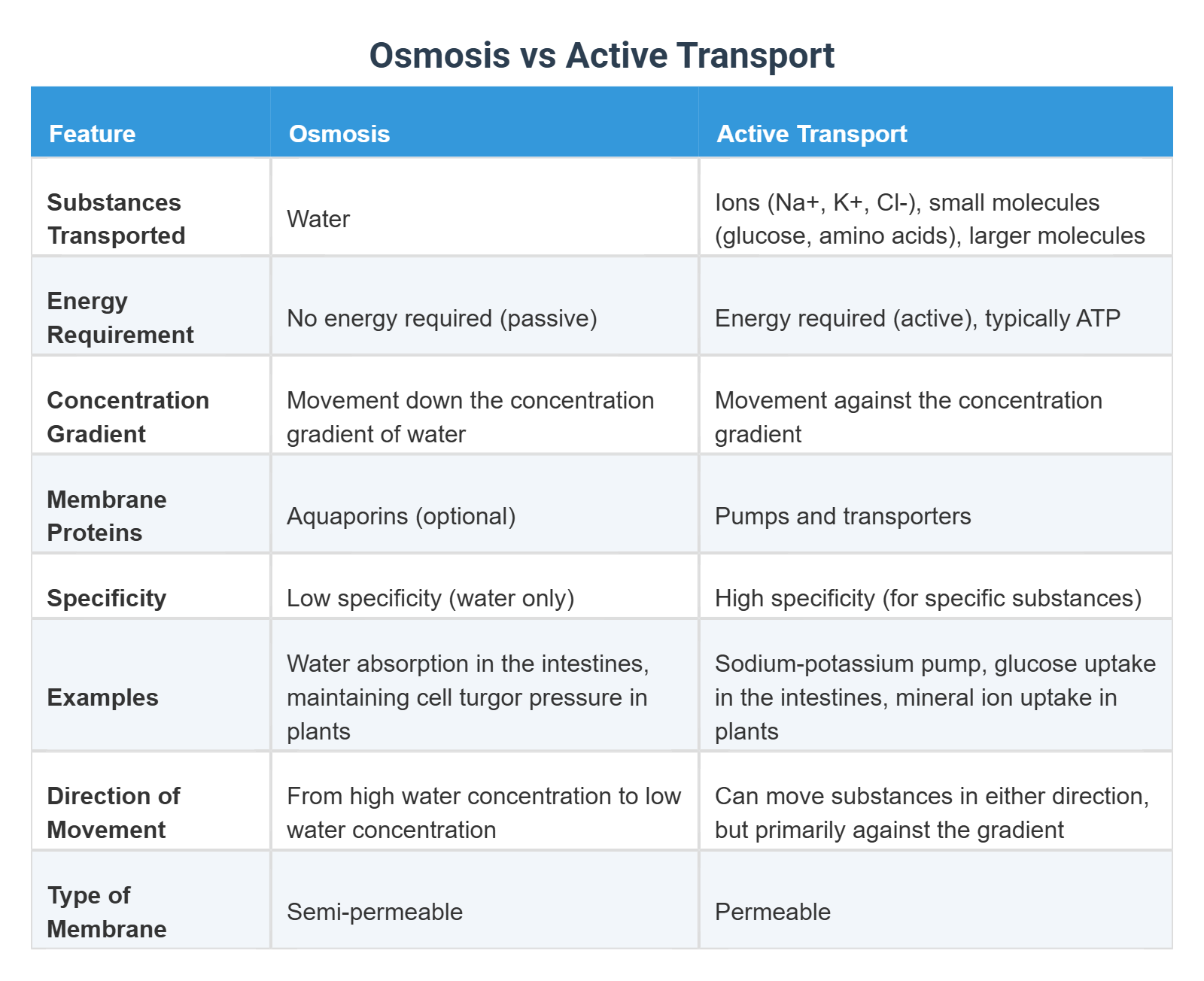
To understand how active transport fits into the broader scope of cellular logistics, it is helpful to contrast it with passive processes.
| Mechanism | Energy Required | Gradient Direction | Example |
|---|---|---|---|
| Simple Diffusion | No | Down (High to Low) | Oxygen entering blood |
| Facilitated Diffusion | No | Down (High to Low) | Glucose via GLUT transporters |
| Primary Active | Yes (Direct ATP) | Against (Low to High) | Na+/K+ Pump |
| Secondary Active | Yes (Indirect) | Against (Low to High) | Sodium-Glucose Symporter |
Clinical and Physiological Importance
The failure of active transport mechanisms is linked to several severe pathological states. In the human body, the regulation of ion gradients is so precise that even minor malfunctions can have systemic consequences.
Cystic Fibrosis While often cited in the context of chloride channels, cystic fibrosis serves as a critical example of how disrupted transport affects bodily function. The CFTR (Cystic Fibrosis Transmembrane Conductance Regulator) protein facilitates the transport of chloride ions. When this process is impaired, the movement of water and salt across epithelial tissues is disrupted, leading to the production of thick, viscous mucus in the lungs and digestive tract.
Digitalis and Cardiac Function In medicine, the drug digitalis (derived from foxglove) is used to treat heart failure. It works by inhibiting the Na+/K+ pump in cardiac muscle cells. By slowing this pump, the intracellular concentration of sodium increases, which in turn reduces the efficiency of the sodium-calcium exchanger. This results in higher levels of intracellular calcium, which strengthens the force of heart muscle contractions. This clinical application demonstrates how manipulating active transport can be leveraged for therapeutic outcomes.
Practical Considerations: Factors Affecting Transport
For these systems to function at optimal capacity, the cellular environment must be stable. Several external and internal factors can influence the rate and efficiency of active transport:
- Temperature: As active transport relies on enzyme-like protein pumps, it is sensitive to temperature. Excessive heat can denature these proteins, while cold slows down the kinetic energy required for conformational changes.
- pH Levels: Proteins have an optimal pH range. If the cytosol or extracellular fluid becomes too acidic or basic, the ionization state of the amino acids in the transport protein may change, rendering the pump inactive.
- Availability of ATP: Since active transport is energy-intensive, any metabolic condition that limits ATP production—such as hypoxia (lack of oxygen)—will lead to a rapid failure of active transport, causing the cell to lose its membrane potential and swell as water enters via osmosis.
Frequently Asked Questions
Why is active transport essential for the nervous system? Active transport creates the electrochemical gradient required for neurons to generate electrical impulses. Without the constant pumping of Na+ out and K+ in, the membrane would reach equilibrium, and the cell would become unable to transmit signals, resulting in total loss of neural function.
What is the difference between primary and secondary active transport? Primary active transport directly consumes ATP to force molecules against a gradient. Secondary active transport uses the energy stored in the concentration gradient of one molecule (usually sodium) to move another molecule against its gradient.
How do plants use active transport? Plants rely on active transport to absorb mineral ions from the soil, where concentrations are often lower than inside the plant root cells. They use "proton pumps" to create a hydrogen ion gradient, which then drives the uptake of nutrients.
Can molecules move through the membrane without a pump? Only small, non-polar molecules (like oxygen or carbon dioxide) can move through the lipid bilayer without assistance. Larger or charged molecules require specific protein channels or pumps to cross the hydrophobic core of the membrane.
Is endocytosis a form of active transport? While both require energy, active transport typically refers to the movement of ions or small molecules via protein pumps. Endocytosis is a form of bulk transport where the cell membrane wraps around large particles or droplets to bring them inside.
Next Steps for Students and Researchers
To further investigate the role of active transport in cellular biology, researchers should focus on the structural biology of the P-type ATPase family. Using current bioinformatics databases, one can visualize the conformational shifts in these proteins. For students, practicing the calculation of membrane potentials using the Nernst equation provides a quantitative understanding of why these pumps must work continuously to maintain the homeostatic balance required for life.
Image Gallery