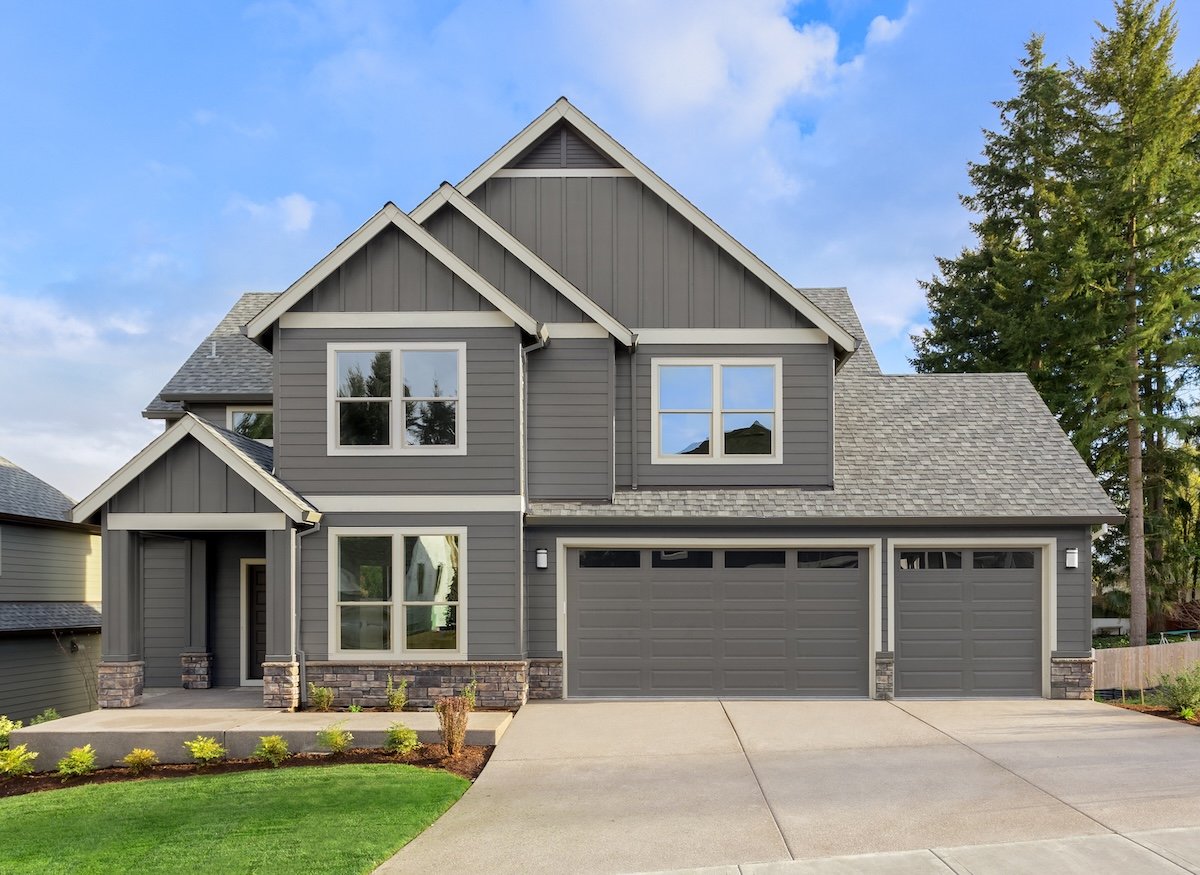
Navigating Virginia Exterior Products in the Local Market: A Comprehensive Guide
Selecting appropriate exterior products in the Virginia market requires balancing regional climate demands, architectural preservation standards, and evolving building codes. Homeowners and contractors must navigate a diverse landscape...
Selecting appropriate exterior products in the Virginia market requires balancing regional climate demands, architectural preservation standards, and evolving building codes. Homeowners and contractors must navigate a diverse landscape of siding, roofing, and window materials designed to withstand the Mid-Atlantic’s humid subtropical climate, characterized by significant seasonal temperature shifts, high humidity, and localized heavy precipitation.
Contents
Understanding the Virginia Exterior Product Ecosystem
The "local market" for exterior products in Virginia is defined by several key environmental factors that dictate material longevity and maintenance requirements. Because Virginia experiences both sweltering, humid summers and freezing winter conditions, exterior components—including siding, trim, and roofing—are subject to significant thermal expansion and contraction.
When sourcing products, the market is divided into three primary segments:
- New Construction: Dominated by high-performance, energy-efficient materials that meet current International Residential Code (IRC) standards as adopted by the Virginia Uniform Statewide Building Code (USBC).
- Historical Restoration: Focused on materials that replicate original aesthetics while adhering to strict local architectural review board guidelines, particularly in historic districts like those found in Richmond, Alexandria, and Fredericksburg.
- Renovation and Maintenance: Primarily concerned with upgrading legacy structures, often involving the replacement of wood siding with fiber cement, vinyl, or specialized composite alternatives to reduce long-term upkeep.
Key Material Categories in the Virginia Market
Choosing the right material depends on whether the priority is budget, durability, or historical compliance. The following table provides a high-level comparison of the most common materials found in the Virginia regional supply chain.
| Material Type | Primary Benefit | Maintenance Level | Typical Longevity | Best Use Case |
|---|---|---|---|---|
| Fiber Cement | Fire and insect resistance | Moderate | 30–50 years | General residential siding |
| Vinyl Siding | Cost-effectiveness | Low | 20–40 years | Budget-conscious renovations |
| Engineered Wood | Authentic aesthetic | Moderate | 25–40 years | High-end custom homes |
| Standing Seam Metal | Extreme weather durability | Very Low | 50+ years | Coastal and mountain areas |
| Asphalt Shingles | Affordability | Moderate | 20–30 years | Standard residential roofs |
Fiber Cement and Composite Siding
Fiber cement has become the industry standard for much of Northern and Central Virginia. Its popularity stems from its ability to resist the moisture-related degradation often seen in organic wood products in the humid Mid-Atlantic climate. Because it is non-combustible and impact-resistant, it frequently satisfies requirements for both fire safety and durability in suburban developments.
Vinyl and Polymer Solutions
Vinyl remains the highest-volume seller in the local market due to its entry-level price point and low maintenance. However, modern polymer products have evolved to include thicker profiles and high-definition wood grain finishes that mimic natural cedar more effectively than the vinyl products of previous decades.
Metal Roofing and Cladding
In the mountainous regions of Western Virginia and the coastal areas of the Tidewater region, metal roofing has seen increased demand. Its structural integrity against high winds and its ability to shed heavy snow loads make it a premier choice for localized environmental challenges.
Regulatory Requirements and Procurement
In Virginia, exterior product installation is governed by the USBC, which is updated periodically. As of 2026, contractors must ensure that all materials carry appropriate third-party certifications, such as those from the International Code Council (ICC) or specific product safety labels like ASTM International.
Verification of Product Standards
Before finalizing a purchase, verify that the products meet local performance criteria:
- Wind Load Ratings: Exterior claddings must comply with specific wind-resistance ratings based on the municipality’s wind zone classification.
- Moisture Management: The installation must include approved weather-resistive barriers (WRBs) and proper flashing techniques to comply with local moisture penetration codes.
- Historical Compliance: Properties located within designated historic districts are often prohibited from using synthetic materials that alter the "character-defining features" of the structure. Always consult the local Architectural Review Board (ARB) before procuring materials for a historic property.
Common Challenges in Local Procurement
Supply chain fluctuations and local labor availability significantly impact the procurement process. Readers should be aware of the following operational realities when engaging with the local Virginia market:
Lead Times and Availability
While standard vinyl and asphalt products are typically held in stock by regional distributors, specialized materials—such as high-end composite cedar shakes or specific gauges of architectural metal—may require lead times of four to twelve weeks. Planning procurement cycles around these potential delays is essential to maintaining project timelines.
Qualified Labor Constraints
The availability of skilled installers for specific, niche exterior products (e.g., historical masonry restoration or slate roofing) is frequently lower than for standard residential siding. Ensure that your chosen product has a documented list of "certified installers" recognized by the manufacturer. Using a non-certified installer can often void the product’s manufacturer warranty.
Best Practices for Selection and Installation
To ensure long-term satisfaction with your exterior product investment, follow a structured decision-making process:
- Site Assessment: Conduct an analysis of the home’s exposure. A home in the Blue Ridge Mountains has different needs—due to ice and high winds—than a home in the Tidewater region, which must account for high humidity and saline air corrosion.
- Manufacturer Warranty Review: Examine the fine print. Many "lifetime" warranties are prorated after the first ten years. Look for non-prorated coverage periods and transferability clauses if you intend to sell the home in the near future.
- Sample Verification: Never select an exterior product based on digital photos. Procure physical samples to observe how the color and texture react to the specific quality of light in your local area.
Frequently Asked Questions
Does Virginia have specific requirements for siding fire resistance? Yes. In areas categorized as wildland-urban interfaces or dense suburban developments, local building departments may mandate specific fire-rated cladding materials. Always check your local building office for current fire-resistance requirements.
Are there tax incentives for installing energy-efficient exterior products? Some energy-efficient windows and insulation products are eligible for federal tax credits. In 2026, Virginia-specific incentives are limited; however, local utility companies sometimes offer rebates for high-efficiency window replacements. Review your provider's current rebate program documentation before installation.
How do I find a reputable installer in Virginia? Look for contractors who maintain active Class A or Class B licenses through the Virginia Department of Professional and Occupational Regulation (DPOR). Verify their license status via the DPOR website to ensure they are authorized to perform the specific type of exterior work required.
Can I mix different exterior materials on one building? Yes, this is common in modern Virginia residential design. However, mixing materials requires meticulous attention to the transition joints. Improperly flashed intersections between different materials are the most common source of water intrusion and premature structural decay.
What is the impact of salt air on exterior products in the Tidewater region? Coastal environments accelerate the oxidation of metal and the degradation of organic sealants. If you live within five miles of the coast, prioritize materials with high anti-corrosion ratings, such as stainless steel fasteners and marine-grade finishes on metal cladding.
Next Actions
To proceed with your project, start by auditing your current exterior components to determine if full replacement is necessary or if targeted maintenance can achieve your goals. Visit your local municipal building department’s website to download the current residential building permit requirements. Once you have a scope of work, reach out to at least three contractors who specialize in your chosen material type and request a written quote that includes both labor warranties and manufacturer-provided material warranties.
Image Gallery