Navigating Life Insurance Quotes in Everett, ON
Obtaining life insurance quotes in Everett, Ontario, requires understanding both the regional regulatory environment of Canada and the specific underwriting factors that influence policy premiums. Residents must evaluate their financia...
Obtaining life insurance quotes in Everett, Ontario, requires understanding both the regional regulatory environment of Canada and the specific underwriting factors that influence policy premiums. Residents must evaluate their financial goals, determine the appropriate coverage type—such as term or permanent life insurance—and gather accurate personal health and lifestyle information to receive precise premium estimates from licensed providers.
Contents
Understanding the Life Insurance Landscape in Ontario
Life insurance in Ontario is governed by provincial regulations that ensure consumer protection and standard underwriting practices. When you seek quotes for life insurance in a specific location like Everett—a community within the Township of Essa—you are accessing a national market facilitated by provincial rules. Because life insurance premiums are generally calculated on a national basis within Canada, your location in Everett does not change the fundamental actuarial risk models used by insurers. However, your specific demographic data, health history, and the type of policy you select remain the primary drivers of your quoted costs.
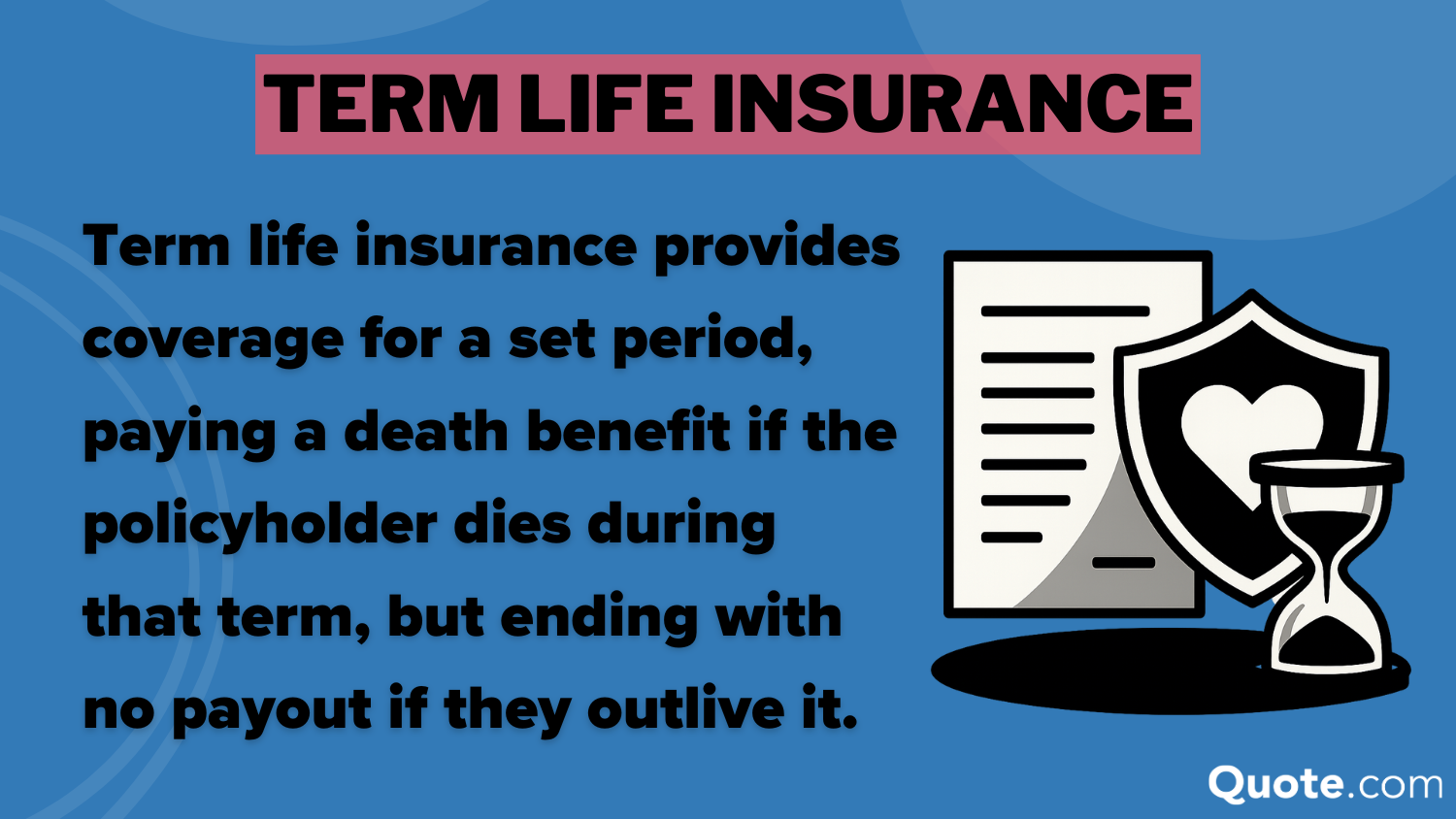
In the Canadian market, life insurance is categorized primarily into two buckets: term life insurance and permanent life insurance. Term insurance provides coverage for a specific period, such as 10, 20, or 30 years, and is generally the most affordable option for individuals looking to replace income or cover debt during high-liability years. Permanent life insurance, including Whole Life or Universal Life, provides lifelong coverage and often includes a cash-value accumulation component. Understanding which of these fits your long-term financial plan is the essential first step before requesting quotes.
Factors That Influence Your Insurance Quotes
When you request a quote, insurers use "underwriting" to assess risk. This is the process of evaluating the likelihood of a claim based on your personal profile. Regardless of your specific address in Everett, insurers will analyze a consistent set of variables to determine your risk profile and, consequently, your premium.
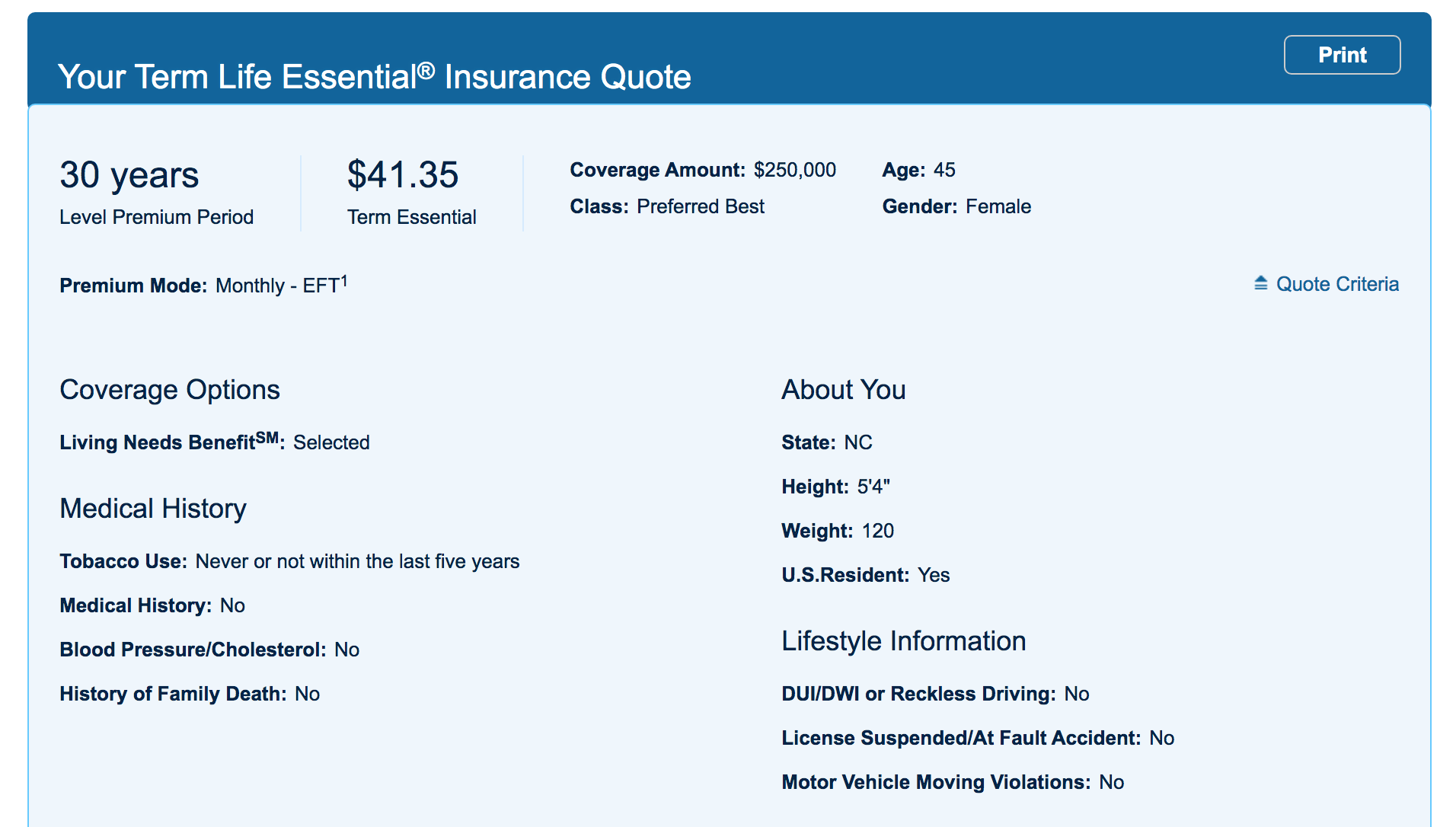
- Age and Gender: Generally, the younger you are when you apply, the lower your premiums will be, as the insurer assumes a longer life expectancy. Gender remains a standard actuarial factor in Canadian life insurance pricing.
- Medical History: You will be asked about pre-existing conditions, family health history, and recent surgeries. Minor conditions may result in standard rates, while chronic or serious illnesses may lead to "rated" policies or higher premiums.
- Lifestyle and Habits: Tobacco use is the most significant lifestyle factor; non-smokers typically pay significantly less than smokers. Other factors include high-risk hobbies (such as rock climbing or aviation) and a history of dangerous driving.
- Coverage Amount (Death Benefit): The face value of the policy directly impacts the premium. Higher coverage requires higher premiums, though some providers offer "banded" pricing where larger policies have a lower cost per $1,000 of coverage.
- Policy Type: Term insurance is strictly for protection, while permanent insurance includes extra premiums for the cash-value growth, making permanent options more expensive upfront.
Comparing Quote Sources: Brokers vs. Direct Insurers
When seeking quotes, you have two primary avenues: working with a licensed life insurance advisor (broker) or using online direct-to-consumer platforms. Each method has distinct advantages depending on your level of financial literacy and your desire for personalized advice.
Independent brokers represent multiple insurance companies. Their value lies in their ability to "shop" the market on your behalf. Because different insurance companies in Canada have different niches—for instance, one may be more competitive for individuals with diabetes, while another is cheaper for healthy, young adults—a broker can help you navigate these nuances. They ensure you are comparing "apples to apples" when looking at different coverage options.
Direct insurers or digital platforms often allow you to input your data and receive an instant estimate. This is an efficient way to get a baseline idea of costs. However, these tools often provide a "best-case" scenario. Your actual premium may change after a formal medical assessment or a deeper review of your health records. If you choose this path, ensure you are dealing with companies licensed by the Financial Services Regulatory Authority of Ontario (FSRA) to ensure the policy is legally valid and protected.
Common Comparison Metrics
To make an informed decision when evaluating quotes, you must look beyond the monthly premium. The following table illustrates the key components you should compare between different policy offers.
| Feature | Term Life Insurance | Permanent Life Insurance |
|---|---|---|
| Duration | Set timeframe (e.g., 20 years) | Lifetime coverage |
| Premiums | Level (fixed) for the term | Level for life |
| Cash Value | None | Accumulates tax-deferred |
| Primary Goal | Income replacement | Estate planning/Wealth transfer |
| Cost | Generally lower | Higher |
Steps to Secure Your Quote
To obtain accurate, actionable quotes, follow this standardized procedure to ensure the information provided to the insurer is complete and verifiable.
- Define Your Needs: Calculate how much coverage you need. A common rule of thumb is 7 to 10 times your annual income, plus enough to cover major debts like a mortgage.
- Gather Documentation: Have your Social Insurance Number, details about current medications, and information regarding your family medical history ready. You do not need to provide these to get a rough quote, but you will need them for a formal application.
- Request Quotes: Contact at least two or three different providers or a reputable broker. Ensure you request identical terms (e.g., $500,000, 20-year term) so that your comparisons are valid.
- Review the Fine Print: Look specifically at "convertibility" clauses. A convertible term policy allows you to switch to permanent insurance later without undergoing another medical exam—a valuable feature if your health changes.
- The Medical Exam: For larger policies, an insurer may require a paramedical exam. This is usually free of charge and involves a nurse measuring your height, weight, blood pressure, and sometimes collecting blood or urine samples.
Addressing Common Misconceptions
A frequent mistake for residents in smaller communities is assuming that a "local" agent is required for the best service. In the modern Canadian insurance market, most paperwork is handled digitally or via mail. Whether your agent is based in Everett, Toronto, or elsewhere in Ontario, the contractual obligations of the insurance company remain the same. The strength of your policy is defined by the financial stability of the insurer (their A.M. Best or S&P credit rating) rather than the physical proximity of your advisor.
Furthermore, do not ignore "No-Medical" or "Simplified Issue" policies. While these are easier to obtain and require less documentation, they often come with higher premiums and lower coverage caps. They are intended for individuals who may not qualify for standard underwritten policies, and should only be chosen if you are unable to obtain a fully underwritten plan.
Frequently Asked Questions
Does living in Everett affect my life insurance rates? No, your specific municipality does not influence your premium. Insurers look at your province of residence for regulatory purposes, but your health, age, and occupation are the primary factors that determine cost.
How do I verify if an insurance company is legitimate in Ontario? You should verify that the insurance company is licensed by the Financial Services Regulatory Authority of Ontario (FSRA). You can use the official FSRA website to search their database of licensed insurers and agents to ensure they are authorized to sell in the province.
What happens if I stop paying my premiums? For term life insurance, if you stop paying premiums, your policy will generally lapse and the coverage will terminate. For permanent insurance, you may have some cash value that can be used to keep the policy in force for a limited time, but this depends entirely on the specific terms of your policy.
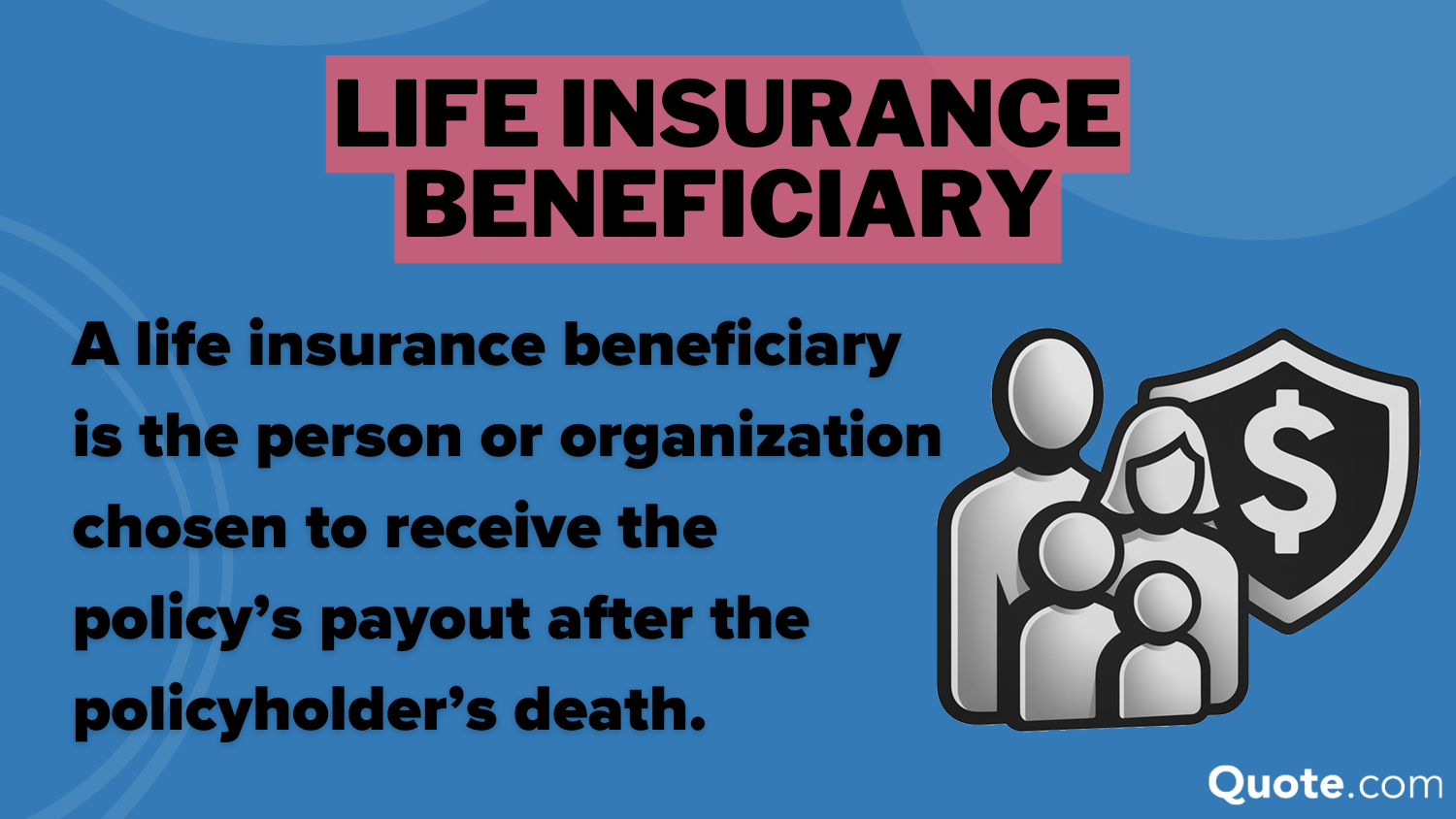
Can I change my beneficiary later? Yes, you can change your beneficiary at any time as long as you own the policy, unless the beneficiary is designated as "irrevocable." If the designation is irrevocable, you must obtain their written consent to make any changes.
Is life insurance through my employer enough? Group insurance provided by an employer is often a valuable benefit, but it is typically tied to your employment. If you change jobs, you may lose that coverage. It is generally recommended to have an individual policy that you own and control independently of your employer.
Next Steps for Coverage
Once you have received quotes, the most important action is to select a policy and complete the application promptly. Life insurance premiums increase as you age, meaning the cost of waiting is higher than the benefit of temporary hesitation. If you are uncertain about the amount of coverage needed, start with a term policy that provides essential protection; you can always look into increasing your coverage or adding permanent products as your financial situation matures. Consult with a licensed advisor to finalize your application and ensure all disclosures regarding your health and history are accurate, as this prevents potential claim disputes for your beneficiaries in the future.
Image Gallery