The Best Big and Tall Recliners of 2018: A Retrospective Analysis for Today’s Buyers
Selecting a heavy-duty recliner requires a balance of frame integrity, seat width, and weight capacity to ensure long-term comfort and safety for larger users. In 2018, the furniture market saw a significant shift toward reinforced con...
Selecting a heavy-duty recliner requires a balance of frame integrity, seat width, and weight capacity to ensure long-term comfort and safety for larger users. In 2018, the furniture market saw a significant shift toward reinforced construction and ergonomic support tailored specifically to the big and tall demographic, establishing standards that remain relevant for secondary market purchases and legacy model research today.
Contents
Defining "Big and Tall" Requirements in Furniture
When evaluating recliners designed for larger frames, it is essential to look beyond marketing labels and examine the engineering specifications. The primary challenge for users in this category is ensuring the chair’s structural components—specifically the reclining mechanism and the frame—can support a static and dynamic weight load without compromising the balance or mechanical longevity of the chair.
In 2018, industry-leading manufacturers began standardizing their “Big and Tall” lines by increasing the seat depth to accommodate longer thighs and broadening the seat width to prevent lateral constriction. A critical aspect of this design shift was the move away from light-gauge stapled pine frames toward kiln-dried hardwood or reinforced steel frames. These materials are less prone to warping or snapping under high-pressure points, which is a common failure point in standard-sized residential recliners.
Core Technical Specifications for Heavy-Duty Recliners
To determine if a model from the 2018 era meets contemporary needs, potential owners should verify three specific criteria: weight rating, seat-to-back proportions, and the reclining mechanism’s composition.
- Weight Capacity: Most standard recliners are load-tested for approximately 250 to 300 pounds. Models categorized as "Big and Tall" in 2018 were explicitly engineered to withstand weight capacities ranging from 350 to 500 pounds. This is achieved through the use of thicker lumber, additional cross-bracing, and higher-density foam that resists "bottoming out."
- Seat Dimensions: The seat width for these specialized models typically measures between 24 and 28 inches. For taller users, the backrest height is equally important; a backrest measuring 40 inches or higher is usually necessary to provide adequate cervical and thoracic support.
- Mechanical Build: Heavy-duty recliners utilize steel-on-steel reclining mechanisms. Unlike nylon-heavy mechanisms found in budget furniture, the steel-reinforced linkages are designed to handle the torque applied when a heavier individual pushes back into the reclined position.
Performance and Durability Comparison
The following table provides a comparison of standard design features commonly found in the premium "Big and Tall" models produced around 2018.
| Feature Type | Standard Residential Recliner | Big and Tall 2018 Model |
|---|---|---|
| Weight Capacity | 250–300 lbs | 350–500+ lbs |
| Frame Material | Plywood / Particleboard | Kiln-Dried Hardwood / Steel |
| Seat Width | 19–21 inches | 24–28 inches |
| Mechanism | Standard Steel/Nylon | Reinforced Heavy-Duty Steel |
| Foam Density | 1.5–1.8 lb/ft³ | 2.0–2.5 lb/ft³ |
Evaluating Long-Term Comfort and Ergonomics
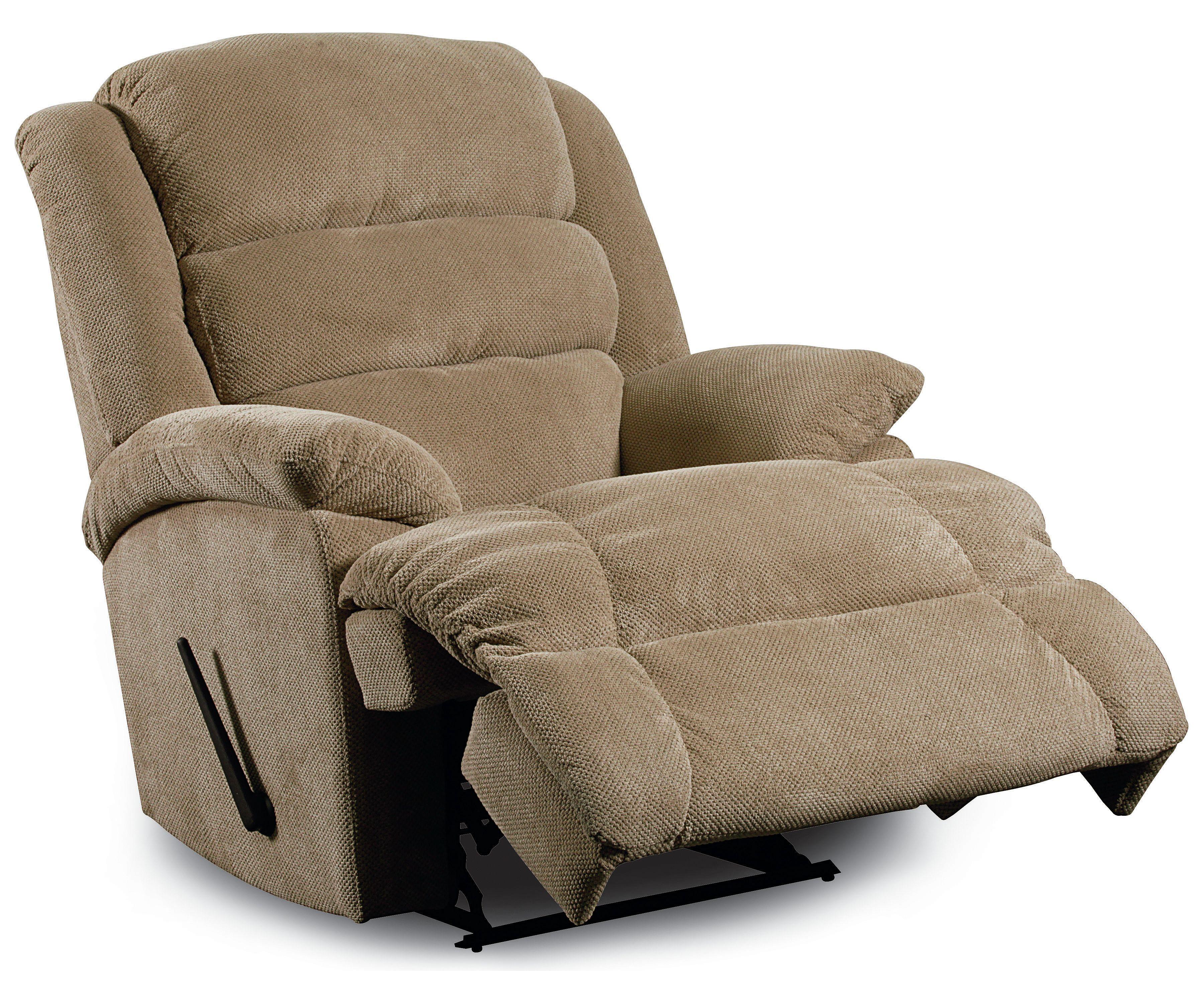
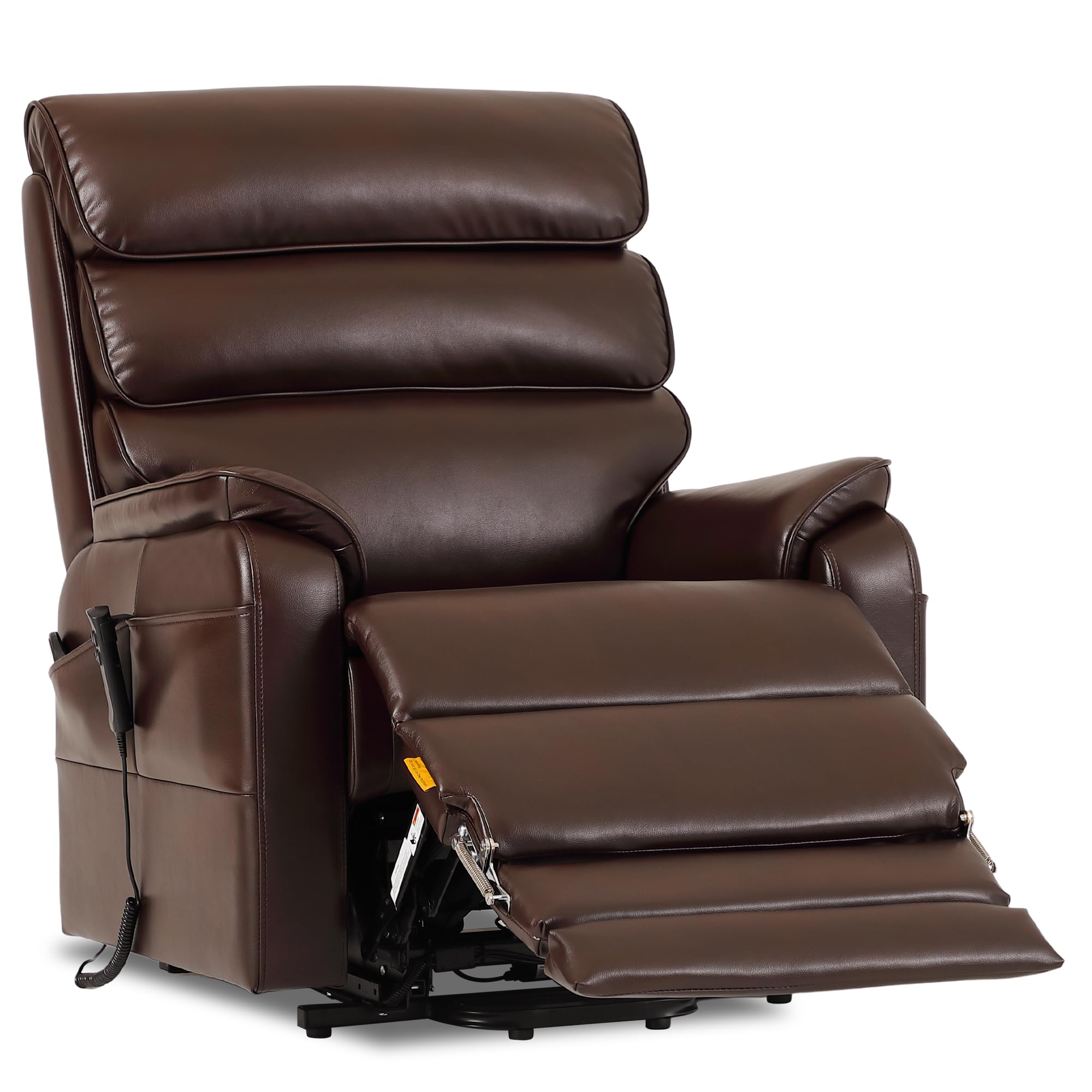
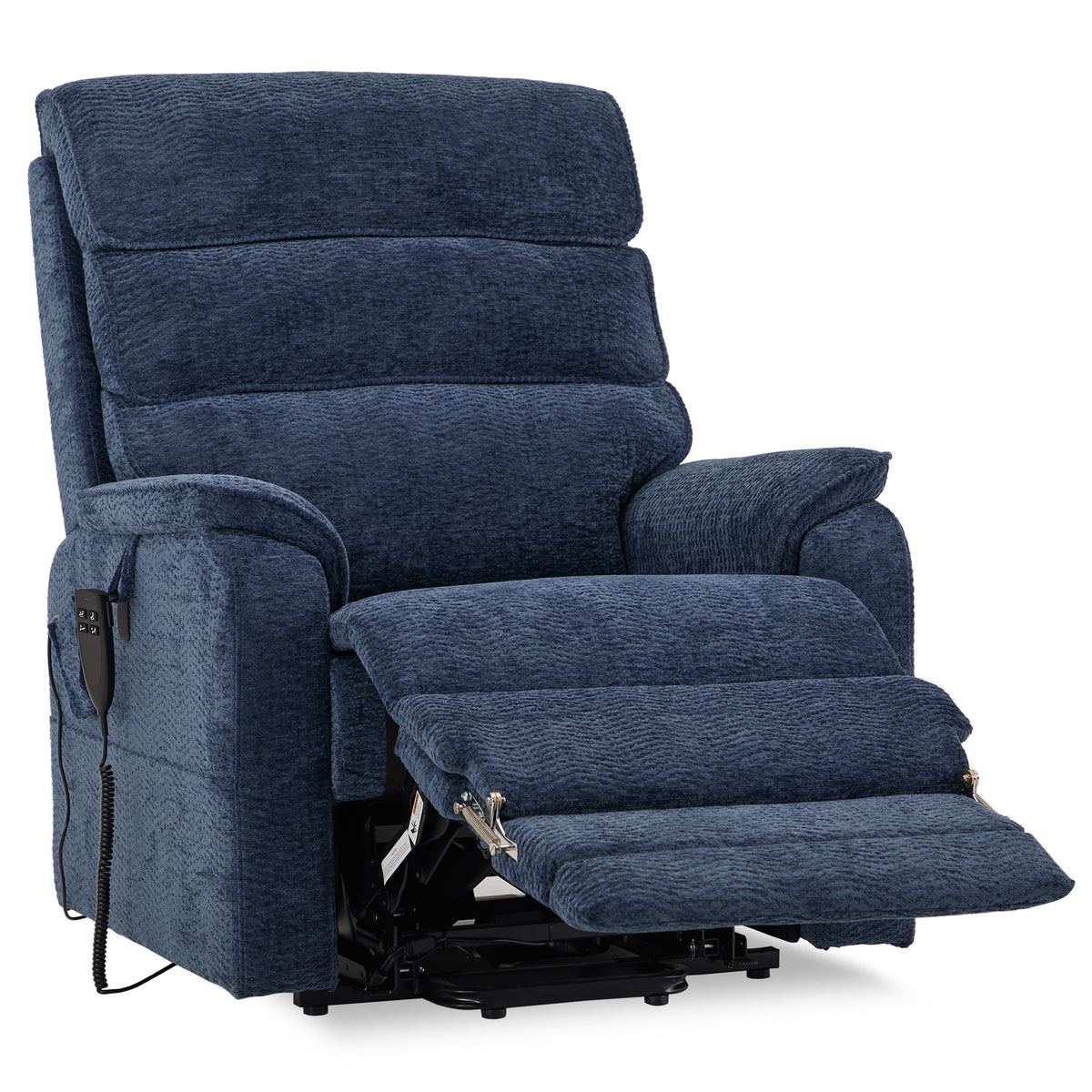
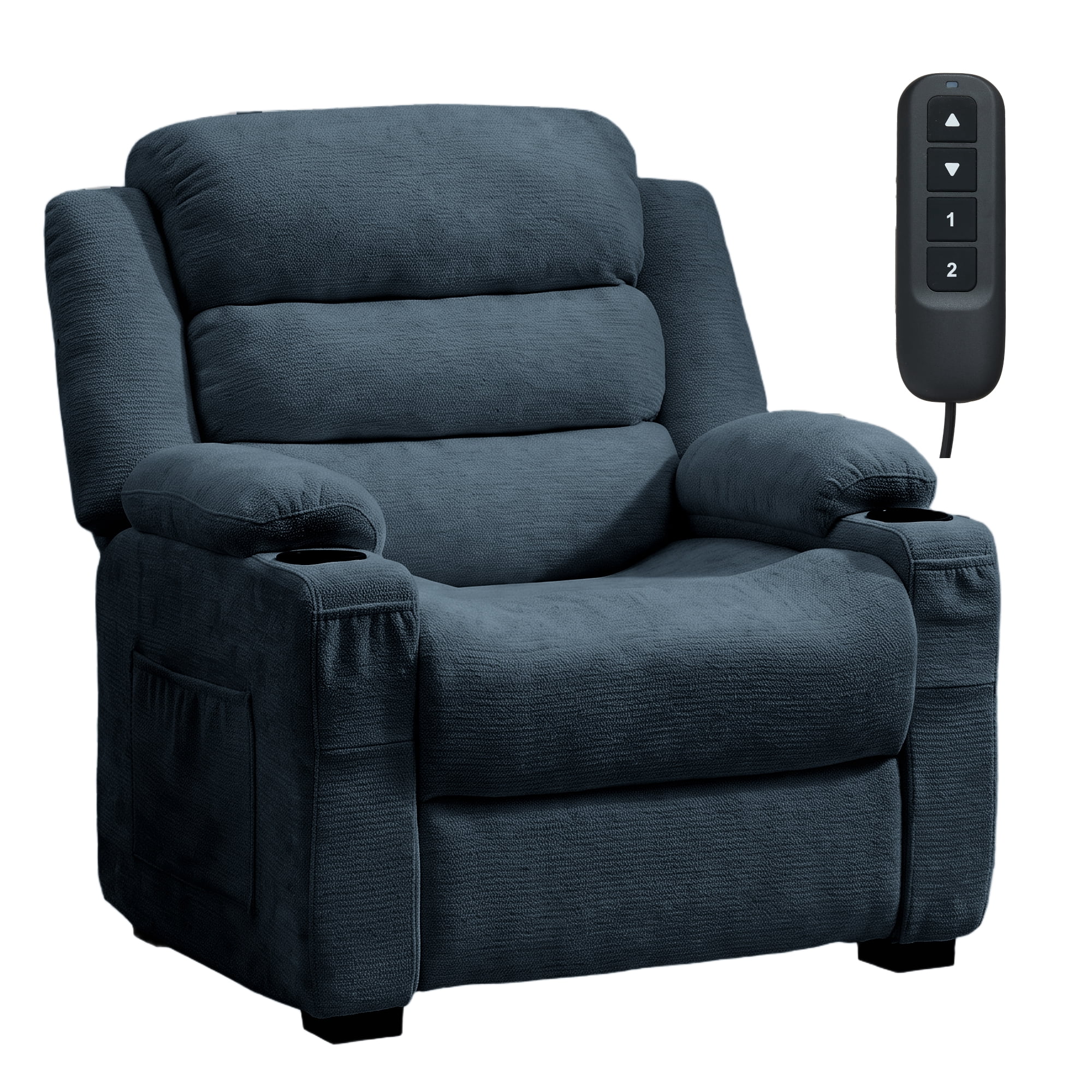
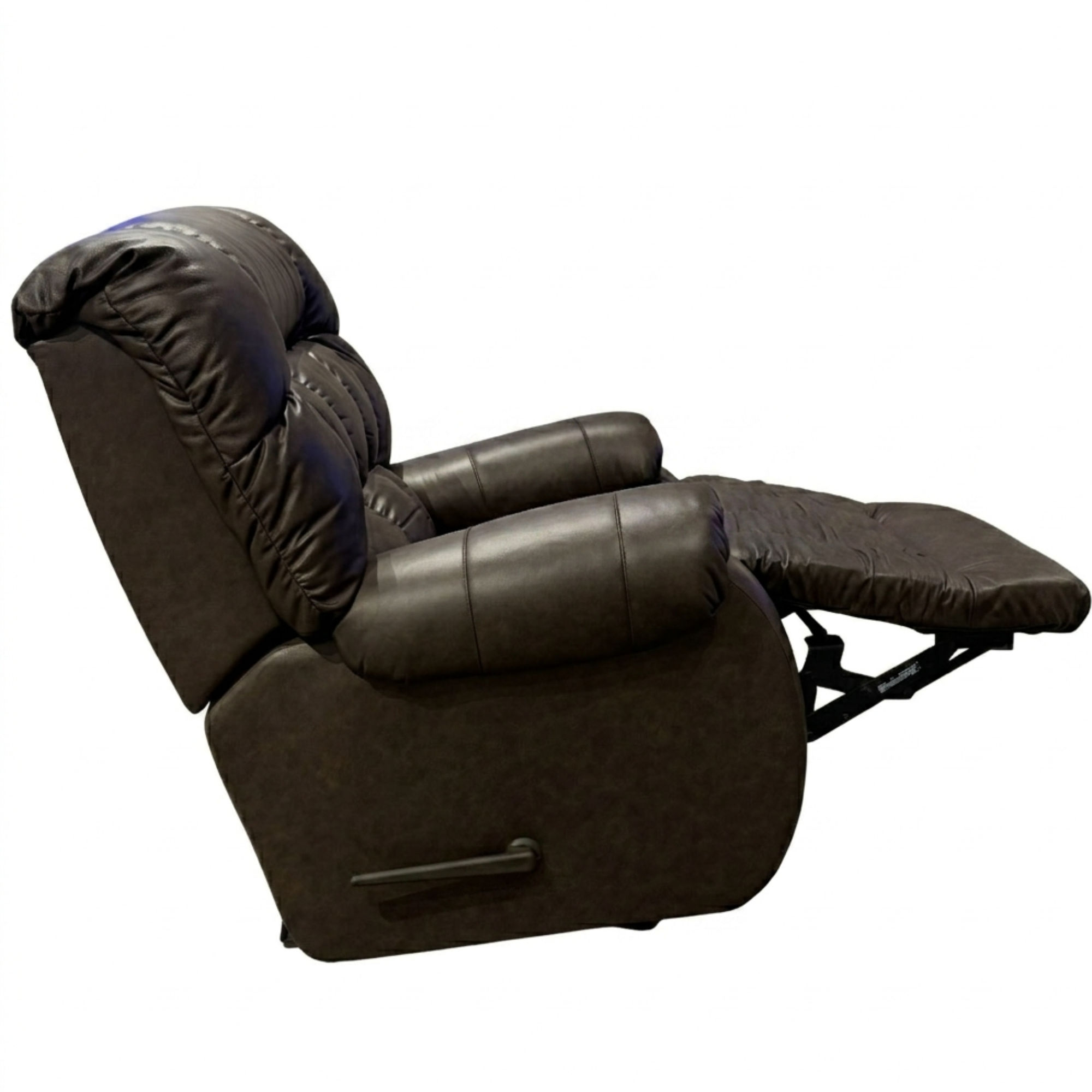
Beyond the structural integrity, the ergonomics of a recliner significantly impact the user’s quality of life. For taller individuals, the "chaise-style" footrest is a mandatory feature. In older or budget models, the footrest may have a gap between the seat and the leg support, which can create pressure points on the heels and calves. The 2018 "Big and Tall" trend prioritized continuous, upholstered footrests that offer full leg support without creating uncomfortable gaps.
Furthermore, the type of padding used is a decisive factor in longevity. High-resiliency (HR) polyurethane foam is the gold standard for these recliners. It provides the necessary push-back support required for heavier frames while maintaining its shape over thousands of cycles. If you are inspecting a pre-owned 2018 model, check for "foaming sag"—a permanent depression in the center of the seat—which indicates that the foam density has reached its end-of-life cycle.
Common Maintenance and Troubleshooting
Even the most robust recliner requires periodic maintenance to ensure safety and functionality. If you have acquired a model from the 2018 vintage, the following steps are vital for maintaining the chair’s operational capacity:
- Lubrication of the Mechanism: Over time, the factory lubricant on the steel tracks can collect dust and dry out. Use a silicone-based lubricant on the pivot points to ensure the chair reclines smoothly. Avoid heavy grease, which acts as a magnet for debris.
- Tightening Hardware: The stress applied to the frame during reclining can cause factory-tightened bolts to loosen over several years. Every 6 to 12 months, inspect the underside of the chair and tighten any loose fasteners to prevent frame wobble.
- Inspecting Tension Springs: Large-scale recliners often feature heavy-duty tension springs to assist with the return to the upright position. If the chair feels sluggish or difficult to close, check for stretched or unhooked springs.
Frequently Asked Questions
What is the minimum weight capacity I should look for if I weigh 300 pounds? You should target a chair with a weight rating of at least 350 to 400 pounds. It is a best practice to have a "buffer" of at least 50 pounds between your body weight and the manufacturer’s maximum capacity to account for the dynamic force exerted when sitting down.
Do all big and tall recliners require a large floor space? Generally, yes. These chairs are larger by design. You should verify the "wall clearance" requirement, which is the distance from the wall the chair must sit to recline fully without hitting the wall. Some 2018 "Wall-Hugger" models were designed to require as little as 3 to 4 inches of clearance.
Can I replace the seat foam in an older recliner? Yes, seat foam can be replaced by an upholstery professional. If the frame is sound but the cushioning has lost its support, replacing the foam with a high-density replacement core is a cost-effective way to restore the chair’s comfort.
How can I identify if a recliner is truly "Big and Tall" versus just "oversized"? Look for the technical specifications on the manufacturer’s documentation. "Oversized" often refers to the aesthetic profile of the chair (puffy arms, thick cushions), whereas "Big and Tall" refers to the engineering of the internal frame and weight limit. Always prioritize weight ratings over the visual bulk of the item.
Final Recommendations for Prospective Owners
When choosing from the 2018-era market, your priority should be the mechanical integrity of the frame. Inspect the chair in person if possible: check the underside, ensure the reclining mechanism moves symmetrically without catching, and verify that the base is solid. If you are ordering online or from a secondary source, always request the specific model number and verify the weight capacity through the manufacturer’s archived product catalog. By selecting a chair built with high-density foam and a reinforced steel mechanism, you ensure a purchase that provides both ergonomic relief and lasting stability.
Image Gallery