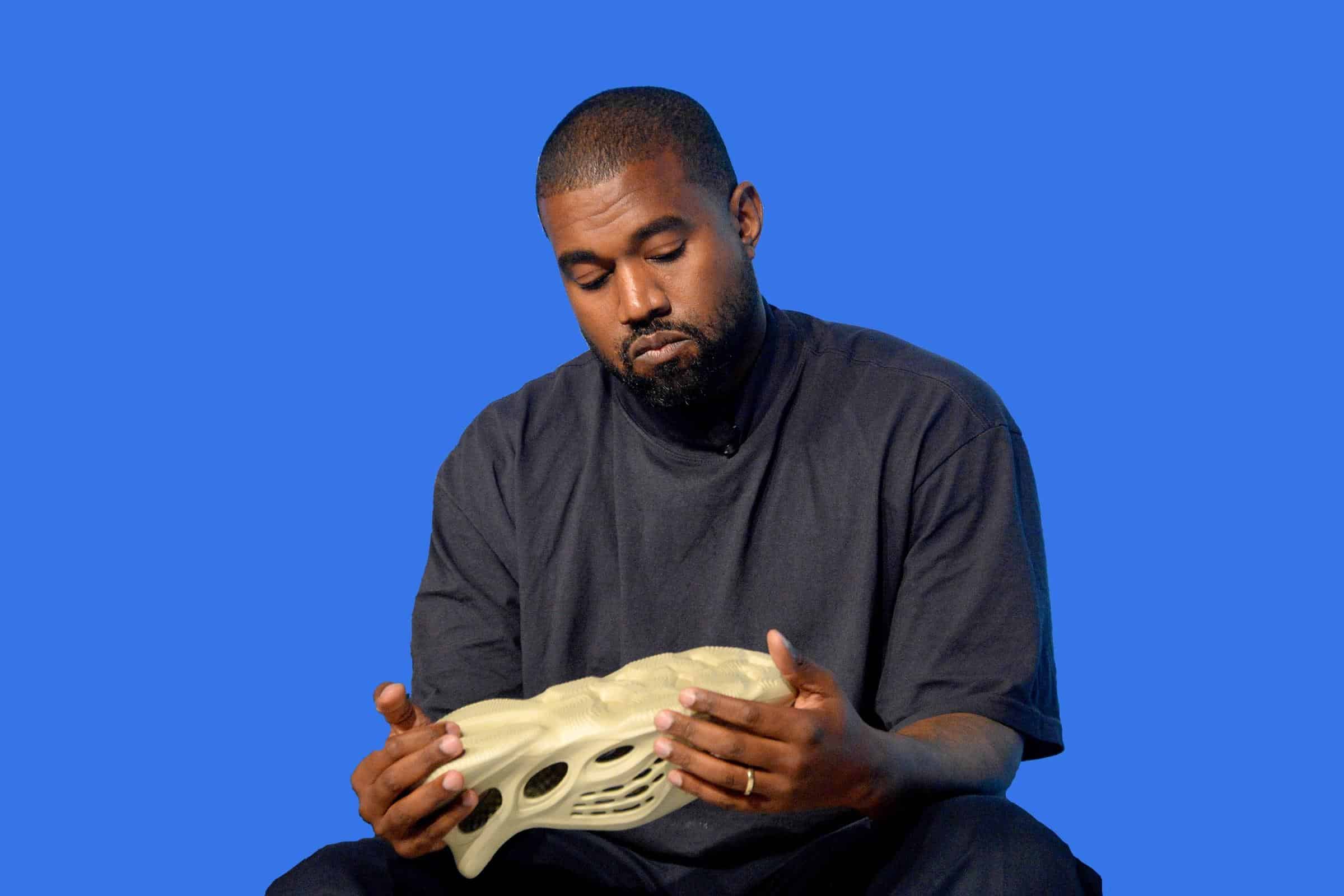
Why Yeezy and Kanye Matter to the Fashion Law Landscape
The collaboration and subsequent legal fallout between Kanye West (now legally Ye) and major sportswear conglomerates like Adidas have permanently altered the framework of fashion law. By challenging traditional intellectual property b...
The collaboration and subsequent legal fallout between Kanye West (now legally Ye) and major sportswear conglomerates like Adidas have permanently altered the framework of fashion law. By challenging traditional intellectual property boundaries, testing the limits of morality clauses in celebrity endorsements, and exposing the risks of brand-entity reliance, the Yeezy saga provides a critical case study for how modern fashion law balances personal identity, corporate control, and contractual obligations in a globalized market.
Contents
The Evolution of Celebrity Licensing and IP Ownership
The partnership between Ye and Adidas was initially hailed as the gold standard for celebrity-brand collaboration. However, the unraveling of this relationship demonstrated the inherent friction between a creative visionary’s desire for total autonomy and a multinational corporation’s need for institutional control.
At the heart of the "Yeezy" matter is the complex ownership of intellectual property. Traditionally, fashion houses owned the creative output of their designers via "work-made-for-hire" agreements. As celebrities transitioned from mere "faces" of a brand to collaborative "partners," the distinction between an employee and an entrepreneur blurred. The Yeezy model pushed for a hybrid structure where the creator sought to retain significant control over branding, design aesthetics, and distribution.
When disputes over control arise, fashion law practitioners look to the specific language of the licensing agreement. The Yeezy case highlights the dangers of ambiguity regarding who owns the trademark rights to specific design iterations and the underlying "brand" identity once a partnership dissolves. For fashion brands and legal counsel, the primary takeaway is the necessity of ironclad IP clauses that explicitly delineate ownership of designs during and after a contract’s lifespan.
Morality Clauses and Reputation Management
Perhaps the most significant legal contribution of the Yeezy fallout is the spotlight it placed on the "morality clause." These are contractual provisions that allow a company to terminate an endorsement or partnership if the individual engages in behavior that brings the brand into disrepute.
For years, morality clauses were often treated as boilerplate language—rarely invoked due to the subjectivity of what constitutes "disrepute." The public nature of Ye’s controversies forced Adidas to test the enforceability of these clauses under extreme pressure. From a legal standpoint, this set a precedent for how future fashion contracts are drafted. Modern agreements are increasingly specific, defining exact behaviors that trigger termination to avoid lengthy litigation or the reputational damage caused by inaction.
This shift forces both parties—the celebrity and the brand—to treat these clauses as active risk-management tools. For the brand, it is a shield against association with toxicity; for the celebrity, it represents a restriction on personal expression that can have massive financial consequences.
Supply Chain, Manufacturing, and Logistics Control
Fashion law is not only about trademarks and endorsements; it is deeply rooted in the logistics of manufacturing. The Yeezy brand was unique because it functioned as a near-autonomous subsidiary within a larger ecosystem. The breakdown of this relationship revealed the vulnerabilities of decentralized supply chains.
When a brand builds its entire distribution strategy around a single person’s creative output, it creates a "key-person risk." If that relationship fails, the manufacturing infrastructure—warehouses, retail contracts, and logistics chains—can become paralyzed. Legal teams in 2026 often cite the Yeezy fallout as a justification for diversifying production and ensuring that brand rights remain portable regardless of the status of a celebrity partner.
Key Legal Dimensions of the Yeezy Partnership
| Legal Aspect | Impact on Industry Standards |
|---|---|
| Morality Clauses | Shifted toward hyper-specific, quantifiable trigger behaviors. |
| IP Ownership | Intensified scrutiny on "who owns the design" post-contract. |
| Key-Person Risk | Encouraged brands to diversify creative output to prevent total reliance. |
| Distribution Rights | Highlighted the complexities of winding down inventory after a fallout. |
The Impact on Influencer-Led Fashion Brands
The Yeezy trajectory served as a cautionary tale for the rise of "influencer-led" fashion. As social media creators and artists launch their own clothing lines, the legal structure of these ventures often fails to account for the instability of personal brand loyalty.
Fashion law is evolving to address the "ownership of the persona." When a brand is synonymous with a person, the legal challenge is determining how much of that brand’s value is tied to the physical product and how much is tied to the celebrity’s image. If a celebrity is successfully sued or drops out of the public eye, does the "brand" retain any value? Lawyers now advise clients to create a distinct legal entity for the fashion line that can operate independently of the founder’s personal image, ensuring that the brand’s valuation remains protected during personal turbulence.
Managing the Termination of High-Stakes Agreements
When a partnership as large as Yeezy collapses, the termination phase is fraught with litigation risks. This includes the disposal of remaining stock, the rights to use existing marketing materials, and the final settlement of royalty payments.
In many cases, the termination of a contract is not the end of the legal battle; it is the beginning. The Yeezy case demonstrated that without a clear "exit strategy" written into the initial agreement, the legal costs of disentanglement can exceed the value of the remaining assets. Practitioners now emphasize the importance of "exit clauses" that detail:
- Inventory Disposal: How and where remaining stock is sold or destroyed.
- Post-Term IP Use: Limitations on how former partners can reference their history together.
- Royalty Reconciliation: Auditing procedures to ensure final payouts are accurate, preventing lawsuits over miscalculated revenue.
Addressing Consumer and Third-Party Interests
Fashion law also intersects with consumer protection. When the Yeezy-Adidas partnership dissolved, there was immediate uncertainty regarding warranty support, exchange policies, and the authenticity of goods sold in the secondary market. Because Yeezy operated as a massive global brand, the dissolution caused ripple effects that touched individual consumers.
Legal teams are now tasked with ensuring that marketing and retail agreements include contingencies for sudden brand dissolution, protecting the company from class-action suits brought by consumers who feel misled about the brand's stability or the authenticity of the products they purchased during the transition period.
Frequently Asked Questions (FAQ)
1. What is the most important legal lesson from the Yeezy/Adidas split?
The primary lesson is the absolute necessity of rigorous, highly specific contract drafting regarding morality clauses and exit strategies. It demonstrated that even the most profitable partnerships can dissolve, and without a clear legal roadmap for separation, both sides face massive financial and reputational losses.
2. How did the Yeezy case change the way morality clauses are written?
Before the Yeezy split, many morality clauses were vague. Now, legal counsel for fashion brands and high-profile celebrities work to define exact, objective triggers for termination. This prevents litigation by leaving less room for interpretation regarding what constitutes "disreputable conduct."
3. Can a designer truly own their brand while partnering with a major corporation?
It is possible, but it requires a very specific legal structure. The creator must retain ownership of the core IP (trademarks, logos, design patents) while licensing the manufacturing and distribution rights to the corporation. However, as the Yeezy case showed, even this structure can be challenged if the corporation provides the bulk of the infrastructure.
4. What happens to the brand's legal identity if the founder becomes a liability?
The brand's survival depends on its legal structure. If the brand is a standalone entity, it may survive by cutting ties with the founder. If the brand is fundamentally an extension of the person’s identity, the entity may face total collapse, leading to fire sales of remaining assets or bankruptcy proceedings.
5. Are there new regulations for celebrity fashion endorsements as of 2026?
While no sweeping federal law has emerged specifically for this purpose, there has been a tightening of SEC and FTC guidelines regarding the transparency of influencer-brand relationships. Furthermore, industry best practices have shifted toward including "reputational risk assessments" in initial due diligence processes.
Recommendation for Future Collaborations
For stakeholders entering into high-stakes fashion partnerships, the foremost action is to prioritize the "divorce agreement" at the time of the wedding. Do not sign a long-term collaboration contract without clearly defined, step-by-step procedures for dissolution. Ensure that all intellectual property, physical assets, and marketing obligations are clearly categorized. By establishing these legal boundaries early, brands and creators can protect their professional interests regardless of how the partnership evolves over time.
Image Gallery