A Comprehensive Review of Sky Captain and the World of Tomorrow: Tom Hanks’s Absence and the Film’s Legacy
Sky Captain and the World of Tomorrow (2004) is a landmark achievement in digital cinematography that remains a subject of intrigue for modern audiences. While often associated with the era of Tom Hanks’s high-profile production work,...
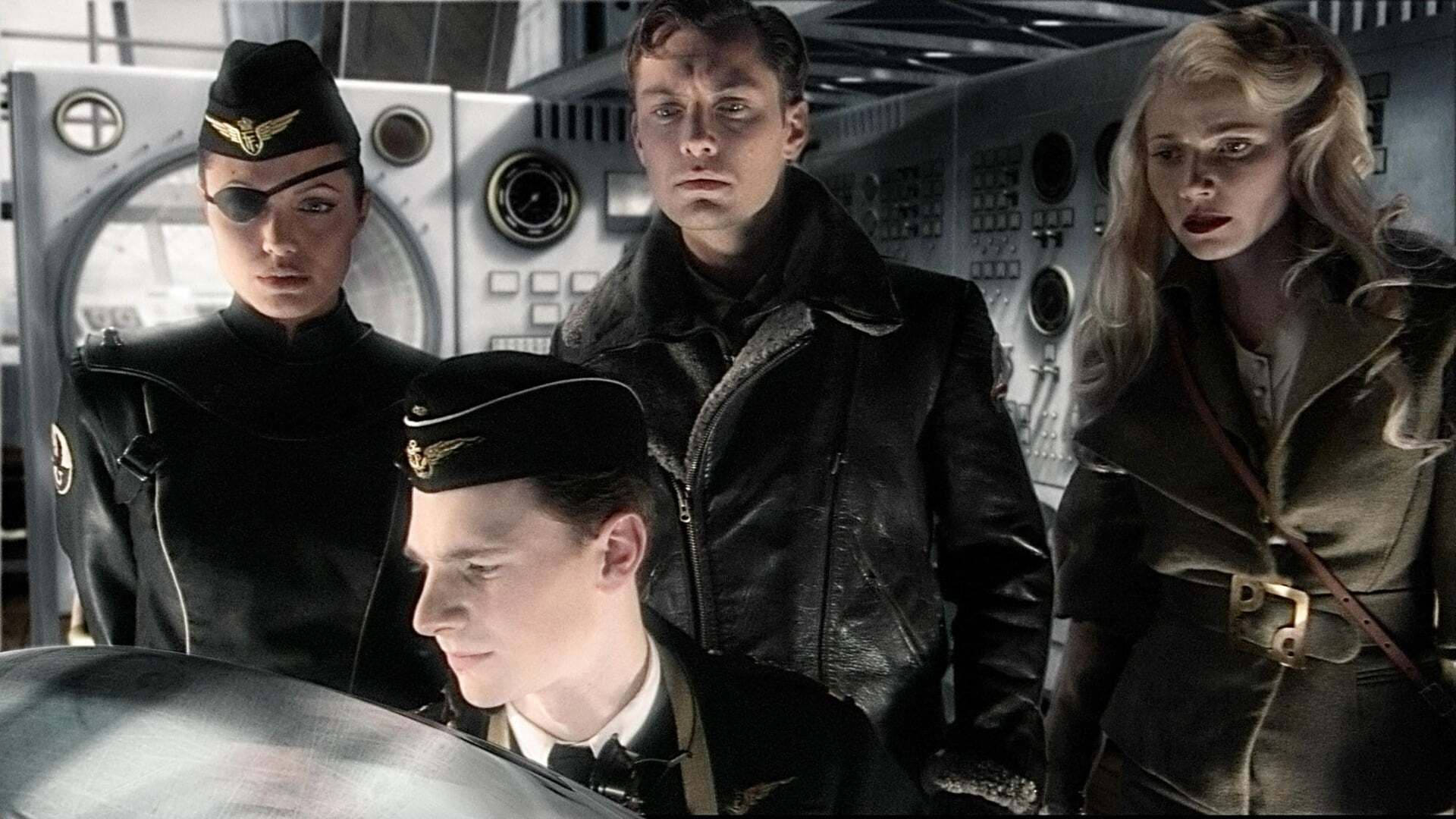
Sky Captain and the World of Tomorrow (2004) is a landmark achievement in digital cinematography that remains a subject of intrigue for modern audiences. While often associated with the era of Tom Hanks’s high-profile production work, the film is actually a visionary project written and directed by Kerry Conran, starring Jude Law, Gwyneth Paltrow, and Angelina Jolie. Understanding its technical significance and its place in film history requires separating popular misconceptions about casting from the reality of its groundbreaking visual production.
Contents
Disambiguation: Tom Hanks and the Project
It is common for audiences to associate mid-2000s high-concept projects with Tom Hanks, leading to persistent search queries regarding his involvement in Sky Captain and the World of Tomorrow. To clarify: Tom Hanks does not appear in the film, nor did he serve as a producer or executive on the project. The confusion likely stems from Hanks’s 2004 filmography, which included the similarly atmospheric The Polar Express, a film that shared Sky Captain’s pioneering interest in heavy CGI and motion-capture aesthetics. Sky Captain was produced by Jon Avnet, Sadie Frost, Jude Law, and Marsha Oglesby, and its distinct "dieselpunk" visual identity was primarily the result of Kerry Conran’s independent development, later backed by Paramount Pictures.
Technical Scope: The Revolution of Digital Sets
The primary reason Sky Captain and the World of Tomorrow remains relevant in 2026 is its methodology. It was one of the first feature-length films to be shot almost entirely against "blue screen," with entire environments—from the sprawling cityscapes of 1939 New York to the hidden island lairs—created via computer-generated imagery (CGI).
Production Methodology
Kerry Conran’s approach was an anomaly for 2004. Unlike contemporary blockbusters that utilized physical sets enhanced by digital effects, Conran utilized a "digital backlot." This allowed for camera movements that were physically impossible to capture with traditional film equipment at the time. By utilizing a "concept reel," Conran secured the participation of industry heavyweights who were drawn to the artistic risk of a fully synthetic environment.
Visual Aesthetic and "Dieselpunk"
The film draws heavily from the World of Tomorrow exhibition at the 1939 New York World’s Fair. Its aesthetic, often termed "dieselpunk," acts as a grittier, industrial cousin to "steampunk." The film’s color palette is intentionally desaturated, mimicking the technicolor and black-and-white grain of the 1930s and 40s. This choice was not merely stylistic but essential, as it allowed the nascent CGI of the era to blend more seamlessly with the live-action actors.
Comparative Performance and Industry Impact
When reviewing Sky Captain against the backdrop of 2004 cinema, it is important to analyze how its reliance on digital artistry affected its reception.
| Feature | Sky Captain (2004) | The Polar Express (2004) | Captain America: TFA (2011) |
|---|---|---|---|
| Technology | Blue Screen/CGI Hybrid | Full Motion Capture | Physical/Digital Hybrid |
| Core Aesthetic | Dieselpunk Noir | Photorealistic Animation | Period Superhero |
| Production | Independent Vision | Studio Heavyweight | Major Franchise |
| Legacy | CGI Workflow Pioneer | Animation Milestone | Genre Staple |
The film succeeded in demonstrating that digital environments could sustain a feature-length narrative. However, critics at the time pointed out that the "uncanny valley" effect—the discomfort felt when synthetic humans or environments look almost, but not quite, real—was a significant hurdle. In 2026, we can look back at this film as the necessary "growing pain" that paved the way for modern cinematic universes like those produced by Marvel or DC.
Critical Reception: A Balanced View
The film currently holds a complicated legacy. Upon release, it was lauded for its creativity but criticized for a narrative that some felt was secondary to its technical ambition.
Strengths
- Visual Originality: The film remains a singular aesthetic experience, untouched by the common tropes of 2000s action movies.
- Performance Quality: Despite working in a void, Jude Law and Gwyneth Paltrow deliver performances that respect the "screwball comedy" rhythm of 1940s cinema, which grounds the high-tech visuals.
- Historical Homage: The film serves as a love letter to the pulp serials of the early 20th century, such as Flash Gordon and Doc Savage.
Weaknesses
- Narrative Thinness: The screenplay lacks the emotional depth found in character-driven pieces of the same era.
- Technical Limitations: Certain sequences, viewed through a 2026 lens, exhibit the jagged edges of early-2000s rendering technology.
- Pacing Issues: The focus on set pieces sometimes results in a disjointed viewing experience.
The Evolution of the Digital Backlot
By 2026, the techniques pioneered in Sky Captain have become standard, yet they have evolved into what is now known as "Volume" technology—large LED walls that provide real-time backgrounds for actors. Sky Captain lacked this real-time feedback, meaning actors had to work with virtually no physical reference points. Understanding this context elevates the film from a simple curiosity to a historically significant experiment in human-computer collaboration on the silver screen.
FAQ: Understanding the World of Tomorrow
Is Sky Captain and the World of Tomorrow a sequel to another film? No, it is an original property. While it borrows heavily from the genre conventions of 1930s pulp magazines and science fiction serials, it is not part of a pre-existing franchise.
Why does the film look so different from other movies of its time? The film utilized a unique workflow where the background was generated first. The actors were then filmed in a sparse environment, and their performances were layered into the CGI. This inverted the traditional filmmaking process.
Is the film suitable for younger audiences? Yes. Sky Captain and the World of Tomorrow is rated PG. Its themes are consistent with classic adventure serials, featuring stylized robot battles and mild action that remains accessible for family viewing.
How does this movie relate to Tom Hanks's career? It does not. Despite online rumors, Tom Hanks has no professional or creative association with this film. His work in 2004 was focused on different genres, primarily dramatic and animation-led projects.
Where can I stream this film today? As of 2026, availability shifts between major streaming platforms. It is recommended to check services like Paramount+ or digital rental storefronts (such as Apple TV or Amazon Prime) to verify current availability in your specific region.
Final Recommendation
Sky Captain and the World of Tomorrow is recommended viewing for students of film history and fans of genre-bending science fiction. While it may not possess the narrative tightrope-walking of modern masterpieces, its visual audacity remains impressive. Viewers should approach it not as a standard action blockbuster, but as a bold, experimental artifact that helped define the digital frontier of cinema. If you appreciate the pulp aesthetic and wish to see the foundational work of modern CGI, this film remains an essential, if flawed, piece of the puzzle.
Image Gallery