Did Barry Bostwick Sing in Rocky Horror? Clarifying the Musical Role of Brad Majors
Yes, Barry Bostwick performed all of his own singing for the role of Brad Majors in the 1975 film The Rocky Horror Picture Show. Unlike many movie musicals of that era that utilized ghost singers or dubbed vocals, Bostwick was a traine...
Yes, Barry Bostwick performed all of his own singing for the role of Brad Majors in the 1975 film The Rocky Horror Picture Show. Unlike many movie musicals of that era that utilized ghost singers or dubbed vocals, Bostwick was a trained musical theater performer with extensive Broadway experience prior to being cast in the film.
Contents
The question of whether Barry Bostwick sang his own parts in the cult classic The Rocky Horror Picture Show often arises because his character, Brad Majors, possesses a clean, precise vocal style that contrasts sharply with the rock-and-roll grit of other cast members like Meat Loaf or Tim Curry. However, Bostwick’s contribution to the soundtrack is entirely authentic. As of 2026, the film remains a cornerstone of musical cinema, and Bostwick’s performance continues to be studied for its unique blend of "straight-man" theatricality and genuine vocal skill.
The Musical Pedigree of Barry Bostwick
To understand why Barry Bostwick sang his own parts in The Rocky Horror Picture Show, one must look at his professional trajectory before 1975. Bostwick was not a Hollywood actor attempting to sing for the first time; he was a seasoned veteran of the New York stage.
In 1972, Barry Bostwick originated the role of Danny Zuko in the Broadway production of Grease. His performance earned him a Tony Award nomination for Best Actor in a Musical. This role required significant vocal range and the ability to lead a high-energy musical production. The fact that he was the first actor to embody the iconic Zuko—a role later synonymous with John Travolta in the film version—underscores his legitimacy as a vocalist.
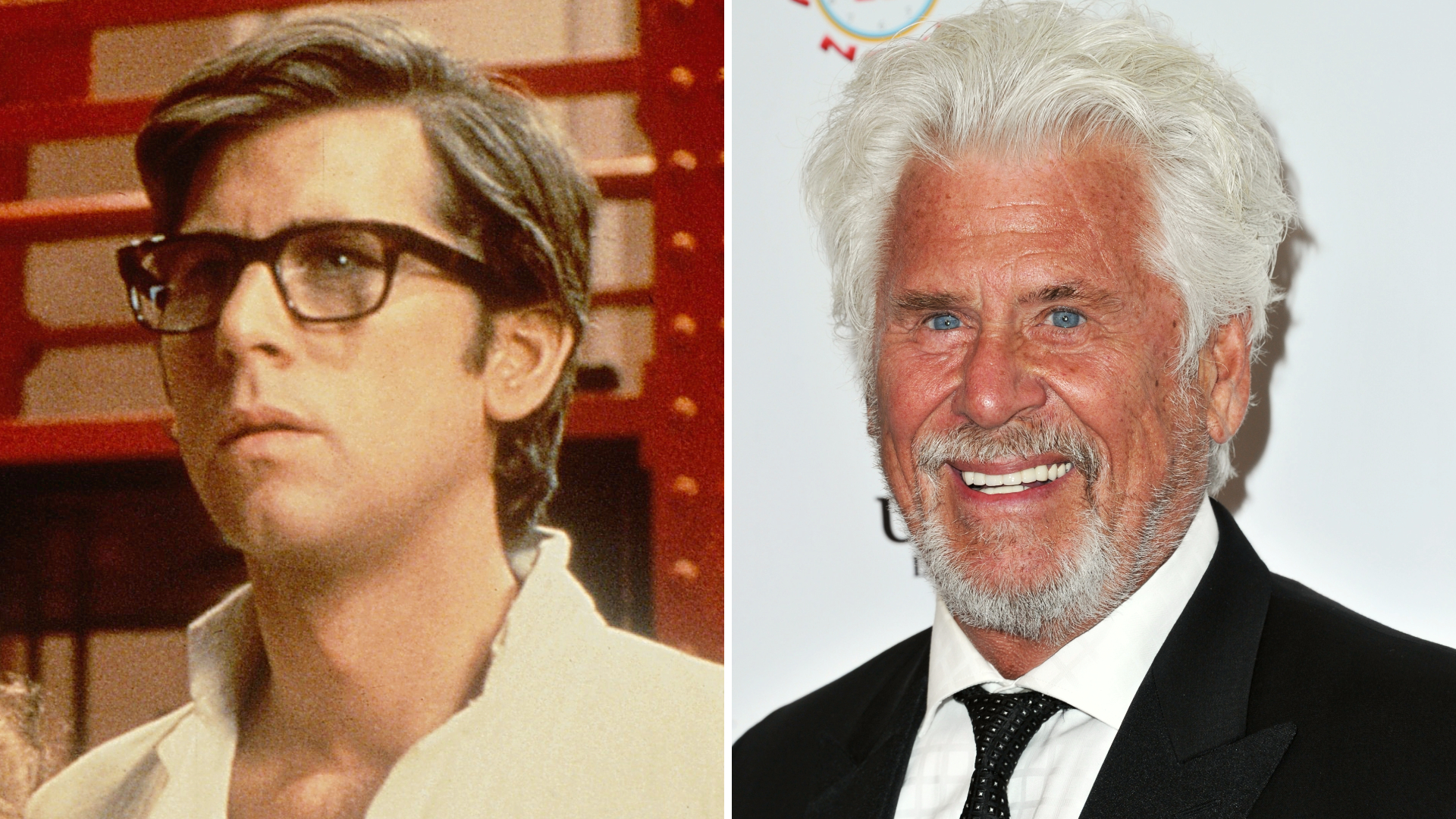
Furthermore, Bostwick appeared in the 1971 rock opera Soon and won a Tony Award later in 1977 for The Robber Bridegroom. When director Jim Sharman and creator Richard O’Brien were casting the film version of The Rocky Horror Picture Show, they sought performers who could handle the technical demands of the music while navigating the film's campy, transgressive tone. Bostwick’s background made him an ideal candidate for Brad Majors, providing a polished, "square" vocal counterpoint to the chaotic energy of Dr. Frank-N-Furter's mansion.
Analyzing the Vocals of Brad Majors
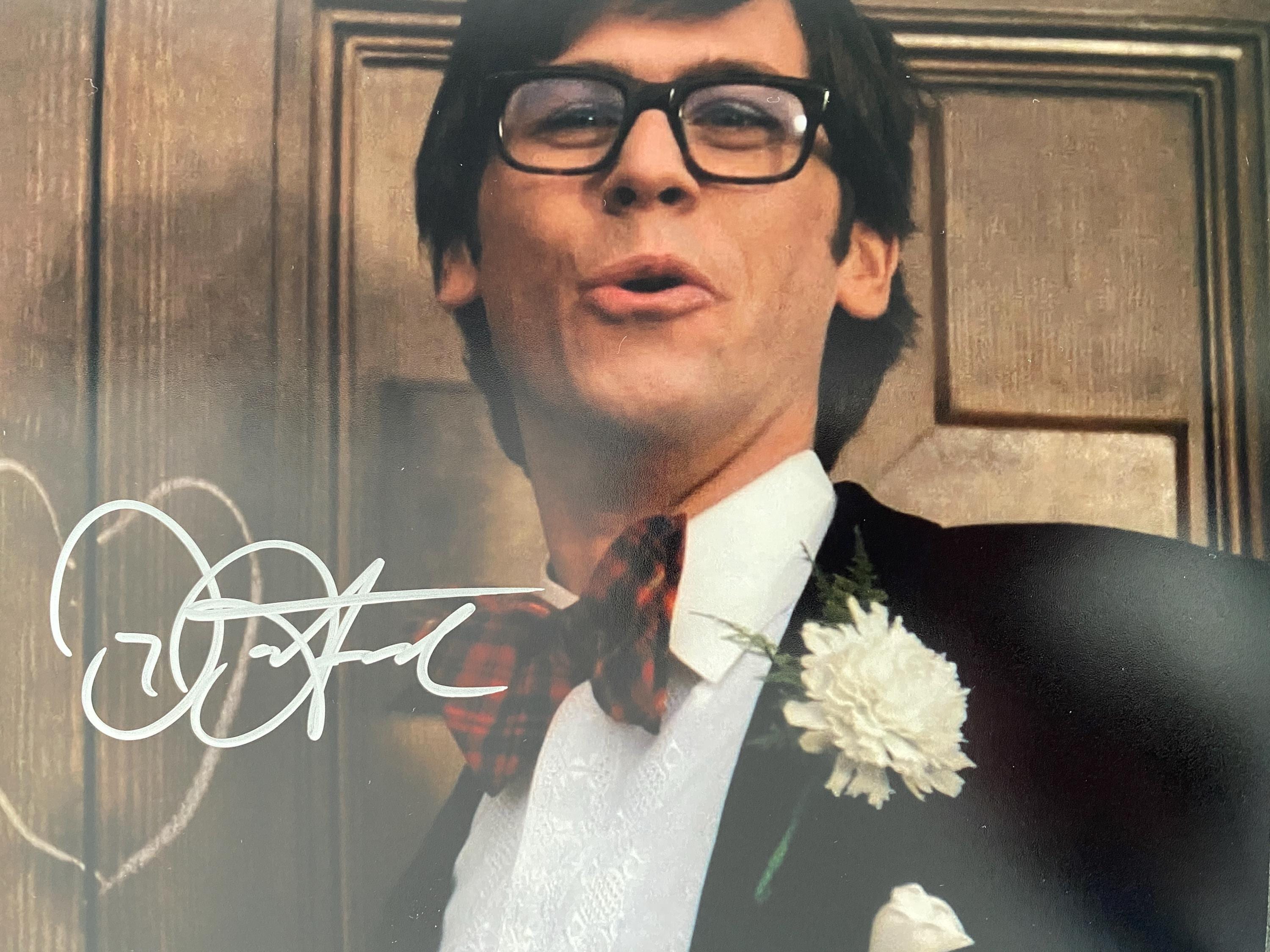
The role of Brad Majors requires a specific type of vocal delivery. Brad is designed to be the quintessential 1950s protagonist—stiff, earnest, and somewhat repressed. To convey this, Bostwick utilized a "legit" musical theater style, characterized by clear diction and a controlled vibrato.
Vocal Range and Style
Bostwick’s voice in the film is primarily a lyric baritone. His singing is technically proficient, maintaining pitch even during the more frantic ensemble numbers. In songs like "Dammit Janet," he employs a crooning style reminiscent of mid-century pop stars, which serves the narrative purpose of highlighting Brad’s innocence and conventionality.
As the film progresses and Brad’s character is "corrupted" by the inhabitants of the castle, his vocal delivery shifts slightly. By the time he reaches "The Floor Show" (also known as "Rose Tint My World"), Bostwick’s singing becomes more adventurous, incorporating the rock-influenced inflections required for the transition into fishnets and high heels.
Song-by-Song Breakdown of Bostwick’s Performance
Barry Bostwick is featured prominently on the original film soundtrack. His voice is distinct and easily identifiable across several key tracks.
"Dammit Janet"
This is Brad’s primary solo opportunity (shared with Susan Sarandon’s Janet Weiss). The song is a parody of 1950s engagement tropes. Bostwick’s vocals are intentionally theatrical and slightly over-the-top, emphasizing the character's nerdiness. He handles the melodic leaps with ease, proving his comfort with the musical's structural demands.
"Over at the Frankenstein Place"
In this atmospheric trio involving Brad, Janet, and Riff Raff (Richard O’Brien), Bostwick provides the steady middle-range support. His voice anchors the harmonies, allowing Sarandon’s soprano to soar and O’Brien’s eccentric delivery to punctuate the verses. The clarity of his voice here is essential for establishing the "normal" world before the characters enter the house.
"The Floor Show (Rose Tint My World)"
This late-film sequence is where Bostwick demonstrates his versatility. Moving away from the buttoned-up Brad, he participates in a rock-and-roll burlesque number. His vocals here are more aggressive and rhythmic, showing he could adapt to the glam-rock aesthetic of Richard Hartley’s arrangements.
"Super Heroes"
Often cut from American theatrical releases but present on the soundtrack and in the 2026 restored versions, "Super Heroes" is a somber, philosophical finale. Bostwick’s performance is restrained and melancholic, showcasing an emotional depth that moves beyond the parody found in the earlier acts.
The Recording Process at Olympic Studios
The music for The Rocky Horror Picture Show was recorded at the legendary Olympic Studios in London before principal photography began. This is standard practice for movie musicals; the actors record their vocals in a controlled studio environment, and then lip-sync to those recordings on set to ensure high audio quality.
Barry Bostwick worked closely with musical director Richard Hartley and composer Richard O’Brien during these sessions. Because the film was shot on a relatively low budget and a tight schedule, there was little room for error. Bostwick’s ability to deliver professional-grade vocal tracks quickly was a significant asset to the production. The "live" feel of the singing—complete with gasps, chuckles, and character-driven imperfections—was a deliberate choice by the production team to maintain the energy of the original stage show.
| Song Title | Lead/Ensemble | Vocal Style | Notable Feature |
|---|---|---|---|
| Dammit Janet | Lead (with Janet) | 1950s Crooner | Intentional "square" vibrato |
| Over at the Frankenstein Place | Lead/Harmony | Theatrical Pop | Precision in harmony with Riff Raff |
| The Time Warp | Ensemble | Background | Brief vocal interjections |
| Rose Tint My World | Lead (Segment) | Glam Rock | Significant shift in vocal grit |
| Don't Dream It, Be It | Ensemble | Choral | Soft, melodic blending |
| Super Heroes | Lead (with Janet) | Melancholic Ballad | Deep emotional resonance |
Comparative Vocal Dynamics: Brad vs. The Ensemble
Part of the reason viewers occasionally doubt Bostwick’s singing is the sheer variety of vocal styles present in the film. Understanding where Bostwick fits in the mix clarifies his role.
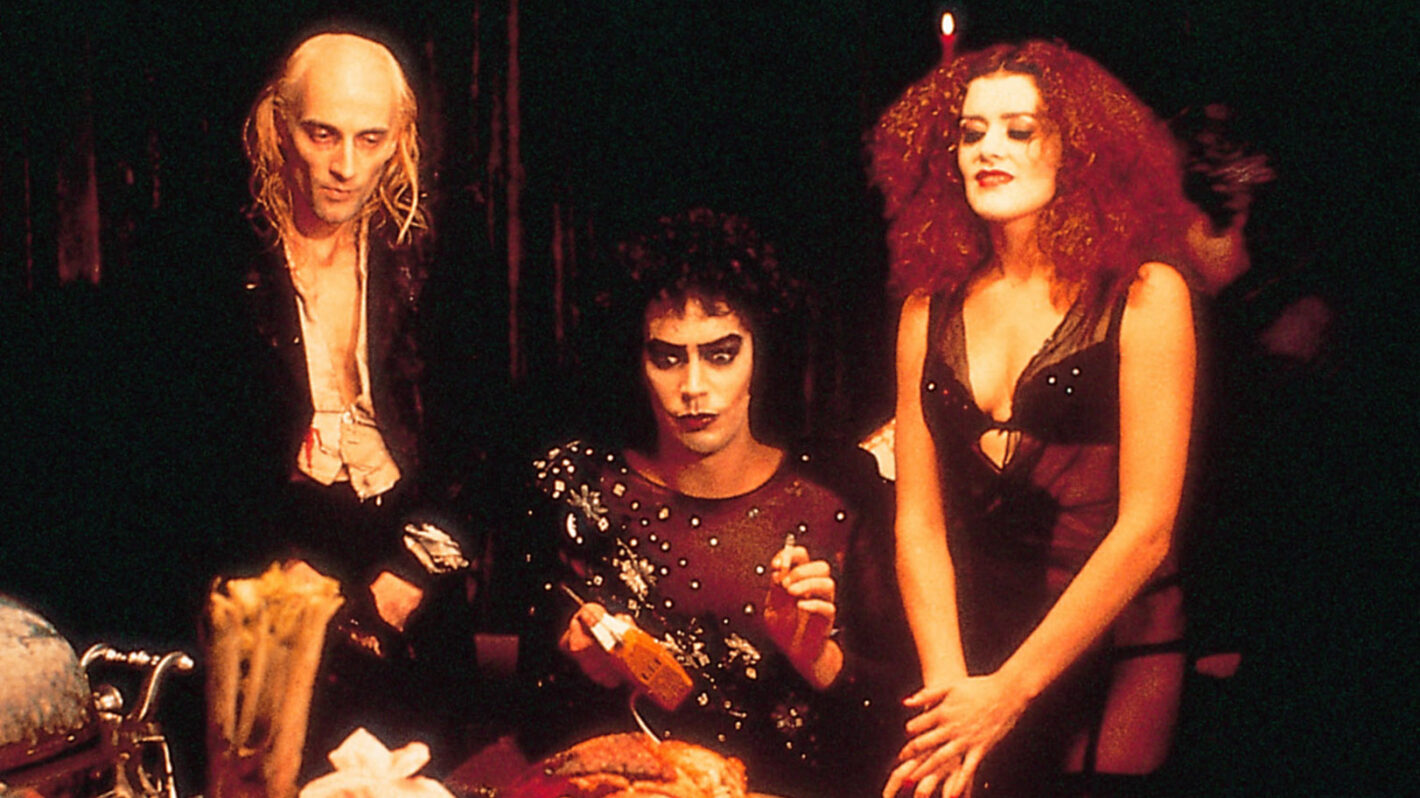
- Tim Curry (Frank-N-Furter): Curry utilized a heavy, growling rock belt with a faux-aristocratic English accent. His vocals were designed to be seductive and commanding.
- Susan Sarandon (Janet): Sarandon had less musical theater experience than Bostwick but possessed a natural, sweet soprano that suited the "ingenue" role perfectly.
- Meat Loaf (Eddie): As a professional rock singer, Meat Loaf brought a powerful, gravelly belt to "Hot Patootie – Bless My Soul" that was vastly different from the theatrical training Bostwick displayed.
- Richard O'Brien (Riff Raff): O'Brien used a high-pitched, nasal "character voice" that was highly stylized.
In this landscape, Barry Bostwick’s "clean" singing was a narrative tool. He represented the "normal" world, and his technical proficiency provided the necessary contrast to the "unconventional" vocalizations of the Transylvanians.
Why Rumors of Dubbing Persist
Despite his clear credits, rumors sometimes persist that Bostwick was dubbed. This is usually due to two factors:
- The "Hollywood Tradition": Many famous movie musicals (such as My Fair Lady or West Side Story) famously used ghost singers like Marni Nixon to dub lead actors. Audiences sometimes assume this was the case for all musicals of that era.
- The Perfection of the Tracks: Because Bostwick was so technically sound in the studio, his lip-syncing on set was very precise. To the untrained eye, the synchronization might seem "too perfect," leading to the mistaken belief that a professional singer was brought in to replace the actor's voice.
However, historical records, cast interviews, and the original Olympic Studios session logs all confirm that the voice of Brad Majors is 100% Barry Bostwick.
Frequently Asked Questions
Did Barry Bostwick sing in the original stage play of Rocky Horror?
No. Barry Bostwick was not part of the original London or Los Angeles stage casts. He was cast specifically for the 1975 film. The role of Brad Majors in the original Roxy cast (L.A.) was played by Bill Miller. Bostwick's interpretation, however, became the definitive version of the character for many fans.
Has Barry Bostwick sung in other movies?
Yes. Bostwick’s musical career extended beyond Rocky Horror. He appeared in the 1978 film Movie Movie, which featured musical segments, and has participated in various musical specials and stage revivals throughout his career. His vocal ability remained a key part of his professional toolkit for decades.
Was Susan Sarandon's singing real too?
Yes, Susan Sarandon also did her own singing in The Rocky Horror Picture Show. While she did not have the same extensive musical theater background as Bostwick at the time, she worked with the vocal coaches and musical directors to deliver her tracks for "Touch-a, Touch-a, Touch-a, Touch Me" and other songs.
Why does Brad's voice sound different in "The Floor Show"?
Brad’s voice sounds different in "The Floor Show" because the character is undergoing a psychological and physical transformation. Barry Bostwick intentionally altered his vocal quality to sound more "liberated" and rock-oriented, matching the frantic, hedonistic energy of the film's climax.
Did any actors in Rocky Horror NOT sing their own parts?
The main cast members all performed their own vocals. However, in some of the larger ensemble numbers like "The Time Warp," the "Transylvanians" (the background dancers) were supplemented by professional session singers in the studio to create a fuller, more robust sound. This is a common technique in soundtrack production.
Final Recommendation for Fans and Researchers
For those looking to appreciate Barry Bostwick’s vocal contribution fully, it is recommended to listen to the 2015 40th Anniversary Soundtrack or the 2025 High-Resolution Audio remasters. These versions provide the clearest separation of vocal tracks, allowing listeners to hear the nuances of Bostwick's performance—especially his vibrato and breath control in "Over at the Frankenstein Place."
Watching his performance with the knowledge that he was the original Danny Zuko on Broadway adds a layer of appreciation for the technical skill he brought to the "dorky" Brad Majors. His ability to mask a powerful Broadway voice behind the character’s nasal, hesitant persona is a testament to his skill as both a singer and an actor.
Image Gallery