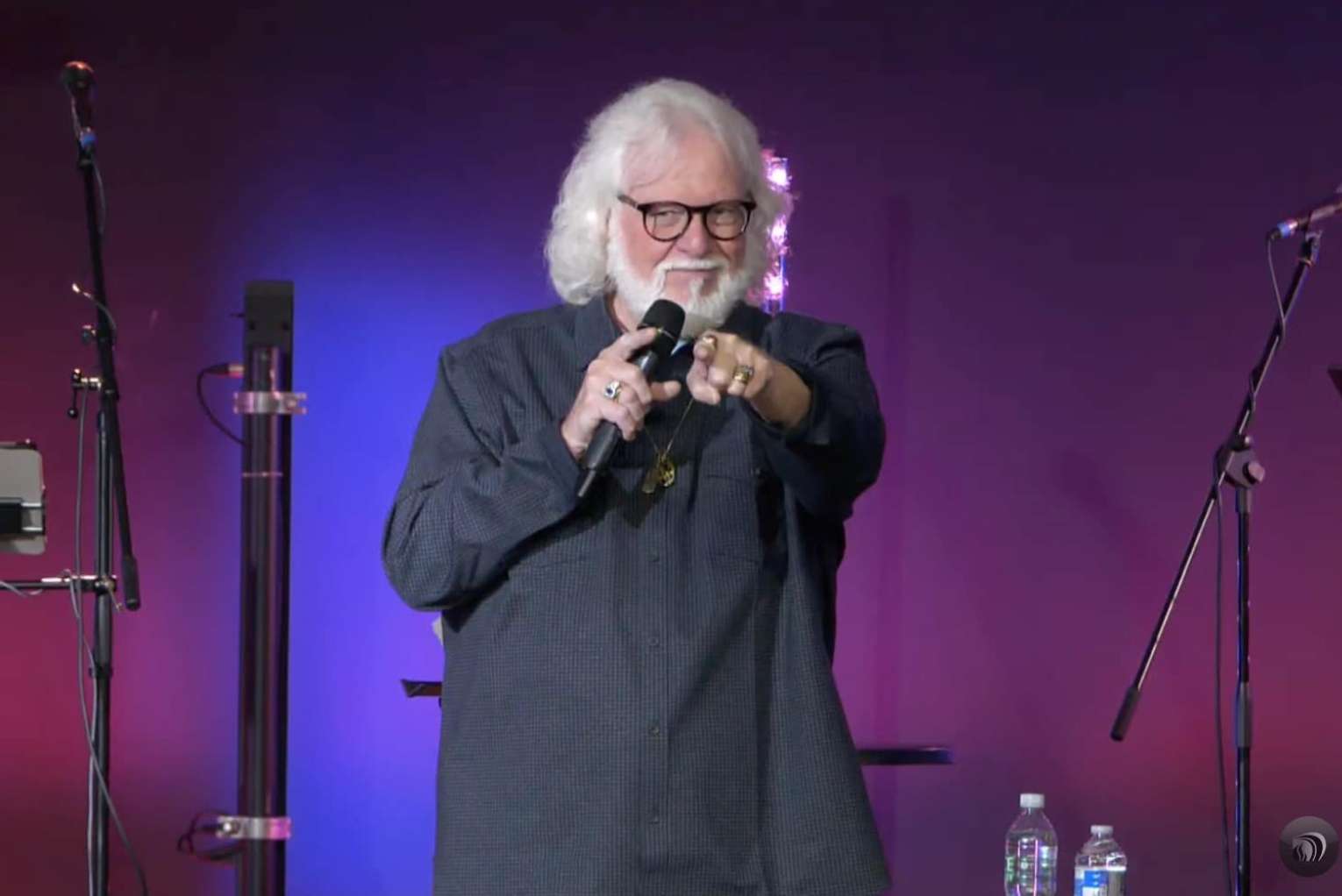
Understanding the Ministry and Church Affiliation of Chuck Pierce
Chuck Pierce is a prominent figure within the Charismatic and Pentecostal movements, primarily known for his leadership roles in Global Spheres, Inc. and the Zion ministerial network. Rather than serving as the pastor of a traditional...
Chuck Pierce is a prominent figure within the Charismatic and Pentecostal movements, primarily known for his leadership roles in Global Spheres, Inc. and the Zion ministerial network. Rather than serving as the pastor of a traditional local congregation with a single physical building, Pierce operates through a complex organizational structure focused on international prophetic ministry, strategic prayer initiatives, and apostolic training.
Contents
The Organizational Structure of Chuck Pierce’s Ministry
To understand "what is Chuck Pierce’s church," one must first distinguish between a standard denominational church and the apostolic network model. Chuck Pierce does not preside over a singular, local church in the conventional sense of a neighborhood congregation that focuses solely on weekly Sunday services for a specific geographic community. Instead, his ministry is anchored in an organizational entity known as Global Spheres, Inc. (GSI), located in Corinth, Texas.
Global Spheres, Inc. functions as a base for a vast, interconnected network of ministries. It serves as an apostolic center—a term used by practitioners of the New Apostolic Reformation (NAR) to describe a hub that provides training, oversight, and strategic direction to various independent ministers and church plants globally. The facility in Corinth serves as a headquarters where regular "gatherings" are held, which function similarly to church services but are often focused on prophetic revelation, spiritual warfare, and geopolitical intercession.
Defining the Global Spheres Apostolic Center
The Global Spheres Center is the operational focal point for Pierce’s activities. While it maintains elements of a church, such as regular worship events and biblical teaching, its primary objective is "apostolic equipping." In this model, the organization acts as a resource center for a network of leaders who may reside in different parts of the world.
For those attempting to identify his "church," it is more accurate to view it as a corporate and spiritual network. The individuals who participate in his ministry often belong to their own local churches while simultaneously identifying as part of the Global Spheres network for spiritual covering, mentorship, and strategic alignment. This dual-membership approach is common in the apostolic-prophetic stream of Christianity, where ministers seek out non-denominational apostolic leaders for guidance rather than relying strictly on the hierarchy of a traditional denomination.
Core Beliefs and Ministry Practices
The practice of faith within the circles led by Chuck Pierce is characterized by several specific tenets common to the Charismatic movement. These include:
- Prophetic Intercession: A belief that individuals can receive direct revelations from God regarding current events, personal futures, and the spiritual condition of nations.
- Strategic Warfare: The conviction that spiritual battles are fought in the "heavenly realms," and that coordinated prayer and declarations can influence real-world outcomes.
- Apostolic Oversight: The belief that modern-day apostles—leaders who hold spiritual authority over regions or ministries—are essential for the governance of the church in the modern era.
- The Power of Decrees: A practice centered on the idea that speaking biblical promises aloud can create changes in reality or facilitate divine intervention.
These practices distinguish the Global Spheres network from more traditional Protestant denominations, which typically focus on sacramental liturgy, local pastoral care, and denominational governance. In contrast, Pierce’s focus is on global networking, movement-building, and mobilizing intercessors for specific prayer campaigns.
Comparison of Traditional Church vs. Apostolic Network Models
The table below outlines the functional differences between a traditional local church and the apostolic network structure led by figures such as Chuck Pierce.
| Feature | Traditional Local Church | Apostolic Network (GSI) |
|---|---|---|
| Primary Focus | Local congregation care | Networking and leadership training |
| Governance | Denominational board or elder board | Apostolic leader and executive team |
| Membership | Based on local attendance/baptism | Based on voluntary affiliation/covenant |
| Geographic Scope | Limited to a local community | International and distributed |
| Main Objective | Discipleship and community worship | Strategic intercession and equipping |
Interaction with the Public and Digital Presence
In 2026, the reach of the ministry is largely defined by its digital infrastructure. Because the "church" is not limited to a physical building, the primary interface for most followers is through digital media. Global Spheres produces a high volume of video content, newsletters, and online streaming events that allow supporters to engage with the ministry remotely.
For followers, "attending church" with Chuck Pierce often means participating in these online sessions or attending the large-scale annual conferences held at the Corinth, Texas, facility. These conferences draw attendees from around the world who align themselves with the theological framework Pierce provides. The ministry functions as a hub of information, where followers receive updates on what they believe to be the "moving of the Spirit" in global politics, economics, and religion.
Common Misconceptions Regarding the Ministry
One of the most frequent points of confusion for newcomers is the expectation of finding a typical parish-style institution. When people ask "what is Chuck Pierce’s church," they are often looking for a place to attend weekly services, find local community events, or seek personal pastoral counseling.
It is important to note that the Global Spheres Center is not a parish in the traditional sense. It does not provide the same services as a community-based church, such as local food banks, neighborhood youth groups, or standard pastoral home visits. Instead, it functions as an enterprise dedicated to the development of a global network of ministries. Those seeking spiritual care are usually directed to their own local congregations, while Global Spheres provides the "visionary" and "strategic" input that members apply within their own environments.
Navigating the Network as a Supporter
For individuals interested in the ministry, participation is typically tiered:
- Virtual Participation: This is the most common entry point, involving watching broadcasts and engaging with social media content released by the Global Spheres team.
- Conference Attendance: Traveling to the Texas center for specific events allows supporters to engage in the atmosphere of the movement and network with other like-minded leaders.
- Affiliation: Some ministers choose to formally align their own local ministries with the Global Spheres network, receiving recognition and access to training resources.
This structure allows the ministry to maintain a massive global footprint without the overhead and logistical challenges of running thousands of physical, brick-and-mortar buildings. It represents a shift in modern Christianity where identity is built around a "brand" or a specific "apostolic leader" rather than a specific street address.
Frequently Asked Questions
Is Chuck Pierce a pastor of a church? Chuck Pierce is ordained, but he does not function as a pastor of a local congregation. He is primarily known as an apostle and prophetic leader who provides oversight and training to an international network of ministers rather than focusing on the daily care of a single local flock.
Where is the headquarters for his ministry? The operational center for his ministry, Global Spheres, Inc., is located in Corinth, Texas. This facility serves as the hub for training, strategic conferences, and administrative operations.
Can anyone attend the events in Corinth? Yes, most of the major events hosted at the Global Spheres Center are open to the public. However, they are usually ticketed conferences rather than typical Sunday morning services, and attendees are expected to have an interest in the specific prophetic and apostolic teachings associated with the ministry.
How does this ministry differ from a traditional denomination? Traditional denominations often have strict doctrinal standards, geographical dioceses or districts, and formal ordination tracks. The network led by Chuck Pierce is non-denominational, focusing on personal relationship, prophetic alignment, and strategic collaboration rather than adherence to a specific denominational history or creed.
Does this ministry offer local community services? As the ministry is not structured as a neighborhood church, it does not typically offer traditional local community services like daycare, neighborhood food pantries, or local parish counseling. Its services are geared toward ministerial leaders and global prayer initiatives.
Next Steps for Engagement
If you are seeking to understand the movement further, the most effective first step is to visit the official website of Global Spheres, Inc. There, you can review their current schedule of events and access their library of teaching materials. This will provide direct insight into the specific prophetic themes and strategic goals currently being prioritized by the leadership. Evaluate whether these teachings align with your own spiritual goals before considering attendance at any physical or digital conferences, as the theological emphasis of this ministry is specific and distinct from mainstream, non-charismatic Christianity.
Image Gallery