What Causes ACL Injuries in Sports Explained
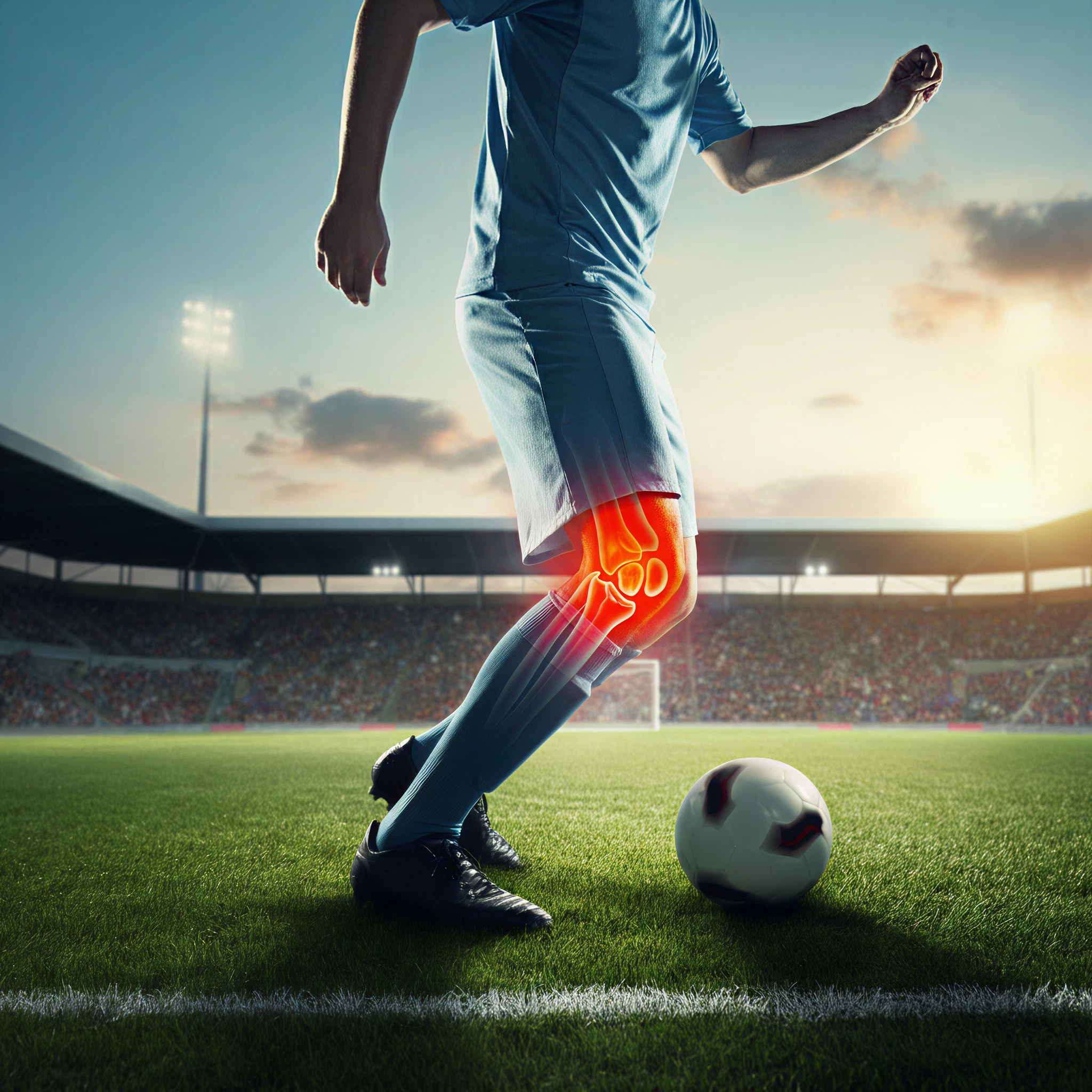
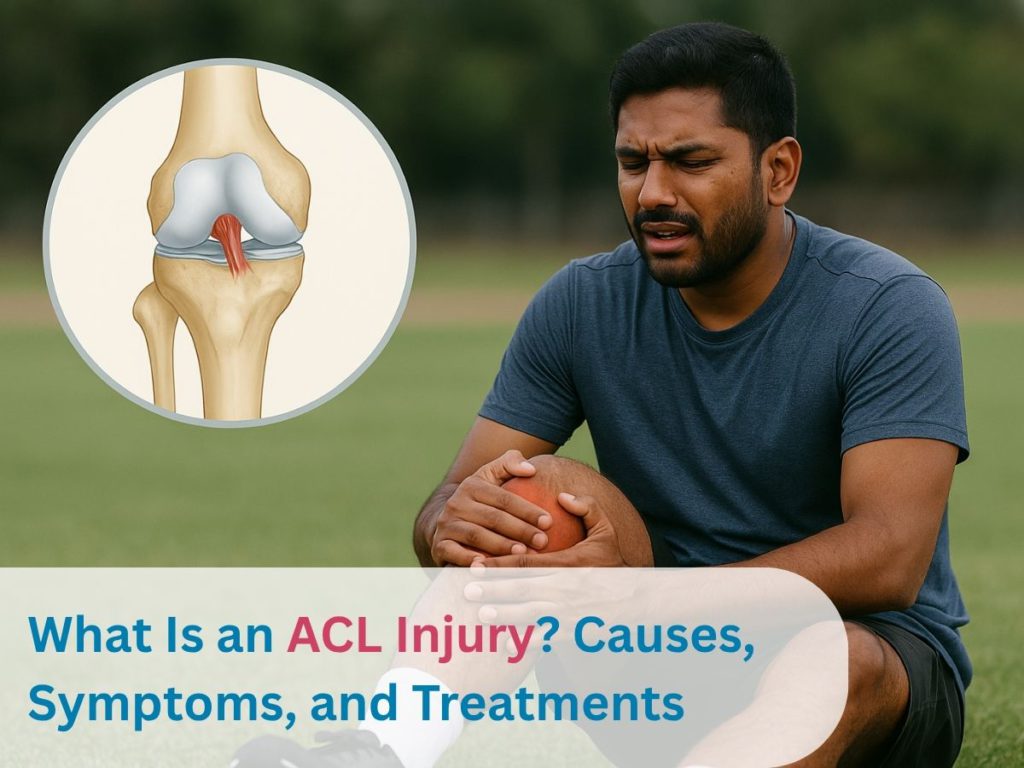
Anterior Cruciate Ligament (ACL) injuries in sports are primarily caused by sudden deceleration, sharp pivoting maneuvers, awkward landings from jumps, or direct physical impact to the knee. These actions place excessive rotational or...
Anterior Cruciate Ligament (ACL) injuries in sports are primarily caused by sudden deceleration, sharp pivoting maneuvers, awkward landings from jumps, or direct physical impact to the knee. These actions place excessive rotational or linear stress on the ligament, exceeding its tensile strength and resulting in a partial or complete tear.
Contents
The ACL is one of the four major ligaments that stabilize the human knee joint. As sports have become faster and more physically demanding in 2026, the incidence of these injuries remains a significant concern for athletes ranging from weekend warriors to elite professionals. Understanding the mechanics, biological predispositions, and environmental factors behind these injuries is the first step toward effective prevention and recovery.
The Anatomy and Function of the ACL
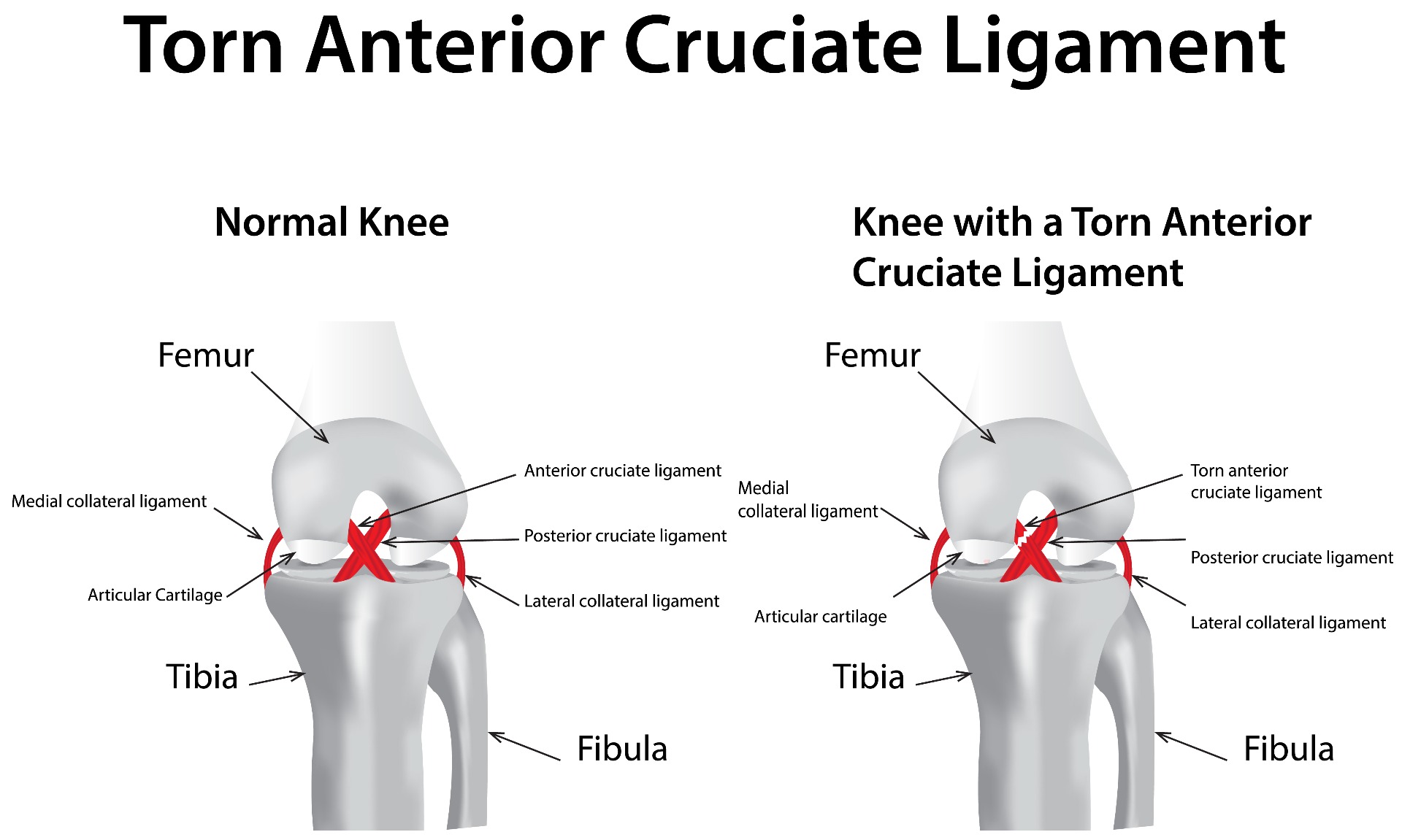
To understand why the ACL fails, one must first understand its role in the complex machinery of the knee. The knee is a hinge joint where the femur (thigh bone) meets the tibia (shin bone). The ACL is located deep inside the joint, crossing diagonally from the back of the femur to the front of the tibia.
Its primary physiological functions include:
- Preventing Anterior Translation: It stops the tibia from sliding out in front of the femur.
- Rotational Stability: It provides the necessary resistance to rotational forces when the foot is planted and the body turns.
- Proprioception: The ligament contains nerve endings that send signals to the brain regarding the knee's position in space, which helps coordinate muscle contractions.
When an athlete performs an explosive movement, the ACL acts as a primary "tether." If the forces applied to this tether are greater than the collagen fibers can withstand, the ligament undergoes a failure, commonly known as a "pop" or a tear.
Primary Mechanisms of ACL Injuries
Research into sports biomechanics categorizes ACL injuries into two distinct types: non-contact and contact injuries. Statistically, approximately 70% to 80% of ACL injuries in sports are non-contact in nature, meaning the athlete was not hit by another player at the moment of the tear.
1. Sudden Deceleration and Cutting
This is the most frequent cause of ACL tears in sports like soccer, basketball, and American football. When an athlete is running at high speed and needs to change direction rapidly (cutting), they plant their foot firmly on the ground. If the knee is slightly bent and the body rotates over the planted foot, a massive amount of torque is applied to the ACL. If the muscles (hamstrings and quadriceps) do not fire in perfect synchrony to stabilize the joint, the ligament bears the full load and fails.
2. Awkward Landings
Landing from a jump is a high-risk moment for basketball players and gymnasts. An "ACL-safe" landing involves bending the knees and hips to absorb the impact. However, if an athlete lands with "stiff" knees (extended) or if the knees cave inward (valgus collapse), the ground reaction forces travel directly through the skeletal structure rather than being dissipated by the muscles. This sudden "jarring" motion can snap the ACL instantly.
3. Direct Contact (The "Clipping" Injury)
While less common than non-contact tears, contact injuries are often more severe because they frequently involve damage to other structures like the MCL (Medial Collateral Ligament) or the meniscus. This occurs when an external force, such as a helmet or a shoulder, strikes the outside of the knee while the foot is planted. This forces the knee inward, stretching the ACL beyond its breaking point.
Biomechanical and Physical Risk Factors
Beyond the immediate movement, several underlying factors determine why one athlete might suffer a tear while another does not under the same conditions.
Neuromuscular Control
Neuromuscular control refers to the brain’s ability to tell the muscles how to react to sudden changes in position. Athletes with "quadriceps dominance"—where the front thigh muscles are significantly stronger or more active than the hamstrings—are at higher risk. The quadriceps pull the tibia forward, which stresses the ACL, while the hamstrings pull the tibia backward, protecting the ACL. A lack of hamstring strength or delayed firing is a primary contributor to injury.
The "Valgus" Collapse
Dynamic knee valgus is a movement pattern where the knee collapses inward toward the midline of the body during squatting, jumping, or pivoting. This "knock-kneed" position places the ACL in a vulnerable mechanical disadvantage. It is often caused by weak hip abductors (gluteus medius), which fail to keep the femur properly aligned over the foot.
Gender-Specific Physiological Factors
In 2026, sports medicine continues to highlight the significantly higher rate of ACL injuries in female athletes—up to 4 to 6 times higher than in males in similar sports. Several theories explain this:
- Intercondylar Notch Width: Females often have a narrower notch in the femur where the ACL resides, which may lead to "impingement" of the ligament.
- Q-Angle: A wider pelvis leads to a sharper angle between the hip and the knee (the Q-angle), which naturally increases the tendency for the knee to collapse inward.
- Hormonal Influence: Fluctuations in estrogen and relaxin can affect ligament laxity, although this remains a point of ongoing clinical study.
Environmental and Equipment Factors
The "stage" upon which sports are played also dictates injury risk. The friction between the shoe and the playing surface (the shoe-surface interface) is critical.
- Artificial Turf vs. Natural Grass: Modern synthetic turf has improved, but it still often provides more "grip" or "traction" than natural grass. High traction prevents the foot from sliding slightly during a pivot; if the foot is stuck while the body moves, the knee must absorb the rotation.
- Footwear Choice: Using cleats that are too long for the specific surface can cause the foot to "lock" into the ground. In 2026, many professional teams use digital scanning to customize cleat patterns to the specific density of the turf to mitigate this risk.
| Injury Mechanism | Common Sport | Primary Movement | Typical Severity |
|---|---|---|---|
| Non-Contact Pivot | Soccer / Basketball | Rapid change of direction | Complete Tear |
| Landing Impact | Gymnastics / Volleyball | Landing with locked knees | Tear + Bone Bruise |
| Lateral Blow | Football / Rugby | Hit to the outside of knee | Multi-ligament injury |
| Deceleration | Tennis / Ultimate Frisbee | Sudden stop from sprint | Partial or Complete Tear |
Prevention Strategies and Training
While not all ACL injuries are preventable, evidence-based training programs have been shown to reduce risk by as much as 50%. These programs focus on "re-training" the body's movement patterns.
- Plyometrics: Training athletes how to jump and land with proper alignment (knees over toes, soft landings).
- Eccentric Hamstring Strength: Exercises like Nordic Hamstring Curls help the muscle act as a "brake" for the tibia.
- Balance and Stability: Using wobble boards or single-leg drills to improve the proprioceptive feedback from the knee to the brain.
- Agility Drills: Practicing cutting maneuvers under controlled conditions where coaches can correct "valgus" caving in real-time.
Professional organizations now mandate these "PEP" (Prevención de Lesiones y Optimización del Rendimiento) programs during pre-season training to ensure athletes have the foundational strength to protect their joints.
Diagnosis and Modern Treatment in 2026
When an ACL injury is suspected, the standard protocol involves a physical exam (such as the Lachman test or Anterior Drawer test) followed by an MRI. In 2026, high-resolution 3T MRI technology allows surgeons to see not just the tear, but the quality of the remaining tissue, which influences the choice of treatment.
Treatment options generally fall into two categories:
- Conservative Management: This involves intensive physical therapy to strengthen the surrounding muscles. This is typically reserved for non-athletes or those in "low-demand" sports (cycling, swimming).
- Surgical Reconstruction: For athletes intending to return to pivoting sports, the ligament is replaced with a graft. Modern techniques in 2026 frequently utilize "Internal Bracing," a high-strength fiber tape that supports the new graft during the healing process, potentially allowing for faster rehabilitation.
Frequently Asked Questions
Can I walk with a torn ACL? Yes, many people can walk in a straight line with a torn ACL because walking does not require significant rotational stability. However, the knee may feel "unstable" or like it is "giving out" if you attempt to turn or walk on uneven ground. Initial swelling and pain usually subside after 2-4 weeks, but the structural instability remains.
Does a "pop" always mean a torn ACL? While a loud, felt, or heard "pop" during a non-contact pivot is a classic sign of an ACL tear, it is not definitive. A pop could also indicate a patellar dislocation or a severe meniscus tear. However, approximately 80% of sports-related knee "pops" accompanied by immediate swelling are diagnosed as ACL injuries.
How long is the recovery time in 2026? While surgical techniques have advanced, the biological healing of a graft still takes time. Most athletes return to competitive sports between 9 and 12 months. Some "accelerated" protocols exist for elite athletes, but returning too early significantly increases the risk of a secondary tear.
Is surgery mandatory for a partial ACL tear? No. Many partial tears can be managed through specialized physical therapy designed to improve neuromuscular control. If the knee remains stable during functional testing and the athlete does not experience "giving way," they may avoid surgery. However, the decision is highly dependent on the athlete's sport and activity level.
Are there long-term effects of an ACL injury? Yes. Even with successful surgery, individuals who have suffered an ACL tear have a higher risk of developing knee osteoarthritis later in life. This is due to the "bone bruise" that often occurs at the moment of injury and subtle changes in the joint’s loading mechanics after the tear.
Next Steps for Athletes
If you suspect you have injured your ACL, the immediate priority is the R.I.C.E. protocol (Rest, Ice, Compression, Elevation) to manage swelling. You should consult an orthopedic specialist or a sports medicine professional for a clinical evaluation. Do not attempt to "play through" the pain, as an unstable knee is highly susceptible to further damage to the meniscus and cartilage, which can lead to permanent joint degradation.
Image Gallery