Exploring the Cornell University Visitor Center: Services, Tours, and Resources
The Cornell University Visitor Center, officially known as the Martin Y. Tang Welcome Center, provides a comprehensive gateway for prospective students, families, and tourists. It offers guided campus tours, detailed navigational resou...
The Cornell University Visitor Center, officially known as the Martin Y. Tang Welcome Center, provides a comprehensive gateway for prospective students, families, and tourists. It offers guided campus tours, detailed navigational resources, historical exhibits, and expert staff assistance to help visitors navigate the university’s expansive Ithaca campus and its diverse academic offerings.
Contents
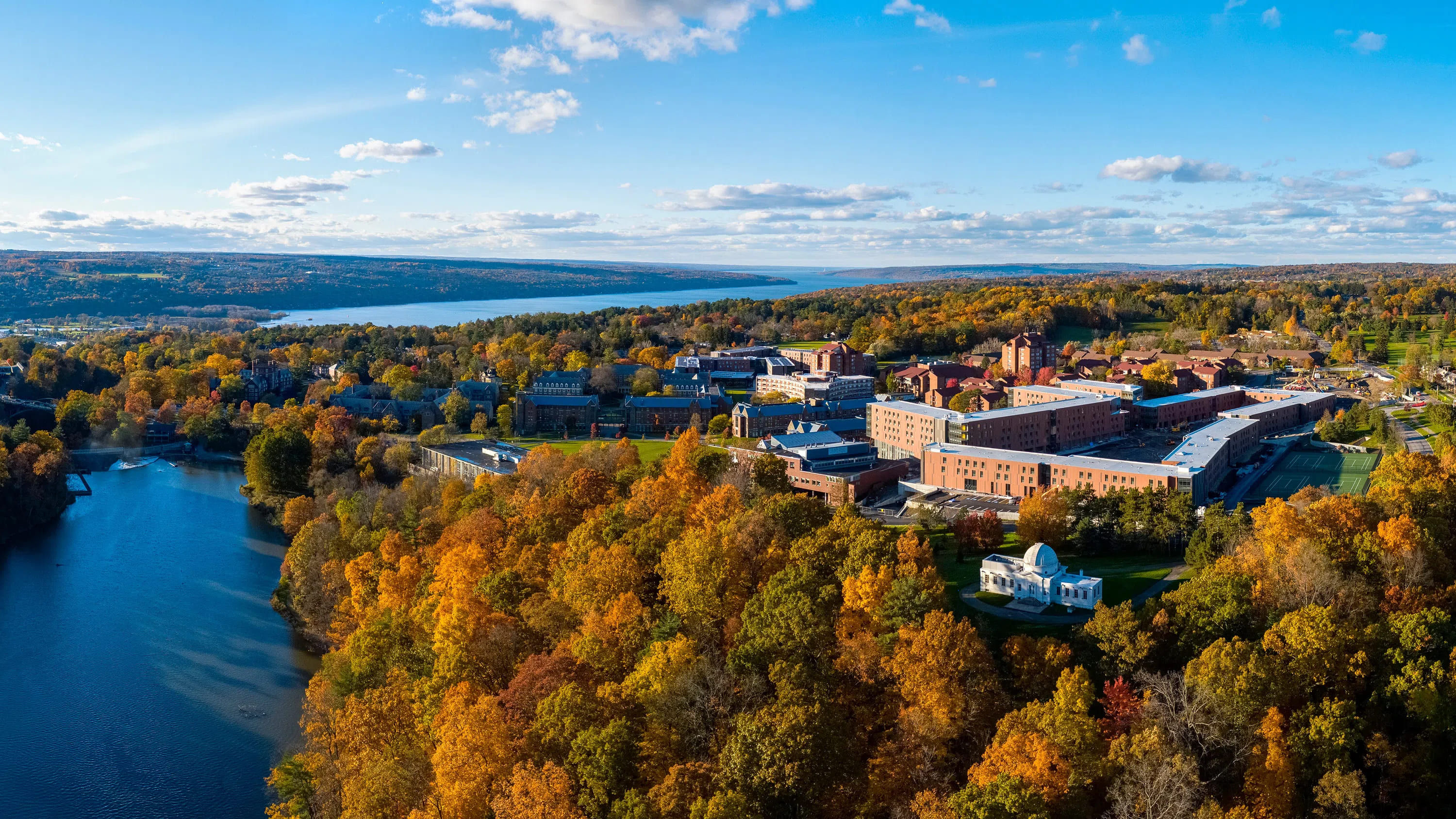
Located in the beautifully renovated Noyes Lodge overlooking Beebe Lake, the visitor center is designed to be the first point of contact for anyone arriving at the university. As of 2026, it continues to serve as the hub for Cornell’s institutional hospitality, blending modern digital resources with personalized human guidance. Whether you are a high school junior beginning your college search or a curious traveler exploring the Finger Lakes region, the center provides the tools necessary to experience one of the world's leading research institutions.
The Core Functions of the Martin Y. Tang Welcome Center
The primary mission of the Cornell Visitor Center is to demystify the university's 2,300-acre campus. Because Cornell is unique in its structure—composed of both endowed and state-contract colleges—the center provides essential clarity on how the university operates.
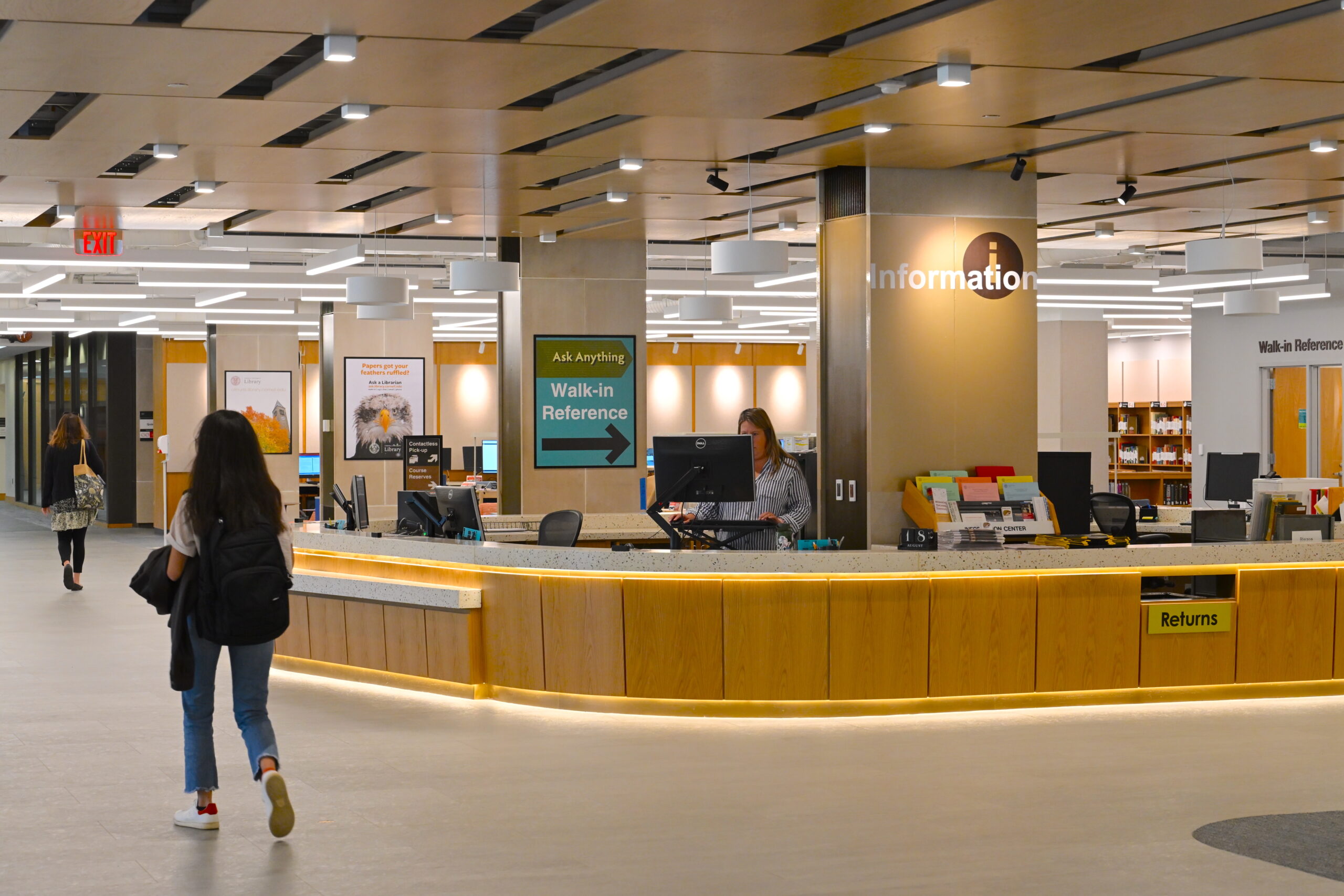
Centralized Information and Wayfinding
The "Ithaca is Gorges" slogan translates to a campus that is physically stunning but topographically challenging. The Visitor Center provides high-quality, up-to-date physical maps and digital wayfinding tools. Staff members are trained to assist with:
- Route Planning: Navigating the steep inclines between West Campus, Central Campus, and North Campus.
- Parking Logistics: Directing visitors to the appropriate parking garages (such as Hoy Road or Forest Home) and explaining the ParkMobile system used throughout Ithaca.
- Transportation Guidance: Offering schedules and route information for the TCAT (Tompkins Consolidated Area Transit) bus system, which is the primary mode of public transport for students and visitors alike.
Historical and Cultural Exhibits
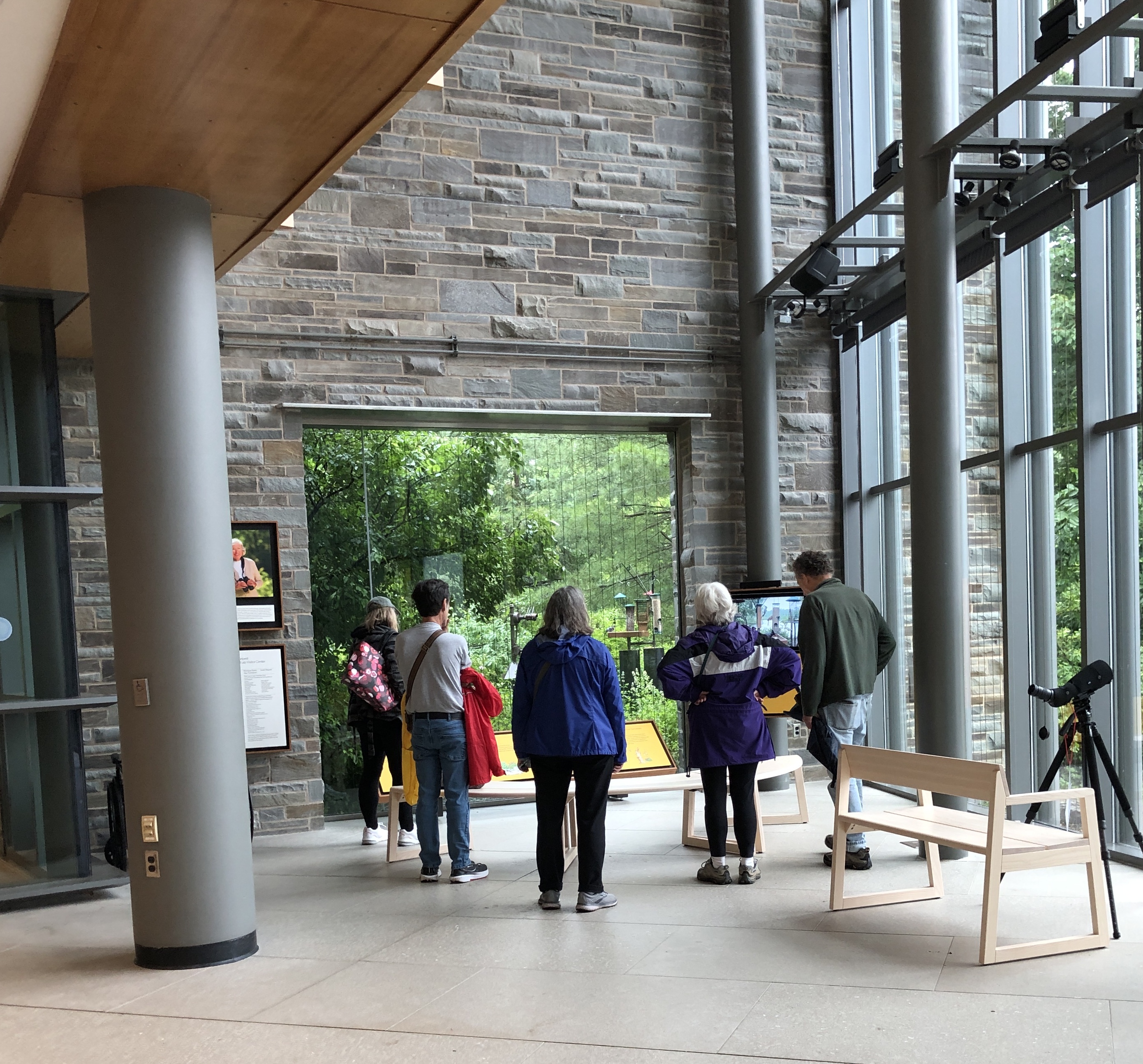
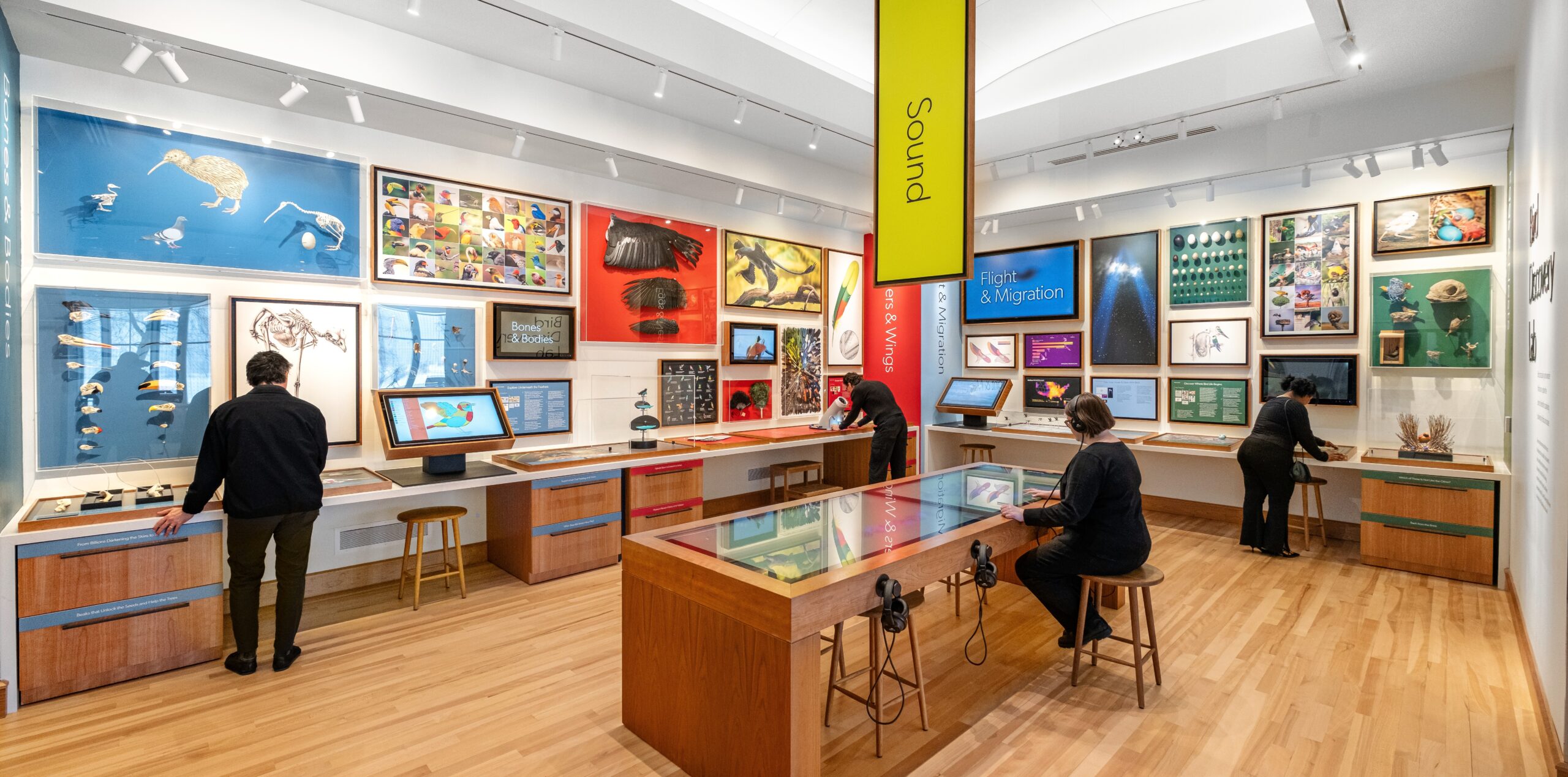
Inside the center, visitors find interactive displays that chronicle Cornell’s history from its founding in 1865 by Ezra Cornell and Andrew Dickson White. These exhibits highlight the university’s "Any Person, Any Study" philosophy, showcasing breakthroughs in fields ranging from viticulture and labor relations to particle physics and veterinary medicine. The center often features rotating displays that focus on current student research projects or global initiatives led by Cornell faculty.
Comprehensive Campus Tour Programs
The most sought-after service provided by the Cornell Visitor Center is its suite of guided tours. These are not merely walks across the quad; they are structured educational experiences led by current students who provide a "boots-on-the-ground" perspective of life in Ithaca.
Undergraduate Admissions Tours
Primarily designed for prospective students, these tours focus on the academic and residential experience. They typically cover:
- The Arts Quad: The historic heart of the campus, home to the College of Arts and Sciences.
- Ho Plaza and Willard Straight Hall: The center of student activity and the university’s original student union.
- Library Systems: Insights into Uris and Olin Libraries, including the famous "Harry Potter" room in Uris.
- Dining and Housing: General information about the North Campus residential expansion and Cornell’s award-winning dining programs.
General Interest and Historic Tours
For alumni and tourists, the center provides tours that lean more heavily into the architecture and legends of the university. These tours might include the history of the McGraw Tower chimes, the development of the Cornell Botanic Gardens, or the engineering marvels of the various bridges spanning the campus gorges.
Specialized Group Tours
The Visitor Center coordinates specialized experiences for middle schools, high schools, and professional organizations. These require advance registration and can be tailored to focus on specific interests, such as sustainability, architecture, or the university's unique land-grant mission.
Digital Resources and Virtual Access
Recognizing that not everyone can travel to Ithaca, the Visitor Center has significantly expanded its digital provisions by 2026. This includes:
- Virtual Information Sessions: Live-streamed presentations by admissions counselors that mirror the in-person briefings held at the center.
- 360-Degree Virtual Tours: High-definition, interactive online paths that allow users to "walk" through the Dairy Bar, the Herbert F. Johnson Museum of Art, and various research labs from their own devices.
- The Cornell Visit App: A proprietary mobile application that provides GPS-triggered audio commentary for those who prefer a self-guided walking tour.
Support for Prospective Students and Families
While the Visitor Center is distinct from the Undergraduate Admissions Office (located at 410 Thurston Ave), the two entities work in close coordination. The center provides the physical space for admissions information sessions, which are often the first step for a visiting student.
Pre-Arrival Planning
The center’s staff assists families in planning their visit by providing information on local accommodations, such as the Statler Hotel (run by the Nolan School of Hotel Administration), and suggesting dining options that showcase Ithaca’s vibrant food scene. They also offer guidance on the best times to visit, typically recommending the vibrant fall foliage or the bustling spring semester, while noting that summer offers a quieter, more accessible experience.
Access to Academic Departments
While the Visitor Center provides a general overview, staff can direct students to specific college-level information sessions. Whether a student is interested in the Dyson School of Applied Economics and Management or the College of Engineering, the center acts as a switchboard to ensure visitors get to the right building at the right time.
Accessibility and Inclusive Visitor Services
Cornell University is committed to making its campus accessible to all visitors. The Visitor Center provides several specific services to assist those with mobility challenges or other accessibility needs:
- Accessible Tour Routes: Student guides are trained on routes that utilize elevators and ramps, avoiding the campus's many stairs and steep hills.
- Mobility Assistance: The center can provide information on renting wheelchairs or utilizing the university's paratransit services for those with documented needs.
- Multi-language Resources: Some brochures and digital guides are available in multiple languages to accommodate the university's international visitor base.
Comparing Visitor Center Services
To help you plan your visit in 2026, the following table summarizes the primary ways you can engage with the center’s offerings.
| Service Type | Target Audience | Primary Focus | Duration | Booking Required |
|---|---|---|---|---|
| Admissions Tour | Prospective Students | Student life, academics, housing | 60–90 mins | Yes (Highly recommended) |
| Information Session | High school students | Admissions requirements, financial aid | 45–60 mins | Yes |
| General Campus Tour | Tourists, Alumni | History, architecture, landmarks | 60 mins | Yes |
| Self-Guided Tour | All Visitors | Flexible exploration via mobile app | Variable | No |
| Group Tour | Schools, Organizations | Custom topics (e.g., STEM, History) | 60–120 mins | Yes (4 weeks lead time) |
| Virtual Tour | Remote Visitors | Overview of facilities and grounds | Variable | No |
Frequently Asked Questions
Is there a fee for tours provided by the Cornell Visitor Center?
Standard campus tours and admissions information sessions are provided free of charge. However, specialized group tours for large external organizations may occasionally involve a coordination fee. It is always best to verify current status on the official Cornell Visit page.
Can I visit the center without a reservation?
Yes, the Martin Y. Tang Welcome Center is open to the public during standard business hours. You can walk in to pick up maps, view exhibits, or ask staff questions. However, if you wish to join a guided tour, reservations are strongly encouraged, especially during peak seasons like spring break and autumn.
Where should I park when visiting the center?
Visitors are generally directed to the Forest Home Garage or the Hoy Road Garage. Both are a short walk or bus ride from the Tang Welcome Center. Note that parking on the Cornell campus is strictly regulated; using the ParkMobile app is the most efficient way to pay for visitor parking.
Does the Visitor Center provide tours of the Cornell Botanic Gardens?
The Visitor Center provides a general overview that includes the Botanic Gardens, but the Cornell Botanic Gardens also has its own Nevin Welcome Center which offers more specialized horticultural tours and information.
What happens if it rains on the day of my scheduled tour?
Tours typically proceed rain or shine. Ithaca weather can be unpredictable, so the Visitor Center recommends that all guests bring comfortable walking shoes and weather-appropriate clothing, such as rain jackets or umbrellas. In cases of extreme weather or campus emergencies, tours may be canceled and rescheduled.
Practical Recommendations for Your Visit
To make the most of what the Cornell University Visitor Center provides, start your journey by visiting the official Visitor Center website at least three to four weeks before your intended arrival. This allows you to secure a spot on a guided tour, which often fill up during the 2026 academic year.
Upon arrival at the Tang Welcome Center, take at least 20 minutes to explore the internal exhibits before your tour begins. This context will make the landmarks you see on campus much more meaningful. Finally, don't hesitate to ask the student guides about their personal experiences; the center’s greatest asset is its people, who offer an authentic glimpse into the "Big Red" lifestyle that brochures cannot fully capture.
Image Gallery