The Legacy of Owls on the Rockefeller Christmas Tree: From Rocky to Modern Protocols
The presence of owls on the Rockefeller Christmas Tree became a global phenomenon in 2020 when a Northern Saw-whet owl, later named "Rocky," was discovered inside the 75-foot Norway Spruce. While these occurrences are rare, they highli...
The presence of owls on the Rockefeller Christmas Tree became a global phenomenon in 2020 when a Northern Saw-whet owl, later named "Rocky," was discovered inside the 75-foot Norway Spruce. While these occurrences are rare, they highlight the intersection of urban holiday traditions and wildlife conservation, leading to enhanced inspection protocols and increased public awareness of migratory bird safety.
Contents
The story of wildlife hitchhiking on the world’s most famous Christmas tree is more than a viral moment; it is a case study in avian resilience and the logistics of transporting massive flora across state lines. As of 2026, the 2020 incident remains the most high-profile example of a bird surviving the multi-day journey from upstate New York to Manhattan, hidden within the tightly bound branches of a multi-ton spruce.
The Discovery of "Rocky": The 2020 Rockefeller Center Owl
The most significant instance of an owl on the Rockefeller Christmas Tree occurred in November 2020. The tree, a 75-foot Norway Spruce, was donated from a yard in Oneonta, New York. After being cut, wrapped in heavy-duty twine, and transported 170 miles via flatbed truck, it arrived at Rockefeller Center. It was during the "unwrapping" process—where workers release the tension on the branches so the tree can settle—that a tiny owl was discovered.
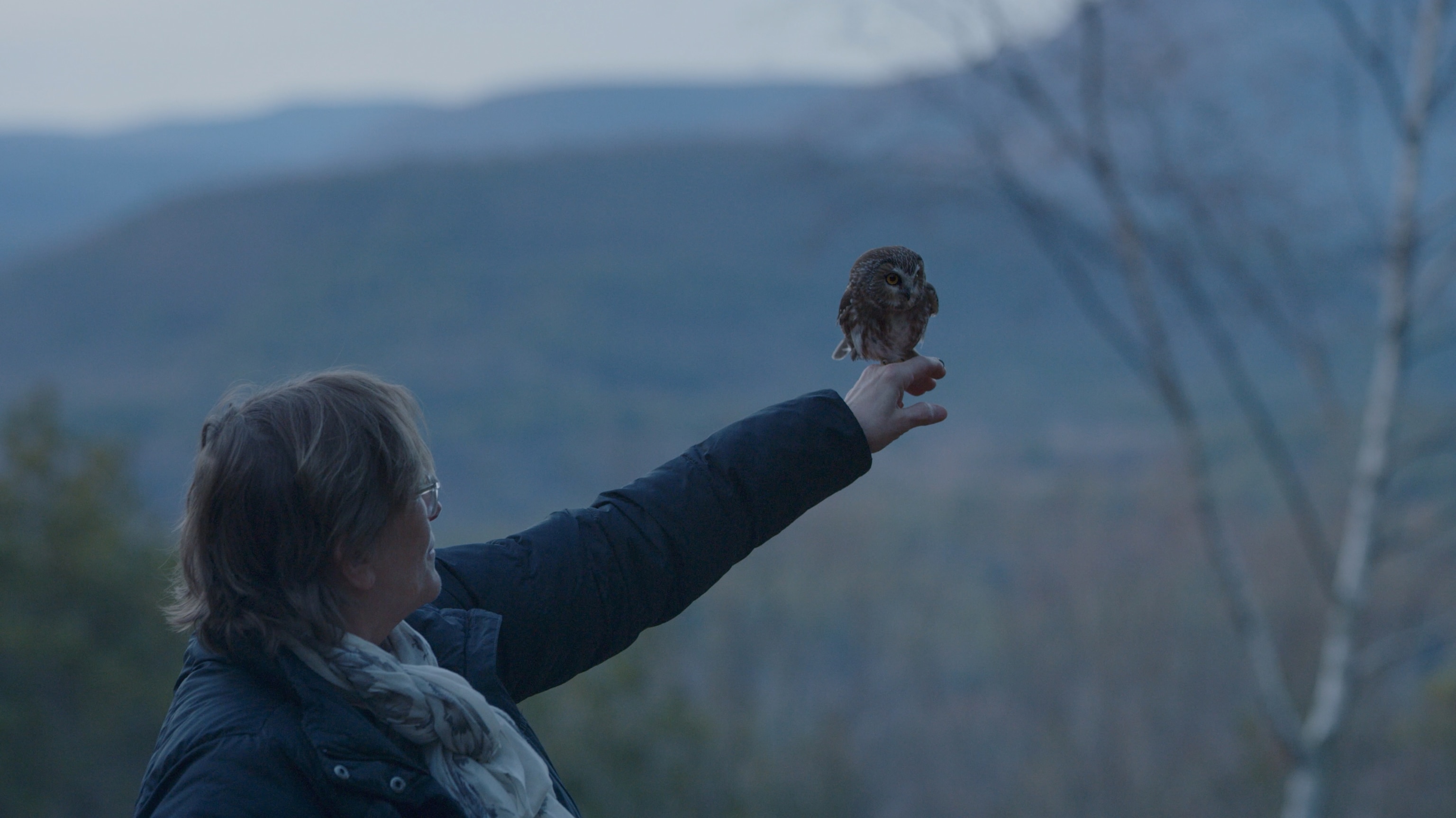
The owl, a female Northern Saw-whet, was found by a worker involved in the installation. Unlike larger raptors, this species is diminutive, making it easy to overlook during the initial wrapping phase in the forest. The bird had been trapped within the compressed branches for three days without food or water. Upon discovery, the worker’s wife contacted the Ravensbeard Wildlife Center, a non-profit rehabilitation facility in Saugerties, New York, to facilitate a rescue.
The Logistics of the Journey
The journey from Oneonta to Midtown Manhattan involves significant physical stress for any organism trapped within the foliage. The tree is secured with miles of rope to ensure it meets highway clearance requirements. This compression creates an environment where a small bird can become pinned or suffocated. In Rocky’s case, the hollows within the inner branches provided just enough space for survival, though she suffered from severe dehydration and the trauma of the transport.
Species Profile: The Northern Saw-whet Owl (Aegolius acadicus)
To understand why an owl was in the Rockefeller tree, one must understand the biology of the Northern Saw-whet owl. These are among the smallest owls in North America, roughly the size of a standard soda can.
Physical and Behavioral Traits
- Size: They typically measure 6.5 to 9 inches in length with a wingspan of about 17 to 22 inches.
- Habitat: They prefer dense coniferous or mixed forests, which makes a Norway Spruce an ideal roosting spot.
- Migration: Unlike many other owl species, Saw-whets are migratory. They move south from Canada and the northern U.S. during the autumn months. The timing of the Rockefeller tree harvest usually aligns perfectly with the peak of their southern migration.
- Defense Mechanism: Their primary defense is to "freeze" and rely on their mottled brown-and-white plumage for camouflage. This instinct, while effective against predators, is what prevents them from flying away when chainsaws and heavy machinery approach the tree.
By 2026, wildlife biologists have used the "Rocky" incident to further study the migration patterns of Saw-whets through the Hudson Valley. The incident proved that these birds utilize mature evergreens not just for nesting, but as critical stopover points during their nocturnal flights.
Rescue, Rehabilitation, and the Path to Release
The rescue of the Rockefeller owl was handled by Ellen Kalish, the founder of Ravensbeard Wildlife Center. Upon arrival at the facility, the bird was emaciated and required immediate fluid therapy.
The rehabilitation process followed a strict protocol to ensure the bird did not become habituated to humans. This was vital because the goal was a return to the wild. The medical team focused on:
- Rehydration: Using subcutaneous fluids to stabilize the bird's metabolism.
- Nutrition: Gradually introducing a diet of mice to regain weight lost during the three-day fast.
- Physical Assessment: Checking for wing fractures or internal injuries caused by the tree’s compression.
After a clean bill of health was issued, the decision was made not to return the bird to New York City, which lacks the appropriate habitat for the species. Instead, she was released in a coniferous forest in upstate New York. The release was timed to coincide with the ongoing migration, allowing her to continue her journey south with other members of her species.
Environmental and Logistics Impact: How Wildlife Ends Up in the Tree
The phenomenon of wildlife "hitchhiking" on the Rockefeller tree is a byproduct of the scale of the operation. Every year, a tree between 70 and 100 feet tall is selected. These trees have often stood in their locations for 60 to 90 years, becoming established ecosystems for birds, squirrels, and insects.
The Wrapping Process
When a tree is selected, it is not simply cut down. It is meticulously "tucked" and wrapped while still standing to protect the branches. This process involves a crane and workers in buckets who circle the tree, pulling branches upward and securing them. If a bird is roosting near the trunk, it may be enveloped before it has the opportunity to escape.
Wildlife Monitoring Protocols in 2026
In the years following the 2020 incident, Tishman Speyer (the firm that manages Rockefeller Center) and the New York Department of Environmental Conservation (DEC) have refined the inspection process. While it is impossible to guarantee a 100% wildlife-free tree given the density of the needles, the following steps are now standard:
| Phase | Action Taken | Primary Goal |
|---|---|---|
| Pre-Cut Inspection | Use of thermal imaging cameras and acoustic sensors. | Detect heat signatures of mammals or birds within the canopy. |
| Vibration Perturbation | Gentle shaking of the tree prior to final wrapping. | Encourage mobile wildlife to exit the branches before compression. |
| On-Site Arborist | Presence of a wildlife specialist during the "unwrapping" in NYC. | Immediate response and containment if an animal is discovered. |
| Post-Arrival Audit | Manual inspection of the lower and middle tiers after arrival. | Identify any distressed animals before the lighting equipment is installed. |
The Cultural Phenomenon: Rocky as a Symbol
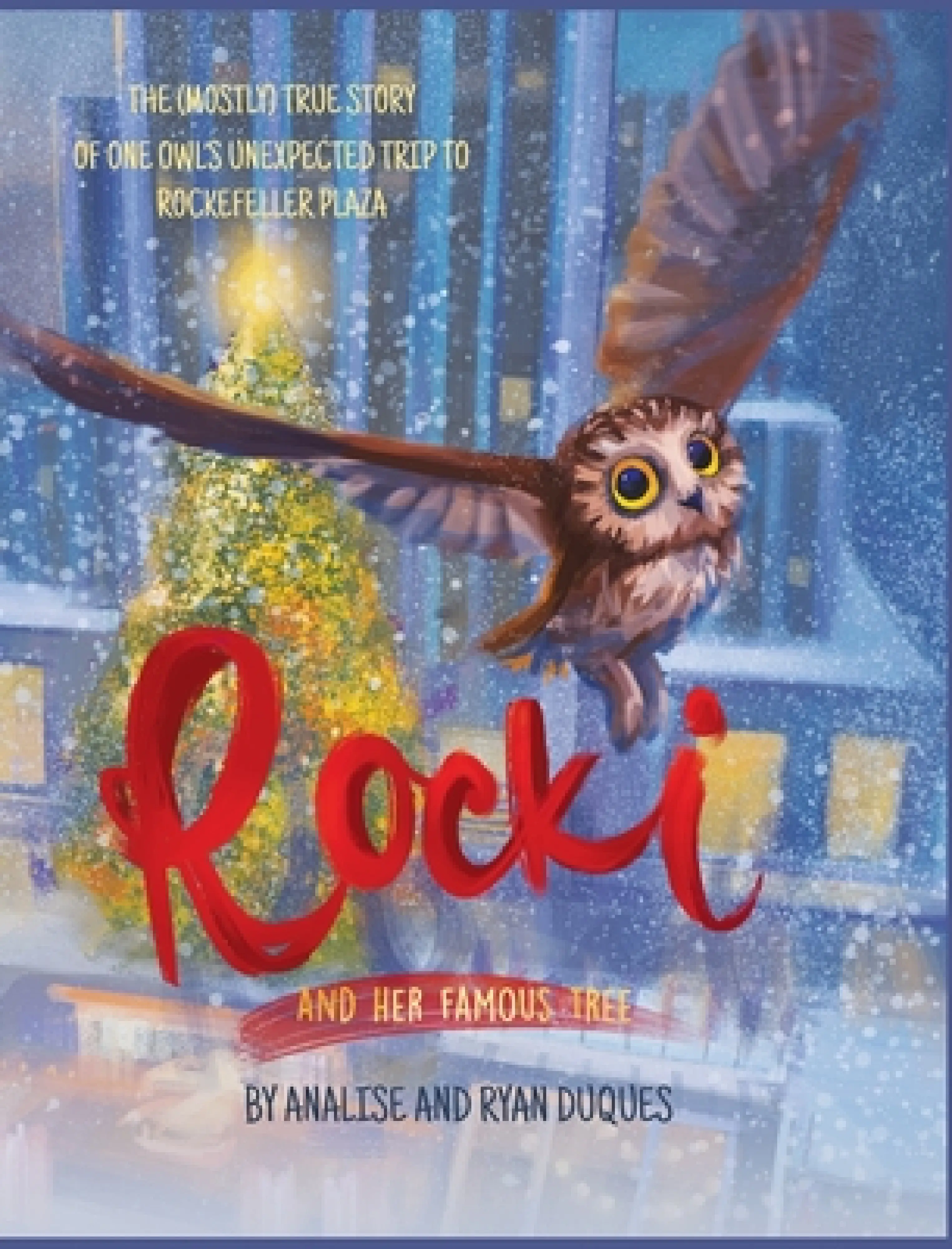
The 2020 owl became a symbol of hope during a period of global uncertainty. The "Rockefeller Owl" inspired children’s books, plush toys, and significant charitable donations to wildlife centers. This cultural impact helped fund several new aviaries at Ravensbeard, allowing the facility to expand its capacity for raptor rescue.
However, the incident also sparked a debate about the ethics of the Rockefeller Christmas Tree tradition. Environmentalists have argued that removing 80-year-old trees disrupts local ecosystems. In response, Rockefeller Center has emphasized its sustainability efforts, including the tradition of milling the tree into lumber for Habitat for Humanity after the holiday season, ensuring the tree serves a secondary purpose.
Common Questions about Owls and the Rockefeller Tree
Is it common to find owls in the Rockefeller Christmas Tree?
No, it is extremely rare. While small birds and squirrels are occasionally found, the 2020 Saw-whet owl is the only documented case of a raptor being transported from the harvest site to Rockefeller Plaza. The density of the spruce and the timing of the harvest are the primary factors that led to this unique event.
What happened to the owl found in the tree?
The owl, named Rocky, was rehabilitated at Ravensbeard Wildlife Center. She was treated for dehydration, fed a high-protein diet to recover her strength, and released back into a safe, wooded environment in upstate New York within a week of her discovery.
Why didn't the owl fly away when the tree was being cut?
Northern Saw-whet owls are nocturnal and have a strong "freeze" response. When they feel threatened during the day, they remain perfectly still, hoping their camouflage will hide them. This behavior, combined with the speed of the wrapping process, likely led to her being trapped.
Are there new laws protecting wildlife in the Rockefeller tree?
While no specific "Rockefeller Owl Law" exists, the incident brought the project under closer scrutiny by the New York DEC. Transporting certain migratory birds is governed by the Migratory Bird Treaty Act (MBTA). Current protocols are designed to ensure compliance with federal law by preventing the accidental "take" or transport of protected species.
Can I visit the location where the owl was released?
The exact release location is typically kept private by wildlife rehabilitators to protect the animals from human interference and to ensure they can reintegrate into the wild without being disturbed by spectators or photographers.
Recommendations for Wildlife Safety During the Holidays
For those who purchase large real Christmas trees, the Rockefeller incident serves as a reminder that wildlife can occasionally hitch a ride into your home. To ensure safety:
- Inspect the tree at the lot: Shake the tree vigorously using a mechanical shaker if available. This helps remove loose needles, egg cases, and any small animals.
- Look for nests: Before bringing a tree indoors, use a flashlight to check the inner branches for bird nests or dormant insects.
- Contact professionals: If you discover a bird or animal in your tree, do not attempt to handle it. Contact a local wildlife rehabilitator or your state’s environmental conservation office for guidance.
The legacy of the owls on the Rockefeller Christmas Tree is one of increased awareness. It transformed a potential tragedy into an educational opportunity, ensuring that as we celebrate our urban traditions in 2026, we remain mindful of the natural world that provides them.
Image Gallery