Understanding Workers' Compensation in Seattle: A Comprehensive Guide for 2026
Workers’ compensation in Seattle is a state-mandated insurance system designed to provide medical benefits and wage replacement to employees injured on the job. Managed primarily by the Washington State Department of Labor & Industries...
Workers’ compensation in Seattle is a state-mandated insurance system designed to provide medical benefits and wage replacement to employees injured on the job. Managed primarily by the Washington State Department of Labor & Industries (L&I), the system operates on a "no-fault" basis, meaning workers are eligible for benefits regardless of who caused the accident, provided the injury occurred during the course of employment.
Contents
The Washington State Workers' Compensation Framework
Understanding workers' compensation in Seattle requires recognizing that Washington is one of only four "monopolistic" states in the U.S. In most other states, employers purchase workers' compensation insurance from private carriers. In Washington, however, the state government acts as the primary insurer through the Washington State Department of Labor & Industries (L&I).
The system is governed by Title 51 of the Revised Code of Washington (RCW), which outlines the rights of workers and the obligations of employers. While the state fund covers the vast majority of Seattle businesses, some very large employers—such as major tech firms or hospital systems—may be "self-insured." Self-insured employers manage their own claims but must still provide benefits that meet or exceed the state's statutory requirements.
The No-Fault Provision and the "Grand Bargain"
The workers’ compensation system is often referred to as the "Grand Bargain." In exchange for guaranteed medical coverage and partial wage replacement, workers generally give up their right to sue their employers for negligence. This provides a safety net for the employee while offering predictable liability for the employer. In Seattle's diverse economy, this applies to everyone from high-rise construction workers to software developers suffering from repetitive stress injuries.
Eligibility and Coverage Requirements in Seattle
To qualify for benefits in the 2026 landscape, a worker must demonstrate that their condition is either an "industrial injury" or an "occupational disease."
Industrial Injury vs. Occupational Disease
An industrial injury is a sudden, tangible event that causes immediate physical or mental harm. Examples in the Seattle area might include a fall at a South Lake Union construction site or a back injury sustained while loading cargo at the Port of Seattle.
An occupational disease is a condition that develops over time due to the nature of the work environment. In Seattle’s significant tech and administrative sectors, this frequently includes carpal tunnel syndrome or other musculoskeletal disorders caused by prolonged computer use. It can also include respiratory issues for those working in industrial zones or psychological conditions like Post-Traumatic Stress Disorder (PTSD) for first responders, for whom Washington law has specific presumptive coverage.
Covered Workers
Almost all employees working in Seattle are covered from their first day on the job. This includes part-time, seasonal, and even undocumented workers. However, the distinction between an "employee" and an "independent contractor" remains a frequent point of contention. Under Washington law, the "right of control" test is used to determine if a worker is truly independent. Many "gig economy" workers in Seattle may actually be entitled to workers' comp benefits if their working relationship meets the state's criteria for employment.
Immediate Steps to Take After a Workplace Injury
The actions taken immediately following an injury are critical to the success of a claim. Delays can lead to skepticism from L&I or self-insured employers.
- Seek Medical Care Immediately: In Seattle, you have the right to choose your initial treating physician. However, for ongoing care, the provider must be part of the L&I Medical Provider Network. Ensure you tell the doctor the injury happened at work.
- Report the Injury to Your Employer: You must notify your supervisor as soon as possible. While you have a legal window to file, immediate reporting creates a clear paper trail.
- File a Formal Claim: For state-fund claims, you can file online, by phone, or at a local L&I office. If your employer is self-insured, you must file the claim directly with them.
- Document Everything: Keep a detailed log of your symptoms, the names of witnesses, and copies of all medical reports. In a high-cost city like Seattle, missing documentation can result in delayed wage replacement, which can quickly lead to financial strain.
Benefit Types and 2026 Calculations
Workers' compensation provides several types of benefits depending on the severity and duration of the injury. As of 2026, these benefit amounts are adjusted annually based on the state’s average monthly wage.
Medical Benefits
L&I or the self-insured employer pays for all "proper and necessary" medical treatment related to the workplace injury. This includes doctor visits, hospital stays, surgeries, prescriptions, and physical therapy. There are no deductibles or co-pays for the injured worker.
Time-Loss Compensation (Wage Replacement)
If a doctor certifies that you cannot work due to your injury, you are eligible for time-loss compensation. In Washington, this typically ranges from 60% to 75% of your gross wages, depending on your marital status and number of children at the time of the injury.
Because Seattle has a higher median income than many other parts of the state, many Seattle workers hit the "maximum monthly benefit" cap. This cap is recalculated every July based on 120% of the state's average wage.
Permanent Partial Disability (PPD)
If you recover but have a permanent loss of function (such as decreased range of motion in a limb or loss of hearing), you may receive a PPD award. This is a one-time monetary settlement based on the degree of impairment, not on your future earning capacity.
Vocational Rehabilitation
If your injury prevents you from returning to your previous job, you may be eligible for vocational retraining. Seattle-based workers often utilize these benefits to transition into lower-impact roles within the city's robust service or technology sectors.
| Benefit Category | Description | 2026 Limitation/Note |
|---|---|---|
| Medical Care | 100% coverage for related treatment. | Must use L&I approved network providers. |
| Time-Loss | Partial wage replacement for lost work. | 60-75% of gross pay; subject to state maximum cap. |
| PPD | Award for permanent physical impairment. | Fixed amount based on impairment rating. |
| Vocational | Funding for retraining or new skills. | Limited to specific tuition and supply caps. |
| Death Benefits | Support for surviving dependents. | Includes burial expenses and monthly pension. |
Common Challenges in the Seattle Claims Process
Despite the "no-fault" intent, the workers' compensation process is often adversarial. Several common hurdles can jeopardize a worker's access to benefits.
Independent Medical Examinations (IMEs)
L&I or a self-insured employer may request an IME. Despite the name, these doctors are paid by the insurer to provide an "objective" second opinion. These exams often result in recommendations to close a claim or reduce benefits. Seattle workers should be aware that they have the right to have a friend or a legal representative present during these exams to ensure the process is recorded accurately.
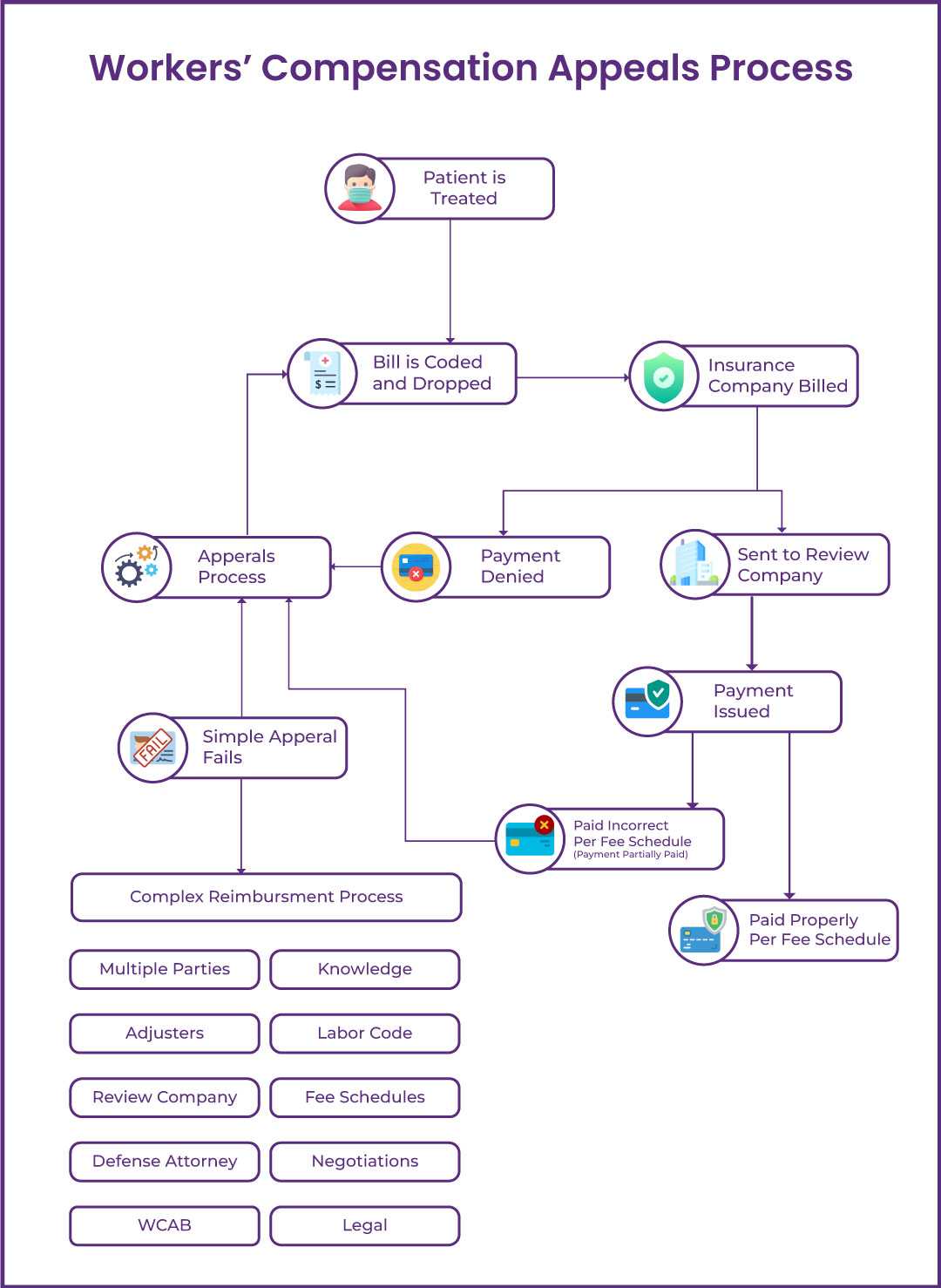
Claim Denials and the Appeals Process
If a claim is denied, or if a specific benefit (like a surgery) is rejected, the worker has the right to protest to L&I or appeal to the Board of Industrial Insurance Appeals (BIIA). Protests must be filed within 60 days of the date the order was received. In the complex legal environment of Seattle, missing this deadline usually results in the decision becoming final and unchangeable.
The Role of "Light Duty"
Employers in Seattle are often eager to bring workers back in a "light-duty" capacity to reduce time-loss costs. While Washington law encourages this through the "Stay at Work" program—which subsidizes employer costs for modified roles—the light-duty position must be cleared by your attending physician. You should never perform tasks that exceed the physical restrictions set by your doctor.
When to Consult a Seattle Workers' Compensation Attorney
Not every claim requires legal intervention. If you suffer a minor injury, receive prompt medical care, and return to work within a few weeks, the system usually functions as intended. However, legal counsel becomes essential in several scenarios:
- Total Disability Claims: If you are permanently unable to work, the stakes involve a lifetime pension.
- Third-Party Claims: If your workplace injury was caused by someone other than your employer (e.g., a car accident while driving for work in Seattle traffic), you may have a separate personal injury claim in addition to workers' comp.
- Retaliation: While it is illegal in Washington to fire an employee for filing a workers' comp claim, proving retaliation requires significant legal expertise.
- Complex Medical Disputes: If your doctor and the IME doctor disagree on your ability to work, an attorney can help secure vocational and medical experts to support your case.
Frequently Asked Questions
Can I see my own family doctor for a work injury?
You can see any licensed physician for your initial visit. However, for follow-up care in Washington, your doctor must be a member of the L&I Medical Provider Network. Many primary care physicians in Seattle do not participate in this network due to the administrative requirements, so you may need to transfer your care to an occupational medicine specialist.
What is the deadline for filing a claim in 2026?
For an industrial injury, you must file a claim within one year of the date of the accident. For an occupational disease, you must file within two years of receiving written notice from a doctor that your condition is work-related. Waiting even a few months can make the investigation much harder, so early filing is always recommended.
Does workers' comp cover mental health issues?
Yes, but the criteria are strict. Stress-related claims resulting from general workplace "pressures" are typically excluded. However, mental health conditions arising from a specific traumatic event or certain presumptive conditions for first responders (police, fire, EMTs) are covered under Washington law.
What if my employer doesn't have insurance?
If you are injured while working for an employer who failed to pay L&I premiums, you are still covered. The state fund will pay your benefits and then pursue the "uninsured employer" for the costs, penalties, and back premiums. You are not penalized for your employer's failure to follow the law.
Can I receive workers' comp and Social Security Disability (SSDI) at the same time?
Yes, but there is often an "offset." The combined total of your workers' comp and SSDI benefits cannot exceed a certain percentage of your prior earnings. Navigating this offset requires careful coordination, as it can significantly impact your monthly household income in an expensive city like Seattle.
Practical Recommendation for Injured Workers
If you sustain an injury in Seattle, your primary focus should be on medical recovery and clear communication. Immediately verify your doctor's status in the L&I network to avoid delays in treatment authorization. If you receive an "Order and Notice" from L&I that you do not understand or disagree with, do not set it aside; the 60-day window for protests is absolute. For injuries involving permanent impairment or long-term wage loss, consulting with a specialized workers' compensation attorney early in the process is the most effective way to ensure your future financial stability is protected under the 2026 guidelines.
Image Gallery