Understanding the Risks and Safety Protocols of Elephant Tourism in Thailand
Incidents where a tourist is killed by an elephant in Thailand are rare but tragic events typically caused by a combination of animal stress, biological cycles like musth, or a lack of strict safety boundaries. To stay safe in 2026, tr...
Incidents where a tourist is killed by an elephant in Thailand are rare but tragic events typically caused by a combination of animal stress, biological cycles like musth, or a lack of strict safety boundaries. To stay safe in 2026, travelers must prioritize ethical sanctuaries that emphasize observation over interaction and understand the behavioral cues of these powerful mammals.
Contents
Thailand’s relationship with the Asian elephant (Elephas maximus) is deeply rooted in history, culture, and economics. Once utilized for warfare and later for the logging industry, elephants transitioned into the backbone of the country's tourism sector following the 1989 logging ban. However, this transition has not been without friction. When a human-elephant interaction turns fatal, it is often a symptom of underlying issues ranging from animal welfare to the biological unpredictability of a five-ton creature.
The Biological Catalyst: Understanding "Musth" and Aggression
One of the most critical factors in fatal elephant attacks is a biological state known as musth. This is a periodic condition in bull (male) elephants, characterized by a massive surge in testosterone—sometimes up to 60 times higher than normal. During musth, even the most docile elephant can become extremely aggressive toward humans and other animals.
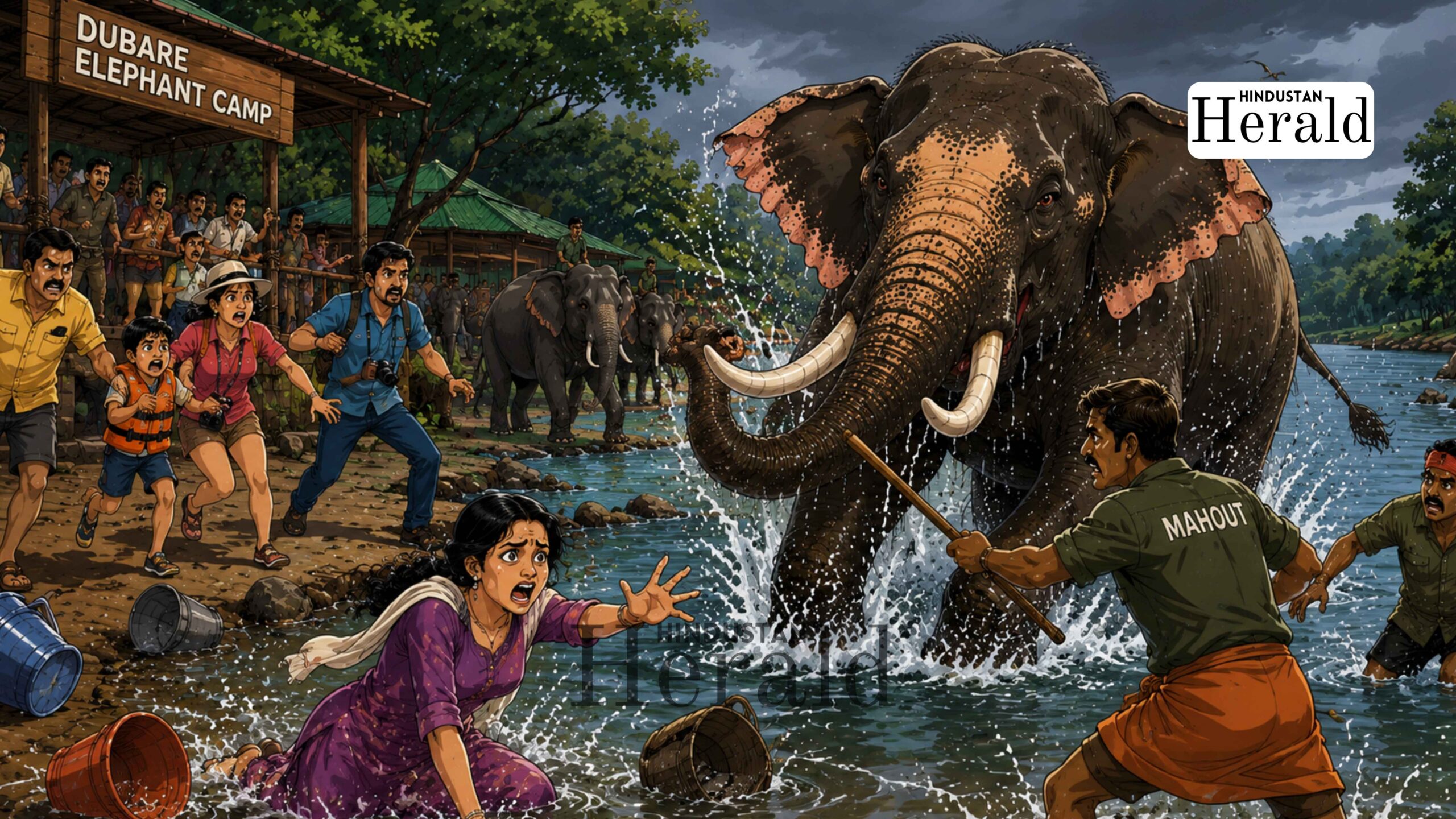
Musth is identifiable by a thick, tar-like secretion called temporin leaking from the temporal glands on the sides of the elephant's head. In many documented cases of tourists being killed, the elephant involved was either entering or in the middle of this state. In a tourism environment, the pressure to maintain "business as usual" sometimes leads to mahouts (handlers) overlooking these signs, or tourists being allowed too close to a bull elephant that should be in isolation.
Beyond musth, elephants are highly sensitive to environmental stressors. Overcrowding, loud noises, and the physical exhaustion of carrying tourists in heavy "howdah" (seating) frames can lead to a "snap" in temperament. Since an adult Asian elephant can weigh between 2,200 to 5,500 kilograms, even a defensive nudge or a single strike from the trunk can be lethal to a human.
The Evolution of Elephant Tourism: Sanctuaries vs. Riding Camps
By 2026, the landscape of Thai tourism has shifted significantly toward ethical models, yet older, more dangerous practices persist in certain provinces. Understanding the difference between these facilities is essential for both animal welfare and human safety.
Traditional Riding Camps
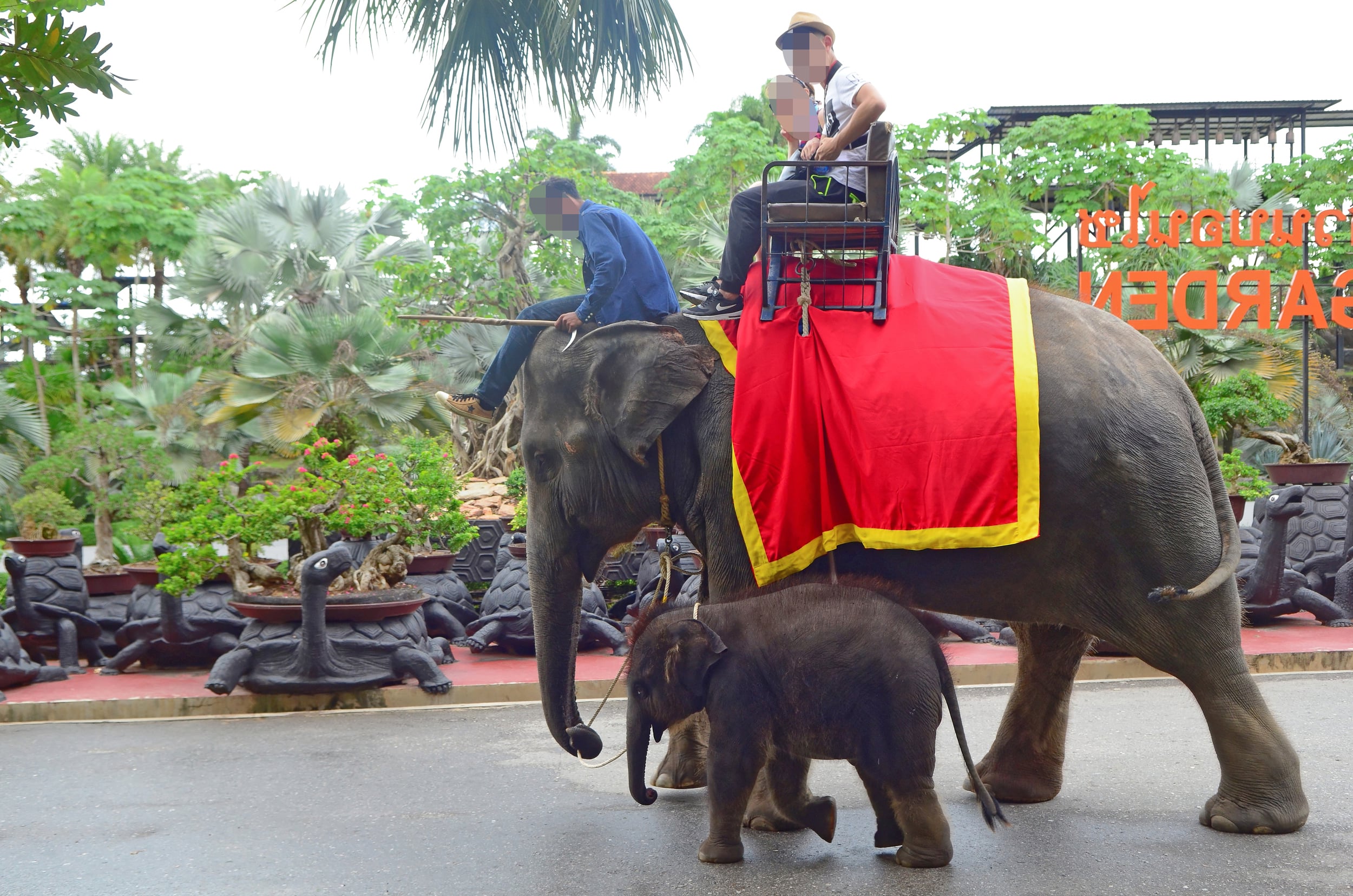
For decades, elephant riding was the primary tourist activity. This involves a "howdah" strapped to the animal's back. The safety risk here is two-fold: the physical strain on the elephant’s spine leads to long-term irritability, and the height makes it impossible for a tourist to escape quickly if the animal becomes agitated. Most modern fatalities have occurred in environments where elephants are forced into high-frequency physical labor.
"Hands-Off" Sanctuaries
The safest venues are those that have adopted a "hands-off" policy. These facilities allow tourists to observe elephants from a distance—usually from raised platforms—as they roam, bathe, and socialize naturally. By removing the pressure of direct human contact (bathing, feeding by hand, or riding), the likelihood of a defensive or aggressive reaction from the elephant is reduced to near zero.
Comparison of Elephant Interaction Models
| Feature | Traditional Trekking Camps | Hands-Off Sanctuaries | Intermediate "Bathing" Camps |
|---|---|---|---|
| Primary Activity | Riding in a howdah/saddle | Observation from distance | Bathing and hand-feeding |
| Risk Level | High (Direct contact, high stress) | Very Low (No direct contact) | Moderate (Proximity risks) |
| Animal Welfare | Low (Often involves chains/hooks) | High (Natural behavior encouraged) | Variable (Still relies on control) |
| Safety Protocol | Relies on mahout's physical control | Relies on physical barriers/space | Relies on elephant's temperament |
| 2026 Popularity | Declining due to regulations | High (Preferred by ethical travelers) | Moderate |
Legal Framework and Safety Regulations in 2026
The Thai government, through the Ministry of Natural Resources and Environment, has intensified its oversight of captive elephants. Central to this is the Elephant Identification Card system, which uses DNA sequencing to track every captive elephant in the country. This system helps prevent the illegal capture of wild elephants, which are significantly more aggressive and untrained than those born in captivity.
Furthermore, the Tourism Authority of Thailand (TAT) has introduced the Safety and Health Administration (SHA) certifications, which include specific criteria for animal attractions. Facilities that do not meet strict safety distances and mahout-to-elephant ratios often lose their certification, making them ineligible for promotion through official tourism channels.
If a tourist is killed or injured, the legal repercussions for the facility can be severe, including the permanent seizure of the animal and the revocation of business licenses. However, for the traveler, the legal path to compensation is often complex, involving local police reports, provincial court proceedings, and the specific terms of travel insurance policies.
Practical Safety Guidelines for Travelers
While the goal of many travelers is to get as close as possible to these "gentle giants," it is vital to remember they are wild animals, not pets. If you find yourself at a facility that allows interaction, follow these expert safety protocols:
- Monitor Temporal Glands: Look at the side of the elephant's head, between the eye and the ear. If you see an oily, dark discharge, move away immediately. This is a sign of musth.
- Respect the "No-Go" Zone: Never walk behind an elephant or directly under its trunk. Elephants have blind spots and can be easily startled by sudden movements from behind.
- Listen to the Mahout: A mahout spends their entire life with their elephant. If they tell you to step back or stop an activity, do so without question.
- Avoid Loud Noises and Flash Photography: High-pitched screams or bright flashes can trigger a startled response. A startled elephant's first instinct is often to charge or swing its trunk.
- Check for Chains and Hooks: While controversial, the presence of a "bullhook" (ankus) is often a sign of a facility that uses fear-based training. Paradoxically, if a mahout does not have any way to control an agitated elephant in a high-density tourist area, the risk to the tourist actually increases. The safest option is to avoid facilities where the elephant requires constant physical correction to behave.
Travel Insurance and Liability Concerns
It is a common misconception that all travel insurance policies cover injuries resulting from animal encounters. Many standard policies contain "hazardous activity" exclusions. Activities like elephant trekking or "volunteering with wild animals" may require a specific rider or a more premium policy level.
Before participating in elephant tourism:
- Verify Coverage: Ensure your policy covers "adventure sports" or "animal interactions."
- Check Facility Licensing: Most insurance claims require the incident to have occurred at a legally registered business. Visiting an "under-the-radar" camp in rural areas can void your medical coverage.
- Medical Evacuation: Given that many elephant camps are in remote northern provinces like Chiang Mai or Kanchanaburi, ensure your policy includes medical evacuation (medevac) to a high-quality hospital in Bangkok.
Frequently Asked Questions
Is it still legal to ride elephants in Thailand in 2026?
Yes, it remains legal, though the practice has been heavily discouraged by international welfare groups and the Tourism Authority of Thailand. Many reputable travel agencies have removed riding camps from their itineraries in favor of observation-only sanctuaries.
What should I do if an elephant charges at me?
Do not turn your back and run in a straight line, as elephants are faster than humans (reaching up to 25 mph). Try to get behind a large, sturdy object like a tree or a vehicle. If no cover is available, move in a zigzag pattern or climb to higher ground if possible, as elephants find it more difficult to navigate steep inclines quickly.
Are female elephants safer than males?
Generally, yes. Female elephants (cows) do not go through musth and are often more social and predictable. However, a female elephant with a calf (baby) is extremely dangerous and can be more aggressive than a male in musth if she perceives a threat to her offspring.
How can I tell if a sanctuary is actually ethical?
An ethical sanctuary will not allow riding, circus-style tricks, or forced bathing sessions. Look for facilities that prioritize the elephant's schedule over the tourists' schedule and those that have a high ratio of land per animal. Organizations like World Animal Protection provide regularly updated lists of vetted venues.
What are the main causes of elephant-related fatalities?
The majority of fatalities occur due to "crushing" injuries or blunt force trauma from the trunk. These often happen when a tourist gets too close for a "selfie" or when a bull elephant in musth is not properly secured by the facility.
Final Recommendation for Travelers
If you wish to experience the majesty of Thailand's elephants, choose a "hands-off" observation park. By maintaining a safe distance, you eliminate the risk of a fatal encounter while supporting a model that treats these animals with the dignity they deserve. Always verify your travel insurance coverage before visiting any animal-based attraction.
Image Gallery