Union City Parks and Rec: Balancing Community Growth and Environmental Conservation
In 2026, Union City Parks and Recreation manages the delicate balance between urban expansion and ecological preservation through its Strategic Park Master Plan. This framework prioritizes the development of high-density recreational h...
In 2026, Union City Parks and Recreation manages the delicate balance between urban expansion and ecological preservation through its Strategic Park Master Plan. This framework prioritizes the development of high-density recreational hubs in the city’s core while enforcing strict conservation easements in the Alameda County foothills. By integrating sustainable infrastructure with diverse community programming, the department ensures that residents enjoy modern amenities without compromising the region's vital biodiversity and natural watersheds.
Contents
The Dual Mandate of Union City Parks and Recreation
As Union City continues to evolve within the high-demand landscape of the San Francisco Bay Area, the Parks and Recreation Department serves as the primary steward of the city’s public health and environmental integrity. The mandate in 2026 is no longer just about maintaining lawns and playgrounds; it is a complex operational strategy designed to satisfy two often-competing interests: the recreational needs of a growing, diverse population and the preservation of sensitive California ecosystems.
The "Community" aspect focuses on social equity, providing accessible spaces for seniors, youth, and the city’s diverse ethnic enclaves. Conversely, the "Conservation" aspect addresses the urgent need for climate resilience, wildfire mitigation in the hillside areas, and the protection of native species. Achieving equilibrium requires a sophisticated approach to land use, where every acre must serve multiple functions—ranging from groundwater recharge to active sports.
Community Infrastructure: Meeting the Demands of 2026
The backbone of Union City’s community service is its network of specialized centers and neighborhood parks. By 2026, these facilities have transitioned into "Resilience Hubs," capable of providing filtered air during wildfire seasons and serving as cooling centers during extreme heat events.
The Mark Green Sports Center and Active Recreation
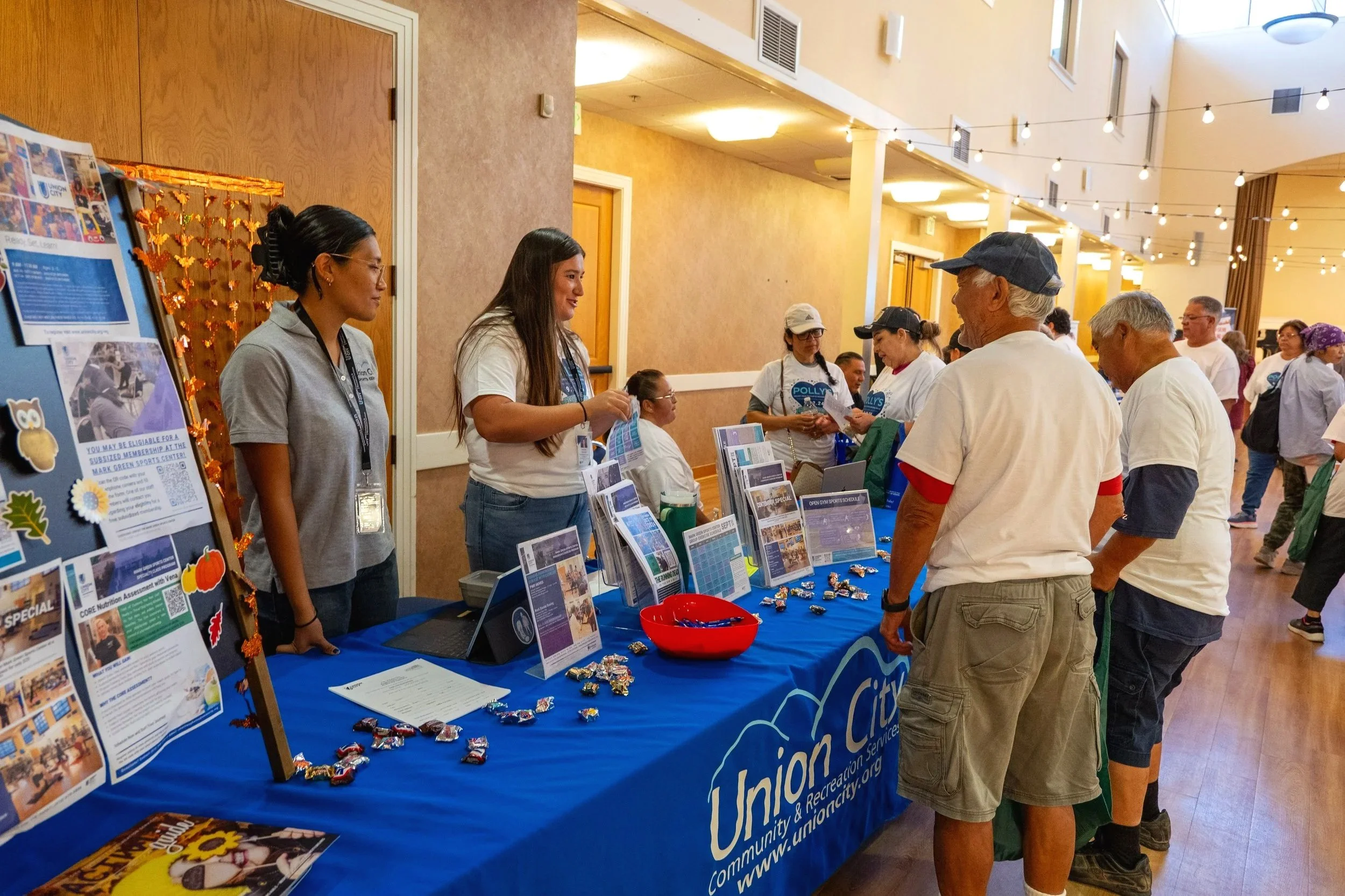
The Mark Green Sports Center remains the crown jewel of the city’s active recreation portfolio. In 2026, it operates at peak capacity, offering state-of-the-art fitness equipment, indoor courts, and specialized programming for all ages. The department has successfully integrated digital booking systems to manage high demand, ensuring that residents have equitable access to the facilities. The focus here is on "Active Health," recognizing that physical activity is a primary preventative measure for community-wide wellness.
Neighborhood Parks and Social Equity
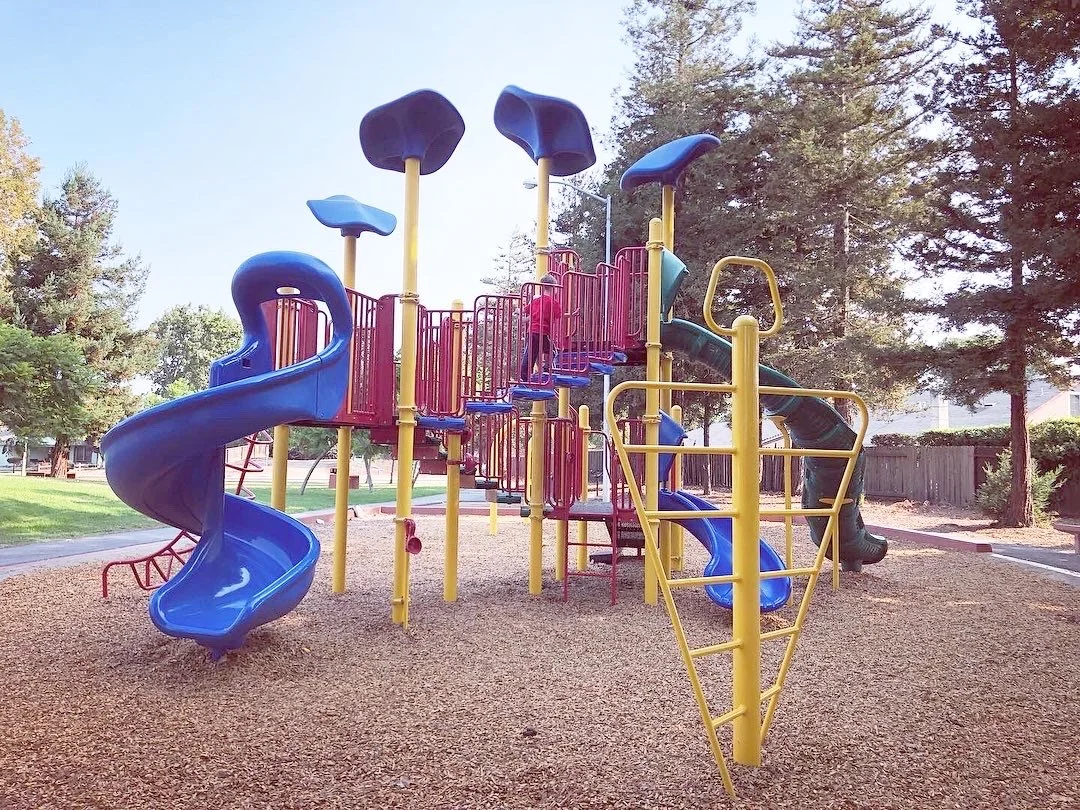
Union City’s park system, including sites like Charles F. Kennedy Park and Contempo Park, serves as the "living rooms" of the community. In 2026, these parks are designed with "Universal Design" principles, ensuring that individuals with physical and neurodivergent differences can navigate and enjoy the spaces. The department has prioritized "Pocket Parks" in high-density areas, such as the Station District, to ensure that every resident lives within a ten-minute walk of a green space. This geographic distribution is a core component of the city’s commitment to social equity.
Ecological Conservation: Protecting the Hillside and Riparian Corridors
While the urban core thrives with activity, the eastern edge of Union City represents a different priority: strict environmental conservation. The Alameda County foothills and the local creek systems are essential components of the regional ecology.
The Hillside Area Plan (HAP)
The Hillside Area Plan is a critical regulatory tool used by Union City to prevent over-development in sensitive zones. In 2026, this plan governs over 500 acres of open space, acting as a buffer against urban sprawl. The primary goals of the HAP include:
- Wildfire Mitigation: Implementing goat grazing programs and controlled brush clearing to create defensible space between the hills and residential neighborhoods.
- Biodiversity Protection: Maintaining wildlife corridors that allow species like the California Red-Legged Frog and the Alameda Whipsnake to migrate safely.
- Watershed Management: Protecting the drainage basins that prevent downstream flooding and help recharge local aquifers.
Sustainable Landscaping and Xeriscaping
In response to the persistent water challenges of the 2020s, Union City Parks and Rec has overhauled its landscaping philosophy. By 2026, over 70% of non-active park areas have been converted to xeriscaped environments using California native plants. This transition has reduced municipal water consumption by nearly 40% compared to a decade ago. These "Conservation Gardens" serve a dual purpose: they save resources while educating the public on the beauty and utility of native flora.
The Intersection of Technology and Nature
Balancing these priorities in 2026 involves the heavy use of data-driven management. The department utilizes a "Smart Park" infrastructure to monitor everything from soil moisture levels to park usage patterns.
- Automated Irrigation: Precision sensors ensure that water is only applied when necessary, adapting in real-time to weather forecasts and evaporation rates.
- Usage Analytics: Infrared sensors at park entrances provide anonymized data on how many people use specific facilities, allowing the city to allocate maintenance budgets more effectively.
- Electric Maintenance Fleets: To reduce the carbon footprint of park operations, all maintenance vehicles and landscaping tools transitioned to electric power by 2025, significantly reducing noise pollution in quiet neighborhoods.
Operational Comparison: Community vs. Conservation Focus
To understand how the department allocates its resources, it is helpful to compare the different management strategies applied to urban parks versus conservation zones.
| Feature | Urban Community Parks | Conservation / Hillside Zones |
|---|---|---|
| Primary Objective | Human recreation and social gathering | Ecological stability and habitat protection |
| Landscaping | Turf grass, shade trees, and ornamental plants | Native scrub, grasslands, and oak woodlands |
| Infrastructure | Playgrounds, sports courts, paved paths | Natural surface trails and fire breaks |
| Water Usage | High (controlled via smart irrigation) | Minimal (relying on natural precipitation) |
| Maintenance Level | Daily (trash, cleaning, safety checks) | Seasonal (brush clearing, trail grading) |
| Public Access | Unrestricted during park hours | Restricted to designated trails |
| Key Example | Mark Green Sports Center / Kennedy Park | Hillside Open Space / Dry Creek Interface |
Funding and Economic Sustainability
The ability to balance these two mandates depends heavily on a diversified funding model. In 2026, Union City utilizes a combination of traditional tax revenue, developer impact fees, and state grants.
- Measure WW and Regional Bonds: Union City continues to benefit from regional open space bonds that provide the capital necessary for large-scale land acquisitions and habitat restoration.
- Developer Impact Fees: New residential and commercial developments in the Station District are required to pay significant "Park Impact Fees," which are used to fund the expansion of the urban park system.
- Public-Private Partnerships: The city collaborates with local non-profits and environmental groups for "Volunteer Workdays," which provide thousands of hours of labor for trail maintenance and invasive species removal, reducing the burden on the city’s general fund.
Challenges to the Balance in 2026
Despite the robust planning, several challenges persist that require constant adjustment by the Parks and Recreation Department.
The Impact of Climate Change
Extreme weather events remain the greatest threat to the balance. Unusually wet winters lead to trail erosion and landslides in the hillside conservation areas, while prolonged heatwaves put immense stress on the urban tree canopy. The department must constantly update its "Climate Adaptation Plan" to ensure that the city’s green infrastructure can survive these shifts.
Balancing Access and Overuse
As the population grows, popular conservation areas face the risk of "being loved to death." Excessive foot traffic on hillside trails can lead to soil compaction and the destruction of native seedlings. In 2026, the department manages this through "adaptive management," which may include temporary trail closures or the implementation of "Leave No Trace" educational campaigns for all park visitors.
How Residents Can Participate in the Mission
The success of Union City’s parks depends on the active participation of its citizens. The department encourages residents to move beyond passive use and become active stewards of the environment.
- Participation in Public Meetings: The Parks and Recreation Commission holds regular meetings where the public can voice opinions on proposed developments or conservation initiatives.
- Adoption Programs: Many neighborhood groups have "adopted" their local parks, taking responsibility for litter removal and reporting maintenance issues via the city’s mobile app.
- Educational Workshops: The city offers workshops on drought-tolerant gardening and local wildlife, helping residents apply conservation principles in their own backyards.
Frequently Asked Questions
What is the primary goal of the Union City Hillside Area Plan?
The primary goal is to preserve the natural character of the foothills while mitigating wildfire risks. The plan limits development to protect sensitive habitats and ensures that any authorized activity does not interfere with the natural watershed or wildlife corridors essential to the East Bay's ecological health.
How does Union City prioritize which parks receive upgrades?
Upgrades are prioritized based on the "Equity and Need Assessment" conducted every three years. This assessment considers the age of existing equipment, the population density of the surrounding neighborhood, and the availability of other nearby recreational opportunities. Parks in historically underserved areas often receive priority for capital improvement funds.
Are the hillside trails open to mountain bikers and equestrians?
Access varies by specific trail and seasonal conditions. While some multi-use trails are available, others are restricted to hikers only to prevent erosion and protect sensitive plant species. In 2026, users are encouraged to check the live "Trail Status" map on the Union City Parks and Rec website before heading out.
How is water conservation managed during drought periods?
The department utilizes a tiered water-use plan. During droughts, irrigation is strictly limited to "high-value assets" like heritage trees and active sports turf. Ornamental lawns and non-essential greenery are allowed to go dormant or are replaced with drought-hardy mulch to preserve water for the city's critical ecological needs.
How can I report a maintenance issue or safety concern in a park?
In 2026, the most efficient method is the "Union City Connect" mobile application. Users can upload a photo and GPS location of the issue, which is then routed directly to the relevant maintenance crew. For urgent safety concerns, residents should contact the Park Ranger division or the non-emergency police line.
Practical Recommendation for Residents
To make the most of Union City’s unique park system in 2026, residents should adopt a "dual-use" mindset. Utilize the urban parks for high-energy social and athletic activities to keep the community vibrant. When visiting conservation areas, treat the land with the reverence of a nature preserve: stay on marked trails, carry out all waste, and respect the quietude of the hills. By choosing the right space for the right activity, you help the Parks and Recreation Department maintain this essential balance for future generations.
Image Gallery