Understanding How Drug and Alcohol Counseling Education Works
Drug and alcohol counseling education works through a tiered progression of academic study, specialized clock-hour training, and supervised clinical experience. Candidates must complete a degree (ranging from a high school diploma to a...
Drug and alcohol counseling education works through a tiered progression of academic study, specialized clock-hour training, and supervised clinical experience. Candidates must complete a degree (ranging from a high school diploma to a Master’s), fulfill state-specific competency hours in addiction science, and pass a standardized examination to obtain professional certification or licensure.
Contents
The path to becoming a substance use disorder (SUD) counselor is governed by a combination of state regulatory boards and national certification bodies. As of 2026, the industry continues to move toward higher academic standards to meet the increasing complexity of co-occurring mental health disorders. Understanding how this education works requires looking at the interplay between classroom theory and real-world clinical application.
The Tiered Structure of Addiction Education
Education in this field is not a one-size-fits-all model. It is structured into tiers that dictate a counselor's scope of practice, their ability to work independently, and their eligibility for insurance reimbursement.
Entry-Level Certifications
For those starting with a high school diploma or an Associate degree, education focuses on "Certified Alcohol and Drug Counselor" (CADC) or "Certified Addiction Counselor" (CAC) designations. At this level, the education is highly technical, focusing on the 12 Core Functions of counseling, which include screening, intake, orientation, assessment, treatment planning, counseling, case management, crisis intervention, client education, referral, reports and record-keeping, and consultation.
Professional and Clinical Licensure
Most states now require a Bachelor’s degree for mid-level certification and a Master’s degree for full clinical licensure (such as a Licensed Alcohol and Drug Counselor, or LADC). At the Master’s level, the education expands beyond addiction-specific courses to include human development, psychopathology, and advanced clinical techniques. This allows the professional to treat "dual diagnosis" cases—patients suffering from both substance use disorders and mental health issues like depression or PTSD.
Core Curriculum and Competency Areas
The academic portion of drug and alcohol counseling education is designed to provide a scientific and ethical foundation. Accredited programs generally align their curriculum with the standards set by the Substance Abuse and Mental Health Services Administration (SAMHSA) and the National Association for Addiction Professionals (NAADAC).
Pharmacology of Addiction
Students must understand how various substances—opioids, stimulants, depressants, and hallucinogens—interact with the human brain and body. This includes studying the "reward pathway" (the dopamine system) and how chronic substance use alters neurobiology. Education in 2026 places a heavy emphasis on the pharmacology of synthetic drugs and the use of Medication-Assisted Treatment (MAT), such as buprenorphine and naltrexone.
Counseling Theories and Techniques
Education involves mastering specific therapeutic modalities proven effective for addiction. These include:
- Cognitive Behavioral Therapy (CBT): Helping clients identify and change destructive thought patterns.
- Motivational Interviewing (MI): A client-centered approach designed to resolve ambivalence and increase internal motivation for change.
- Dialectical Behavior Therapy (DBT): Often used for clients with intense emotional regulation issues.
- Group Dynamics: Since much of addiction treatment happens in groups, students learn how to facilitate group sessions and manage "cross-talk" and conflict.
Ethics and Legal Requirements
Counseling education places a massive priority on 42 CFR Part 2 and HIPAA regulations, which govern the confidentiality of substance use disorder patient records. Students are trained on professional boundaries, the prevention of "dual relationships," and the legal requirements for "duty to warn" if a client poses a danger to themselves or others.
The Role of Practicum and Supervised Clinical Hours
Education does not end in the classroom. A critical component of how counseling education works is the "practicum" or "internship" phase. This is where the student moves from theory to practice under the watchful eye of a Clinical Supervisor.
The Internship Phase
During an undergraduate or graduate program, students must complete a set number of hours (usually 300 to 600) in a clinical setting. They observe senior counselors, participate in treatment team meetings, and eventually lead individual and group sessions while being recorded or observed.
Post-Graduate Supervision
Even after graduation, most states require a "residency" period. To become fully licensed in 2026, a candidate typically needs between 2,000 and 4,000 hours of supervised work experience. During this time, the counselor is often paid but must meet weekly with a supervisor to review cases and ensure they are adhering to clinical standards.
National Examination and Credentialing
Once the educational and experiential requirements are met, the candidate must pass a standardized examination. There are two primary bodies that handle these exams:
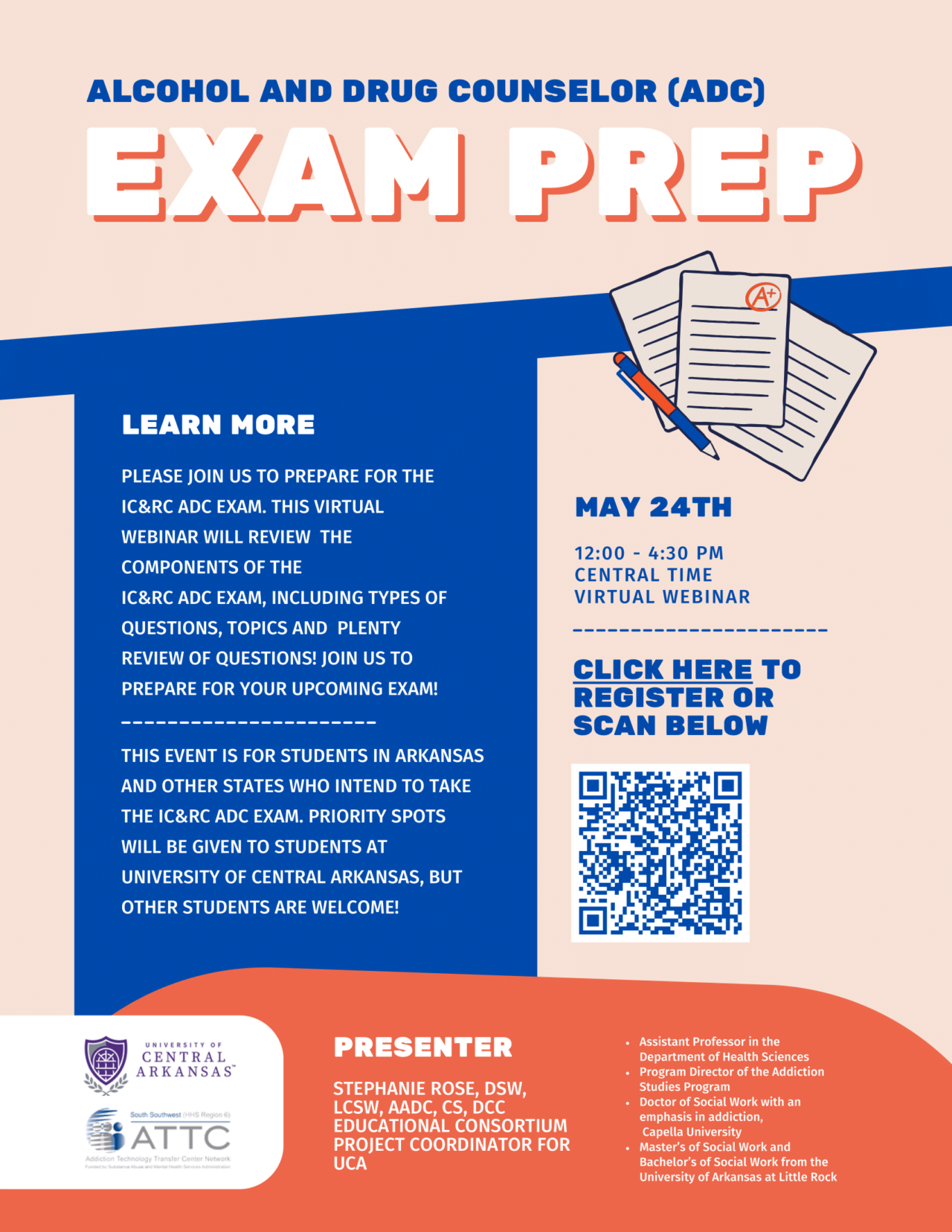
- IC&RC (International Certification & Reciprocity Consortium): They offer exams for Alcohol and Drug Counselors (ADC) and Advanced Alcohol and Drug Counselors (AADC). Their credentials are often "reciprocal," meaning they can be transferred between different states or countries.
- NAADAC (The Association for Addiction Professionals): They offer the NCAC I and NCAC II (National Certified Addiction Counselor) exams.
These exams test the applicant's knowledge across all domains of addiction treatment, including assessment, counseling, and professional responsibility.
Comparing Educational Paths for Substance Abuse Counseling
The following table outlines the typical requirements for different levels of counseling education as of 2026.
| Feature | Associate/Certificate Level | Bachelor’s Degree Level | Master’s Degree Level |
|---|---|---|---|
| Typical Title | CADC I / CAC | CADC II / NCAC II | LADC / LCAS / LPC |
| Academic Focus | Technical Skills & 12 Functions | Behavioral Science & Case Management | Clinical Diagnosis & Psychotherapy |
| Supervised Hours | 4,000 - 6,000 hours | 2,000 - 4,000 hours | 2,000 hours |
| Scope of Practice | Substance Use Only | Substance Use & Case Mgmt | Substance Use & Mental Health |
| Independent Practice | No (Requires Supervision) | Rare (State Dependent) | Yes |
| Billing Insurance | Limited | Moderate | Comprehensive |
Continuing Education and Specializations
The field of addiction science moves rapidly. Therefore, "education" is a career-long process. Licensed counselors are required to complete Continuing Education Units (CEUs) every two years to renew their credentials.
In 2026, specialized education tracks have become more prominent. Counselors may seek additional certifications in:
- Adolescent Addiction: Focusing on the unique developmental needs of teenagers.
- Problem Gambling: Addressing non-substance behavioral addictions.
- Veterans’ Issues: Specializing in the intersection of combat trauma and substance use.
- Telehealth Facilitation: Mastery of digital ethics and remote therapeutic engagement.
Common Challenges in the Educational Journey
Prospective students should be aware that the path is rigorous. One common challenge is the "lived experience" transition. Many people enter this field because they are in recovery themselves. While this provides empathy, the education process requires transitioning from a "peer support" mindset to a "clinical" mindset. This involves learning to use evidence-based practices rather than relying solely on one's personal story of recovery.
Another challenge is the state-by-state variance. Because there is no single federal license for addiction counseling, a student educated in California may find that their specific clock-hours do not perfectly align with the requirements in Florida. It is essential to consult the state's behavioral health board early in the educational process.
Professional Advice Limitation
The information provided in this article is for educational and career-guidance purposes only. Requirements for counseling licensure vary significantly by jurisdiction and are subject to legislative changes. This article does not constitute legal or medical advice. Prospective students should verify all requirements with their specific state’s licensing board or the relevant professional certification body (e.g., IC&RC or NAADAC) before enrolling in a program.
Frequently Asked Questions
Can I become a drug and alcohol counselor with a felony conviction?
In many states, yes, but it depends on the nature of the crime and how much time has passed. Most licensing boards require a "background review" where the applicant must demonstrate rehabilitation. Some states have "barrier crimes" (usually involving violence or sexual misconduct) that may permanently disqualify an applicant, but many counselors in the field have successfully navigated the "lived experience" path including a past criminal record.
What is the difference between a "certificate" and a "certification"?
A certificate is an academic document issued by a college or training provider showing you completed a course of study. A certification (or license) is a legal credential issued by a state board or national body that grants you the authority to practice as a professional counselor. You usually need the academic certificate to qualify for the professional certification.
How long does it take to complete the education for addiction counseling?
If you are pursuing an entry-level CADC with an Associate degree, it typically takes 2 years of school plus 2 years of supervised work. If you are pursuing a Master’s level LADC, expect 6 to 7 years of total commitment (4 years for a Bachelor’s, 2 years for a Master’s, and 1-2 years of post-grad clinical hours).
Is online education valid for drug and alcohol counseling?
Yes, provided the program is accredited by a recognized body like CACREP (Council for Accreditation of Counseling and Related Educational Programs) or NASAC (National Addiction Studies Accreditation Commission). However, even with an online degree, your clinical practicum hours must be completed in person at an approved physical facility.
Do I need to be in recovery to be a substance abuse counselor?
No. While many people in the field are in recovery, it is not a requirement. What is required is "clinical empathy," a solid understanding of the science of addiction, and the professional training to implement evidence-based treatments.
Practical Recommendation for Next Actions
If you are interested in pursuing this career, your first step should be to visit the website of your state’s Behavioral Health or Substance Abuse Licensing Board. Look for the "Initial Application" handbook. This document will list the exact number of "clock hours" required and which specific topics (e.g., 6 hours of ethics, 10 hours of HIV/AIDS awareness) you must cover. Before paying tuition for any program, verify that the school’s curriculum is pre-approved by your state board to ensure your education will count toward your eventual license.
Image Gallery