Understanding Fellatio: Health Risks, STI Transmission, and Prevention Strategies
Fellatio carries a lower risk for certain infections compared to unprotected vaginal or anal intercourse, but it is not a "risk-free" activity. The primary health risks include the transmission of bacterial infections like gonorrhea an...
Fellatio carries a lower risk for certain infections compared to unprotected vaginal or anal intercourse, but it is not a "risk-free" activity. The primary health risks include the transmission of bacterial infections like gonorrhea and syphilis, viral infections such as HPV and herpes, and a significantly lower but non-zero risk of HIV transmission.
Contents
The common perception of oral sex as "safe sex" has led many individuals to overlook the clinical reality of oral-genital pathogen transfer. As we navigate the health landscape of 2026, medical professionals emphasize that the mouth and throat provide a receptive environment for many of the same pathogens typically associated with the genitals. Understanding the physiological mechanisms of transmission and the specific risks associated with fellatio is essential for maintaining comprehensive sexual health.
The Physiology of Transmission During Fellatio
To understand the health risks, one must first understand how pathogens move between the penis and the oral cavity. The mucous membranes of the mouth and the pharynx (throat) are thin and highly vascularized, meaning they have a rich blood supply. During fellatio, the friction involved can create microscopic abrasions in these tissues.
Furthermore, the presence of pre-existing conditions—such as gingivitis, mouth sores, or recent dental work—can provide a direct gateway for bacteria and viruses into the bloodstream. While saliva contains certain enzymes and proteins that have mild antimicrobial properties, it is not a disinfectant. Pathogens that thrive in warm, moist environments find the pharynx an ideal reservoir for colonization.
Bacterial Infections: The "Silent" Oral Risks
Bacterial STIs are among the most common risks associated with fellatio. In many cases, these infections are asymptomatic in the throat, meaning an individual may act as a carrier without realizing they are infected.
Pharyngeal Gonorrhea
Neisseria gonorrhoeae is highly efficient at colonizing the throat. Pharyngeal gonorrhea is particularly concerning because it is often harder to treat than genital gonorrhea. The throat acts as a reservoir where the bacteria can exchange genetic material with other oral bacteria, potentially leading to increased antibiotic resistance.
- Symptoms: Most cases are asymptomatic, but some may experience a persistent sore throat or swollen lymph nodes.
- Detection: Standard urine tests will not detect pharyngeal gonorrhea. A specific throat swab is required for an accurate diagnosis.
Syphilis
Syphilis, caused by Treponema pallidum, is transmitted through direct contact with a syphilis sore (chancre). During fellatio, if a partner has a chancre on the penis, the bacteria can enter the oral cavity.
- Symptoms: A painless sore may appear on the lips, tongue, or inside the throat. If left untreated, the infection progresses to secondary syphilis, characterized by rashes and systemic symptoms.
- Risks: Syphilis is a systemic infection that, if ignored, can lead to long-term neurological and cardiovascular damage.
Chlamydia
While less common in the throat than gonorrhea, Chlamydia trachomatis can still cause pharyngeal infections. Similar to gonorrhea, it is usually asymptomatic but can cause mild throat irritation.
Viral Risks: From Skin Contact to Systemic Infection
Viruses often pose a more complex risk profile because many cannot be cured, only managed. The transmission of viruses during fellatio depends heavily on viral load and the presence of active lesions.
Human Papillomavirus (HPV) and Oropharyngeal Cancer
Perhaps the most significant long-term health risk associated with fellatio is the transmission of HPV. While most HPV strains cause harmless oropharyngeal infections that the immune system clears, "high-risk" strains (specifically HPV-16 and HPV-18) are linked to the development of oropharyngeal cancers.
- The 2026 Perspective: By 2026, the medical community has recognized that HPV-positive throat cancers have surpassed tobacco-related throat cancers in several demographics.
- Prevention: Vaccination remains the primary defense. The Gardasil 9 vaccine is highly effective at preventing the strains most likely to cause cancer.
Herpes Simplex Virus (HSV-1 and HSV-2)
Fellatio can facilitate the transmission of herpes in both directions.
- Oral-to-Genital: If the person performing fellatio has a cold sore (usually HSV-1), they can transmit the virus to their partner's genitals, resulting in genital herpes.
- Genital-to-Oral: If the person receiving fellatio has an active genital outbreak (HSV-1 or HSV-2), the partner can contract oral herpes.
- Asymptomatic Shedding: It is important to note that herpes can be transmitted even when no visible sores are present through a process called viral shedding.
Human Immunodeficiency Virus (HIV)
The risk of contracting HIV through fellatio is extremely low, but it is not zero. Transmission is only possible if there is a high viral load in the semen or pre-ejaculate and a direct route into the bloodstream of the performing partner (such as bleeding gums or an open sore). According to the Centers for Disease Control and Prevention (CDC), the estimated risk per act is significantly lower than 1 in 2,500.
Comparison of STI Risks During Fellatio
The following table outlines the relative risks and common manifestations of various pathogens during oral-penile contact.
| Pathogen | Transmission Risk | Primary Oral Symptom | Diagnostic Method |
|---|---|---|---|
| Gonorrhea | High | Sore throat (often none) | Pharyngeal Swab (NAAT) |
| Syphilis | Moderate | Painless Chancre (Sore) | Blood Test / Swab of lesion |
| HPV | High | Usually none; possible warts | Clinical exam (no routine screening) |
| Herpes (HSV) | Moderate | Cold sores / Blisters | Swab of active lesion |
| Chlamydia | Low-Moderate | Mild irritation | Pharyngeal Swab (NAAT) |
| HIV | Very Low | None (Acute flu-like symptoms) | Blood Test (4th Gen) |
Risk Mitigation and Prevention Strategies
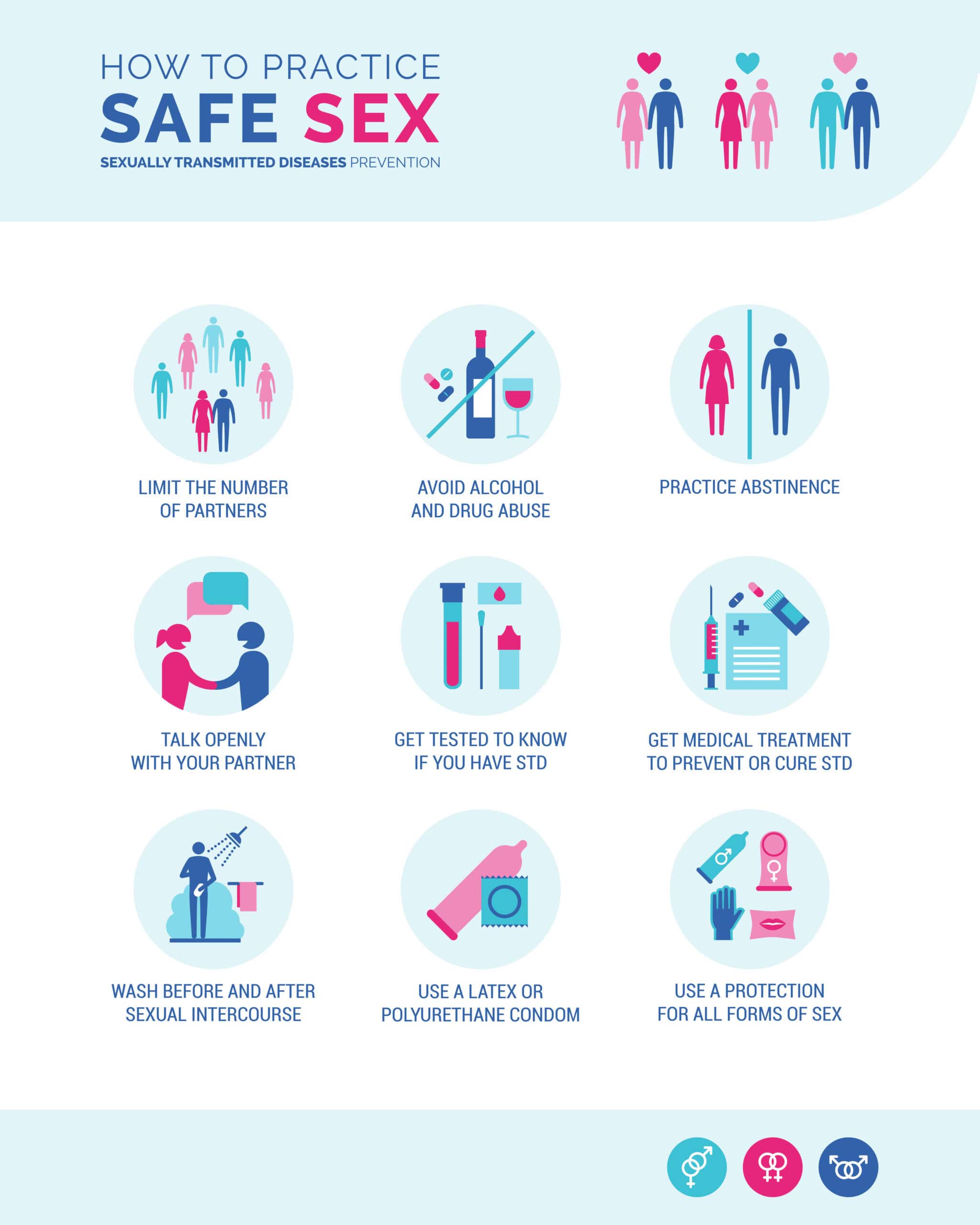
While the only way to eliminate risk is abstinence, several practical steps can significantly reduce the likelihood of pathogen transmission during fellatio.
Barrier Methods
The use of condoms is the most effective way to prevent the transmission of fluids and limit skin-to-skin contact. While many find the taste of latex unappealing, flavored condoms specifically designed for oral sex are widely available in 2026. These barriers prevent bacteria like gonorrhea and chlamydia from reaching the throat and reduce the surface area exposed to HPV and HSV.
Site-Specific Testing
Standard STI screenings often involve only a urine sample and a blood draw. For individuals engaging in fellatio, it is crucial to request extra-genital screening. This includes a throat swab to check specifically for pharyngeal gonorrhea and chlamydia. Many clinics do not perform these unless specifically requested by the patient.
Vaccination
The HPV vaccine is a critical tool for preventing oral cancers. Public health guidelines in 2026 continue to recommend the vaccine for all individuals up to age 26, and for many adults up to age 45 after consultation with a physician.
Communication and Visual Inspection
Open communication regarding STI status is fundamental. Additionally, a brief visual inspection of the genital area for any unusual bumps, sores, or discharges can help identify active infections (like syphilis or herpes) before contact occurs. However, because many infections are asymptomatic or internal, this is not a substitute for regular testing.
Myths vs. Reality in Oral Health
A common myth is that using mouthwash immediately after fellatio can "kill" STIs. There is no clinical evidence that standard mouthwash prevents the transmission of STIs. In fact, some high-alcohol mouthwashes may irritate the oral mucosa, potentially making it easier for pathogens to enter the tissues.
Another misconception is that pre-ejaculate (pre-cum) does not carry STIs. Research has confirmed that pathogens like HIV, gonorrhea, and chlamydia can be present in pre-ejaculate, meaning that risk exists even if ejaculation does not occur in the mouth.
Frequently Asked Questions
Can I get an STI from oral sex if my partner has no symptoms?
Yes. Many infections, particularly gonorrhea, chlamydia, and HPV, are often asymptomatic. This means a partner can appear perfectly healthy while still being able to transmit an infection. Regular testing is the only way to verify STI status.
Is the risk of HIV transmission higher if I have a cut in my mouth?
Yes. Any break in the integrity of the oral mucosa—such as a cut, a bleeding gum from flossing, or a canker sore—provides a direct pathway for the virus to enter the bloodstream. It is generally advised to avoid performing fellatio immediately after brushing or flossing to prevent micro-trauma to the gums.
How soon after exposure should I get tested for oral STIs?
The "window period" varies by infection. For bacterial infections like gonorrhea and chlamydia, testing is usually accurate 1 to 2 weeks after exposure. For syphilis, it may take 3 to 6 weeks, and for HIV, a 4th-generation blood test is highly accurate 4 weeks after exposure.
Can HPV in the throat be cured?
There is currently no cure for the HPV virus itself; however, the immune system often clears the virus on its own within two years. If HPV causes cellular changes or warts, those specific manifestations can be treated or monitored by a healthcare professional.
Does "pulling out" before ejaculation reduce the risk?
While avoiding ejaculation in the mouth reduces the volume of potentially infected fluid, it does not eliminate the risk. Pathogens can be transmitted through pre-ejaculate and through direct skin-to-skin contact with the penis or scrotum.
Next Steps for Sexual Health
If you have engaged in unprotected fellatio and are concerned about your health, the first step is to schedule a comprehensive STI screening that includes pharyngeal swabs. Discuss your vaccination history with a healthcare provider to ensure you are protected against HPV and Hepatitis B. In 2026, many at-home testing kits also offer oral swab options, providing a convenient way to monitor your status privately. Prioritizing routine testing and barrier use ensures that you can enjoy a fulfilling sex life while minimizing long-term health complications.
Image Gallery