Why Are Olives in Martinis? The History, Flavor Science, and Etiquette
The presence of olives in a martini is the result of a historical transition from sweet to savory palates in the late 19th century and the specific chemical interaction between salt and botanical spirits. Olives provide a necessary sal...
The presence of olives in a martini is the result of a historical transition from sweet to savory palates in the late 19th century and the specific chemical interaction between salt and botanical spirits. Olives provide a necessary saline counterpoint to the bitterness of gin and the acidity of vermouth, enhancing the drink's "umami" profile while acting as a functional snack to mitigate the effects of high-proof alcohol.
Contents
For over a century, the olive has served as the definitive visual and flavor anchor for the martini. While modern mixology in 2026 has introduced a vast array of experimental garnishes, the green olive remains the gold standard. To understand why we place a salty fruit into a glass of cold gin or vodka, one must look at the intersection of cocktail history, the science of taste, and the evolution of social drinking etiquette.
The Historical Evolution: From Sweet Cherries to Savory Olives
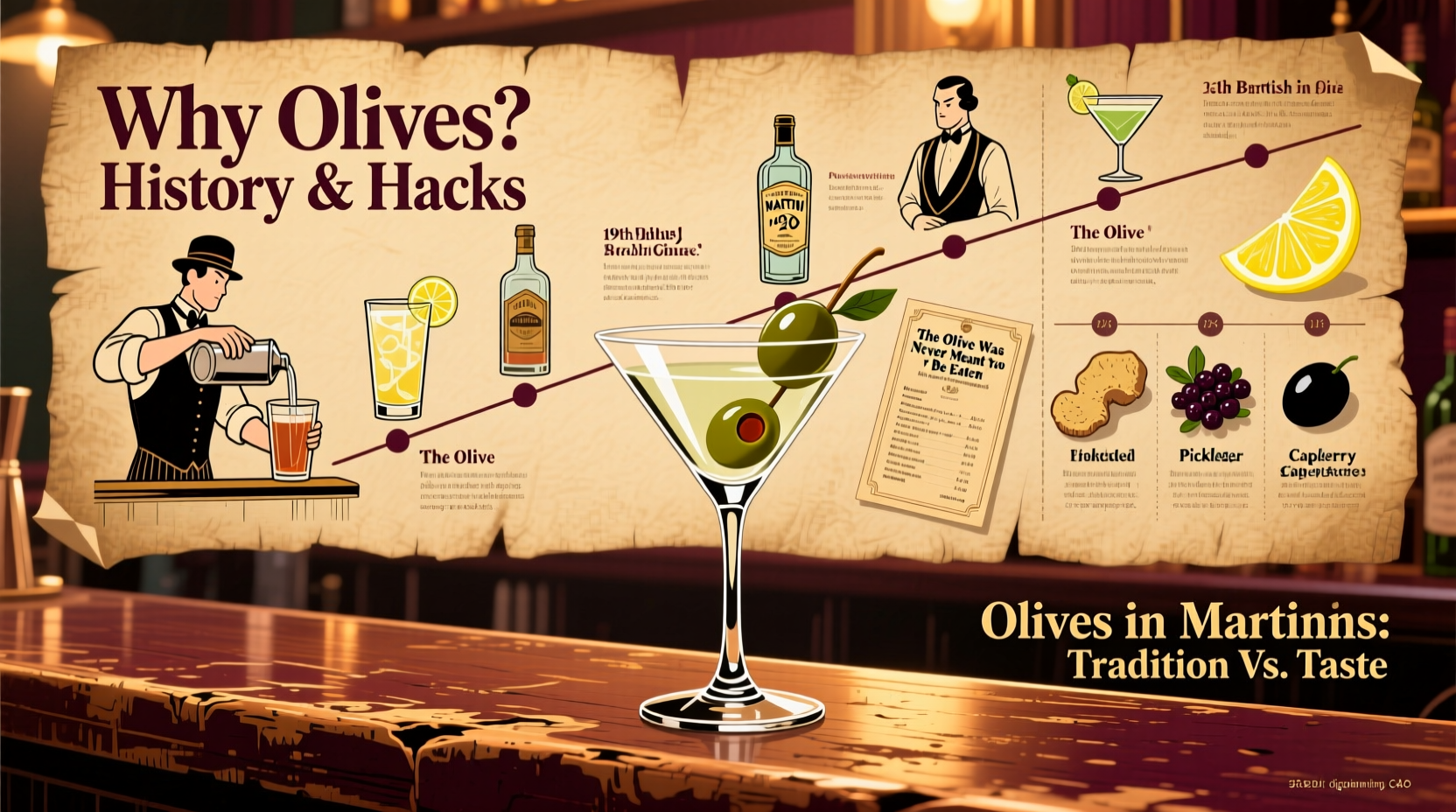
The martini did not begin its life with an olive. In the mid-19th century, the precursor to the martini was the Martinez, a cocktail that typically consisted of Old Tom gin (a sweeter style), sweet red vermouth, Maraschino liqueur, and orange bitters. Because the drink was decidedly sweet, the standard garnish was a lemon twist or even a maraschino cherry.
As the late Victorian era progressed into the Edwardian period, public taste began to shift toward "dry" flavors. Distillers perfected the London Dry style of gin, and French dry vermouth became more accessible. With the sugar removed from the base spirits, the cherry no longer made sense. According to culinary historians, the olive first began appearing in cocktail manuals around the late 1880s. One popular theory suggests that a French miner in California traded a nugget of gold for a "special" drink at a bar; the bartender, lacking traditional ingredients, supposedly used what was on hand—including an olive from a jar of Mediterranean preserves.
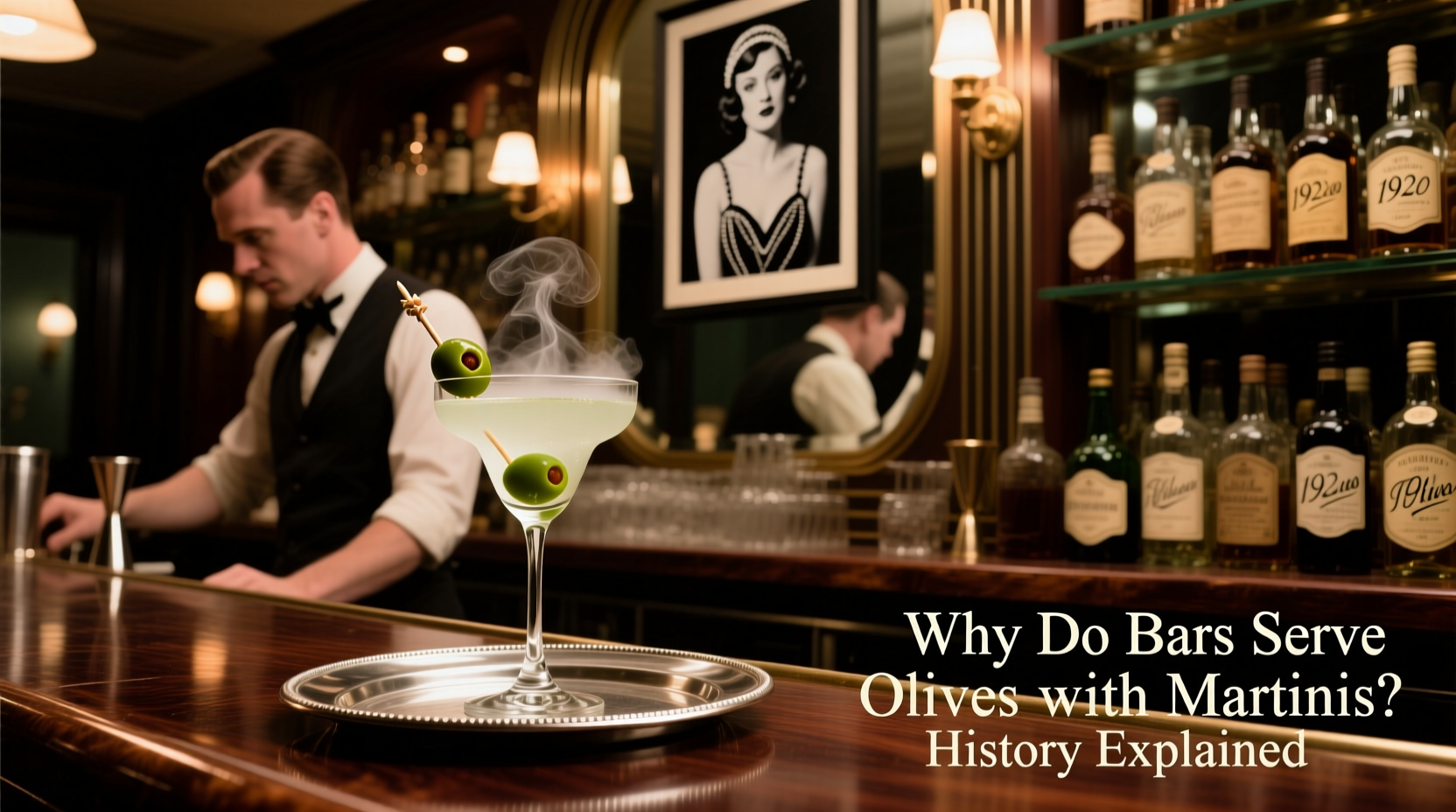
By the time the 1910s arrived, the olive had become a symbol of sophistication. The transition was solidified during the Prohibition era and subsequent decades. The olive provided a savory "bite" that complemented the increasingly popular dry gin, and by the mid-20th century, the "three-olive martini" became a visual shorthand for the American power lunch.
The Flavor Science: Salt, Bitterness, and Ethanol
The reason olives remain in martinis today is not just tradition; it is chemistry. A martini is essentially a high-proof, cold, aromatic soup. Gin is infused with botanicals like juniper, coriander, and angelica root, all of which carry a degree of bitterness. Dry vermouth adds herbal complexity and acidity.
Salt as a Flavor Enhancer
Salt has a unique ability to suppress bitterness while enhancing other flavors. When the brine from an olive (or the olive itself) touches the gin and vermouth mixture, the sodium ions interact with the taste buds to dampen the sharp "bite" of the juniper. This allows the more delicate floral and citrus notes of the gin to become more perceptible. This is the same reason why chefs add a pinch of salt to chocolate or caramel—it balances the profile and creates a more rounded sensory experience.
The Role of Umami
Olives are a rare source of umami in the cocktail world. Umami, often described as a savory or "meaty" taste, is triggered by glutamate. In a drink that is almost entirely composed of sharp, clean, and ethereal alcohol, the olive provides a grounding, earthy depth. The oil from the olive skin also creates a microscopic film on the surface of the drink, which changes the "mouthfeel," making the cocktail feel silkier and more substantial.
The "Dirty" Revolution: The Rise of Olive Brine
While the olive garnish was standard by the 1930s, the "Dirty Martini"—a martini with a splash of olive brine added directly to the mixing glass—took longer to gain mainstream acceptance. Legend often attributes the popularity of the Dirty Martini to President Franklin D. Roosevelt, who was known to enjoy his martinis with a heavy dose of brine.
The Dirty Martini serves a specific functional purpose for drinkers who find the botanical intensity of gin or the clinical neutrality of vodka to be too aggressive. The brine acts as a bridge, tempering the ethanol burn and adding a cloudy, savory character that transforms the martini from a stimulant into a quasi-appetizer. In 2026, we see high-end bars using "clarified" brines and artisanal saline solutions, but the core appeal remains the same: the craving for salt in a high-alcohol environment.
Anatomy of the Perfect Martini Olive
Not all olives are suitable for a martini. A low-quality, mushy olive can ruin a premium gin, while an overly salty one can drown out the vermouth. Bartenders generally categorize martini olives into three primary types:
| Olive Variety | Texture | Flavor Profile | Best Use Case |
|---|---|---|---|
| Spanish Manzanilla | Firm, meaty | Salty, slightly nutty | The classic choice for a standard Dry Martini. |
| Castelvetrano | Buttery, crisp | Mild, sweet, fruity | Ideal for those who want a less "briny" experience. |
| Sevillano | Large, soft | Sharp, fermented | Best for "Extra Dirty" martinis where size matters. |
| Stuffed (Pimento) | Varied | Sweet pepper finish | Adds a pop of color and a mild sweetness to the finish. |
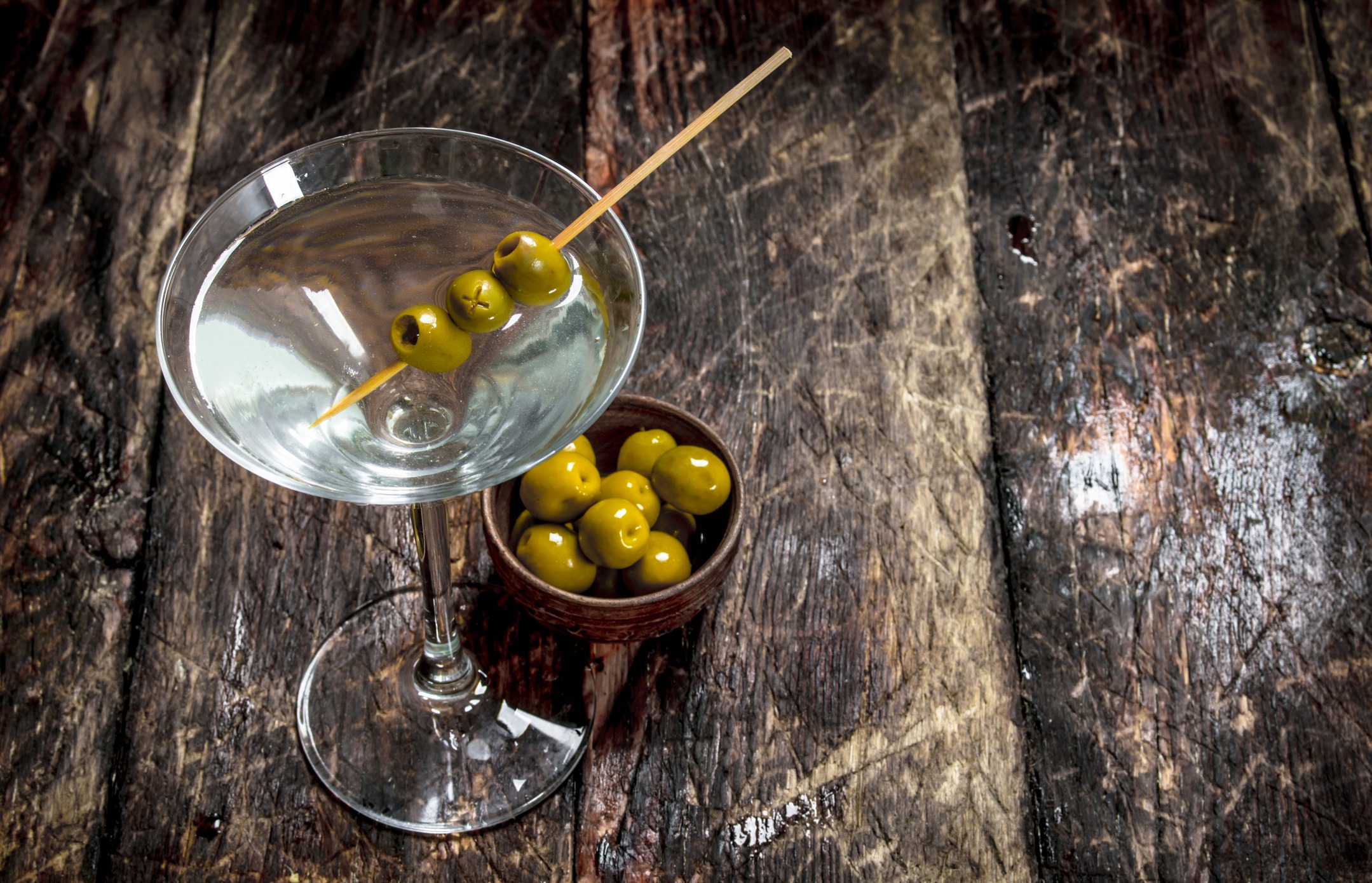
The Manzanilla remains the industry standard because its firm texture prevents it from disintegrating in the glass, and its pit-hole provides a reservoir for a small amount of vermouth to hide, creating a "flavor bomb" for the drinker at the end of the glass.
Etiquette and the Rule of Three
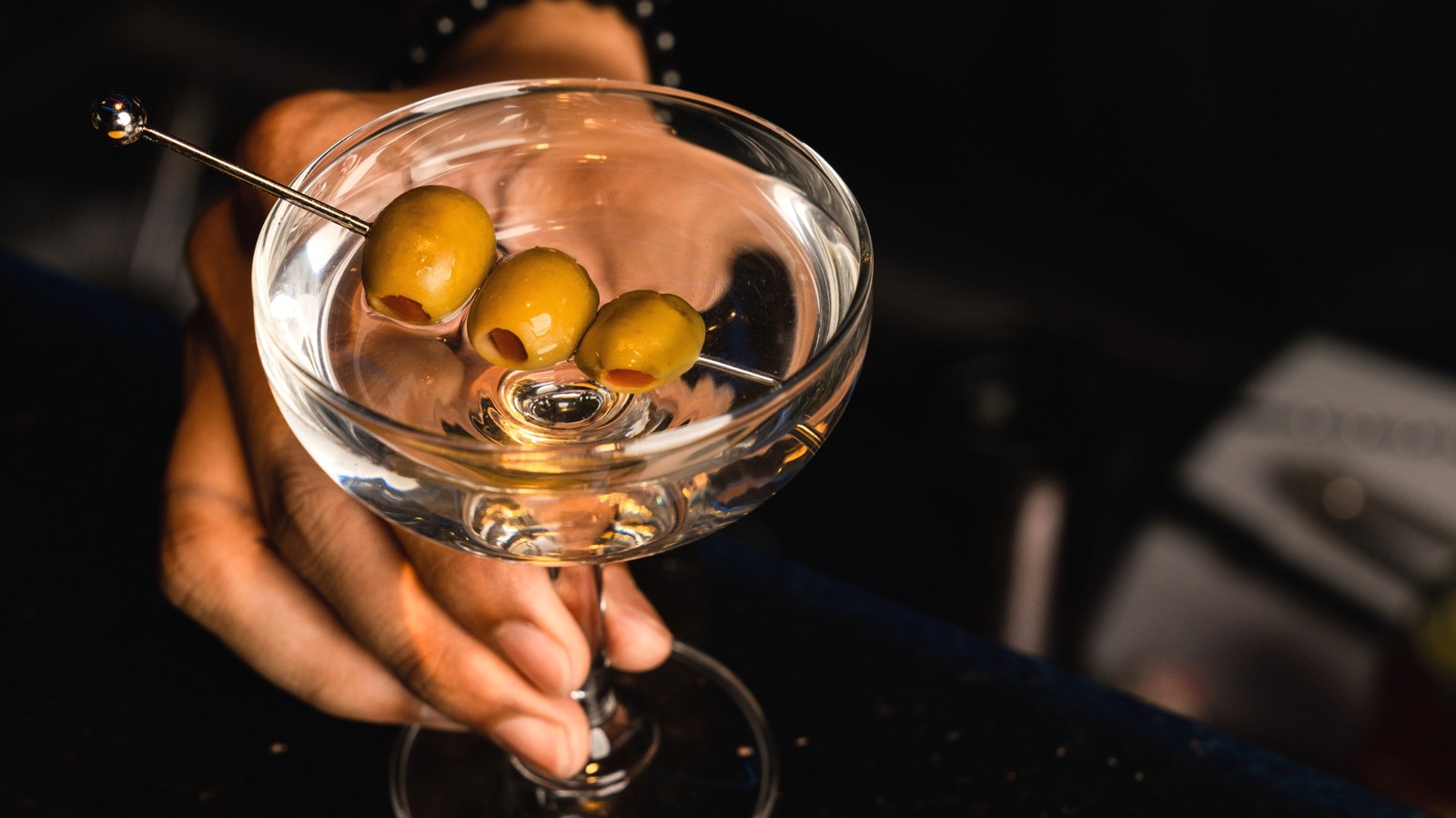
There is a long-standing tradition in bartending regarding the number of olives served in a martini. Professional etiquette dictates that olives should always be served in odd numbers—typically one or three.
- The Superstition: Some old-school bartenders believe that an even number of olives is bad luck. This stems from maritime superstitions where even numbers were associated with "balancing" or "stagnation," whereas odd numbers represented movement and life.
- The Aesthetic: Visually, three olives on a pick create a more balanced line than two, following the "rule of thirds" used in photography and art.
- The Practicality: A single olive is a garnish; three olives constitute a snack. In the era of the three-martini lunch, these olives often provided the only sustenance during a high-stakes business meeting.
When to Eat the Olive
The question of when to eat the olive is a matter of personal preference, but "correct" etiquette suggests waiting. As the olive sits in the gin and vermouth, it undergoes a process of osmosis. It absorbs the aromatics of the spirits while releasing its oils into the drink. Eating the olive after the drink is finished ensures that the fruit has been fully "marinated," providing a potent, boozy conclusion to the experience.
Common Mistakes and How to Avoid Them
Even with the right ingredients, the integration of olives into a martini can go wrong. To maintain the integrity of the cocktail, consider the following technical points:
- Temperature Mismatch: Olives should be kept chilled. Adding a room-temperature olive to a sub-zero martini will immediately raise the temperature of the drink, dulling the crispness that defines a great martini.
- Excessive Brine: Unless the order is specifically for a "Dirty" martini, the olives should be rinsed or patted dry before being added. Excess "drip" from the jar can introduce unrefined salt and preservatives that clash with the gin’s botanicals.
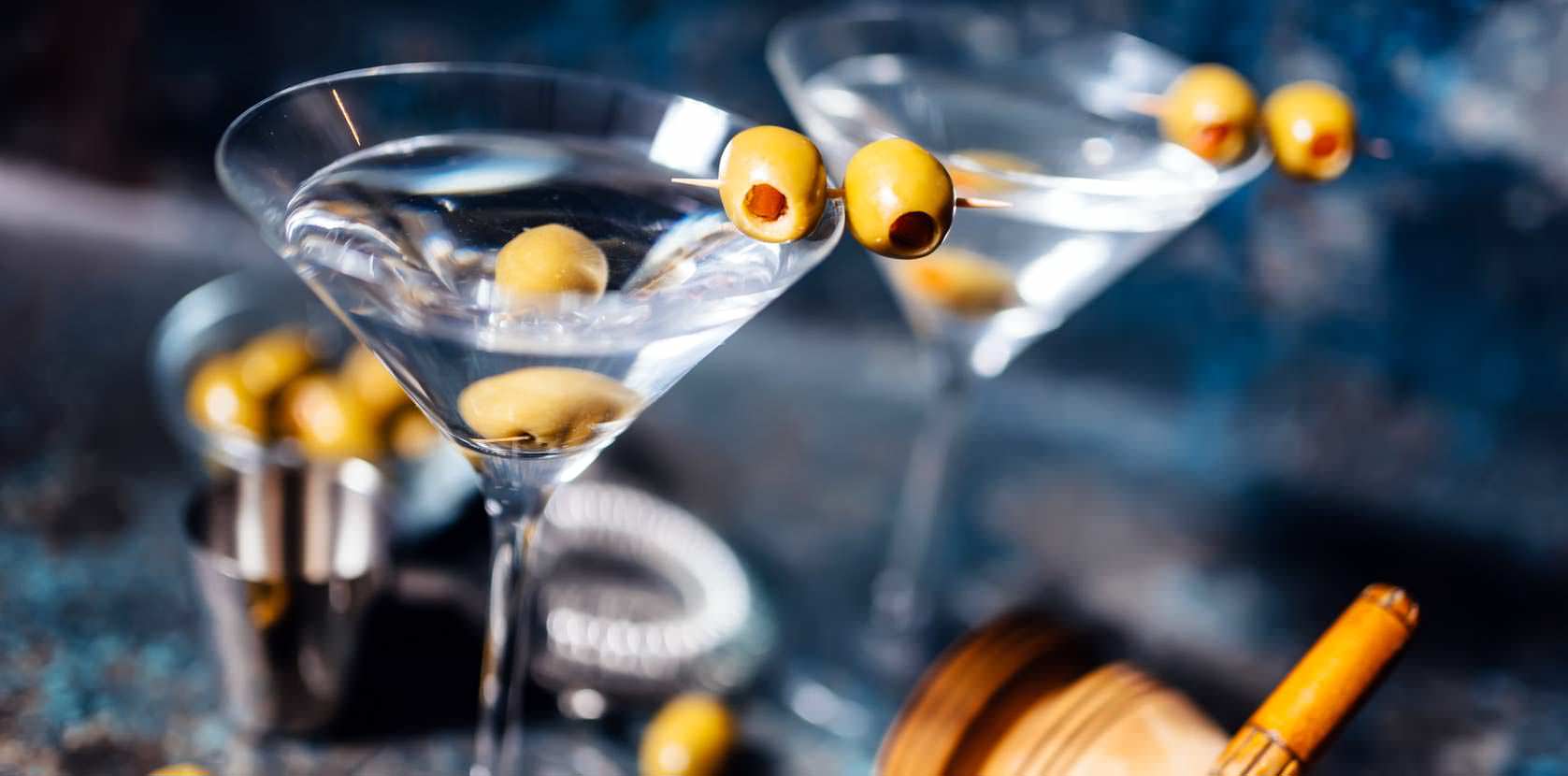
- Piercing the Skin: When skewering olives, it is best to go through the center. If the skin is torn unnecessarily, the olive may shed small fragments or "sediment" into the clear liquid, ruining the visual clarity of the cocktail.
Comparison: The Olive vs. The Twist vs. The Onion
While the olive is the most famous garnish, it is not the only option. Understanding the alternatives highlights why the olive is chosen for its specific savory profile.
- The Lemon Twist: This is the olive’s primary rival. A twist provides essential oils (limonene) that add brightness and a floral aroma. It is the choice for those who want to emphasize the citrus notes in their gin.
- The Gibson (Cocktail Onion): When a martini is served with a pickled pearl onion instead of an olive, it becomes a Gibson. The onion provides a pungent, earthy acidity that is even more savory than an olive but lacks the oily richness.
- The Dirty Garnish: In modern 2026 mixology, some bartenders use blue-cheese-stuffed olives or even pickled jalapeños. While popular, these often overpower the base spirits, turning the drink into a "liquid appetizer" rather than a balanced cocktail.
Final Recommendation for the 2026 Drinker
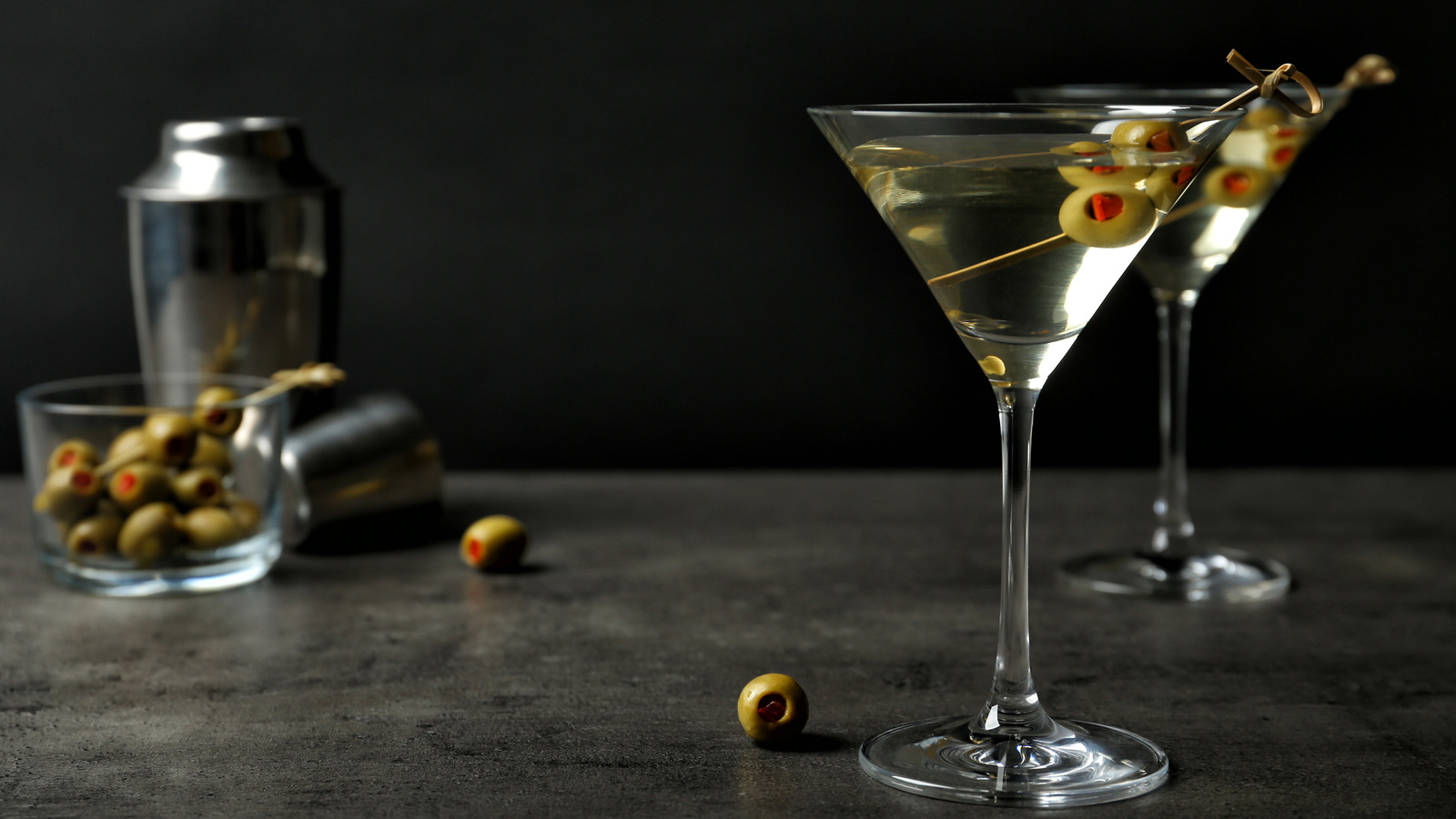
If you are looking for the quintessential martini experience, start with a London Dry Gin, a high-quality Dry Vermouth (at a 5:1 ratio), and exactly three Manzanilla olives on a stainless steel pick. Ensure the olives are chilled and the drink is stirred—not shaken—to preserve the silky texture that the olive oils are meant to enhance. The interaction of the salt, the juniper, and the chilled glass remains one of the most successful flavor pairings in culinary history.
Frequently Asked Questions
Why do some people say an even number of olives is bad luck? This is a traditional bartender's superstition. It is widely believed that even numbers are aesthetically "closed" and unlucky, whereas odd numbers (1 or 3) are "open" and visually appealing. In high-end hospitality, serving two olives is often considered a sign of an untrained bartender.
Can you use black olives in a martini? While technically possible, black olives are rarely used because they are typically cured in oil or packed in a way that creates an unappealing film on the drink. They also lack the sharp, lactic acidity found in green olives (which are harvested earlier), making them less effective at cutting through the alcohol.
Is it okay to ask for extra olives? Yes. In 2026, most bars are happy to provide a side dish of olives (often called a "sidecar") if you prefer more than three. This allows you to enjoy the snack without overcrowding the glass and raising the drink’s temperature.
What is a "Dirty Martini" exactly? A Dirty Martini is a standard martini that includes a small amount of the liquid used to pack the olives (the brine). This makes the drink cloudy and significantly increases the salt content, which many drinkers find more palatable than a "clean" or "dry" martini.
Do olives go better with gin or vodka? Olives are traditionally paired with gin because the salt interacts with the gin’s complex botanicals. However, olives are also highly effective in vodka martinis, where they provide the primary flavor profile for an otherwise neutral spirit.
Image Gallery