Orthopaedic Engineering: Principles, Innovations, and Clinical Applications in 2026
Orthopaedic engineering is a specialized branch of bioengineering that applies principles of physics, mechanics, and materials science to the human musculoskeletal system. It focuses on the design, development, and testing of implants,...
Orthopaedic engineering is a specialized branch of bioengineering that applies principles of physics, mechanics, and materials science to the human musculoskeletal system. It focuses on the design, development, and testing of implants, prosthetics, and surgical tools to treat bone, joint, and soft tissue disorders. By merging clinical medicine with mechanical analysis, this field restores mobility and improves the quality of life for millions of patients.
Contents
Orthopaedic engineering stands at the intersection of biological science and structural design. While traditional medicine focuses on the biological healing of tissues, orthopaedic engineering addresses the structural and mechanical failures of the body. Whether it is a titanium hip replacement, a polymer scaffold for ligament repair, or a robotic exoskeleton for gait assistance, the core objective remains the same: to replicate or enhance the natural biomechanics of the human body.
In 2026, the field has evolved beyond simple mechanical replacement toward "smart" and patient-specific interventions. The integration of advanced computational modeling, additive manufacturing, and sensor technology allows engineers to create solutions that are no longer "one-size-fits-all" but are instead tailored to the unique anatomical and physiological needs of the individual.
The Biomechanical Foundation of Orthopaedic Engineering
To design effective medical devices, orthopaedic engineers must first understand the mechanical environment of the human body. This involves the study of biomechanics, which is divided into two primary areas: kinematics (the study of motion) and kinetics (the study of forces).
Wolff’s Law and Bone Remodeling
One of the most critical concepts in orthopaedic engineering is Wolff’s Law, which states that bone grows or remodels in response to the forces placed upon it. If an engineer designs an implant that is too rigid, it may carry all the load, leaving the surrounding bone "shielded" from stress. This phenomenon, known as stress shielding, causes the bone to lose density and weaken, eventually leading to implant loosening or failure. Engineers in 2026 prioritize "iso-elastic" designs—implants that mimic the stiffness of natural bone—to ensure long-term stability and bone health.
Kinematics of Human Joints
Understanding how joints move is essential for designing replacements. For example, the knee is not a simple hinge; it involves complex rolling, gliding, and rotation. Orthopaedic engineers use Finite Element Analysis (FEA) to simulate these movements digitally before a physical prototype is ever created. This allows for the optimization of geometry to minimize wear and tear on the bearing surfaces, particularly in high-demand patients.
Advanced Biomaterials in 2026
The selection of materials is the cornerstone of orthopaedic engineering. A material must be biocompatible (not rejected by the body), corrosion-resistant, and possess mechanical properties suitable for its intended function.
Metallic Alloys
Titanium and its alloys remain the "gold standard" for load-bearing implants, such as hip stems and dental implants, due to their excellent strength-to-weight ratio and ability to facilitate osseointegration (the direct structural and functional connection between living bone and the surface of a load-carrying implant). Cobalt-chromium alloys are frequently used for joint surfaces because of their high wear resistance.
Polymers and Ceramics
Ultra-High Molecular Weight Polyethylene (UHMWPE) is the most common material used for the "cushion" in joint replacements. In 2026, highly cross-linked versions of this polymer, often infused with Vitamin E to prevent oxidation, have significantly extended the lifespan of joint replacements to 25 years or more. Ceramics, such as alumina and zirconia, are used in "ceramic-on-ceramic" bearings to provide the lowest possible wear rates, though their brittleness remains a design challenge that engineers must mitigate.
Bioresorbable Scaffolds
A major frontier in 2026 is the use of materials that the body can eventually replace with its own tissue. Polymers like Polylactic Acid (PLA) are engineered to degrade at a specific rate, providing temporary structural support while biological healing occurs. This is particularly prevalent in sports medicine for ligament and tendon repairs.
Implant Design and Additive Manufacturing
The shift toward Additive Manufacturing (3D Printing) has revolutionized how orthopaedic devices are produced. Historically, implants were manufactured in a limited range of sizes. Today, engineers use CT and MRI data to create a 3D model of a patient’s specific anatomy.
- Patient-Specific Implants (PSI): For complex cases, such as oncology-related bone loss or severe deformities, custom 3D-printed titanium implants are designed to fit the patient's unique bone geometry perfectly.
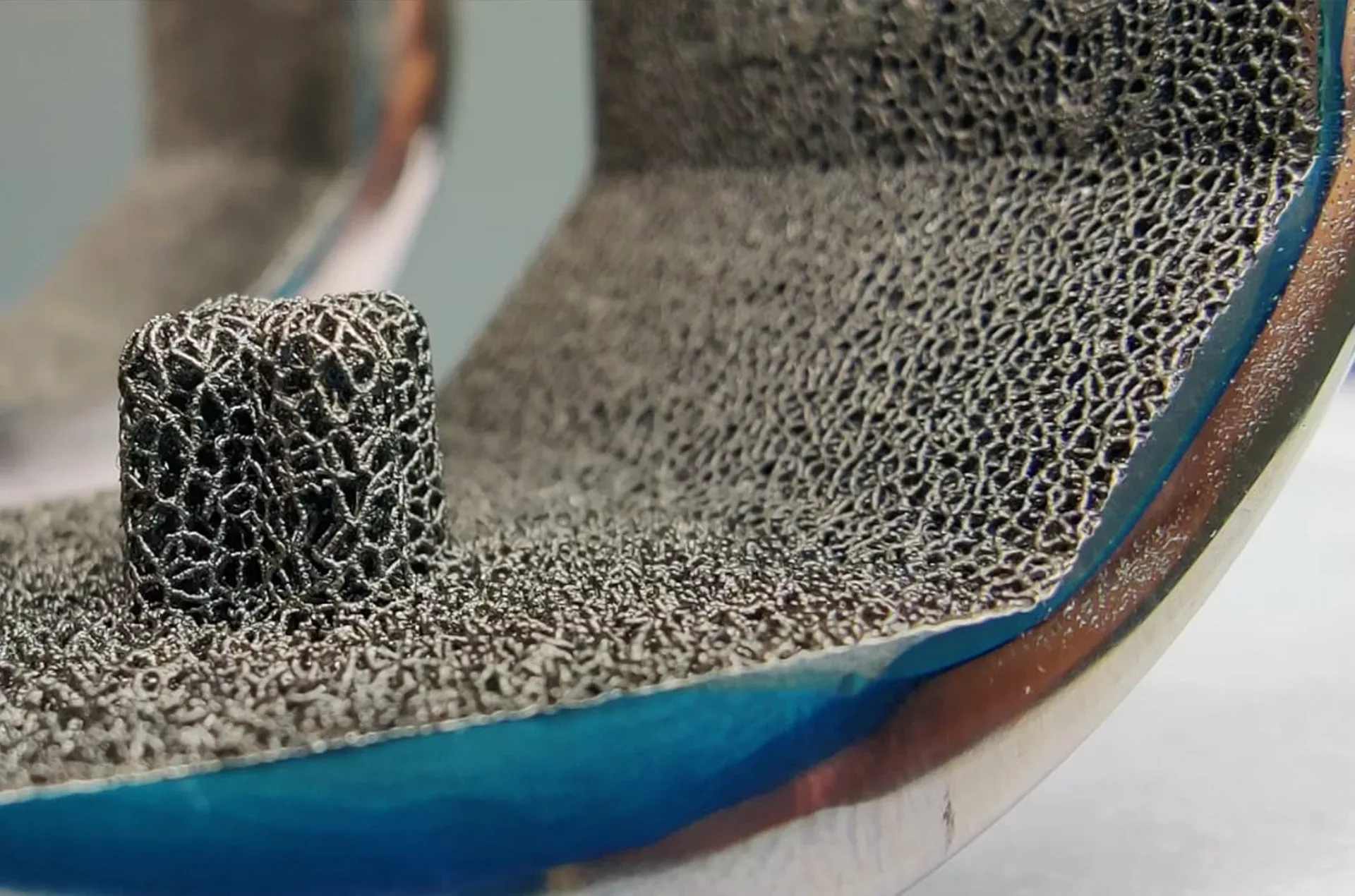
- Porous Surfaces: 3D printing allows for the creation of intricate, trabecular-like (bone-like) porous structures on the surface of implants. These pores encourage bone cells to grow into the metal, creating a biological bond that is far superior to traditional bone cement.
- Surgical Guides: Even when a standard implant is used, engineers design custom 3D-printed cutting blocks that fit onto the patient's bone, ensuring the surgeon makes cuts with sub-millimeter precision.
The Role of Robotics and Digital Health
Orthopaedic engineering is no longer confined to "hardware." In 2026, the "software" aspect—robotics and data analytics—is equally vital.
Robotic-Arm Assisted Surgery provides real-time feedback to surgeons, preventing them from removing too much healthy bone or placing an implant at an improper angle. The engineering behind these systems involves complex control theory and optical tracking technology.
Furthermore, the rise of Smart Implants has introduced electronics into the musculoskeletal space. These devices contain micro-sensors that monitor strain, temperature, and even the presence of bacteria. By transmitting this data wirelessly to a clinician’s smartphone, potential complications like infection or mechanical failure can be detected weeks before symptoms appear.
Comparison of Common Orthopaedic Implant Materials
The following table compares the primary materials used in modern orthopaedic engineering, highlighting their mechanical properties and typical applications.
| Material | Modulus of Elasticity (Stiffness) | Wear Resistance | Primary Use Case | Key Advantage |
|---|---|---|---|---|
| Titanium Alloy (Ti6Al4V) | Moderate (110 GPa) | Low | Hip stems, bone plates, dental implants | Superior osseointegration and biocompatibility. |
| Cobalt-Chromium (CoCrMo) | High (240 GPa) | Very High | Knee femoral components, hip balls | Excellent durability for articulating surfaces. |
| Alumina/Zirconia Ceramics | Very High (380 GPa) | Excellent | Hip bearing heads | Lowest friction and wear debris generation. |
| UHMWPE (Polyethylene) | Low (1 GPa) | High | Joint liners, tibial inserts | Mimics natural cartilage's shock absorption. |
| PEEK (Polyetheretherketone) | Moderate (4 GPa) | Moderate | Spinal cages, suture anchors | Radiolucent (doesn't block X-rays) and bone-like stiffness. |
Educational and Career Pathways
Becoming an orthopaedic engineer requires a rigorous interdisciplinary background. Most professionals enter the field with a degree in Biomedical Engineering or Mechanical Engineering with a concentration in biofluids or biomechanics.
Academic Requirements
- Undergraduate: A Bachelor of Science (B.S.) focusing on statics, dynamics, material science, and human physiology.
- Graduate: A Master’s (M.S.) or Doctorate (Ph.D.) is often required for Research and Development (R&D) roles. Advanced study usually focuses on specific niches like computational biomechanics or tissue engineering.
Regulatory Compliance
Engineers must work within strict legal frameworks governed by bodies such as the Food and Drug Administration (FDA) in the United States or the European Medicines Agency (EMA) in the EU. Knowledge of ISO 13485 (Quality Management Systems for Medical Devices) is a mandatory skill set for anyone involved in the commercialization of orthopaedic technology. The validation and verification process for a new Class III medical device (implants) can take years of mechanical testing and clinical trials.
Frequently Asked Questions
What is the difference between orthopaedic engineering and prosthetics?
Orthopaedic engineering is a broad field that encompasses the design of all devices related to the musculoskeletal system, including internal implants (like hip replacements) and surgical tools. Prosthetics is a specific sub-discipline focused on external devices that replace a missing limb or body part. While an orthopaedic engineer might design the internal components of a prosthetic knee, a prosthetist works directly with patients to fit and adjust the device.
How long do modern orthopaedic implants last in 2026?
Due to advancements in highly cross-linked polymers and improved surgical precision via robotics, many modern hip and knee replacements are now expected to last 25 to 30 years. This is a significant improvement from the 10-to-15-year lifespan common in previous decades, making joint replacement a viable option for much younger, more active patients.
Does orthopaedic engineering involve "growing" bone?
Yes, this falls under the sub-niche of Tissue Engineering. Orthopaedic engineers design biodegradable scaffolds and use bioreactors to encourage the growth of a patient's own bone or cartilage cells in a lab setting. While widespread clinical use is still emerging in 2026, it represents the future of the field—replacing synthetic materials with biological ones.
Is AI used in orthopaedic engineering?
Artificial Intelligence is now integral to the field. AI algorithms analyze thousands of previous surgical outcomes to help engineers design better implants and help surgeons predict which patients are at a higher risk of complications. AI is also used in "image segmentation," where it automatically turns a 2D MRI scan into a 3D model for custom implant design.
What are the biggest challenges in the field today?
The primary challenge remains periprosthetic infection. Even the most perfectly engineered titanium hip can fail if bacteria colonize its surface. Engineers are currently developing "antibiotic-eluting" coatings and nanostructured surfaces that physically prevent bacteria from adhering to the implant.
Future Directions and Recommendations
For those looking to engage with orthopaedic engineering—whether as a student, a clinician, or a patient—the focus is clearly shifting toward personalized medicine. The era of "off-the-shelf" surgery is ending.
If you are a student, prioritize learning computational modeling (FEA/CAD) and data science, as these are the tools defining the 2026 landscape. For patients, the recommendation is to seek out centers that utilize robotic-assisted technology and patient-specific planning, as these engineered solutions have been shown to reduce "outlier" results and improve the long-term success of the procedure. As we look toward the 2030s, the integration of regenerative medicine with traditional mechanical engineering promises to make permanent, biological repair a reality for the next generation of patients.
Image Gallery