Navigating Services at St. Joseph’s Ambulatory Imaging Center
St. Joseph’s Ambulatory Imaging Center provides high-quality, outpatient diagnostic services including MRI, CT scans, and digital mammography. Designed for convenience and accuracy, these centers allow patients to receive expert imagin...
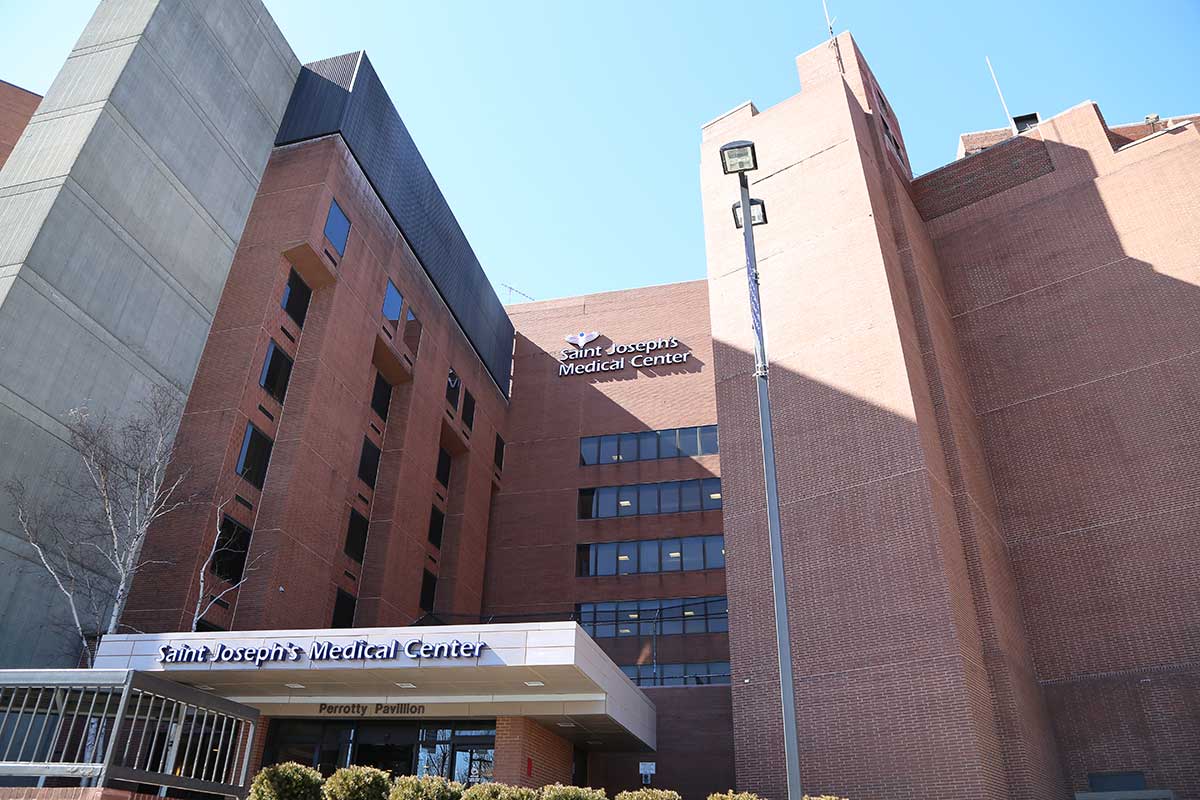
St. Joseph’s Ambulatory Imaging Center provides high-quality, outpatient diagnostic services including MRI, CT scans, and digital mammography. Designed for convenience and accuracy, these centers allow patients to receive expert imaging outside of a traditional hospital setting, ensuring faster results and seamless integration with St. Joseph’s Health’s broader clinical network for comprehensive care.
Contents
Understanding the Role of Ambulatory Imaging in Modern Healthcare
As we move through 2026, the shift toward outpatient medical services has become a cornerstone of efficient healthcare delivery. An ambulatory imaging center is a specialized facility where patients receive diagnostic tests that do not require an overnight hospital stay. St. Joseph’s Ambulatory Imaging Center serves as a vital bridge between primary care and specialized treatment, offering a streamlined environment specifically optimized for diagnostic precision and patient comfort.
Unlike hospital-based imaging departments, which must balance outpatient appointments with emergency room crises and inpatient needs, ambulatory centers focus exclusively on scheduled diagnostic procedures. This specialization typically results in shorter wait times, easier parking and facility navigation, and a less stressful atmosphere for patients. At St. Joseph's, the ambulatory imaging model is integrated with the health system’s electronic medical record (EMR) system, meaning that images are available to a patient’s referring physician almost immediately after a radiologist completes their review.
For residents in regions served by St. Joseph’s Health, such as Northern New Jersey or Central New York, these centers provide access to the same high-tier technology found in major academic medical centers but within a community setting. This accessibility is crucial for early detection of chronic conditions, monitoring the efficacy of ongoing treatments, and providing preoperative data for surgical planning.
Core Diagnostic Modalities and Technical Specifications
St. Joseph’s Ambulatory Imaging Center utilizes a suite of advanced diagnostic tools, each tailored to visualize different structures within the human body. Understanding these modalities helps patients prepare for their appointments and understand the specific medical objectives of their scans.
Magnetic Resonance Imaging (MRI)
The MRI services at St. Joseph’s utilize powerful magnetic fields and radio waves to create detailed images of organs and tissues. By 2026, the center has prioritized High-Field Wide-Bore MRI units. These machines offer several advantages: they provide exceptional image clarity for neurological, musculoskeletal, and vascular assessments, while the "wide-bore" design significantly reduces the feeling of claustrophobia that many patients associate with older, narrower tunnels. This technology is essential for diagnosing soft tissue injuries, brain disorders, and spinal conditions.
Computed Tomography (CT Scans)
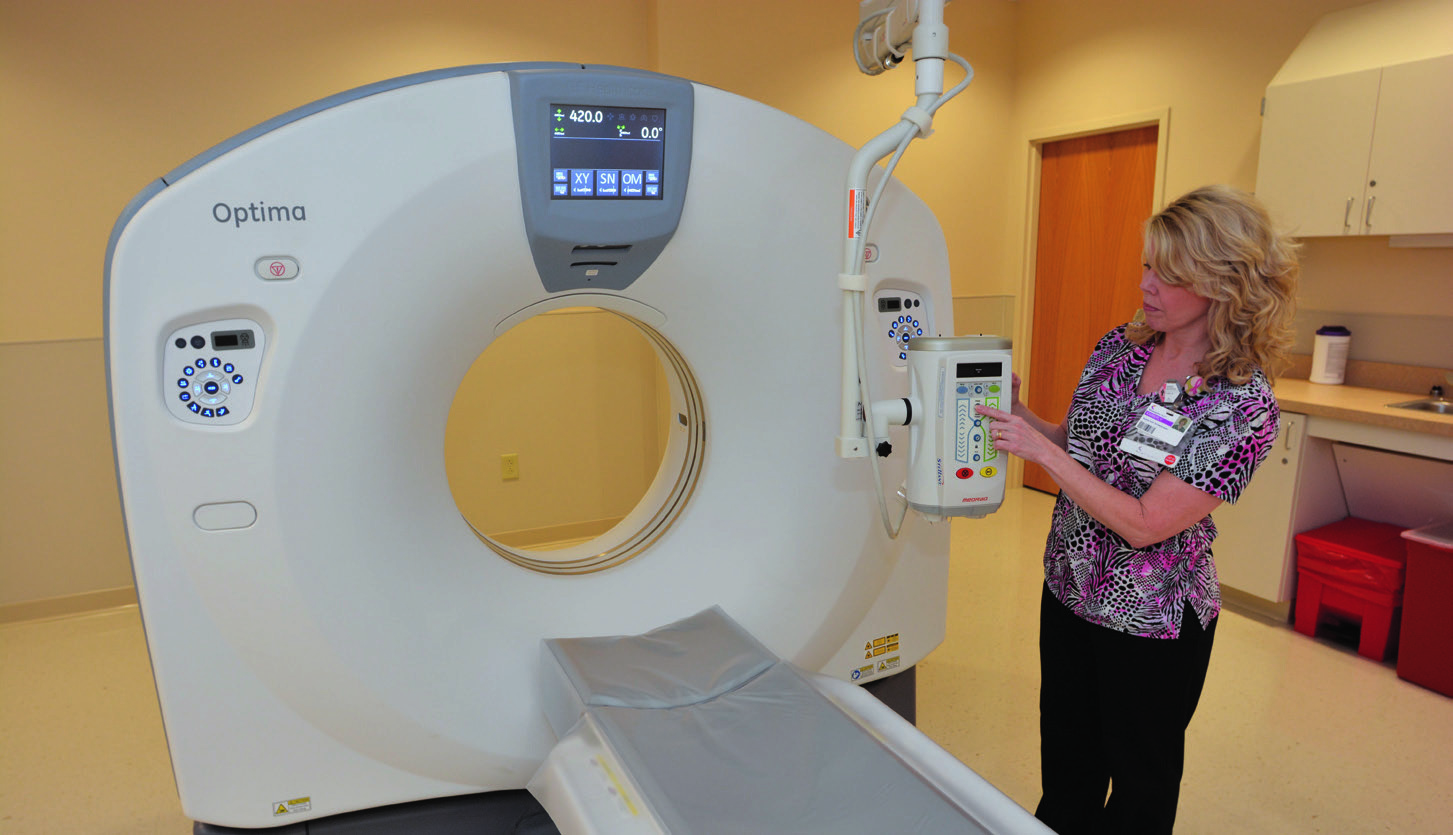
CT scans combine a series of X-ray images taken from different angles around the body and use computer processing to create cross-sectional images (slices). St. Joseph’s employs Multi-Detector CT (MDCT) technology, which allows for incredibly fast scanning—often completed in seconds—making it ideal for patients who have difficulty holding their breath or remaining still. In 2026, these units are equipped with advanced dose-reduction software, ensuring that patients receive the lowest possible radiation exposure while maintaining high diagnostic image quality.
Digital Mammography and Women’s Imaging
A primary focus of the ambulatory center is women’s health, specifically 3D Mammography (Digital Breast Tomosynthesis). Unlike traditional 2D mammography, 3D imaging takes multiple images of the breast from various angles to create a three-dimensional reconstruction. This allows radiologists to "see through" dense breast tissue, leading to higher detection rates for small tumors and a significant reduction in "callback" appointments for additional testing. The center also provides breast ultrasound and bone densitometry (DEXA) scans to screen for osteoporosis.
Ultrasound and Non-Invasive Vascular Testing
Ultrasound uses high-frequency sound waves to capture real-time images of the inside of the body. It is frequently used at St. Joseph’s for gallbladder examinations, obstetric monitoring, and guided biopsies. Furthermore, non-invasive vascular ultrasound helps in evaluating blood flow through the arteries and veins, identifying potential blockages or deep vein thrombosis (DVT) without the need for needles or contrast dyes.
Scheduling, Prerequisites, and Preparation
Accessing services at St. Joseph’s Ambulatory Imaging Center requires a structured approach to ensure clinical accuracy and insurance compliance. Because imaging involves sophisticated equipment and specialized personnel, preparation begins well before the patient arrives at the facility.
The Referral Process
In almost all instances, a formal physician’s order (prescription) is required. This document must specify the type of scan, the body part to be imaged, and the "clinical indication" (the medical reason for the test). For certain high-end modalities like MRI or PET/CT, your insurance provider will likely require prior authorization. The scheduling team at St. Joseph's often works in tandem with the referring physician’s office to verify that these authorizations are in place before the appointment date to avoid unexpected out-of-pocket costs.
Patient Preparation Guidelines
Preparation varies significantly depending on the scan:
- MRI: Patients must be screened for internal metal implants, such as pacemakers, cochlear implants, or certain surgical clips, as the strong magnetic field can interfere with these devices.
- CT with Contrast: If the scan requires an iodinated contrast agent to highlight blood vessels or organs, the patient may need to fast for several hours prior. Recent blood work (specifically Creatinine levels) may be required to ensure the kidneys can safely process the contrast.
- Ultrasound: For abdominal scans, patients are typically asked to fast; for pelvic or bladder scans, they may be required to arrive with a full bladder.
Arrival and Check-In
On the day of the exam, patients should arrive at least 15 to 30 minutes early. This time is used to finalize registration, sign consent forms, and, if necessary, change into medical scrubs or a gown. It is essential to bring a photo ID, current insurance cards, and any previous imaging films or discs from outside facilities if they have not already been uploaded to the St. Joseph’s system.
Comparison of Common Imaging Procedures
The following table provides a high-level comparison of the most frequent procedures performed at St. Joseph’s Ambulatory Imaging Center to help patients understand what to expect regarding duration and requirements.
| Procedure Type | Average Duration | Contrast Required? | Common Use Case |
|---|---|---|---|
| X-Ray | 5–15 Minutes | Rarely | Bone fractures, chest infections |
| CT Scan | 10–20 Minutes | Often (Oral or IV) | Internal bleeding, tumors, organ damage |
| MRI Scan | 30–60 Minutes | Sometimes (IV) | Ligament tears, brain/spine issues |
| Ultrasound | 20–45 Minutes | No | Pregnancy, gallbladder, blood flow |
| Mammography | 15–20 Minutes | No | Breast cancer screening |
| DEXA Scan | 10–15 Minutes | No | Bone density/Osteoporosis |
The Patient Experience: Quality and Safety Standards
St. Joseph’s Ambulatory Imaging Center adheres to rigorous safety and quality protocols mandated by the American College of Radiology (ACR). ACR accreditation is the "gold standard" in medical imaging, signifying that the facility has undergone a peer-review evaluation by board-certified physicians and medical physicists.
Radiologist Expertise
The "hidden" part of the imaging process is the interpretation. At St. Joseph’s, images are read by board-certified radiologists who often have sub-specialty training in areas such as neuroradiology, musculoskeletal imaging, or interventional radiology. This ensures that the nuance of each scan is captured in the final report. In 2026, these experts are supported by AI-assisted diagnostic tools that provide a "second set of eyes," flagging potential abnormalities for the radiologist to review with increased scrutiny.
Radiation Safety (ALARA)
For procedures involving ionizing radiation (X-rays and CT scans), the center follows the ALARA principle (As Low As Reasonably Achievable). This means the technical team constantly calibrates equipment to use the minimum amount of radiation necessary to produce a diagnostic-quality image. This is particularly important for pediatric patients or individuals requiring frequent follow-up scans.
Results and Follow-Up
Once the radiologist interprets the images, a formal report is sent to the referring physician. Most patients can also access their results through the St. Joseph’s Health Patient Portal. It is important to note that while the portal provides rapid access to the report, patients are encouraged to discuss the findings with their primary doctor, who can interpret the results within the context of the patient's overall health history.
Insurance, Billing, and Financial Considerations
Navigating the financial aspect of healthcare is a primary concern for many patients. As an ambulatory center, St. Joseph's is generally considered an "in-network" provider for most major commercial insurance plans, Medicare, and Medicaid. However, the exact cost to the patient depends on their specific plan's deductible, co-insurance, and copayment structure.
Facility Fees vs. Professional Fees
Patients may receive two separate bills for a single imaging appointment:
- The Technical/Facility Fee: This covers the use of the equipment, the supplies, and the specialized technologist who performs the scan.
- The Professional Fee: This is the charge from the radiologist for reading the images and generating the diagnostic report.
St. Joseph’s provides financial counseling for patients who may face high out-of-pocket costs. It is highly recommended that patients contact their insurance member services department prior to the appointment to confirm that the specific facility location is in-network and to obtain an estimate of their financial responsibility.
Frequently Asked Questions
How long does it take to get results from St. Joseph’s Ambulatory Imaging?
Most reports are finalized and sent to the referring physician within 24 to 48 hours. In urgent cases (marked "STAT" by the doctor), results can often be produced within a few hours. Patients using the online health portal can usually view the radiologist's report as soon as it is signed off.
Can I get a copy of my images on a disc or via digital transfer?
Yes. Patients have a legal right to their medical images. St. Joseph’s can provide a CD/DVD or, more commonly in 2026, a secure digital link or "Cloud" access for the patient to share with specialists at other institutions. It is best to request this at the time of the appointment.
Do I need to stop taking my medications before an imaging test?
In most cases, you should continue your medications as prescribed. However, if you are having a CT scan with contrast and you take medications for diabetes (such as Metformin), your doctor may provide specific instructions on pausing the medication for a short period after the scan to protect your kidney function.
Is there a weight limit for the imaging machines?
Most modern MRI and CT tables have weight capacities ranging from 450 to 550 pounds. If you have concerns about the equipment’s weight limits or dimensions, it is helpful to discuss this with the scheduling staff beforehand so they can ensure you are scheduled on a machine that comfortably accommodates your needs.
What is the difference between a "closed" and "wide-bore" MRI?
A traditional "closed" MRI has a tunnel diameter of about 60cm, which can feel restrictive. A "wide-bore" MRI, common at St. Joseph’s ambulatory sites, has a 70cm opening and a shorter tunnel, providing much more "headroom" and space, which significantly improves the experience for anxious or larger patients.
Final Recommendations for Your Visit
To ensure the most efficient experience at St. Joseph’s Ambulatory Imaging Center, patients should take a proactive approach to their diagnostic care. First, confirm with your referring physician exactly which scan is being ordered and why. Second, contact your insurance provider at least one week before the appointment to ensure that any necessary prior authorizations are active and on file. Third, follow all fasting and preparation instructions strictly; failure to do so can lead to suboptimal images or the need to reschedule the entire appointment. By following these steps, you can take full advantage of the advanced technology and expert clinical staff at St. Joseph's to move forward in your health journey with clarity and confidence.
Image Gallery