Buck Dharma: The Enduring Legacy of Blue Öyster Cult’s Constant Member
Donald "Buck Dharma" Roeser is the foundational pillar of Blue Öyster Cult, serving as the band's lead guitarist, a primary songwriter, and a key vocalist since its inception in 1967. As of 2026, he remains the only member to have part...
Donald "Buck Dharma" Roeser is the foundational pillar of Blue Öyster Cult, serving as the band's lead guitarist, a primary songwriter, and a key vocalist since its inception in 1967. As of 2026, he remains the only member to have participated in every single studio recording and maintained continuous tenure throughout the band's nearly six-decade history.
Contents
The narrative of Blue Öyster Cult (BOC) is often framed by its "classic" lineup, but the structural integrity of the group has always relied on the technical brilliance and creative consistency of Buck Dharma. While the rock industry is characterized by volatile lineups and frequent hiatuses, Roeser’s career stands as a rare example of lifelong commitment to a single artistic entity. This analysis explores his role as the band's musical architect, his technical contributions to the guitar canon, and how his presence has shaped the band’s evolution through 2026.
The Architect of the Cult: Defining the Constant Member
To understand Buck Dharma as a constant member, one must look back to the late 1960s in Long Island, New York. Originally performing under names like Soft White Underbelly and Stalk-Forrest Group, the ensemble that would become Blue Öyster Cult was a product of the counterculture movement, managed and influenced by the eccentric vision of Sandy Pearlman and Richard Meltzer.
While Eric Bloom (vocals/guitar) is often viewed as the "face" of the band, he joined in 1969. Buck Dharma, however, was there from the very first rehearsals in the "band house" in Enid's basement. His role was never merely that of a "sideman." He was the melodic counterpoint to the band’s often heavy, occult-leaning lyrics. Throughout the 1970s, 80s, and into the 2020s, Roeser provided the essential pop sensibility that allowed a "thinking man’s heavy metal band" to achieve mainstream radio success.
The Evolution of the Lineup
Over the decades, Blue Öyster Cult has seen numerous members come and go, including the Bouchard brothers (Albert and Joe) and the late Allen Lanier. However, the core duo of Roeser and Bloom has remained the "North Star" for the group. In 2026, the band continues to perform with a lineup that balances original legacy with seasoned professionals like Richie Castellano, who has himself been a member for two decades, bridging the gap between the original era and the modern day.
| Member | Primary Role | Tenure | Notable Contributions |
|---|---|---|---|
| Buck Dharma | Lead Guitar / Vocals | 1967–Present (2026) | "(Don't Fear) The Reaper," "Burnin' for You," "Godzilla" |
| Eric Bloom | Lead Vocals / Guitar | 1969–Present (2026) | "Veteran of the Psychic Wars," "The Red and the Black" |
| Albert Bouchard | Drums / Vocals | 1967–1981 (Guest later) | Co-writing much of the "Black and Blue" era material |
| Joe Bouchard | Bass / Vocals | 1970–1986 | "Astronomy," "Hot Rails to Hell" |
| Allen Lanier | Keyboards / Guitar | 1967–1985, 1987–2006 | "Searchin' for Tyger," songwriting collaborations |
| Richie Castellano | Multi-instrumentalist | 2004–Present (2026) | Production and modern songwriting on The Symbol Remains |
The Songwriting Engine: Beyond the Riffs
Buck Dharma's status as a constant member is most significantly validated by his songwriting credits. He is responsible for the band’s three biggest "evergreens"—songs that have transcended the rock genre to become cultural touchstones.
"(Don't Fear) The Reaper" (1976)
This track, appearing on the album Agents of Fortune, is perhaps the definitive Buck Dharma composition. It showcases his ability to blend haunting, philosophical lyrics with a sophisticated guitar hook. Technically, the song is built on a circular 1-2-3-4 arpeggio pattern that requires precise alternate picking. The "middle eight" section, featuring a frantic, Middle Eastern-influenced guitar solo, demonstrates Roeser’s willingness to experiment with scales outside the standard blues-rock pentatonic box.
"Godzilla" (1977)
In contrast to the melodicism of "The Reaper," "Godzilla" highlights Roeser’s ability to write massive, iconic riffs. The song remains a staple of rock radio and live performances in 2026. Its enduring popularity stems from its simplicity and the playful, slightly campy subject matter that became a hallmark of the BOC "aesthetic."
"Burnin' for You" (1981)
From the Fire of Unknown Origin album, this song represents the band's peak early-80s success. Roeser’s lead vocal on this track is often cited as one of the best in the genre, proving that he was more than just a guitarist; he was a dual-threat performer capable of carrying a hit single on his own.
Technical Mastery and Equipment
As a constant member, Roeser’s sound has evolved with the technology of the times, yet he has maintained a recognizable "voice" on the instrument. Known for his fluid, legato playing and extremely clean articulation, he avoids the messy distortion common in 1970s hard rock.
The "Cheese" Guitar and the Steinberger Era
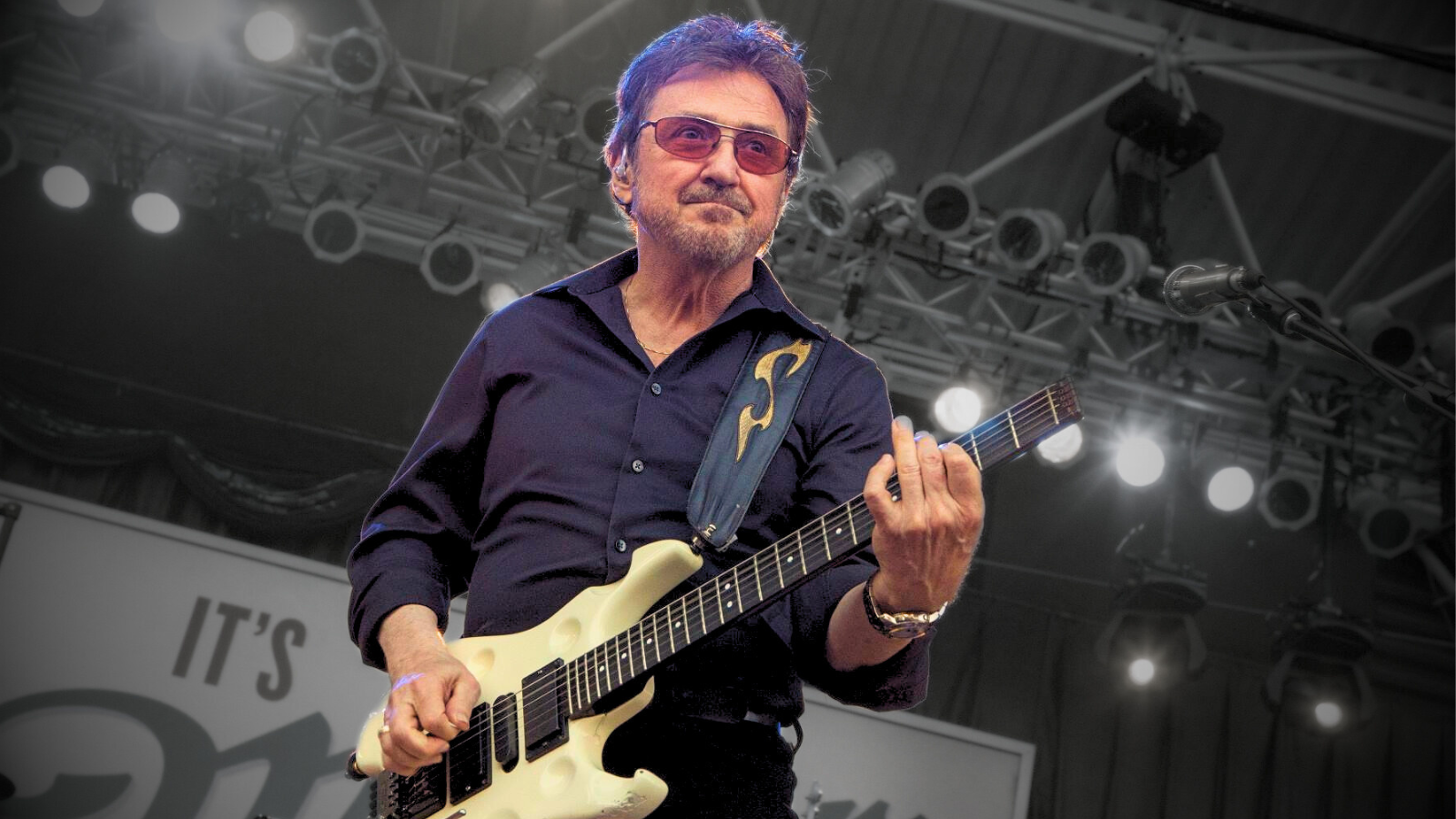
One of the most visual markers of Buck Dharma’s career was his adoption of the Steinberger "headless" guitar in the 1980s. Specifically, his custom-made "Cheese" guitar (shaped like a block of Swiss cheese) became an icon of the era. Technically, the Steinberger allowed for precise tuning stability and a balanced tonal response, which suited Roeser’s intricate soloing style.
Current Gear (2026 Status)
In recent years and continuing into 2026, Roeser has often returned to more traditional shapes, frequently utilizing custom-built models that provide the ergonomics he requires for long touring schedules. His rig typically involves a mix of high-end modeling processors and classic tube amplification, allowing him to recreate the diverse tones of the BOC discography—from the psychedelic wash of the 60s to the high-gain crunch of the 80s.
The 2020s Renaissance: The Symbol Remains and Ghost Stories
A common mistake in music history is assuming a "constant member" is merely a legacy act. Buck Dharma refuted this with the 2020 release of The Symbol Remains. The album was the band's first studio effort in nearly two decades and was met with critical acclaim. Roeser’s contributions, such as "Box in My Head" and "The Night," showed that his melodic sensibilities and guitar dexterity had not diminished with age.
Following this, the 2024 release of Ghost Stories—a collection of finished archival recordings from the late 70s and early 80s—further solidified his legacy. These tracks allowed fans to hear "new" vintage performances, reminding the public of why Roeser has been indispensable to the band's identity. As of 2026, these releases have bolstered the band’s touring setlists, allowing them to perform a mix of 50-year-old hits and contemporary material.
The Professionalism of Longevity
What makes Buck Dharma’s tenure remarkable is the lack of "rock star" drama. Throughout the band’s history, even during periods of commercial decline or internal friction, Roeser remained focused on the craft. This professionalism is a primary reason why Blue Öyster Cult exists today. Without a stabilizing force like Roeser, the band likely would have folded during the mid-1980s lineup shifts or the lean years of the 1990s.
His role extends beyond the stage. He has been a guardian of the band's "brand," ensuring that despite the campy "more cowbell" jokes (popularized by Saturday Night Live), the musical integrity of the group remains respected. For Roeser, the music was always serious business, even when the lyrics were about giant lizards or extraterrestrial visitations.
Common Questions Regarding Buck Dharma’s Tenure
Why is Donald Roeser called "Buck Dharma"?
The name was a creation of the band's original manager, Sandy Pearlman. In the late 60s, Pearlman wanted to give every member of the band an exotic stage name (e.g., Jesse Python). Donald Roeser was the only member who actually kept and adopted his assigned name, eventually becoming synonymous with it.
Is Buck Dharma the only original member left?
Technically, no. Eric Bloom has been with the band since 1969, appearing on every studio album starting with their 1972 debut. However, Roeser was part of the pre-BOC iterations (Soft White Underbelly) and is the only one who has been there since the very first notes were played in 1967.
Has Buck Dharma ever released solo material?
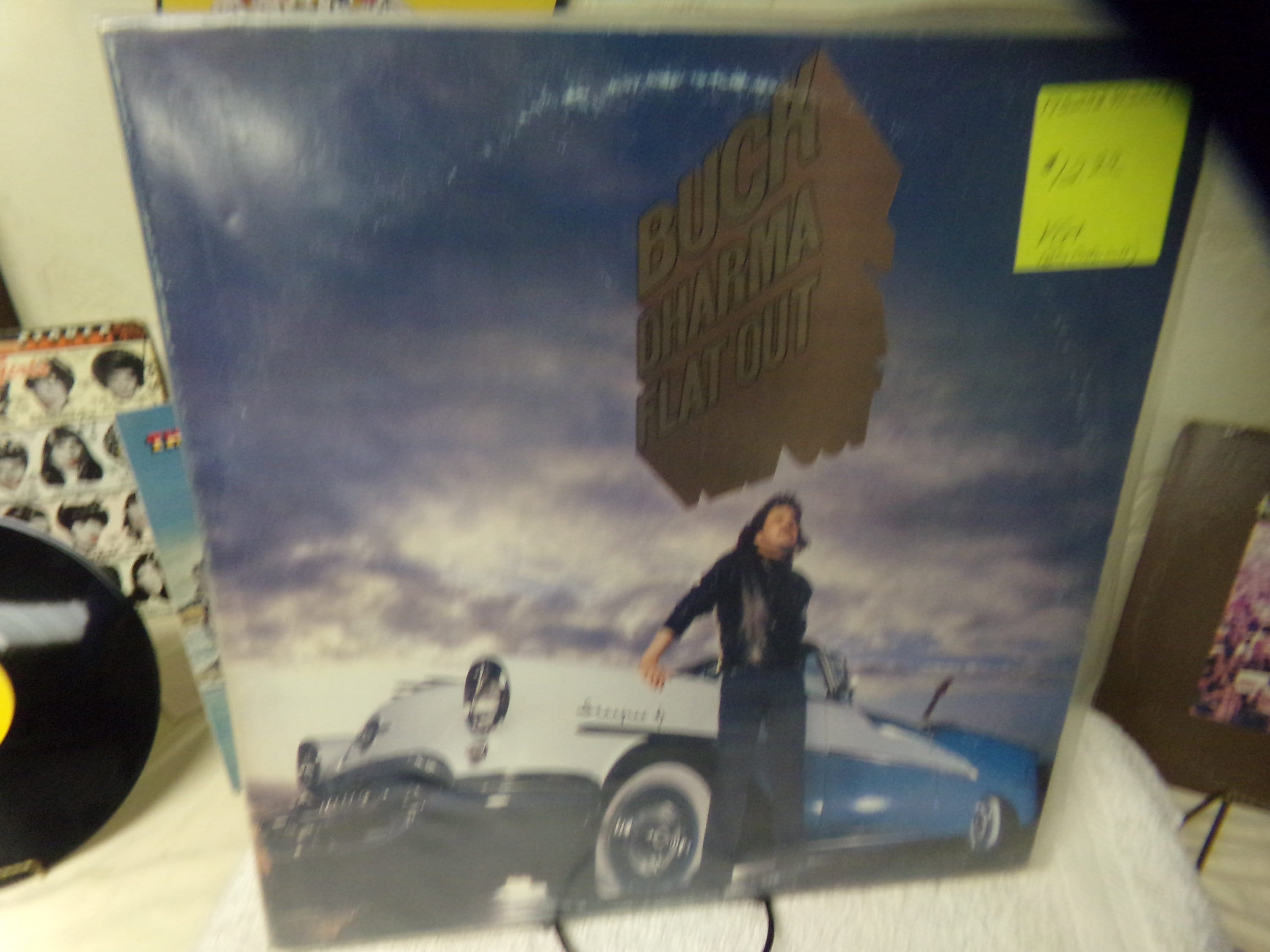
Yes. His solo debut, Flat Out, was released in 1982. It featured the song "Your Loving is Nice" and showcased a more pop-oriented, melodic side of his songwriting. While he has released occasional tracks and collaborations since, he has predominantly funneled his creative energy into Blue Öyster Cult.
What is Buck Dharma’s most famous guitar solo?
While "(Don't Fear) The Reaper" is his most famous work, many guitar aficionados point to his work on "Then Came the Last Days of May" (live versions) or "Veteran of the Psychic Wars" as examples of his highest technical and emotional achievement.
How has his playing changed in 2026?
At this stage in his career, Roeser emphasizes phrasing and melody over raw speed. His tone remains exceptionally clear, and he has adapted his live performances to ensure a high level of precision, often using modern technology to maintain the classic BOC sound without the physical strain of vintage heavy equipment.
Practical Recommendations for Fans and Historians
For those looking to understand the depth of Buck Dharma’s contribution as a constant member, a chronological listening approach is recommended.
- The Early Years (1972–1975): Start with Secret Treaties. Focus on "Dominance and Submission" to hear how his guitar interacts with the rhythm section.
- The Commercial Peak (1976–1981): Listen to Agents of Fortune and Fire of Unknown Origin. This is where his vocal contributions and hit-making ability are most evident.
- The Modern Era (2020–2026): Listen to The Symbol Remains. It serves as proof that his "constant" status isn't just about showing up; it's about continued creative vitality.
- Live Performance: If possible, see the band live in 2026. The interplay between Roeser and Richie Castellano is a masterclass in how a veteran guitarist passes the torch while remaining the master of the house.
Buck Dharma’s career is a testament to the power of persistence in an industry designed for obsolescence. By remaining a constant member, he has not only preserved the legacy of Blue Öyster Cult but has also defined what it means to be a lifelong practitioner of the rock guitar craft.
Image Gallery