How Long Does It Take to Receive a Life Insurance Policy Check
Receiving a life insurance policy check typically takes between 14 and 60 days following the submission of a complete and accurate death claim package. While the process often concludes within a month for straightforward cases, variabl...
Receiving a life insurance policy check typically takes between 14 and 60 days following the submission of a complete and accurate death claim package. While the process often concludes within a month for straightforward cases, variables such as the cause of death, the age of the policy, and the complexity of the beneficiary designation can extend this timeline significantly.
Contents
The Lifecycle of a Life Insurance Death Claim
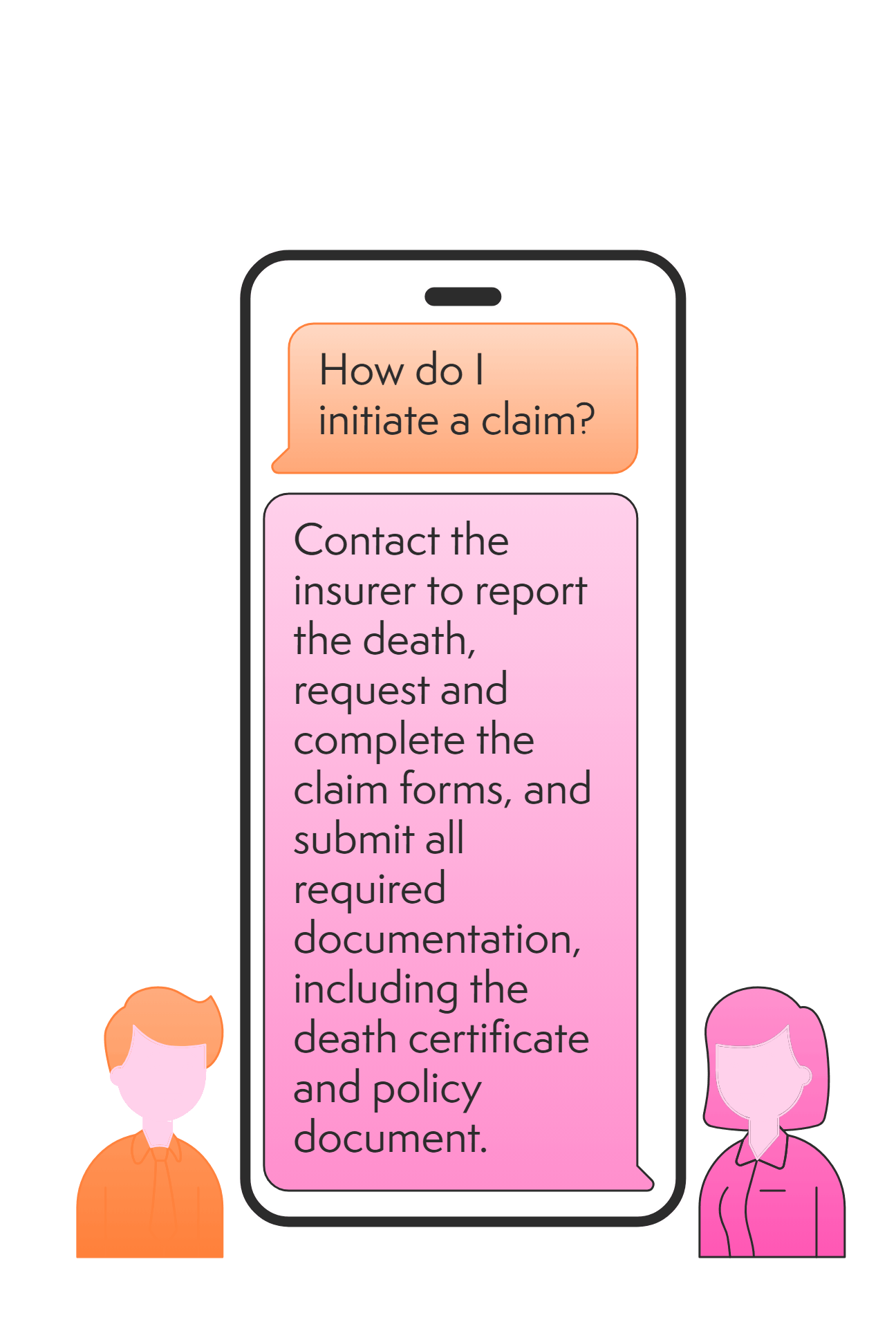
Understanding the timeline requires looking at the administrative steps insurance carriers must complete. Once a death is reported, the insurer acts as a fiduciary, ensuring that the funds are distributed correctly and legally. The clock does not start until the company has received a “clean claim,” which refers to a death certificate, the original policy (if available), and the completed claim forms.
1. Notification and Initial Intake
The process begins when the beneficiary or the estate executor notifies the insurance company of the policyholder's death. This notification is usually handled via an online portal or a dedicated claims phone line. During this stage, the insurer checks their internal databases to verify the policy status, confirm that premiums were paid up to date, and determine if the policy is currently in force.
2. Submission of Documentation
The most frequent cause of delays in receiving a check is incomplete paperwork. A standard claim package requires:
- Certified Death Certificate: A copy with a raised seal from the vital records office is required.
- Claimant’s Statement: A formal document identifying the beneficiary and their relationship to the insured.
- Proof of Identity: Depending on the state and the size of the claim, the insurer may require a notarized copy of the beneficiary's government-issued ID.
- Policy Document: If the physical policy cannot be found, the insurer will typically include an "Affidavit of Lost Policy" in the claim packet.
3. Claims Adjudication and Verification
Once the documentation arrives, a claims examiner reviews the file. This is the period where most internal checks occur. If the policy was purchased within the contestability period—usually two years from the effective date—the insurer may conduct a deeper investigation into the application to ensure that no material information was misrepresented (e.g., undisclosed pre-existing medical conditions).
Factors Influencing Speed of Payment
While many claims are paid within a few weeks, several factors can cause the timeline to stretch beyond the standard estimate.
- Contestability Periods: If the insured died shortly after the policy was issued, the insurer has the right to investigate. They may request medical records or hospital history, which can take weeks or months to obtain from healthcare providers.
- Beneficiary Discrepancies: If the primary beneficiary has predeceased the insured, if the beneficiary is a minor, or if there is a dispute over the validity of the beneficiary designation, the insurer may hold funds in a suspense account or initiate an interpleader action in court to let a judge decide the rightful recipient.
- Cause of Death: Deaths resulting from homicide or those currently under active police investigation often require a final coroner’s report before the insurance company can release funds.
- Policy Size and Complexity: High-value policies or policies involving trust arrangements often require more layers of administrative review, legal vetting, and compliance oversight compared to smaller, straightforward term life policies.
Comparison of Settlement Methods
Beneficiaries often have choices regarding how they receive the death benefit. These options can impact how quickly funds are accessible.
| Settlement Method | Description | Speed of Access |
|---|---|---|
| Lump Sum Check | The full benefit is paid via a single paper check sent by mail. | Moderate (Postal transit time) |
| Electronic Transfer | Funds are wired directly into the beneficiary’s bank account. | Fast (Immediate upon approval) |
| Retained Asset Account | Funds are held in an interest-bearing account managed by the insurer. | Immediate (Debit card access) |
| Installment Payments | Benefit is paid out over time, similar to an annuity. | Periodic |
Dealing with Delays and Disputes
If you have submitted a claim and have not heard back within 30 days, do not assume the claim is denied. Start by contacting the insurance company’s claims department to request a status update. Ask specifically if they are missing any documentation or if the claim is being held for an internal review.
If the insurance company is unresponsive or denies the claim, you have several avenues for recourse:
- Request a Written Explanation: Insurers are legally required to provide a specific reason for a denial or a delay.
- Appeal the Decision: Every policy provides an internal appeal process where you can submit additional evidence to support the claim.
- Contact Your State Insurance Commissioner: Every state has a Department of Insurance that regulates carriers. Filing a formal complaint with the state can often trigger an immediate response from the insurance company’s executive or compliance team.
Frequently Asked Questions
What happens if I cannot find the original life insurance policy? You do not need the physical policy to file a claim. If you know the name of the insurance company, call them and provide the Social Security number of the deceased. They can locate the policy electronically. If you do not know the company, you can search for lost policies using the National Association of Insurance Commissioners (NAIC) Life Insurance Policy Locator Service.
Is the death benefit taxable? Generally, life insurance death benefits paid to a beneficiary in a lump sum are not subject to federal income tax. However, if the proceeds are paid out in installments, the interest earned on those payments may be taxable. Consult with a tax professional regarding your specific financial situation.
Can an insurance company deny a claim based on the cause of death? Yes. Most policies have specific exclusions, such as suicide occurring within the first two years of the policy (the suicide clause) or death occurring while committing a felony. If the cause of death falls under a policy exclusion, the company may deny the claim or return the premiums paid instead of paying the full death benefit.
How does a minor child receive the life insurance money? If a minor is the named beneficiary, they cannot legally receive the funds directly. The money will typically be held in a trust or paid to a court-appointed legal guardian. This can significantly delay the payout process, as it requires legal intervention.
What is the "Free Look" period's effect on claims? The "free look" period refers to the time allowed after purchasing a policy for the owner to review it and cancel for a full refund. This is an administrative window for the policyholder and does not typically impact the death benefit claim process once the policy is active and the claim is filed.
Next Steps
If you are currently waiting on a life insurance check, prioritize gathering all requested documentation promptly. If you suspect an unreasonable delay, log your communications with the insurer, including the dates of your calls, the names of the representatives you spoke with, and any reference numbers provided. If 60 days have passed without payment or a clear explanation, reach out to your state’s insurance department to initiate a formal inquiry.
Image Gallery