Understanding Life Insurance Policy Death Benefits: How They Work and What Varies
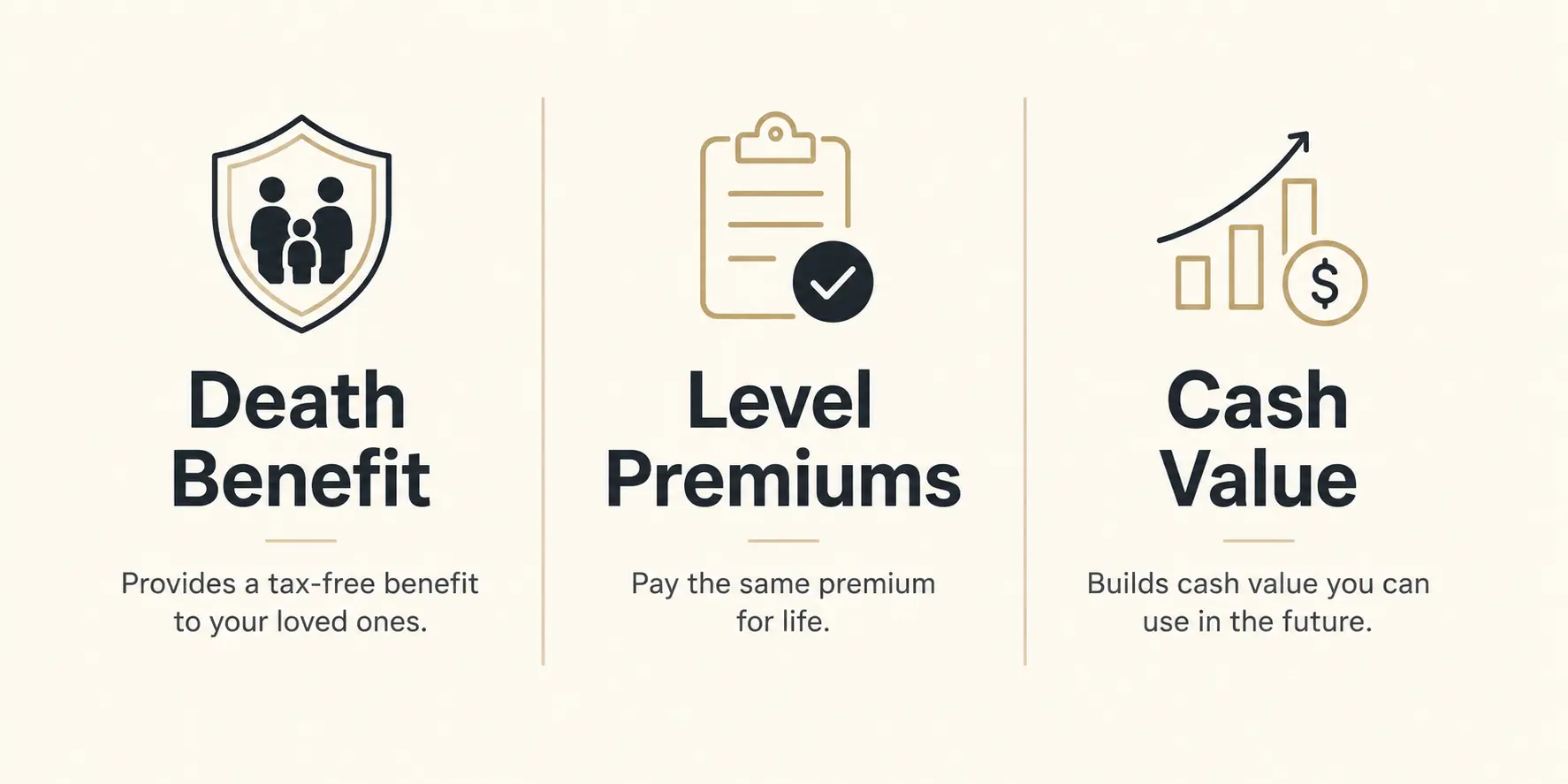
A life insurance death benefit is the guaranteed tax-free sum of money paid to your chosen beneficiaries upon your passing, provided the policy remains active. While the core concept is simple, the actual payout amount and the conditio...
A life insurance death benefit is the guaranteed tax-free sum of money paid to your chosen beneficiaries upon your passing, provided the policy remains active. While the core concept is simple, the actual payout amount and the conditions for payment can fluctuate significantly depending on the policy type, the presence of riders, and the status of premium payments or policy loans.
Contents
Defining the Death Benefit
At its most basic level, a life insurance death benefit serves as a financial safety net. When you purchase a policy, you enter into a contract with an insurance carrier. You agree to pay premiums—either periodically or as a lump sum—and in exchange, the insurer commits to paying a specific death benefit to your designated beneficiary when you die.
Under current tax regulations in the United States, the death benefit is generally received by the beneficiary income-tax-free. This liquidity provides survivors with funds to cover immediate funeral costs, ongoing living expenses, debt obligations, or estate taxes. However, the "guaranteed" nature of this benefit is strictly contingent upon the policy remaining in force at the time of the insured's death.
The Mechanics of Payouts
The process of initiating a death benefit payout begins when the beneficiary notifies the insurance company of the policyholder’s passing. The company will require a certified copy of the death certificate and a completed claim form. Once these documents are processed and the insurer verifies that all premiums were paid and no exclusions apply, the payout is issued.
The method of payout also varies. Beneficiaries typically have options beyond receiving a single lump-sum check:
- Lump-Sum Payment: The entire death benefit is paid at once. This is the most common and flexible option.
- Life Income Option: The benefit is paid out in periodic installments over the beneficiary’s lifetime, similar to an annuity.
- Interest-Only Option: The insurer retains the benefit in an account and pays out only the interest earned, leaving the principal to be distributed later.
- Fixed-Period Installments: The benefit is distributed over a specific, predetermined number of years.
Factors That Cause the Death Benefit to Vary
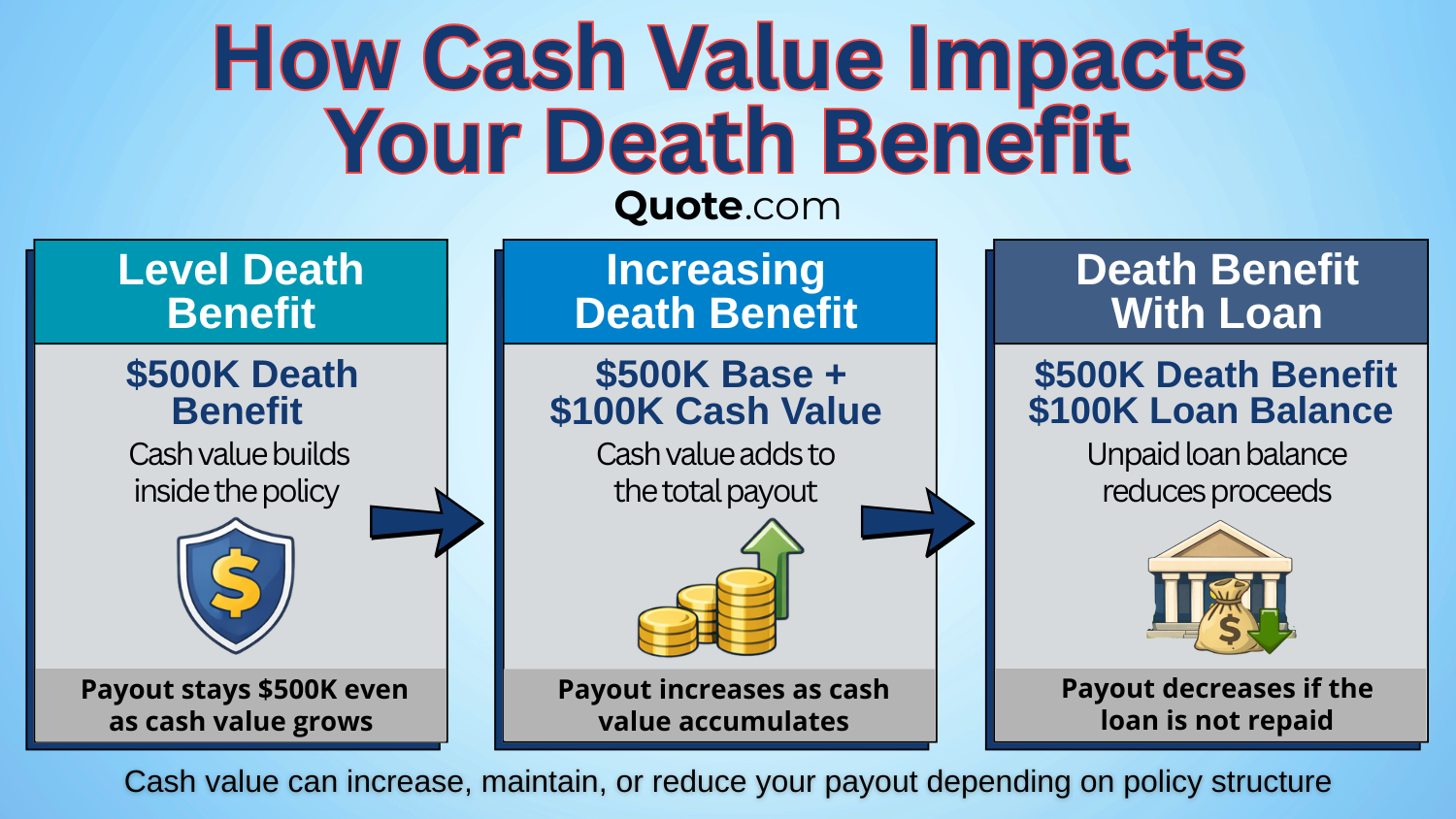
While a policy may have a "face amount" (the base coverage level), the actual check sent to your beneficiaries is rarely that exact number. Several internal and external factors influence the final amount distributed.
1. Outstanding Loans and Interest
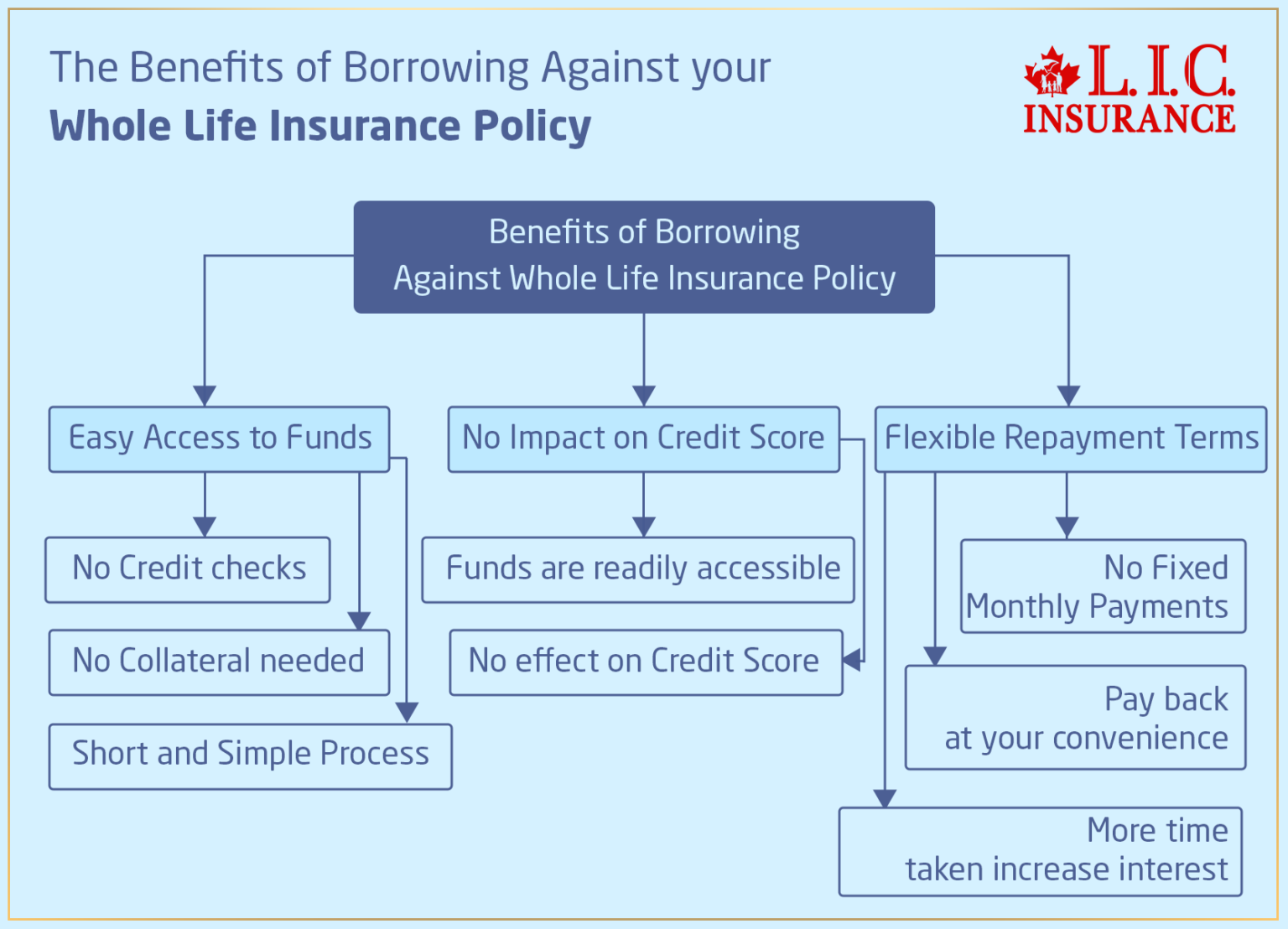
In permanent life insurance policies—such as Whole Life or Universal Life—policyholders often have the ability to borrow against the cash value of the policy. If you take a loan and fail to repay it in full before your death, the insurance company will subtract the remaining balance, plus any accrued interest, from the death benefit payout.
2. Accelerated Death Benefit Riders
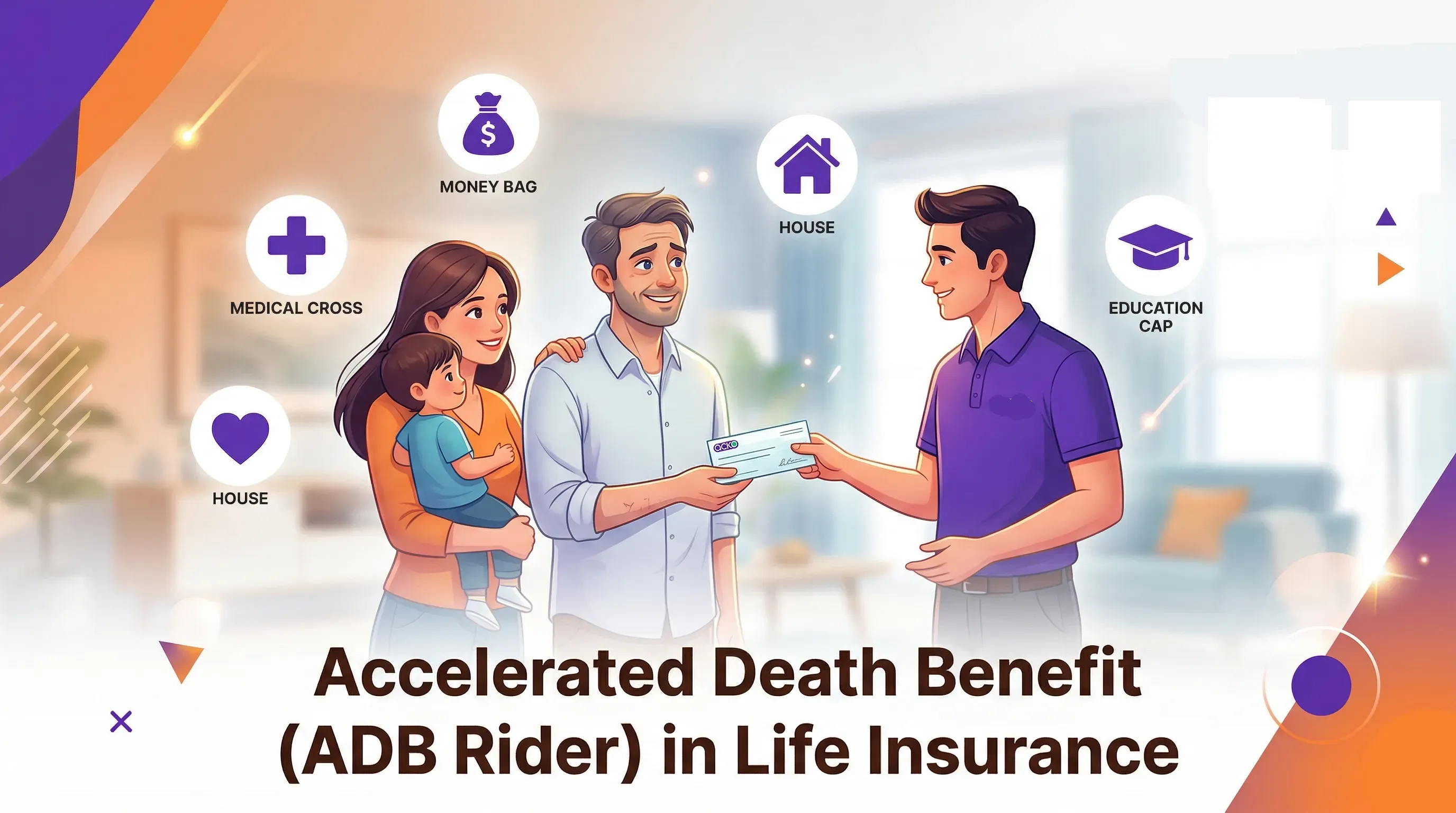
Many modern policies include an "Accelerated Death Benefit" or "Living Benefits" rider. This feature allows the insured to access a portion of the death benefit early if they are diagnosed with a terminal illness or require long-term care. If you utilize this feature while alive, that amount is deducted from the total death benefit, leaving a smaller remainder for your heirs.
3. Accidental Death and Dismemberment (AD&D) Riders
Conversely, some policies include riders that increase the death benefit if the cause of death is accidental. If your policy has a double indemnity clause, for instance, the beneficiary may receive twice the base face amount in the event of an accidental death.
4. Premium Payment Status
For term life insurance, the policy must be active. If you miss a premium payment, there is typically a grace period (often 30 or 31 days). If you fail to pay during this window, the policy may lapse, and the death benefit effectively disappears. For universal life policies, the death benefit can also be reduced if the cash value inside the policy becomes insufficient to cover the escalating cost of insurance.
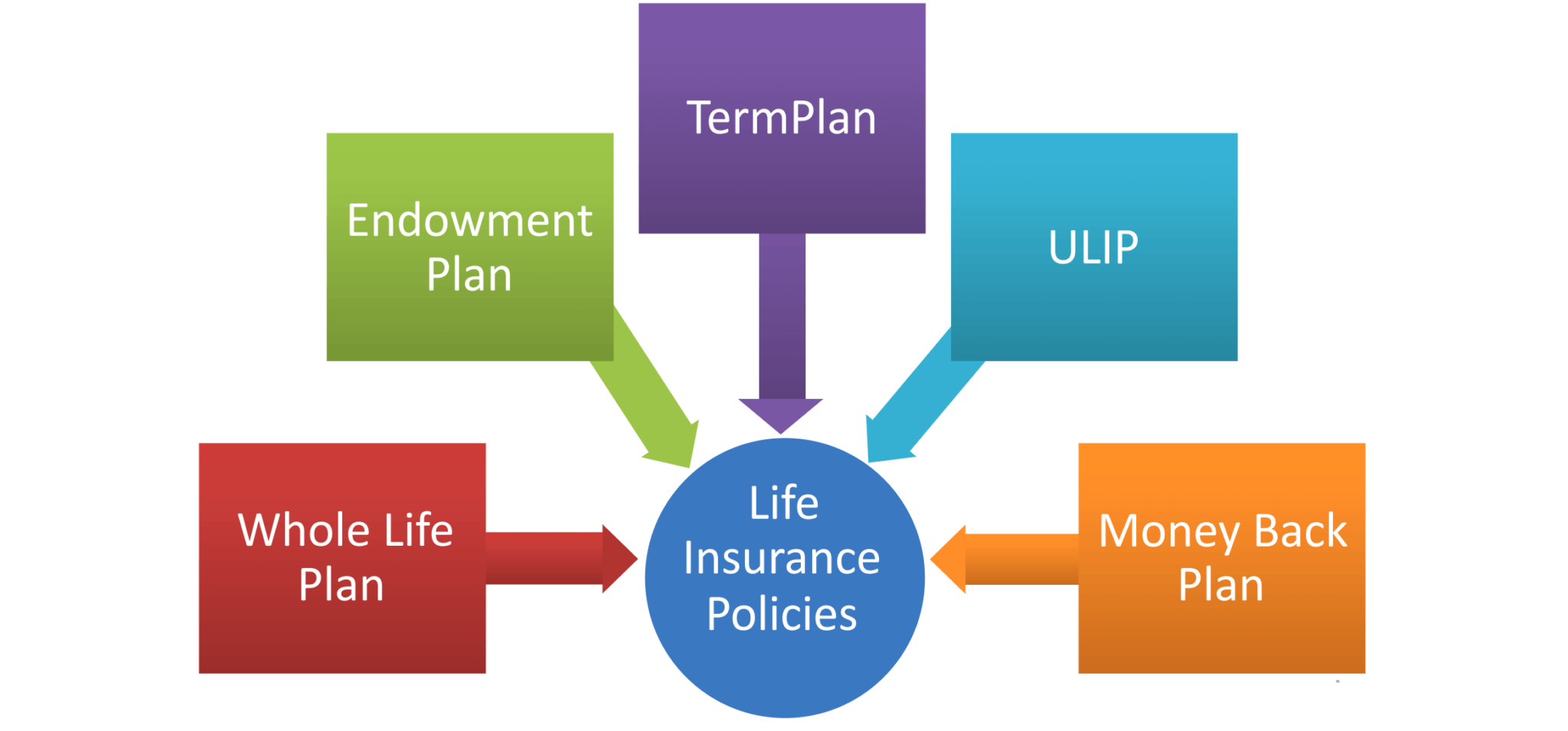
Comparing Policy Types and Benefit Structures
| Policy Type | Benefit Certainty | Variability Factors |
|---|---|---|
| Level Term | High (if premiums paid) | Usually fixed unless riders decrease it. |
| Annual Renewable Term | Moderate | Premiums increase; death benefit stays the same. |
| Whole Life | Very High | Loans/dividends impact final payout. |
| Universal Life | Variable | Cash value fluctuations may affect coverage. |
| Variable Universal Life | Low | Market performance can impact cash value and coverage. |
Common Reasons for Denied or Delayed Payouts
While the death benefit is a contractual guarantee, it is not an automatic payment. Insurers conduct a "claims investigation" to ensure the validity of the request. Common pitfalls that can delay or invalidate a claim include:
- Material Misrepresentation: If the insurer discovers that the policyholder lied on their initial health application, they may contest the claim, especially if the death occurs within the policy's "contestability period" (typically the first two years).
- Suicide Clauses: Most policies contain a provision stating that if the insured dies by suicide within the first two years of the policy, the company will only refund the premiums paid rather than paying the full death benefit.
- Incorrect Beneficiary Designation: If the beneficiary has passed away and no contingent beneficiary was named, the death benefit may become part of the insured's estate, potentially subject to probate and creditor claims.
Troubleshooting and Verification
If you are a policyholder, you should periodically verify your policy status. Log into your insurer’s online portal or request an "in-force illustration." This document provides a detailed breakdown of your current death benefit, the impact of any outstanding loans, and projections for how the benefit may change based on your chosen premium structure.
If you are a beneficiary and feel a claim has been wrongfully denied, you have legal recourse. You may contact your state’s Department of Insurance to file a complaint or consult with a legal professional specializing in insurance law. Keep in mind that documentation is vital; maintain organized records of policy statements, premium receipts, and communication with the insurance agent.
Frequently Asked Questions
Can the insurance company reduce my death benefit after I purchase the policy? Generally, no, provided you keep your premiums paid. In some types of Universal Life policies, however, you may have the option to decrease your coverage amount to lower your premiums. Additionally, if you have taken loans against the policy, the net benefit is reduced until those loans are repaid.
What happens to the death benefit if my beneficiary dies before I do? If you have not named a contingent (secondary) beneficiary, the death benefit usually defaults to your estate. This is often an undesirable outcome as it makes the funds subject to probate and potentially taxes. It is standard practice to review and update beneficiary designations every few years or after major life events.
Does the death benefit include interest earned while the money is held by the insurer? When a claim is filed, the insurer may hold the funds in a "retained asset account" while the beneficiary decides how to receive the payout. In these instances, the insurer often pays interest on the balance, which may be taxable to the beneficiary, even though the core death benefit itself remains tax-free.
Can I increase my death benefit later? For term policies, you typically cannot increase the death benefit without applying for a new policy or exercising a conversion option to a permanent policy. For permanent policies, you may be able to increase coverage, but this usually requires going through medical underwriting again to prove insurability.
Next Steps for Policyholders
To ensure your death benefit serves its intended purpose, review your policy annually. Confirm that your beneficiary designations are current and that your premium payment method is secure to avoid accidental lapses. If you have significant policy loans, develop a repayment strategy to ensure your heirs receive the full intended face value of the contract.
Image Gallery