Navigating Auto Factory Insurance for Manufacturers: A Comprehensive Guide
Auto factory insurance for manufacturers is a specialized commercial insurance framework designed to protect automotive production facilities against unique operational risks, including industrial machinery breakdown, massive supply ch...
Auto factory insurance for manufacturers is a specialized commercial insurance framework designed to protect automotive production facilities against unique operational risks, including industrial machinery breakdown, massive supply chain interruptions, product liability, and high-value environmental or fire hazards. It integrates property, liability, and specialized business interruption coverage tailored to the complex logistical and mechanical demands of vehicle production.
Contents
Understanding the Industrial Risk Profile
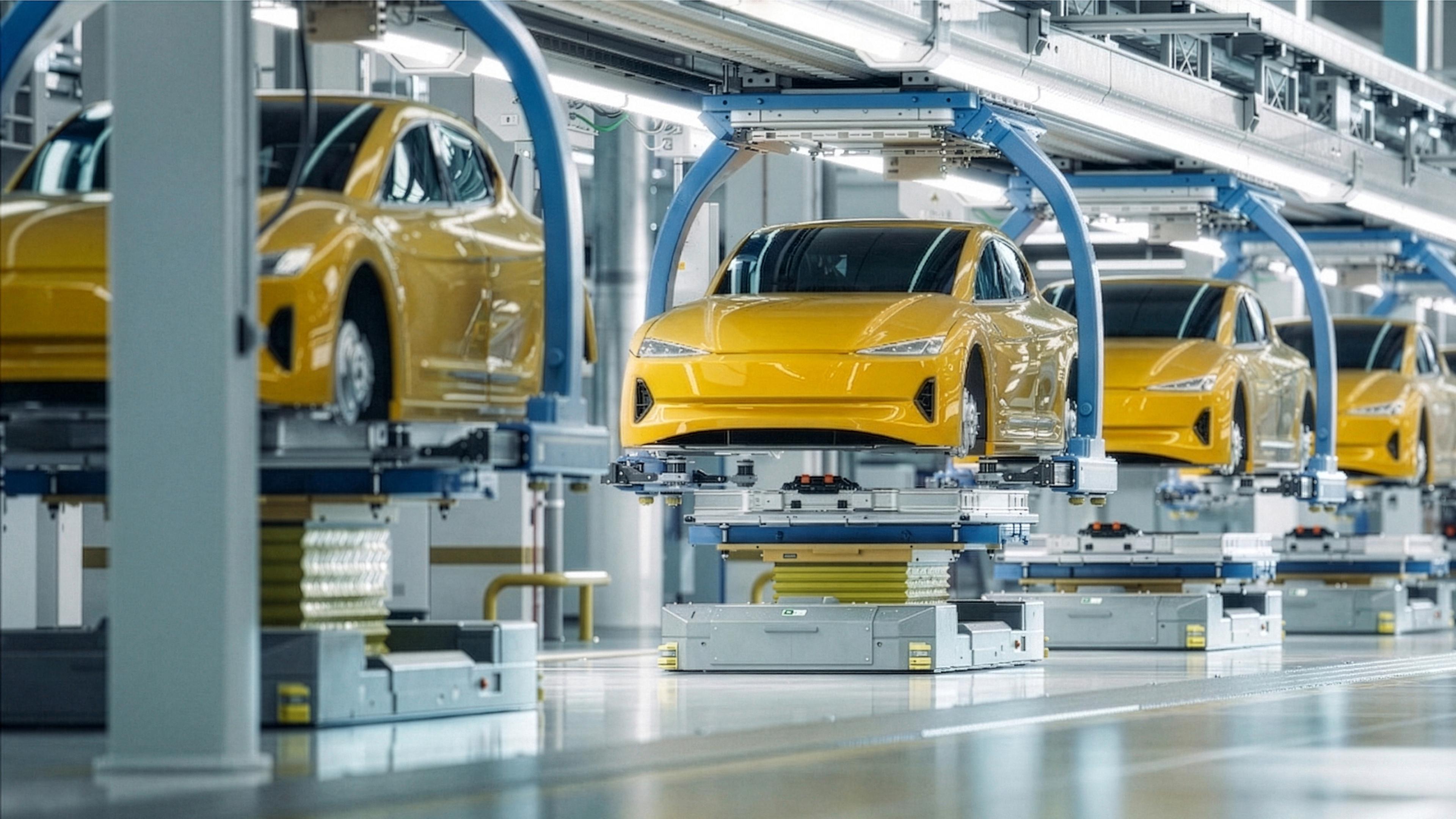
Manufacturing automobiles involves a convergence of extreme risks that standard commercial policies rarely address in isolation. Unlike general warehouse operations, an auto factory contains heavy robotics, high-voltage assembly lines, chemical handling for painting and finishing, and immense concentrations of combustible raw materials.
For 2026, the landscape of risk for manufacturers has shifted toward higher technological dependency. Modern "smart factories" rely on integrated software systems and cloud-connected equipment. Consequently, current insurance strategies must now bridge the gap between physical machinery breakdown and cyber-risk, as a single software malfunction can halt an entire global production chain.
Core Components of Comprehensive Coverage
A robust insurance portfolio for an auto manufacturer is typically structured as a "Package Policy" or a series of "Monoline Policies" layered to ensure no gaps exist between the physical plant and the final product rollout.
1. Property and Equipment Breakdown
Standard property insurance covers the building and inventory. However, auto manufacturers require Equipment Breakdown Insurance (often called Boiler and Machinery insurance). This covers the cost of repairing or replacing specialized machinery—such as industrial stamping presses, automated welding arms, or CNC routers—that fails due to mechanical or electrical breakdown. Since these machines often have long lead times for replacement parts, this coverage is critical for minimizing downtime.
2. Commercial General Liability (CGL) and Product Liability
CGL provides a baseline for bodily injury or property damage to third parties on the premises. For manufacturers, Products-Completed Operations Liability is the more significant concern. If a vehicle leaves the factory and suffers a systemic failure leading to an accident, the manufacturer remains legally exposed for years. Policies must be written to cover these "long-tail" risks, often including recall coverage to mitigate the massive costs associated with defective parts or design flaws.
3. Business Interruption and Supply Chain Contingencies
Auto manufacturing is notoriously susceptible to the "just-in-time" inventory model. If a primary supplier’s facility burns down, or if a critical piece of equipment within the factory fails, production stops, but overhead expenses continue. Contingent Business Interruption (CBI) insurance is vital here; it covers lost profits and fixed costs when the disruption occurs at a supplier's site, not just at the manufacturer's own plant.
Essential Insurance Coverage Comparison Table
| Coverage Type | Protection Focus | Why Manufacturers Need It |
|---|---|---|
| Equipment Breakdown | Internal machinery failure | Covers complex, expensive, and bespoke tools. |
| Product Liability | Post-production defects | Protects against systemic vehicle failure claims. |
| CBI Insurance | Supplier site disruptions | Essential for maintaining just-in-time supply chains. |
| Cyber Liability | Operational software/data | Prevents losses from ransomware or IoT factory hacking. |
| Environmental Impairment | Hazardous materials leakage | Covers EPA-mandated cleanups for paints/oils. |
Assessing Prerequisites and Compliance
Before engaging with underwriters, manufacturers must conduct a rigorous internal audit. In 2026, insurers are increasingly prioritizing "Risk Engineering." They do not just price premiums; they evaluate how well your facility mitigates danger.
- Loss Control Audits: Insurers will require documentation of your facility's fire suppression systems (e.g., NFPA-standard sprinkler coverage), electrical inspections, and preventative maintenance schedules for robotics.
- Safety Records: Historical OSHA (Occupational Safety and Health Administration) data is a primary metric. A history of high injury rates will significantly increase premium costs or lead to policy denial.
- Supply Chain Transparency: You must be able to demonstrate to your insurer that you have analyzed your supply chain dependencies. Documenting your contingency plans for secondary suppliers is often a prerequisite for securing favorable rates.
Operational Challenges and Mitigating Costs
The cost of insurance for auto manufacturing is rarely static. It is calculated based on the total insurable value (TIV) of the facility, the nature of the vehicles produced, and your historical claims data.
To control costs, many manufacturers adopt Captive Insurance models. A captive is essentially an insurance company created and wholly owned by one or more non-insurance companies to insure the risks of its owners. For large-scale manufacturers, this allows the company to retain some of the risk, avoid the overhead of traditional insurance premiums, and gain better control over the claims process.
For mid-sized manufacturers, the focus should remain on Deductible Management. Taking a higher deductible can drastically lower annual premiums. However, this strategy requires a strong cash reserve to ensure that a major equipment breakdown does not compromise the company’s liquidity.
Frequently Asked Questions
1. Does auto factory insurance cover self-driving vehicle software flaws? Standard commercial insurance generally excludes pure software design flaws under product liability. You will likely need a specialized technology errors and omissions (Tech E&O) policy tailored for automotive software to cover potential litigation stemming from autonomous driving system failures.
2. Is environmental liability mandatory for an auto factory? While not always "mandatory" in the sense of a business license, environmental coverage is effectively required to pass bank or investor due diligence. Clean-up costs for chemicals like hydraulic fluids or industrial paints are astronomical, and standard CGL policies usually contain "absolute pollution exclusions" that leave you unprotected without a dedicated environmental policy.
3. How does my "Just-in-Time" model affect my insurance rates? It increases your risk profile. Insurers view "Just-in-Time" as a vulnerability because you have no buffer for delays. You should explicitly discuss your supplier diversification strategy with your broker to show the insurer that you are managing this exposure.
4. What is a "Recall" endorsement? This is a specific rider that covers the costs associated with withdrawing a product from the market. This includes the administrative cost of notifying customers, the physical cost of shipping, and the cost of replacing or repairing the defective units. It is essential for auto manufacturers.
5. Can I use the same insurer for my building and my liability? Most large commercial carriers offer comprehensive programs that bundle these. However, given the specialized nature of auto manufacturing, it is common to use a lead insurer for property and liability while seeking specialty markets for cyber, environmental, or recall coverage.
Next Steps for Your Facility
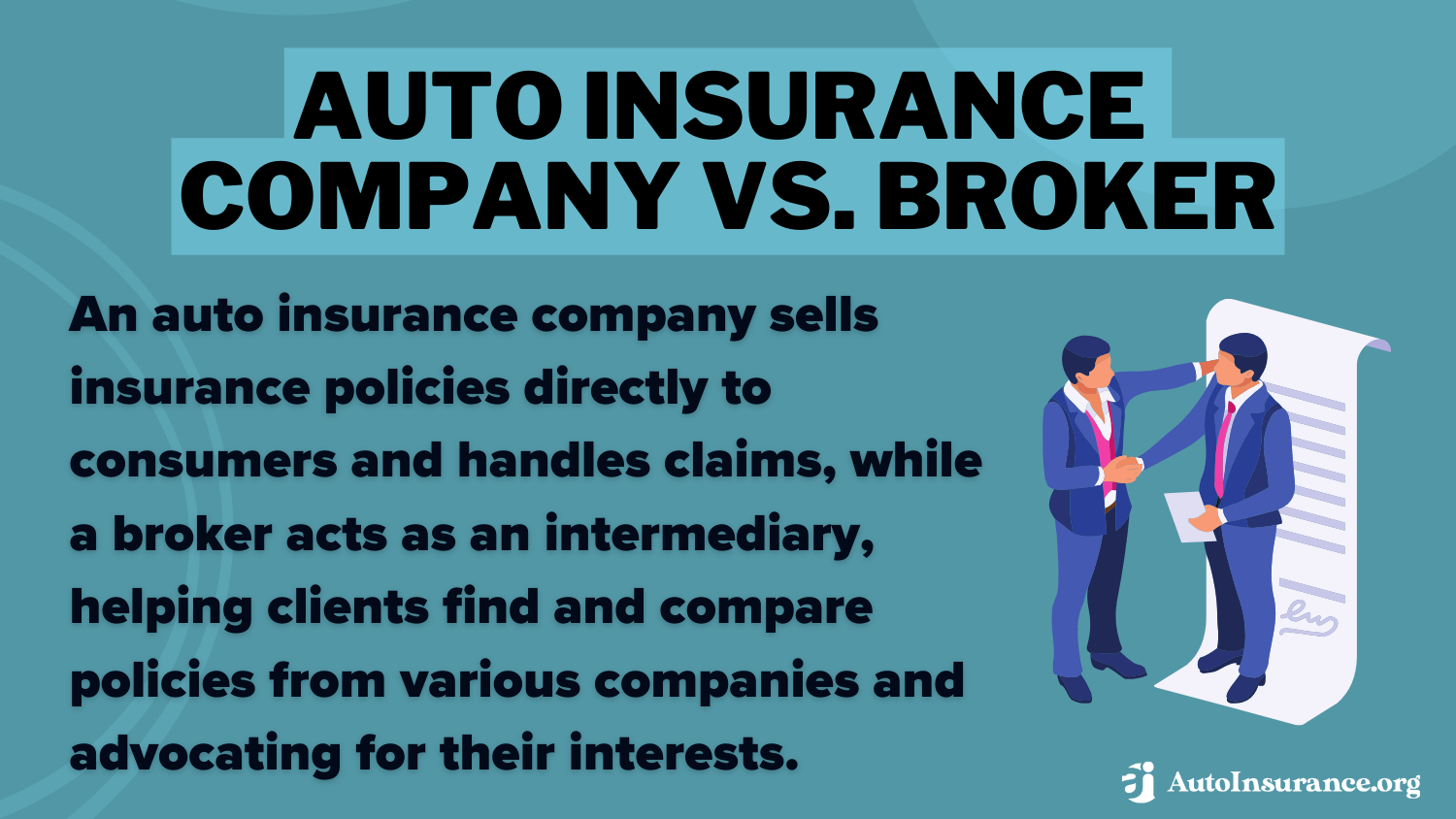
The first step in securing or upgrading your auto factory insurance for 2026 is to appoint a risk management broker who specializes specifically in the manufacturing sector. Avoid generalist agents. Provide your broker with an updated Statement of Values (SOV) and a comprehensive business continuity plan.
Review your current policy specifically for "Exclusion Clauses." Many manufacturers find that they are over-insured for standard risks (like slip-and-falls) but dangerously under-insured for catastrophic supply chain interruptions. Request an updated "Risk Engineering Report" from your current provider; if they refuse to conduct one, take it as an indicator that you need to shop your coverage to a carrier that prioritizes the long-term safety and stability of your production plant.
Image Gallery