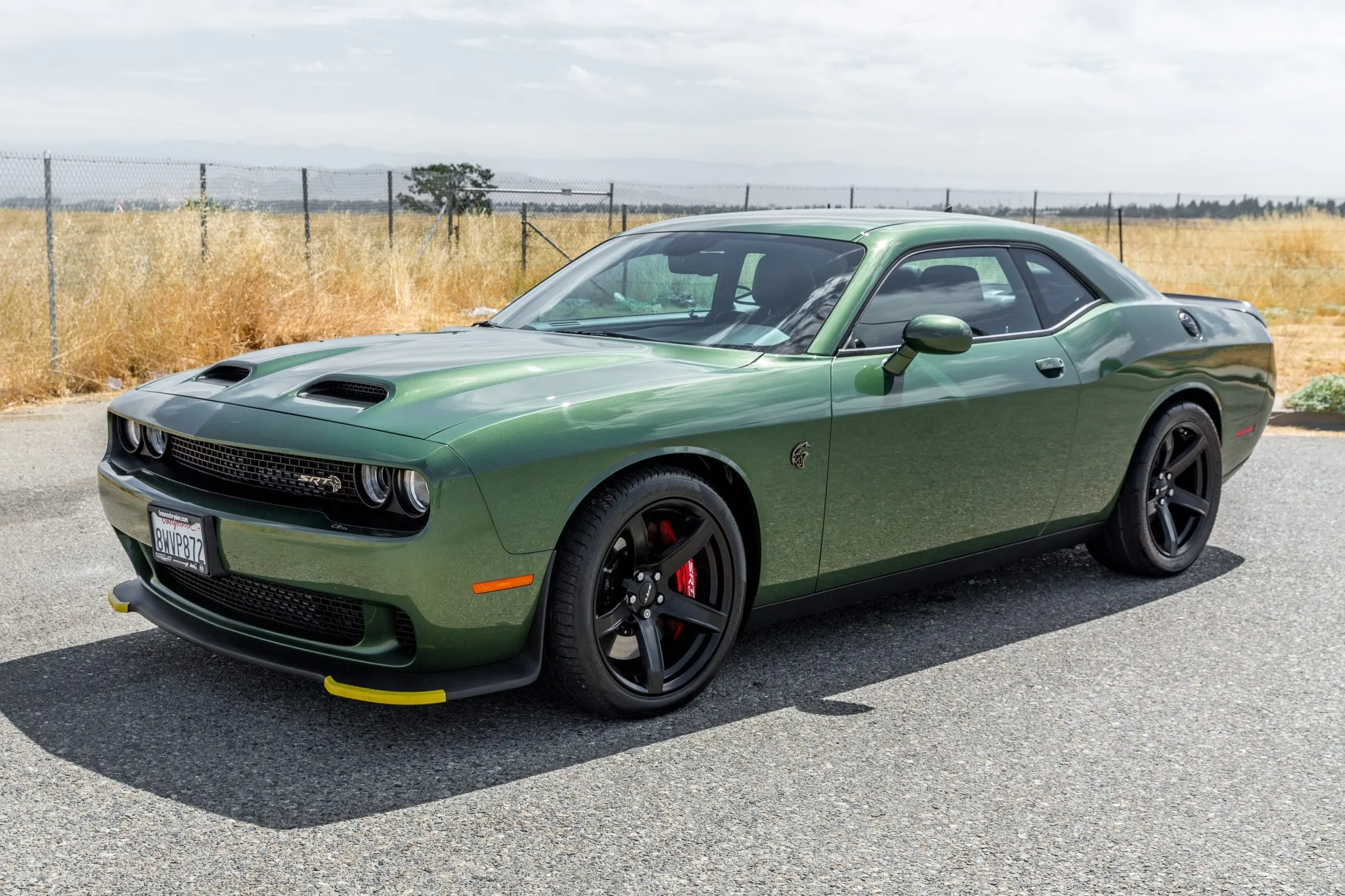
4 Year Verdict: Which Dodge Challenger Wins the Long-Term Ownership Test?
Choosing the best iteration of the Dodge Challenger after four years of ownership requires balancing raw performance, trim-specific reliability, and the inevitable depreciation curves associated with a platform that spanned over a deca...
Choosing the best iteration of the Dodge Challenger after four years of ownership requires balancing raw performance, trim-specific reliability, and the inevitable depreciation curves associated with a platform that spanned over a decade. By 2026, long-term data confirms that the Scat Pack trim remains the definitive winner for most buyers, offering the optimal intersection of high-output V8 performance, manageable maintenance costs, and sustained resale value compared to the entry-level V6 or the high-maintenance Hellcat models.
Contents
Evaluating the Challenger Legacy
The Dodge Challenger’s final years of production established a clear hierarchy of performance and reliability. Evaluating these vehicles after a four-year ownership cycle—a common window for lease returns and the end of extended factory warranties—reveals that the "win" depends entirely on your priority: daily usability versus track-focused power.
The Challenger is unique in the modern automotive landscape. While competitors like the Ford Mustang and Chevrolet Camaro prioritized chassis lightness and track handling, the Challenger committed to the "Grand Tourer" philosophy. Over a four-year period, this design choice has proven advantageous for structural longevity, as the platform is famously over-engineered to handle the massive torque of the Hemi engines.
The Case for the Scat Pack: The Sweet Spot
The 6.4L naturally aspirated Hemi V8 found in the Scat Pack is widely considered the "Goldilocks" engine of the Challenger lineup. After four years, owners report fewer complex technical failures compared to the supercharged variants, yet it provides a visceral driving experience that the 3.6L Pentastar V6 simply cannot match.
Reliability Factors
- Engine Complexity: The 6.4L V8 is a robust, naturally aspirated block. Unlike the Hellcat’s supercharger, which adds significant heat and pressure to the intake system, the Scat Pack relies on mechanical simplicity. Over four years, this typically results in fewer coolant leaks and sensor failures related to forced induction.
- Transmission Durability: The TorqueFlite 8-speed automatic transmission paired with the 6.4L is one of the most reliable gearboxes in the performance segment. With routine fluid changes, these units consistently surpass the 60,000-mile mark without catastrophic failure.
- Suspension Wear: The Scat Pack includes the Performance Handling Group or adaptive damping systems. By year four, owners should anticipate replacing bushings and potentially shocks if the vehicle has been driven aggressively, but these are standard wear-and-tear items rather than systemic design flaws.
Performance vs. Practicality: A Trim Comparison
To determine which Challenger "wins," we must compare the three tiers of ownership experiences based on real-world data collected over the final years of the platform's lifecycle.
| Trim Level | Engine | 4-Year Maintenance Outlook | Depreciation Profile | Best For |
|---|---|---|---|---|
| SXT/GT | 3.6L V6 | Low: Minimal strain | Moderate | Daily commuting |
| Scat Pack | 6.4L V8 | Moderate: Standard wear | Excellent | Enthusiast value |
| Hellcat | 6.2L Supercharged | High: Specialized parts | Variable | Collector performance |
The Reality of Hellcat Ownership
The Hellcat is often the "dream" choice, but from a four-year verdict perspective, it represents a specialized investment. The supercharged 6.2L V8 demands a higher level of vigilance. Over four years, owners often face increased costs associated with heavy tire consumption, brake rotor replacement, and the specific cooling requirements of the supercharger assembly.
If you are looking for a vehicle to serve as a long-term daily driver, the Hellcat’s complexity can become a liability. However, if the "win" is defined by holding value and prestige, the low-production widebody Hellcats have shown the most resilience in the secondary market as of 2026.
Common Long-Term Issues and Maintenance
Regardless of the trim, every Challenger buyer must be aware of the "four-year itch." By this stage, several components may require preventative maintenance to keep the car running like new.
Electrical and Infotainment
The Uconnect system, while highly functional, can experience glitching or screen delamination in older units. Check the infotainment head unit for responsiveness. Additionally, verify that all factory recalls—particularly those involving the fuel pump or electronic throttle control—have been completed. In 2026, you can verify any vehicle’s recall status by inputting the VIN into the official National Highway Traffic Safety Administration (NHTSA) database.
Chassis and Brakes
The Challenger is a heavy vehicle. After four years, even a well-maintained example will likely show significant wear on the stock brake pads and rotors. Owners often opt for aftermarket ceramic pads to reduce dust and improve longevity, which is a recommended upgrade for any long-term owner.
Why the Scat Pack Wins
The Scat Pack wins because it avoids the "supercharger tax" while delivering 485 horsepower. It strikes a balance that prevents the owner from needing to visit specialty tuners as frequently as Hellcat owners, yet it retains the classic American muscle car aesthetic and sound. It is the most "approachable" high-performance vehicle, with parts availability remaining high due to the shared platform components across the Chrysler/Dodge ecosystem.
Frequently Asked Questions
Which Challenger has the fewest long-term repairs?
The SXT (V6) model statistically requires the fewest repairs due to its lower-output engine and lack of high-performance stress on the transmission and differential. However, it lacks the iconic performance character most buyers seek.
Is the Scat Pack reliable as a daily driver?
Yes, provided you stay on top of the maintenance schedule. The 6.4L Hemi is a proven engine platform, though fuel consumption will be significantly higher than the V6.
What should I check before buying a 4-year-old Challenger?
Always check the brake pads, tire tread depth, and the history of fluid changes. Request a pre-purchase inspection that includes a scan for hidden powertrain codes, as some performance owners may have cleared codes before selling.
Does the manual transmission affect reliability?
The Tremec 6-speed manual transmission is robust, but its longevity is entirely dependent on the previous owner's clutch usage. If you are buying a manual, ensure there is no slippage or grinding during high-RPM gear changes.
Are there specific years to avoid?
While most years are mechanically similar, 2018–2020 models are often seen as the "sweet spot" for sorting out early-build electrical gremlins, making them very reliable choices in the current 2026 market.
Final Recommendation
If you are currently in the market for a pre-owned Dodge Challenger, the Scat Pack is your best path forward. Aim for a 2022–2023 model year to ensure you have the latest software updates and the most refined build quality before production concluded. Prioritize vehicles with documented service histories, as the 6.4L engine relies heavily on clean oil and proper cooling cycles. By selecting a Scat Pack, you secure the heart of the Challenger experience without the financial burden of extreme maintenance, ensuring your "verdict" remains positive well into the future.
Image Gallery