The Ugliest Cat Is a Subject of Debate: Aesthetic Subjectivity and Biological Reality
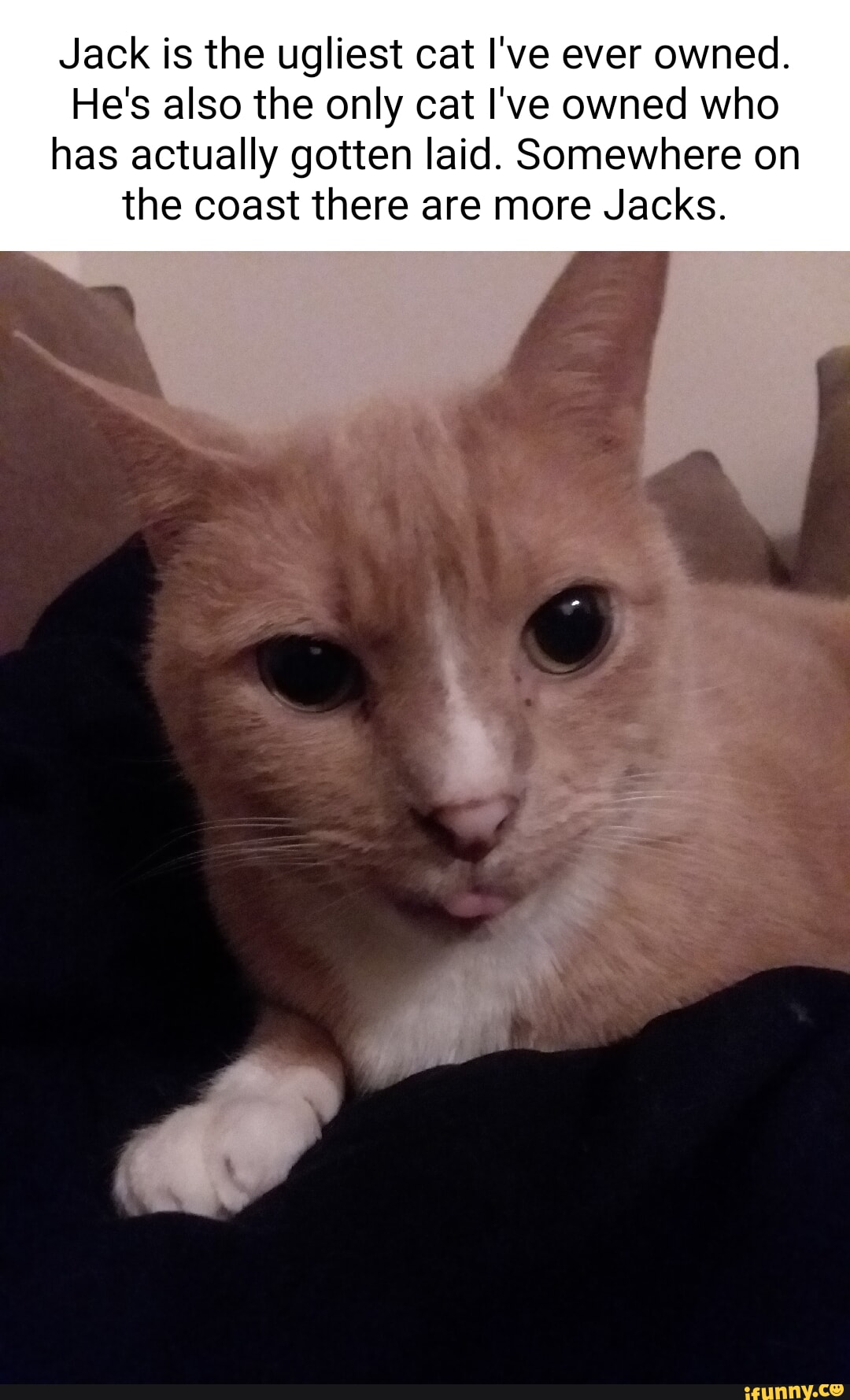
Whether a cat is considered "ugly" is a subject of debate because feline aesthetics are entirely subjective, influenced by personal preference, cultural perceptions, and the physiological traits humans historically interpret as "cute"...
Whether a cat is considered "ugly" is a subject of debate because feline aesthetics are entirely subjective, influenced by personal preference, cultural perceptions, and the physiological traits humans historically interpret as "cute" or "unconventional." While some individuals find hairless breeds or cats with pronounced features unattractive, others view these unique characteristics as markers of exotic beauty. Science suggests our perception of beauty in animals is rooted in the "baby schema" (Kindchenschema), a set of physical features that trigger a caretaking response in humans. When a cat deviates from these soft, rounded, or infantile traits, human bias often labels the animal as aesthetically unappealing, creating a persistent and polarizing cultural discussion.
Contents
The Science of Feline Aesthetics and Human Bias
The debate regarding the "ugliest" cat often stems from an evolutionary psychological bias. In 1943, ethologist Konrad Lorenz proposed the "baby schema" theory, which posits that humans are biologically hardwired to respond positively to features like large eyes, rounded bodies, and soft textures. These traits are typically associated with human infants and, by extension, conventional perceptions of "cuteness."
When we encounter cats that possess traits contrary to this schema—such as the exposed skin of a Sphynx, the squashed facial structure of a Persian, or the prominent, jagged features of older, rescue, or mixed-breed cats—the brain may experience a disconnect. This cognitive friction often results in the label "ugly." However, this is not an objective assessment of the animal; it is an assessment of how well the animal aligns with a specific, culturally reinforced blueprint of cuteness.
Breeds Frequently Targeted in Aesthetic Debates
Certain breeds find themselves at the center of this debate more often than others due to their radical divergence from the "standard" domestic cat morphology. Understanding these breeds requires looking beyond surface-level judgments and examining the functional adaptations that define them.
The Sphynx Cat
The Sphynx is perhaps the most frequent subject of this debate. Often described as "alien-like" or "hairless," these cats have actually evolved to have a fine coat of downy fuzz. The controversy surrounding their appearance usually hinges on the lack of traditional fur, which humans often associate with warmth and tactile comfort. For enthusiasts, the Sphynx is prized for its velvety skin and distinct personality, while critics may perceive the absence of fur as physically unappealing.
The Exotic Shorthair and Persian
These breeds possess a brachycephalic (short-headed) facial structure. While many find this "pushed-in" face adorable, others find it jarring or even distressing. The controversy here is deeper than simple aesthetics; it touches upon animal welfare. Because these features are the result of selective breeding, the debate often shifts from "is this cat ugly?" to "is this cat healthy?" The perception of ugliness in these breeds is frequently a psychological reaction to the visible impact of human-led selective breeding on a creature's biological health.
The Lykoi
Commonly known as the "wolf cat," the Lykoi is a relatively new breed characterized by a sparse, roan-patterned coat and a lean, predatory appearance. Their appearance often deviates sharply from the soft, cuddly domestic cat ideal, leading to polarizing opinions. Because their look is intentional and mimics the aesthetic of mythical creatures, they are often used as a litmus test for what society defines as "normal" or "attractive" in a pet.
Comparative Overview of Perceived Aesthetic Traits
The following table summarizes why certain feline phenotypes trigger "ugliness" debates compared to the "standard" domestic shorthair.
| Feature Type | High "Cuteness" Association | Potential "Ugly" Association | Biological Context |
|---|---|---|---|
| Coat | Thick, fluffy, soft | Sparse, bald, or oily | Thermoregulation adaptation |
| Face Shape | Round, large eyes | Flat (brachycephalic) or angular | Selective breeding/genetics |
| Skin | Hidden by fur | Exposed, visible skin folds | Breed-specific skin maintenance |
| Body Build | Rounded, plump | Extremely lean or muscular | Activity level/genetics |
The Role of Media and Internet Culture in 2026
In the current media landscape of 2026, the internet has paradoxically turned the "ugly cat" into a commercial and cultural asset. Platforms that prioritize high engagement often amplify images of cats with unusual, "homely," or uniquely bizarre features.
This trend has transformed the concept of "ugliness" from a negative attribute to a point of pride. Owners of cats with unconventional looks often cultivate online followings precisely because their pets defy the standard beauty ideal. In this context, being the "ugliest cat" is no longer a pejorative—it is a unique selling point. This cultural shift suggests that the debate is less about the animals themselves and more about the human desire to categorize and rank feline appearance for social validation.
Challenges of Judging Aesthetics
When individuals engage in debates about the "ugliest" cat, several common fallacies typically arise. Identifying these helps in understanding why a consensus can never be reached:
- Anthropomorphism: Assigning human standards of beauty to an animal that has no concept of vanity.
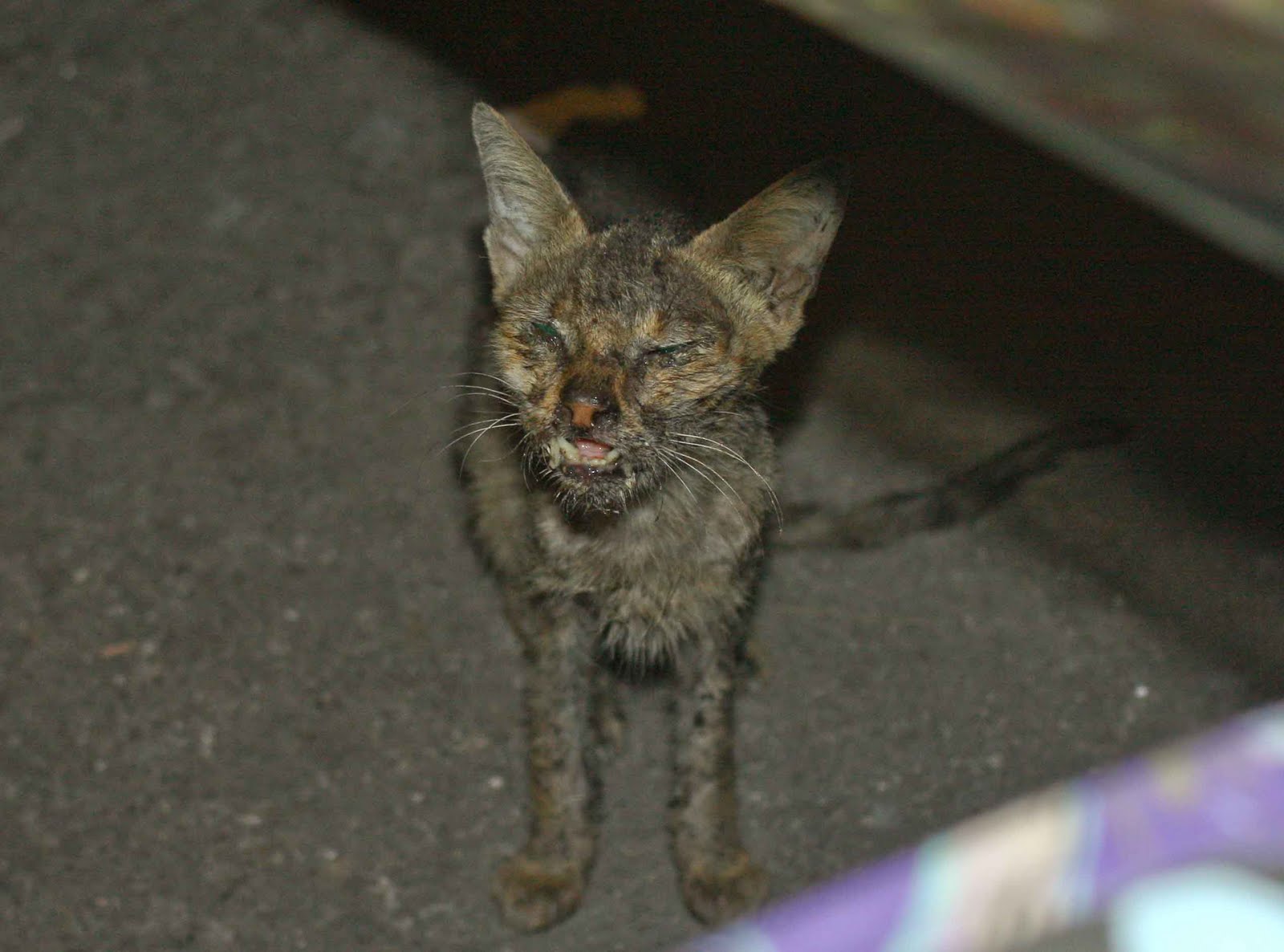
- Health Misconceptions: Confusing a medical condition—such as a cat recovering from an illness or injury—with a permanent physical trait, and labeling that state as "ugly."
- Cultural Relativism: Different cultures value different feline characteristics. In some regions, a cat's utility or calm demeanor is prioritized over its physical appearance, making the concept of an "ugly cat" irrelevant.
Addressing Animal Welfare vs. Appearance
A critical aspect of this debate that cannot be ignored is the distinction between a cat that is "ugly" by appearance and a cat that is suffering due to extreme breeding. A cat with a severely brachycephalic face may struggle with respiratory issues, while a hairless cat may require significant dermatological care.
When observing a cat that you feel is "ugly," consider whether your judgment is based on the cat's aesthetic features or a subconscious reaction to the animal's potential discomfort. Responsible pet ownership dictates that the health of the cat should always supersede its perceived aesthetic value. If a cat looks "unusual," it is often a sign of specific evolutionary pressures or human intervention, neither of which the cat is responsible for.
Frequently Asked Questions
Why do some people find hairless cats like the Sphynx unattractive?
The perception of the Sphynx as unattractive usually stems from the violation of the "soft and fuzzy" expectation humans have for mammals. Because humans rely on tactile comfort when interacting with pets, the absence of fur creates a sensory disconnect that some individuals misinterpret as ugliness.
Does the "ugliest cat" label impact animal shelters?
Yes, this phenomenon often leads to "Black Dog Syndrome" variants, where certain cats are overlooked in shelters due to perceived aesthetic shortcomings. Cats with permanent "scowls," unusual facial structures, or lack of grooming are often the last to be adopted, highlighting how superficial beauty biases directly affect animal welfare outcomes.
Is it cruel to breed cats for "extreme" looks?
Many veterinary associations warn that breeding for extreme physical traits—such as excessively flat faces or skin folds—can lead to chronic health issues. The "ugliness" perceived by the public in these cases is often a visible indicator of these underlying health challenges.
Can a cat’s personality change its perceived beauty?
Consistently, study results show that once a human forms a bond with an animal, their perception of that animal's beauty shifts. A cat once viewed as "ugly" is often perceived as "beautiful" by its owner after a period of companionship, proving that personal history and emotional investment are the primary drivers of aesthetic judgment.
Why is there such a obsession with ranking "ugly" pets?
This is largely a byproduct of digital culture, where extreme or "unconventional" aesthetics drive high volumes of social media engagement. Ranking systems (like lists of "ugliest animals") are designed to trigger reactions and shares rather than provide any objective, scientific assessment.
Practical Next Steps for Potential Owners
If you are considering adopting a cat that might be labeled as "unconventional" or "ugly," focus your decision-making on long-term compatibility rather than current social trends or momentary aesthetic reactions.
- Prioritize Health: Consult a veterinarian regarding the specific breed's needs. Ensure you are prepared for potential veterinary costs associated with extreme breeding, such as skin care for hairless cats or respiratory monitoring for brachycephalic breeds.
- Evaluate Your Environment: Consider if your living situation can accommodate the specific maintenance needs of a unique-looking cat, such as the frequent bathing required for some hairless breeds or the specialized eye care needed for certain flat-faced breeds.
- Focus on Temperament: Spend time with the cat. The initial "shock" of an unusual appearance almost always dissipates after minutes of positive interaction, while the cat's personality will remain the defining feature of your relationship for years to come.
Ultimately, the debate over the "ugliest" cat is a reflection of the observer, not the observed. By shifting focus from subjective aesthetics to the health, welfare, and personality of the animal, you can move past the debate and appreciate the feline for its genuine, individual nature.
Image Gallery