Vanderbilt Mobile Home Loans Program Overview and Key Features
The Vanderbilt Mortgage and Finance, Inc. lending program provides specialized financing solutions tailored for manufactured homes, including chattel loans for homes not permanently attached to land and mortgage-based loans for homes s...
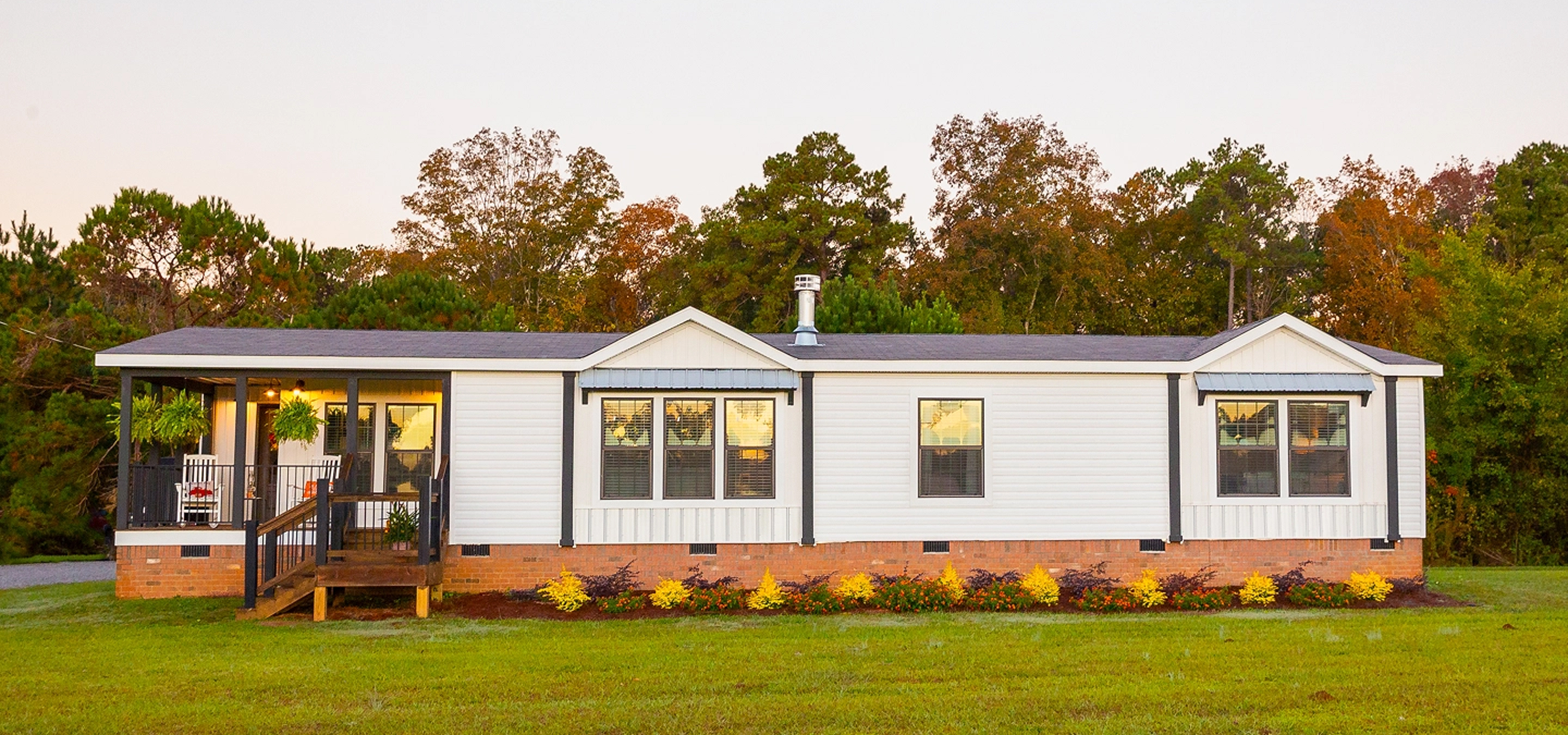
The Vanderbilt Mortgage and Finance, Inc. lending program provides specialized financing solutions tailored for manufactured homes, including chattel loans for homes not permanently attached to land and mortgage-based loans for homes situated on owned property. Designed to address the unique requirements of the manufactured housing market, these programs facilitate financing for both new and pre-owned units across various residential settings.
Contents
Understanding the Role of Vanderbilt Mortgage and Finance
Vanderbilt Mortgage and Finance, Inc. operates as a major lender within the manufactured housing industry. Unlike traditional lenders who often restrict their portfolio to site-built homes with land, Vanderbilt maintains a primary focus on the specific complexities inherent to mobile and manufactured home transactions. This niche positioning allows the company to provide loan products that bridge the gap between consumer retail financing and conventional real estate mortgages.
When navigating these programs, it is important to understand that the "Vanderbilt mobile home loans" designation often covers two distinct types of collateralized debt. First, there are personal property loans (frequently called chattel loans), where the loan is secured solely by the home itself. Second, there are land-home packages, where the financing covers both the manufactured structure and the underlying real estate. Recognizing which category your potential purchase falls into is the first step in assessing eligibility and interest rate structures.
Key Features of Vanderbilt Financing Programs
The versatility of Vanderbilt’s lending programs lies in their ability to adapt to the specific status of the home and the borrower's ownership of the land. The following features represent the core components of their current service offerings:
- Chattel Loan Flexibility: Many mobile home buyers do not own the land their home occupies, or they live in manufactured home communities. Vanderbilt offers financing for these units as personal property. Because these loans do not involve a traditional real estate deed, the processing time can sometimes be faster, though the interest rate structures often differ from standard mortgage products.
- Land-Home Package Options: For individuals purchasing a new home along with a plot of land, the company provides combined financing. This approach streamlines the process by integrating the cost of the home, site preparation, and land purchase into a single monthly payment, which is often more efficient for the borrower.
- Support for Pre-Owned Homes: Unlike many conventional lenders who prefer to finance only new constructions, Vanderbilt has established guidelines that allow for the financing of pre-owned manufactured homes, providing options for buyers in the secondary market.
- Fixed-Rate Terms: Most loan products offered through this program are structured with fixed interest rates. This provides borrowers with payment predictability over the life of the loan, protecting them from market fluctuations that impact variable-rate financing.
Eligibility and Prerequisites
Securing financing through Vanderbilt involves a rigorous verification process similar to other institutional lenders. While specific requirements can fluctuate based on local market conditions and the age of the home, applicants should prepare for a standardized vetting procedure.
- Creditworthiness Assessment: The lender evaluates credit history, income stability, and debt-to-income (DTI) ratios. A stronger credit profile generally correlates with more favorable terms.
- Collateral Inspection: For pre-owned homes, an inspection may be required to verify the condition and value of the unit. This ensures the asset meets the lender’s collateral standards.
- Documentation of Ownership: If the loan involves land, the applicant must provide clear proof of property ownership or an active purchase agreement for the land.
- Down Payment Requirements: Depending on the loan type and the borrower's financial profile, a down payment is typically required. The amount varies based on whether the loan is for a primary residence or an investment property, and whether the land is included in the collateral.
Comparison of Financing Approaches
Choosing between a chattel loan and a land-home mortgage is a critical decision that impacts long-term costs and equity building.
| Feature | Chattel Loan (Personal Property) | Land-Home Mortgage (Real Property) |
|---|---|---|
| Collateral | The mobile home only | The home and the land |
| Interest Rates | Generally higher due to higher risk | Competitive with standard mortgages |
| Loan Terms | Typically shorter | Often longer (15-30 years) |
| Classification | Personal property / titled unit | Real estate / deeded property |
| Equity Potential | Based on unit value only | Based on home and land appreciation |
Operational Limitations and Considerations
While these programs fill a vital void in housing finance, borrowers should remain aware of potential limitations. Financing a mobile home often comes with unique appraisal challenges. Unlike site-built homes, which have a vast array of "comps" (comparable sales), manufactured homes are appraised based on a smaller subset of market data. This can sometimes lead to discrepancies between the purchase price and the appraised value, which the borrower may need to address with a higher down payment.
Additionally, interest rates for manufactured homes—particularly for chattel loans—may be higher than those for traditional single-family homes. This reflects the increased risk associated with units that are not permanently affixed to the ground or that may experience faster depreciation compared to conventional real estate. It is essential for applicants to review the Annual Percentage Rate (APR) to understand the total cost of borrowing, including any origination fees or points.
Professional Advice and Financial Planning
Before committing to a loan, it is advisable for borrowers to consult with a financial advisor or a housing counselor, particularly if this is their first home purchase. Because manufactured home financing involves specific legal and financial nuances, understanding the long-term impact of the interest rate and the total loan term is paramount.
Verify all loan terms with the provided Truth in Lending Act (TILA) disclosures provided by the lender during the application process. These documents are legally mandated to outline the cost of the credit, including finance charges and the total amount to be repaid.
Frequently Asked Questions
Does Vanderbilt require a down payment for all loans? Yes, most financing programs through Vanderbilt require a down payment. The specific percentage depends on factors such as your credit score, the loan-to-value ratio, and the type of home being purchased.
Can I refinance a home that currently has a different lender? Vanderbilt does provide refinancing options for manufactured homes. If you currently hold a loan with another institution, you may be able to refinance to potentially adjust your terms, although eligibility is contingent upon current equity, credit status, and the home's appraisal.
How does the age of a mobile home affect financing? The age of the home is a significant factor. Newer homes are generally easier to finance. Older homes may face stricter requirements regarding inspections or may not be eligible for certain loan programs if they do not meet updated safety and construction standards.
What is the difference between a chattel loan and a mortgage? A chattel loan treats the home as personal property (similar to a vehicle loan), whereas a mortgage treats the home as real estate. Mortgages are typically linked to land ownership and offer more conventional, often lower-interest financing structures.
What happens if I move the mobile home after the loan is issued? If the home is financed as a chattel loan, moving it may be permitted under specific conditions stipulated in your loan agreement. However, moving the home typically requires lender notification and consent, as it impacts the collateral. Moving a home financed via a land-home mortgage is generally not feasible as the loan is tied to the specific real estate parcel.
Next Actions for Applicants
To initiate the process, prospective borrowers should gather their financial documentation, including recent pay stubs, tax returns for the previous two years, and a current statement of assets. Contacting a representative through the official Vanderbilt Mortgage and Finance portal allows for a preliminary assessment of what programs you may qualify for based on your specific location and housing situation. Always ensure you are working through the official corporate channels to avoid phishing or unauthorized third-party brokers.
Image Gallery