Is Concrete Foundation Repair in Savannah, GA Worth the Cost?
Concrete foundation repair in Savannah, Georgia, is almost always worth the cost. Addressing foundation failure prevents severe home depreciation, which can eliminate 10% to 30% of a property's market value. Timely repair halts compoun...
Concrete foundation repair in Savannah, Georgia, is almost always worth the cost. Addressing foundation failure prevents severe home depreciation, which can eliminate 10% to 30% of a property's market value. Timely repair halts compounding structural damage, restores equity, ensures standard mortgage financing eligibility for future buyers, and protects the home against Coastal Georgia's high water table and shifting soils.
Contents
The Geological Factors Driving Foundation Movement in Savannah
Evaluating whether concrete foundation repair is worth the investment requires understanding the environmental forces acting on homes in Chatham County and the surrounding Coastal Empire. Savannah’s coastal geography presents distinct geotechnical challenges that differ significantly from inland regions.
| Environmental Stressor | Impact |
|---|---|
| High Water Table | Shallow groundwater tables saturate sub-base soils |
| Expansive Soil | Organo-clays swell when wet and shrink when dry |
| Tidal/Storm Surge | Flooding and runoff wash away fine sand/soil voids |
| Tree Root Draw | Live oaks extract high volumes of groundwater |
1. Complex Coastal Plain Soils
Savannah rests on alluvial coastal plain deposits composed primarily of fine sands, silts, and pockets of highly expansive organo-clays (often referred to locally as tidal marsh soils or "pluff mud" remnants in lower elevation zones). Soil types such as Capers, Ogeechee, and Urban land complexes exhibit fluctuating load-bearing capacities. When wet, clay particles absorb moisture and expand; during dry summer stretches or periods of drought, they desiccate and shrink rapidly, creating voids beneath rigid concrete footings and slab-on-grade structures.
2. High Water Tables and Hydrostatic Pressure
The water table across Chatham County sits remarkably close to the surface, frequently residing just 2 to 6 feet below grade. Heavy seasonal rainfall, tropical systems, and high tidal cycles cause water levels to fluctuate dramatically. Hydrostatic pressure exerts upward force on concrete slabs, while rapid drainage after storm surges carries away loose, sandy sub-base soils. Over time, this soil erosion leaves foundation slabs partially unsupported, leading to uneven settlement, cracking, and structural shearing.
3. Mature Vegetation and Root Systems
Savannah’s iconic coastal live oaks and pine trees require thousands of gallons of water annually. Large tree root systems penetrating beneath foundation footings extract immense quantities of soil moisture during dry months, causing localized soil collapse beneath specific corners or edges of a house.
The Financial ROI of Concrete Foundation Repair
Many homeowners view structural repairs purely as an out-of-pocket expense. However, in real estate asset management, foundation stabilization is a value-preservation strategy that yields measurable returns.
- Real Estate Equity Reality in Savannah:
- Unrepaired Structural Defect: 10% to 30% Property Value Discount
- Repaired with Engineering Seal: 100% Equity Retention & Financing
Preserving Property Value and Equity
Unaddressed foundation distress directly erodes residential equity. Real estate appraisers and structural inspectors routinely discount homes with active foundation movement by 10% to 30% of their unblemished market value. For a Savannah home valued at $400,000, unaddressed structural settlement can instantly wipe out $40,000 to $120,000 in equity. Investing $10,000 to $20,000 in permanent underpinning or slab stabilization yields a direct dollar-for-dollar return by fully recovering that lost market equity.
Real Estate Disclosures and Loan Eligibility
Under Georgia property disclosure standards, sellers must disclose known structural defects and past moisture intrusion issues. Homes with active, unmanaged foundation settlement face severe transaction hurdles:
- Mortgage Underwriting Barriers: Government-backed loan programs, such as FHA, VA, and USDA mortgages, enforce strict structural safety guidelines. Appraisers will flag unaddressed slab cracks, sagging floors, or exterior masonry fractures, requiring formal structural engineer sign-off and repair before loan approval.
- Cash Buyer Discounts: If an un-repaired home is forced onto the market, buyer pools shrink primarily to real estate investors who demand steep discounts to take on structural liability.
- Transferable Warranties: Reputable foundation repair contractors in Savannah provide transferable life-of-the-structure warranties. Having a transferable warranty accompanied by a stamped structural engineering report turns a past defect into a selling point for risk-averse buyers.
Common Concrete Foundation Repair Methods & Cost Breakdown
Foundation repair costs in Savannah vary based on the home's construction type (slab-on-grade vs. crawl space stem wall), the depth of stable soil, and the chosen stabilization technology. Below is a detailed breakdown of current standard repair techniques, mechanics, and average price ranges in the local market.
1. Steel Push Piers and Helical Piers (Deep Foundation Underpinning)
- Average Cost: $1,200 to $2,500 per pier
- Total Project Range: $8,000 to $25,000+ (depending on the number of piers required)
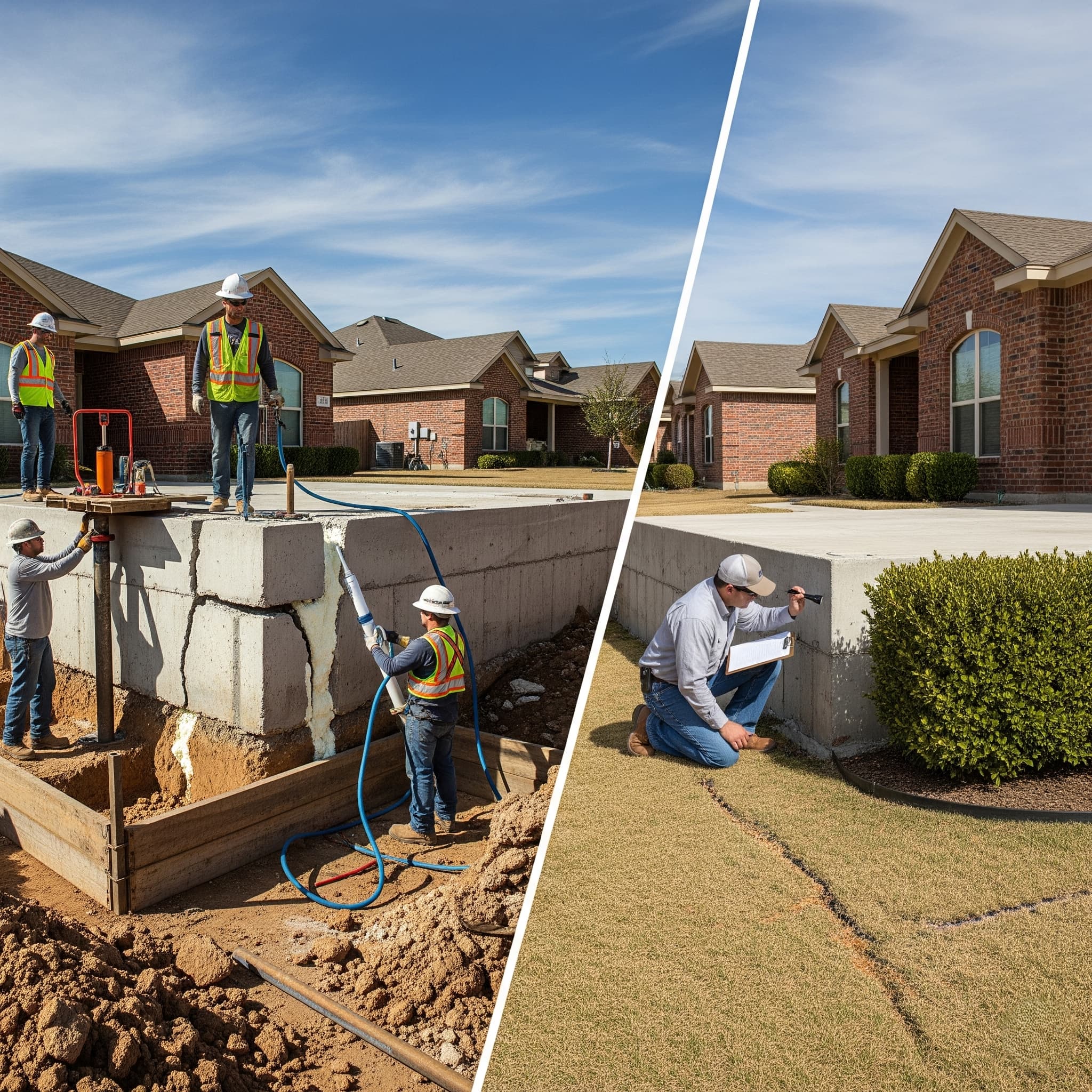
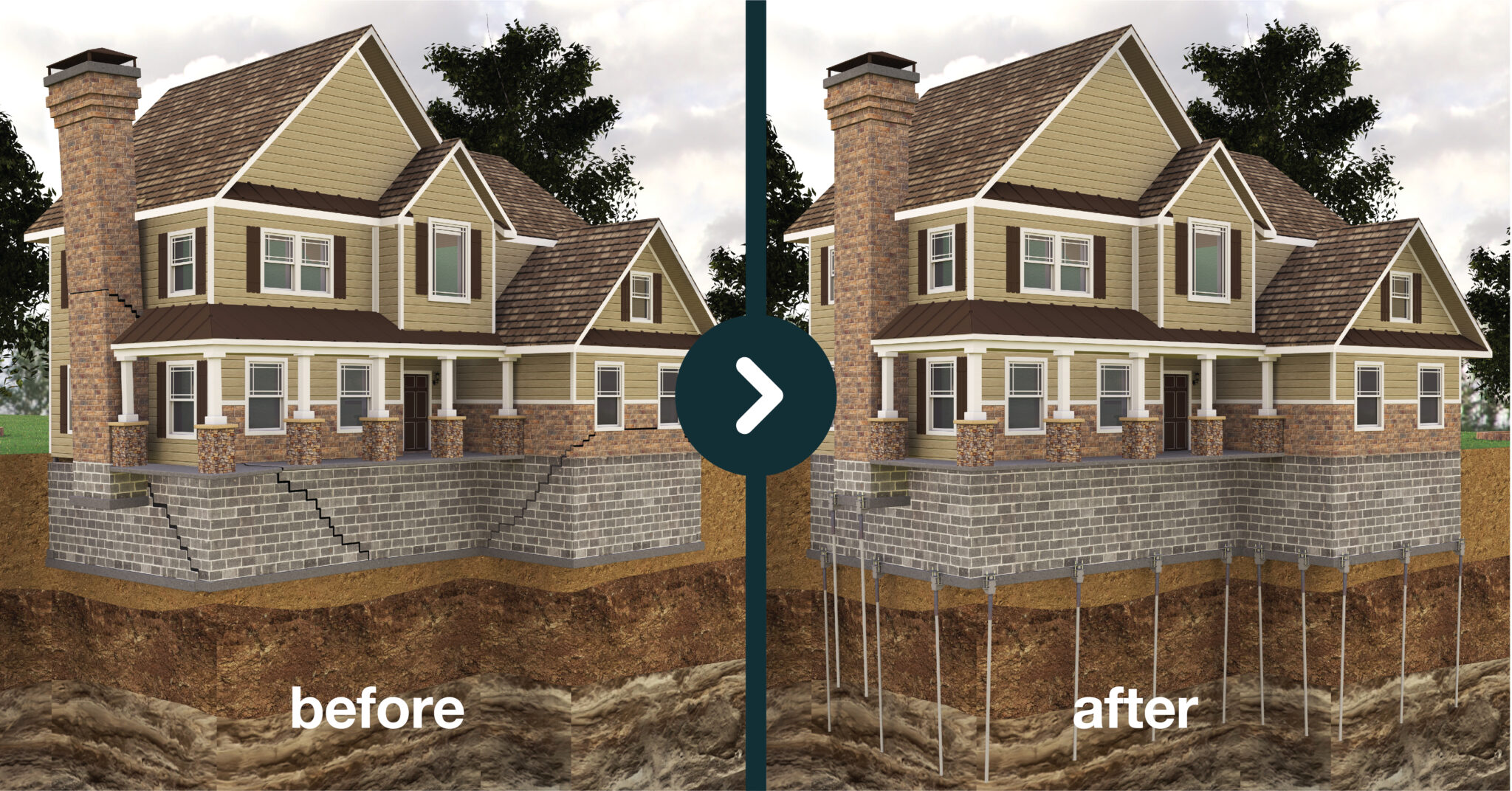
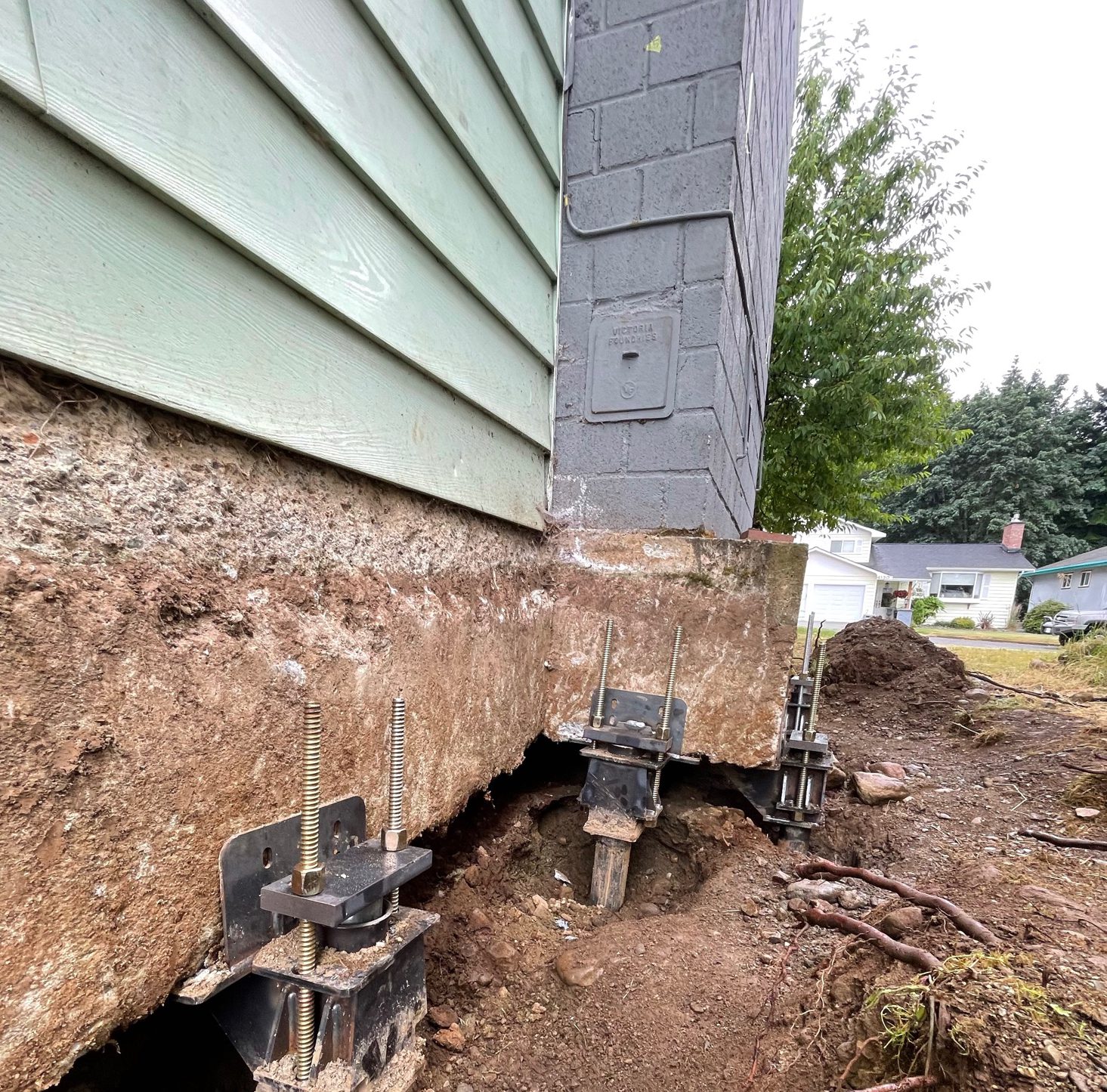
- How It Works: Deep underpinning is the definitive solution for settling concrete slabs and perimeter stem walls in coastal regions. Steel shafts are hydraulically driven through unstable topsoil and marsh clay down to dense load-bearing strata or bedrock (often 20 to 50 feet deep in coastal Georgia). High-strength hydraulic jacks then lift the foundation back toward its original level position and lock it onto the pier brackets.
2. High-Density Polyurethane Foam Injection (Polyjacking)
- Average Cost: $1,500 to $4,500
- Total Project Range: Varies by volume of foam required
- How It Works: Polyjacking is ideal for sunken interior concrete slabs, garage floors, patios, and driveways. Small 5/8-inch holes are drilled through the concrete, and expandable, hydrophobic polyurethane foam is injected beneath the slab. The liquid foam fills underground voids, expands rapidly, lifts the concrete slab, and hardens into a lightweight, water-resistant base that will not wash away in high water tables.
3. Carbon Fiber Reinforcement & Epoxy Crack Injection
- Average Cost: $1,500 to $5,500
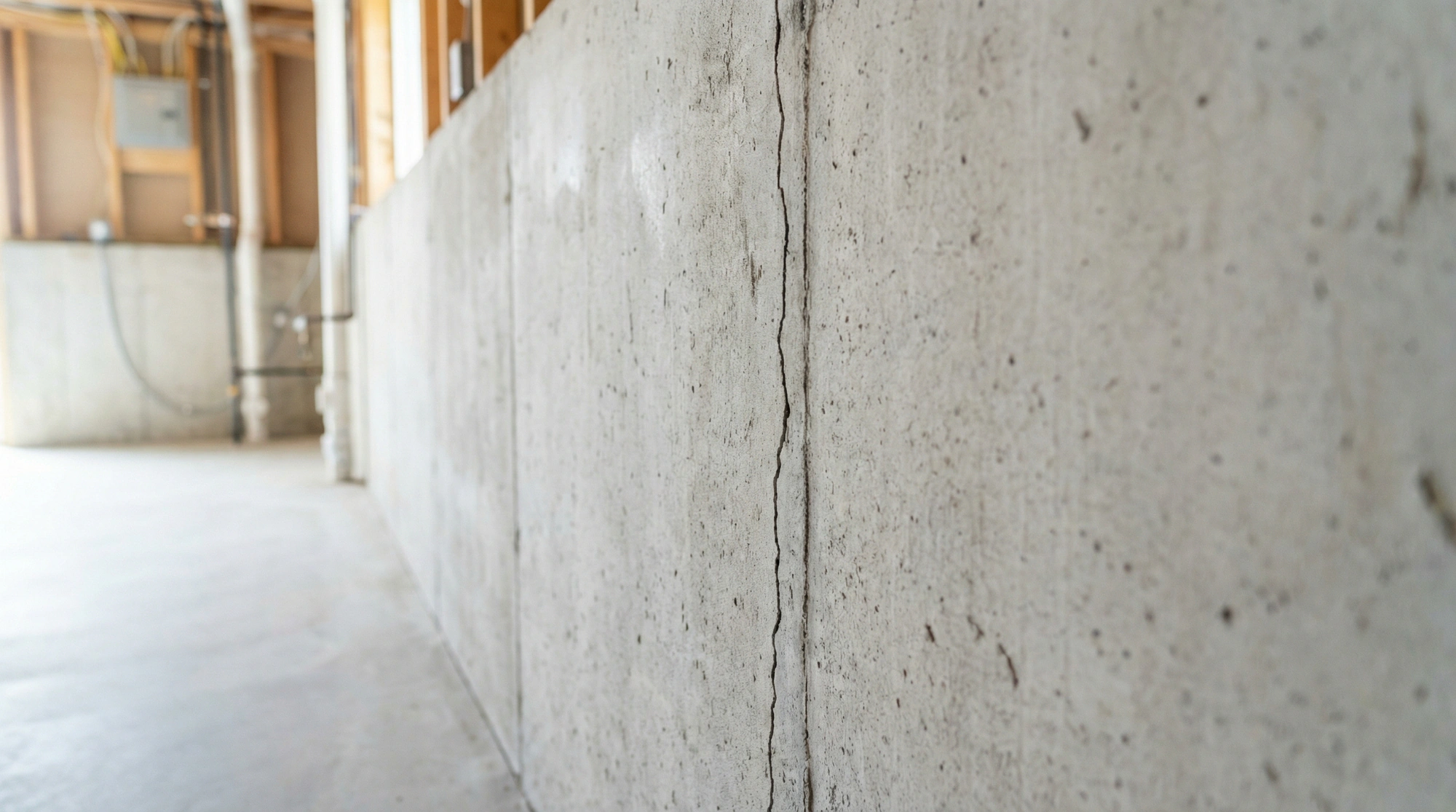
- How It Works: For concrete stem walls or basement walls experiencing horizontal cracking or slight bowing due to lateral soil pressure, carbon fiber straps are bonded to the concrete with high-tensile epoxy. Epoxy injection resins seal micro-cracks, preventing moisture intrusion, saltwater air exposure, and rebar corrosion.
4. Exterior Water Management and Drainage Retrofits
- Average Cost: $2,500 to $8,000
- How It Works: Because water migration drives soil movement in Savannah, foundation repair often requires installing French drains, surface catch basins, extended downspouts, or sump pump systems to direct groundwater away from concrete footings.
Comparative Matrix: Repair Methods, Costs, and Suitability
| Repair Method | Primary Use Case | Average Cost Range | Expected Lifespan | Impact on Property Equity |
|---|---|---|---|---|
| Steel Push Piers | Major slab/footing settlement, heavy load-bearing walls | $1,200 – $2,500 / pier | Lifetime / Permanent | High: Full structural restoration |
| Helical Piers | Light-to-medium frame structures, porches, unstable soils | $1,100 – $2,200 / pier | Lifetime / Permanent | High: Prevents ongoing settlement |
| Polyurethane Foam Injection | Sunken interior slabs, driveways, non-load-bearing floors | $1,500 – $4,500 total | 10 – 25+ Years | Moderate: Restores floor usability |
| Carbon Fiber Strapping | Concrete stem wall cracking and lateral movement | $1,500 – $5,500 total | Lifetime / Permanent | High: Stops progressive wall failure |
| Drainage & Water Controls | Saturated perimeter soils, standing water near footings | $2,500 – $8,000 total | 15 – 30 Years | High: Protects underlying sub-base |
The Compounding Costs of Delaying Structural Repair
Delaying concrete foundation repair in Coastal Georgia almost always increases overall restoration costs. Concrete foundations do not self-correct; soil shifts continuously with seasonal moisture cycles, worsening structural deformation over time.
- Phase 1: Minor hairline slab cracks, slight sticking doors
- Phase 2: Sheetrock shear cracks, door frame misalignments, brick gaps
- Phase 3: Fractured underslab plumbing, roof truss displacement, mold
Secondary Structural and Cosmetic Damages
When a concrete slab drops even half an inch, it imposes severe torsional stress on the building envelope:
- Plumbing Shear: Underground supply and drain lines beneath slab-on-grade homes can snap or disconnect as the concrete drops, releasing water directly beneath the house and accelerating soil erosion.
- Interior Structural Strain: Drywall cracks along door and window headers expand, door frames warp out of square, and hardwood or tile flooring buckles.
- Exterior Masonry Failure: Brick veneer cladding develops telltale stair-step cracking along mortar joints. Severe movement can cause brick facade separation from wall framing, creating entry points for pest infestation and rainwater.
- Roof Framing Misalignment: In severe settlement cases, differential foundation movement pulls roof trusses apart, resulting in ceiling leaks and structural roof sag.
Key Warning Signs Your Savannah Home Needs Foundation Repair
Catching foundation movement early minimizes repair scope and costs. Homeowners in the Savannah area should routinely monitor their properties for these key structural warning signs:
Exterior Indicators
- Stair-step cracks in exterior brick veneer or mortar joints.
- Gaps between window frames or door frames and the surrounding exterior masonry or siding.
- Separation of chimneys or exterior porches from the main body of the house.
- Visible tilting or cracking in exposed concrete stem walls and footings near grade level.
Interior Indicators
- Diagonal shear cracks originating from the corners of door frame headers and window casings.
- Sticking or jammed doors and windows that no longer latch correctly.
- Sloping or uneven interior floors where round objects roll toward one side of a room.
- Gaps forming between interior walls and baseboards or ceiling crowns.
- Cracked ceramic floor tiles or continuous cracks running across carpeted slab floors.
Frequently Asked Questions
Does homeowners insurance cover concrete foundation repair in Savannah, GA?
Standard homeowners insurance policies generally do not cover foundation repair if the damage stems from natural soil settlement, clay shrinkage, poor drainage, or general wear and tear. Coverage typically applies only if the foundation damage directly results from a covered "peril," such as a burst internal plumbing pipe, fire, or explosion. Homeowners should review their policy terms with an insurance carrier to confirm specific exclusions related to earth movement and flood damage.
How long do concrete foundation repairs typically last in coastal Georgia?
Deep foundation underpinning methods using steel push piers or helical piers are engineered to last for the remaining lifetime of the structure. High-density polyurethane foam injections used for slab leveling generally carry lifespan expectations ranging from 10 to over 25 years, provided surrounding soil erosion and drainage issues are mitigated.
Can I sell my Savannah home with an active foundation issue?
Yes, but doing so limits your market to cash buyers or real estate investors who typically require substantial discounts off fair market value. Standard buyers relying on conventional, FHA, or VA financing cannot close on a home with uncertified structural damage. Obtaining a structural engineer's assessment and completing certified repairs allows you to sell to the entire market at full value.
How do I know if I need polyurethane foam injection or deep steel piers?
Polyurethane foam injection (polyjacking) is designed primarily to fill subterranean voids and lift sunken, non-load-bearing concrete slabs, such as patios, driveways, or un-settled slab surfaces. If structural load-bearing walls or deep footings have dropped due to deep soil collapse, heavy steel push piers or helical piers driven into dense load-bearing strata are required to stabilize the weight of the structure.
Should I hire an independent structural engineer before calling a foundation repair contractor?
Hiring an independent licensed Structural Engineer (PE) who does not sell repair services provides an unbiased assessment of your foundation's condition. An engineer will produce an objective engineering report, identify the exact root cause of movement, and design an precise repair plan. This prevents over-spending on unnecessary piering while providing a clear blueprint for contractors to bid on.
Practical Next Steps for Savannah Homeowners
If you suspect your concrete foundation is settling or experiencing structural distress, take the following organized steps:
- Schedule an Independent Structural Assessment: Hire a licensed Professional Engineer (PE) in Georgia specializing in residential forensics to perform a level survey and structural assessment.
- Correct Drainage Issues First: Ensure downspouts discharge at least 5 to 10 feet away from your foundation footings, and adjust grading around your home so water slopes away from the perimeter.
- Obtain Multiple Engineering-Based Quotes: Collect written quotes from licensed, insured foundation repair contractors in Chatham County who follow engineer-designed specifications and provide transferable warranties.
- Verify Warranties and Permits: Confirm that the contractor secures all required local municipal building permits and provides written transferable warranty coverage prior to commencing work.
Image Gallery