Comprehensive Halloween Movie Character Ideas for 2026
Halloween movie character ideas range from timeless horror icons like Michael Myers to modern sensations from 2025 blockbusters. Whether you are looking for solo DIY projects, intricate SFX makeup transformations, or coordinated group...
Halloween movie character ideas range from timeless horror icons like Michael Myers to modern sensations from 2025 blockbusters. Whether you are looking for solo DIY projects, intricate SFX makeup transformations, or coordinated group ensembles, selecting a cinematic character involves balancing recognition, budget, and the technical complexity of the costume’s assembly.
Contents
The Evolution of Cinematic Halloween Costumes
Cinematic Halloween costumes have transitioned from simple masks to high-fidelity recreations. In 2026, the trend leans heavily toward "elevated realism" and "niche recognition." While the primary goal of a Halloween costume is often social engagement or celebration, the technical execution has become a competitive hobby for many. Choosing the right movie character requires an understanding of current pop culture trends, historical significance, and the practicalities of wearability.
When selecting a character, consider the "three-second rule": can an observer identify who you are within three seconds? Characters with distinct silhouettes or signature props—like Freddy Krueger’s glove or Indiana Jones’s whip—rank highest in recognition. However, as streaming platforms and niche cinema continue to dominate, "deep cut" characters from indie films or cult classics have gained significant traction among enthusiasts seeking originality.
Modern Cinematic Icons: 2024–2026 Trends
As we move through 2026, the influence of late 2024 and 2025 theatrical releases remains the primary driver for costume popularity. These characters are fresh in the public consciousness and offer a mix of high-fashion aesthetics and traditional costume elements.
The Return of the Ghost with the Most
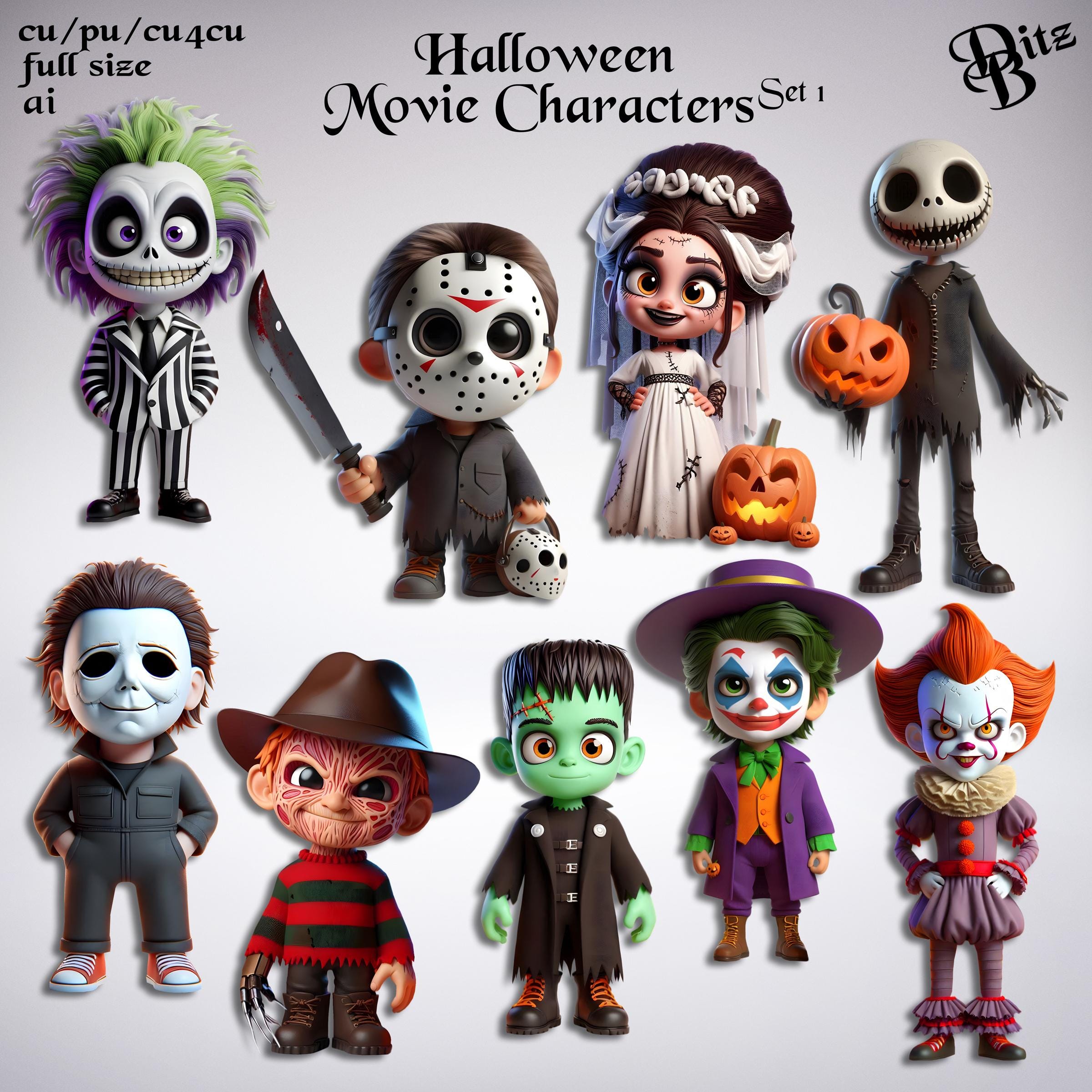
Following the massive success of the Beetlejuice sequel in late 2024, the "Bio-Exorcist" aesthetic has seen a massive resurgence. For 2026, the focus has shifted from the standard striped suit to the more elaborate "wedding attire" or the shrunken-head look from the afterlife waiting room. The technical challenge here lies in the wig work and the mossy, decaying skin texture achieved through grease paints and liquid latex.
The Wicked Duo: Elphaba and Glinda
With the Wicked film adaptations solidifying their place in the cultural zeitgeist by 2025, the demand for high-fantasy costumes is at an all-time high. These characters provide a perfect contrast: Elphaba requires mastery of green skin-toning (using water-activated paints to prevent smudging) and structured black garments, while Glinda demands voluminous pink fabrics and shimmering accessories. These are ideal for pairs who want to showcase differing technical skills in costume construction.
The Clown Prince and Princess of Crime
While the Joker films have been around for years, the 2024 sequel introduced a musical and theatrical flair to the Joker and Harley Quinn aesthetic. For 2026, the "Harley" look has moved away from the punk-rock style of earlier iterations toward a more sophisticated, slightly distressed "Old Hollywood" glamor mixed with traditional harlequin patterns.
Timeless Horror Legends and Slasher Staples
Horror remains the cornerstone of Halloween. These characters are evergreen because their designs are rooted in primal fears and are easily adaptable for various budgets.
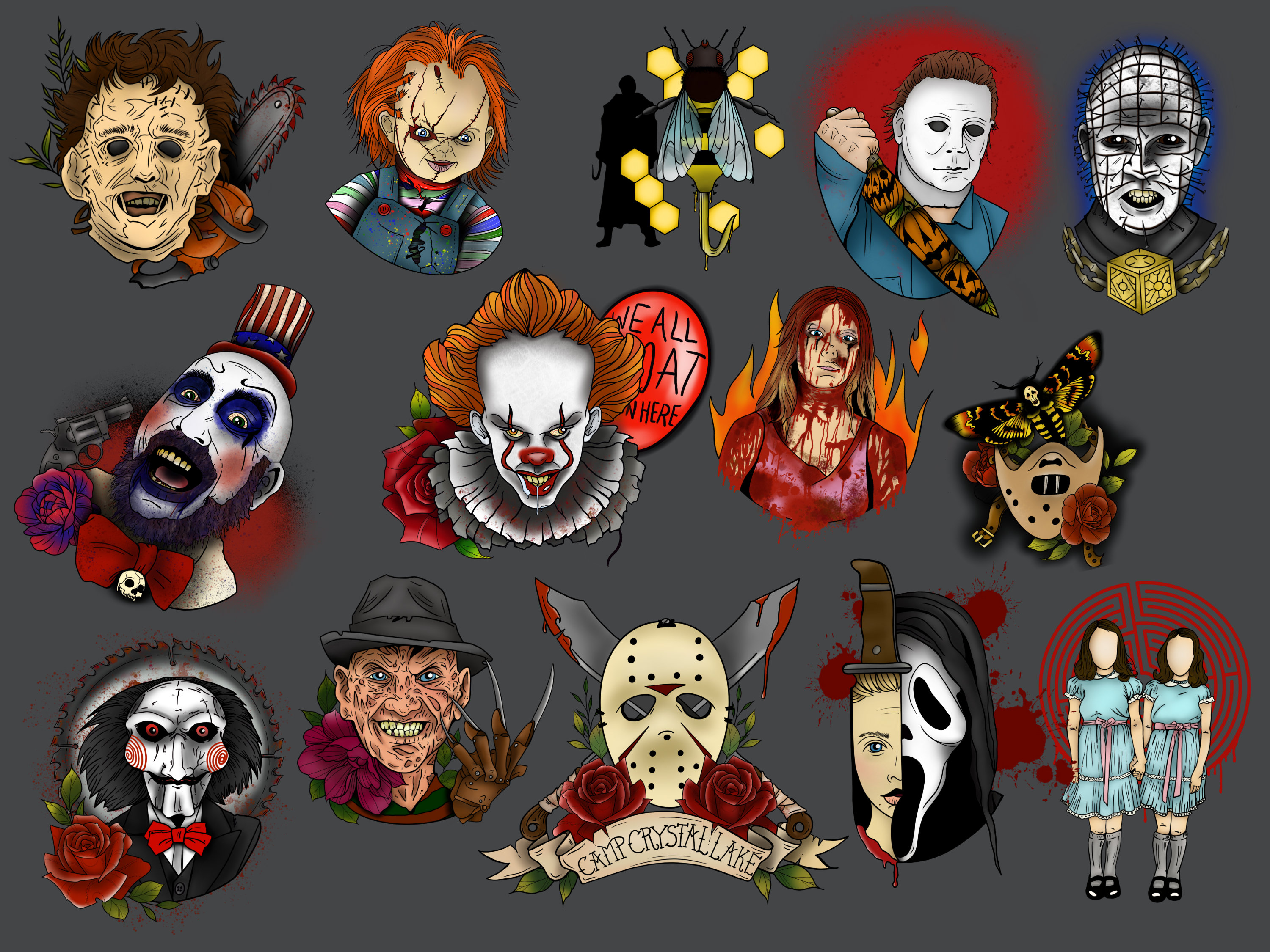
- Michael Myers (Halloween): The ultimate low-effort, high-impact costume. The key to a successful Michael Myers in 2026 is the mask's quality. High-end collectors often prefer "rehauled" masks that feature realistic weathering and accurate hair placement.
- Ghostface (Scream): This remains a top choice due to the simplicity of the robe and the iconic mask. For a 2026 twist, many are opting for the "aged" or "cracked" mask versions seen in recent franchise installments.
- Art the Clown (Terrifier): This character has surged in popularity due to the graphic nature of the films. The costume requires a specific black-and-white ruffled jumpsuit and professional-grade prosthetic work to mimic the character’s elongated facial features.
| Character Name | Genre | Difficulty Level | Key Accessory/Prop | Recommended Material |
|---|---|---|---|---|
| Beetlejuice | Comedy/Horror | Medium | Mossy Wig | Liquid Latex/Grease Paint |
| Furiosa | Action/Sci-Fi | High | Mechanical Arm | EVA Foam/Metallic Paint |
| Carmy (The Bear) | Drama | Low | Blue Apron | Cotton/Canvas |
| Elphaba | Fantasy | Medium | Pointed Hat | Green Body Paint |
| Paul Atreides | Sci-Fi | High | Stillsuit | Neoprene/3D Prints |
| Maxine Minx | Horror/Indie | Medium | Blue Eyeshadow | Vintage 80s Apparel |
Action and Sci-Fi: The Technical Builder’s Choice
For those who enjoy the "maker" aspect of Halloween, action and sci-fi characters offer the most complexity. These costumes often involve "armor building," which utilizes materials like EVA foam, 3D-printed resins, and complex strapping systems.
The Desert Aesthetic: Dune
The Dune franchise has revolutionized sci-fi costuming. A "Stillsuit" is one of the most technically demanding costumes to create. It involves layering textured fabrics and faux-hoses to simulate a functional water-recycling suit. In 2026, these remain popular for groups, allowing for variations between Fremen warriors and House Atreides officers.
Wasteland Warriors: Mad Max/Furiosa
Following the release of Furiosa: A Mad Max Saga, wasteland-style costuming has become a staple. This aesthetic is forgiving for DIYers because it thrives on "distressing." To achieve this look, builders use sandpaper, wood stain, and actual dirt to make new fabrics look decades old. The mechanical arm of Furiosa is a prime project for those exploring basic animatronics or articulated prop making.
Group and Couple Costume Strategies
Coordinated costumes often receive the most attention at events. The key to a successful group theme is a shared visual language.
- The "Final Girl" Support Group: A creative group idea involving various famous horror survivors (e.g., Laurie Strode, Sidney Prescott, and Nancy Thompson), each with a prop representing their respective killer.
- A24 Aesthetic: For a more "film student" vibe, groups can dress as characters from various A24 films like Midsommar (flower crowns), The Lighthouse (vintage sailor gear), or Pearl (red dress and axe).
- The Bear (Kitchen Staff): This is the premier "low-budget" group idea. It requires blue aprons, white t-shirts, and kitchen clogs. The effectiveness of this costume relies on the acting and the presence of "Sharpie" markers and blue painter's tape.
Technical Execution: DIY vs. Store-Bought
The decision between building a costume and buying one often comes down to the "Time vs. Money" equation. In 2026, the quality of "Prosumer" costumes—higher-end retail outfits—has bridged the gap between cheap bags-o-costumes and custom commissions.
The Case for DIY (Do-It-Yourself)
DIY allows for perfect sizing and unique weathering. If you are portraying a character from a gritty film like The Batman, a store-bought suit often looks too shiny and plastic. By building the armor pieces yourself using EVA foam, you can add "battle damage" and realistic textures that a factory cannot replicate.
The Case for Store-Bought (Retail)
For characters with complex patterns or specific licensed fabrics—like Spider-Man’s integrated suit or the intricate patterns of a Black Panther habit—buying a high-quality "sublimation printed" suit is often more cost-effective. These suits are designed to mimic the texture of the movie costume through optical illusions in the fabric print.
Professional Makeup and SFX Considerations
Many movie character ideas live or die by the makeup. If you are choosing a character like the Joker, Pennywise, or any creature from a body-horror film, you must account for "wear time."
- Primer and Sealer: Always use a professional-grade primer before applying face paint and a setting spray (like Green Marble or Ben Nye Final Seal) afterward. This prevents the "melting" look that occurs in crowded, warm environments.
- Prosthetics: If using silicone or latex appliances, ensure you have a medical-grade adhesive like Pros-Aide. Avoid spirit gum for heavy pieces as it tends to fail with perspiration.
- Eye Safety: Many characters (like the X-Men or various demons) require colored contact lenses. In 2026, it remains vital to only use lenses prescribed by an eye-care professional to avoid corneal abrasions or infections.
Frequently Asked Questions
What are the most popular movie character costumes for 2026?
The most popular choices currently revolve around the late 2024 and 2025 releases. Characters from Beetlejuice Beetlejuice, Wicked, and Gladiator II are seeing high volume. Additionally, classic slashers like Michael Myers and Ghostface remain top-tier due to their ease of recognition.
How can I make a movie character costume on a budget?
Focus on "closet cosplay." Characters like Carmy from The Bear, Mia Wallace from Pulp Fiction, or various characters from Stranger Things can be assembled using thrift store finds. The key is to invest in one "hero prop"—the one item that definitively identifies the character—while keeping the rest of the outfit simple.
How do I ensure my costume is comfortable for a long event?
Prioritize footwear and ventilation. If your character wears uncomfortable shoes (like high heels or heavy boots), consider adding gel inserts or choosing a "hybrid" version of the costume that allows for sneakers. For full-body suits or heavy armor, build in hidden ventilation slits or use moisture-wicking undergarments.
Are movie character costumes better for individuals or groups?
Both have merits. Individual costumes allow for more personal detail and "niche" choices that don't rely on others. Group costumes, however, create a larger visual impact and are often more fun for social interaction, as the collective recognition is higher than the sum of its parts.
What is the best way to handle "weathering" a costume?
Realism comes from layers. Start with a "wash" of watered-down black or brown acrylic paint to settle into the creases of the fabric. Use sandpaper on high-wear areas like knees and elbows. For metal effects on props, the "dry brushing" technique—using a nearly dry brush with silver paint—creates a realistic scratched-metal look.
Final Recommendations for 2026
When finalizing your Halloween movie character idea, prioritize recognition and mobility. A costume that looks incredible but prevents you from sitting down or speaking will dampen the experience. For 2026, the most successful costumes are those that blend high-quality props with practical, wearable clothing. Start your preparation at least six weeks in advance if you plan on building props or ordering custom components, and always perform a "full dress rehearsal" including makeup at least three days before your event to troubleshoot any mechanical or comfort issues.
Image Gallery