The Name of the Daughter in the Addams Family: A Complete Character Guide
The daughter’s name in the Addams Family is Wednesday Addams. Created by cartoonist Charles Addams, she was named after the nursery rhyme line, "Wednesday’s child is full of woe." Known for her pale skin, black braids, and macabre inte...
The daughter’s name in the Addams Family is Wednesday Addams. Created by cartoonist Charles Addams, she was named after the nursery rhyme line, "Wednesday’s child is full of woe." Known for her pale skin, black braids, and macabre interests, she has evolved from a quirky child into a cynical, iconic gothic protagonist.
Contents
The Origins of Wednesday Addams
The character of Wednesday Addams first appeared in the single-panel cartoons of Charles Addams, published in The New Yorker starting in 1938. In these original illustrations, the family members were unnamed and lacked the distinct backstories they would later acquire. They were simply a satirical inversion of the ideal American family—morbid, eccentric, and blissfully unaware of how frightening they appeared to others.
When the cartoons were adapted into the 1964 live-action television series, the characters required specific names and personalities. Charles Addams chose the name "Wednesday" based on a suggestion from Joan Blake, an actress and poet. Blake drew inspiration from the traditional nursery rhyme "Monday's Child," which assigns a specific temperament to children based on the day of their birth. The line "Wednesday’s child is full of woe" perfectly captured the melancholy and dark spirit Charles Addams envisioned for the daughter of Gomez and Morticia.
The Significance of the "Full of Woe" Label
The choice of name was not merely a poetic flourish; it established the core of the character's identity. Unlike her brother, Pugsley, who was often depicted as energetic and destructive, Wednesday was characterized by a quiet, brooding nature. In the 1964 series, this "woe" was expressed through her interest in raising spiders, her decapitated Marie Antoinette doll, and her strangely sophisticated understanding of death.
As the character evolved through subsequent decades, the "woe" transitioned from childhood quirkiness to a more sophisticated, cynical, and deadpan outlook on life. By the time of the 1990s films and the 2022 Netflix series, the name Wednesday had become synonymous with gothic stoicism and intellectual superiority over "normie" society.
Character Traits and Physical Appearance
Wednesday Addams is one of the most visually recognizable characters in popular culture. Her aesthetic has remained remarkably consistent since her inception, providing a blueprint for gothic fashion and character design.
Defining Features
- The Braids: Wednesday is almost always depicted with two tight, black pigtail braids. This hairstyle symbolizes her disciplined, severe, and somewhat antique personality.
- The Dress: Her signature outfit is a black, long-sleeved dress with a sharp white Peter Pan collar. This "uniform" highlights her rejection of colorful, modern fashion and reinforces her connection to the Victorian-esque macabre.
- The Complexion: She is characterized by extremely pale skin and dark circles under her eyes, suggesting a lack of sunlight and a proximity to the cemetery-dwelling lifestyle of her ancestors.
- The Expression: In modern iterations, Wednesday is famous for her "thousand-yard stare" and a refusal to blink or smile. This stoicism serves as a defense mechanism and a sign of her detached, analytical mind.
Personality and Interests
Wednesday is defined by her brilliant but dark intellect. While other children her age might play with toys, Wednesday explores the limits of human endurance and the mysteries of the occult. Her hobbies often include:
- Animal Husbandry: In the 1960s, she kept a pet spider named Homer and a lizard named Lucifer.
- Weaponry and Combat: She is an expert in fencing, archery, and the use of medieval torture devices.
- The Arts: She is a skilled cellist, often playing dark, haunting melodies that reflect her internal state.
- Literature and Philosophy: She possesses a vocabulary far beyond her years and frequently quotes philosophers like Machiavelli or Schopenhauer to justify her actions.
Evolution Across Media (1964–2026)
As of 2026, Wednesday Addams has been portrayed by several actresses, each bringing a different nuance to the "daughter of woe." The character has transitioned from a supporting family member to a standalone lead.
The Early Era: Lisa Loring
In the 1964 Addams Family television show, Lisa Loring played a younger, sweeter version of Wednesday. While she was certainly strange—dancing a rigid "frug" and playing with headless dolls—she still possessed a childish innocence and a close, affectionate bond with her parents. This version of Wednesday was less "dangerous" and more of a quirky child whose interests happened to be morbid.
The Definitive Goth: Christina Ricci
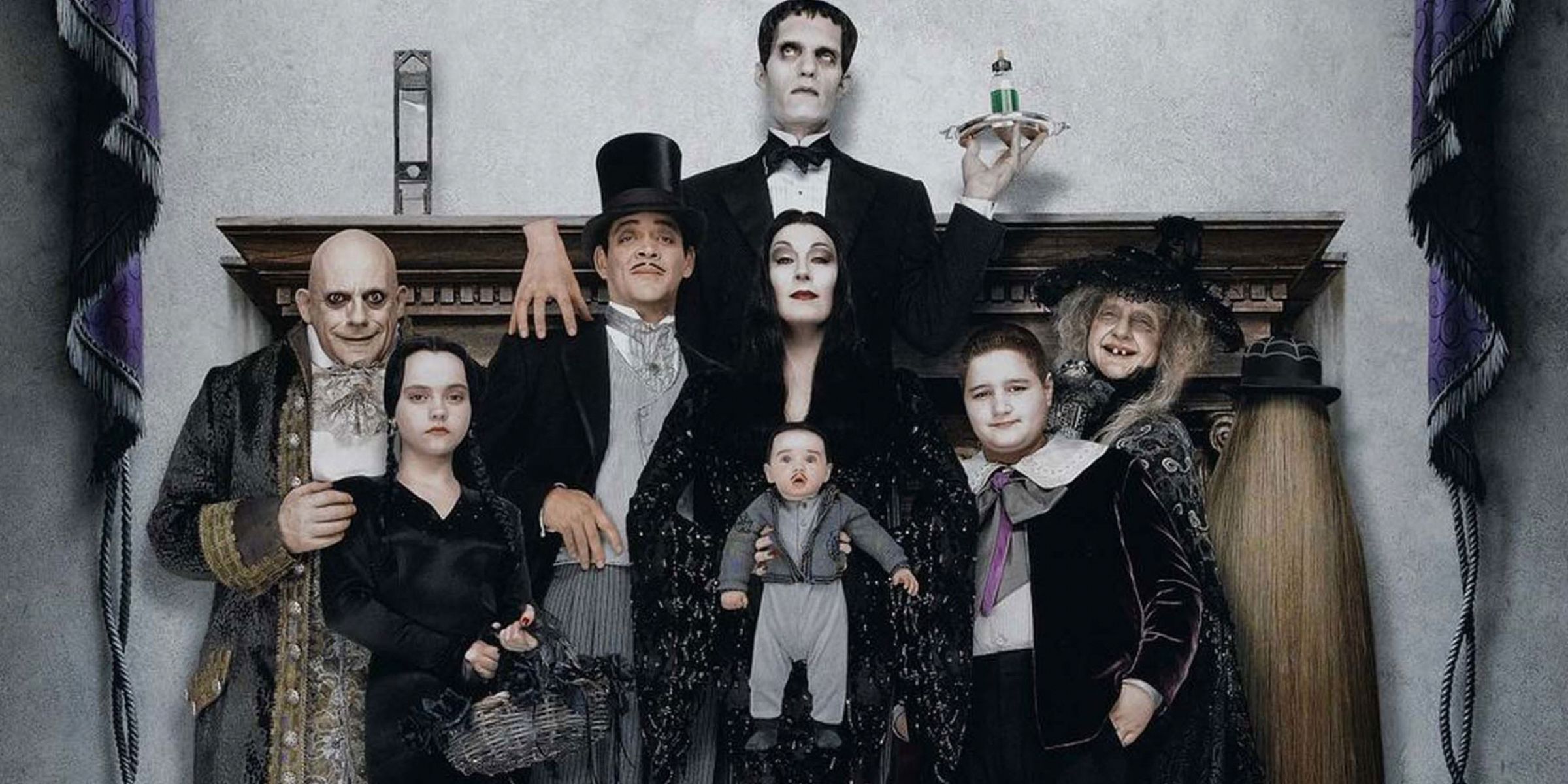
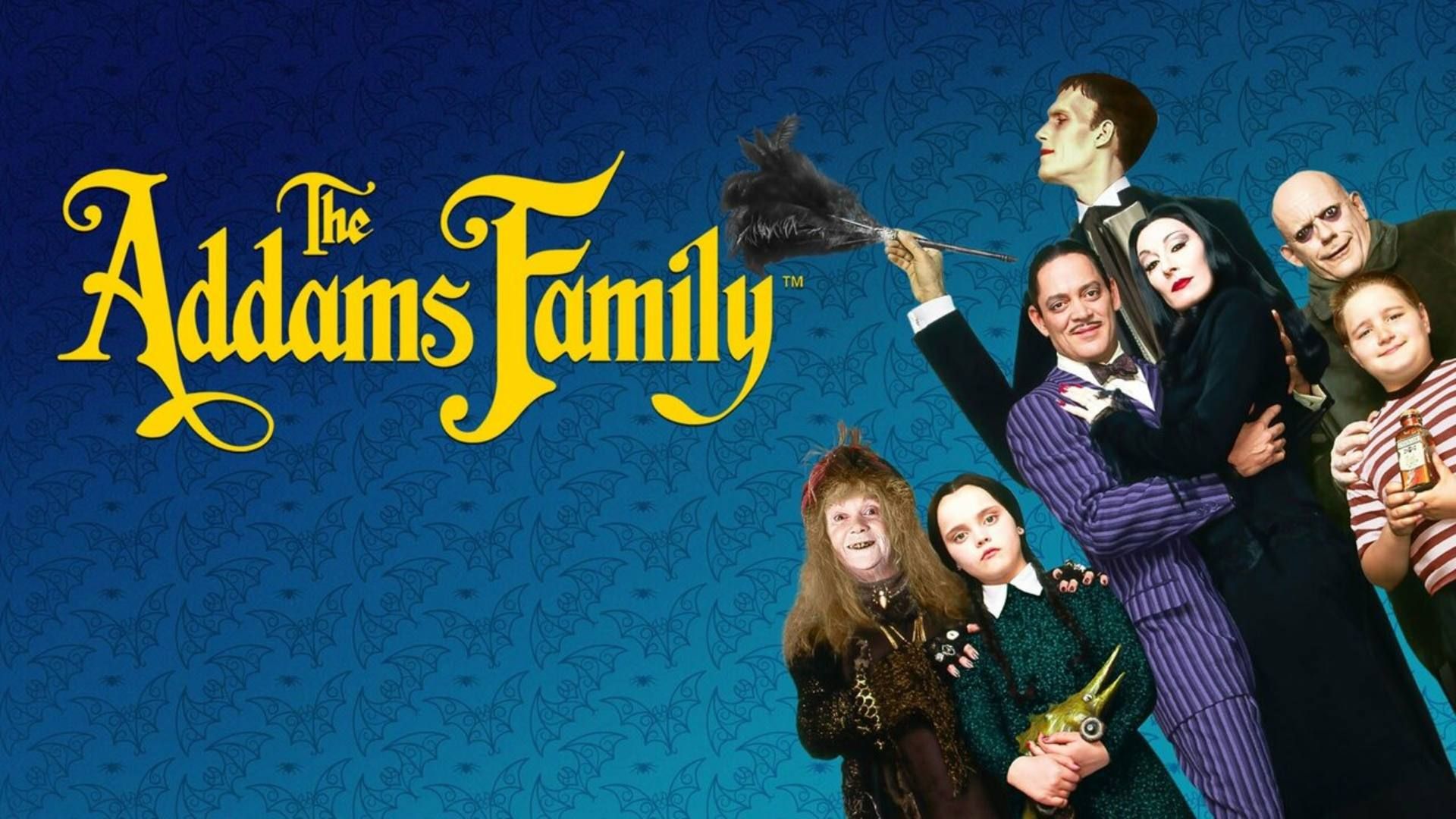
The 1991 film The Addams Family and its 1993 sequel, Addams Family Values, transformed Wednesday into a cultural icon. Christina Ricci’s portrayal introduced the intense deadpan delivery and the biting social commentary that now define the character. Ricci's Wednesday was actively antagonistic toward those she deemed mediocre, most notably in the famous scene where she burns down a Thanksgiving play at a summer camp.
The Modern Phenomenon: Jenna Ortega
With the release of the Netflix series Wednesday in 2022, the character was aged up to a teenager and given a solo narrative. Jenna Ortega’s performance emphasized Wednesday’s independence, her emerging psychic abilities, and her struggle to navigate social structures at Nevermore Academy. By 2026, this version of the character has become the primary reference point for a new generation, blending the classic gothic aesthetic with modern themes of neurodivergence and female empowerment.
Comparison of Character Portrayals
The following table compares the different live-action and animated versions of Wednesday Addams across various media formats.
| Year | Format | Actress / Voice | Key Personality Trait |
|---|---|---|---|
| 1964–1966 | TV Series (Live Action) | Lisa Loring | Quirky, sweet, and oddly mature for a child. |
| 1973 | Animated Series | Cindy Henderson | Adventurous and more integrated into the family. |
| 1991–1993 | Feature Film | Christina Ricci | Deadpan, cynical, and intellectually superior. |
| 1998–1999 | TV Series (The New Addams Family) | Nicole Fugere | A blend of the Ricci and Loring interpretations. |
| 2010 | Broadway Musical | Krysta Rodriguez | Rebellious teenager who falls in love with a "normal" boy. |
| 2019–2021 | Animated Film | Chloë Grace Moretz | Existential and curious about the outside world. |
| 2022–Present | Netflix Series | Jenna Ortega | Stoic, psychic investigator, and independent lead. |
Wednesday’s Role in the Family Dynamic
Wednesday’s relationship with the rest of her family is central to understanding her character. Unlike typical teen drama tropes where the protagonist hates their parents, the Addams family is characterized by immense mutual love and support, even if that support is expressed through "torture."
Relationship with Pugsley
In many iterations, Wednesday and Pugsley share a sibling rivalry that involves actual physical peril. However, it is consistently established that while Wednesday may attempt to electrocute her brother, she is the only one allowed to do so. She is fiercely protective of him, often taking violent revenge on anyone who bullies Pugsley at school. This "only I can kill him" mentality is a cornerstone of the Addams' loyalty.
Relationship with Morticia
Morticia Addams serves as Wednesday’s primary role model, yet their relationship is often fraught with the tension of Wednesday trying to establish her own identity. In the Netflix series, Wednesday initially resists being "another version of her mother," specifically regarding their shared psychic heritage. Despite this, they share a deep respect for the dark arts and a rejection of traditional societal norms.
Relationship with Gomez
Gomez Addams is perhaps the most indulgent father in fiction. He views Wednesday’s macabre interests not as a cause for concern, but as a sign of her brilliance and "Addams spirit." His unyielding support often provides the foundation for Wednesday’s high self-esteem and refusal to conform to outside pressure.
Cultural Impact and Global Legacy
By 2026, Wednesday Addams has moved beyond being a mere television character to becoming a symbol of individuality. Her "look" is a staple of alternative fashion, and her refusal to fake happiness for the comfort of others has resonated with audiences worldwide.
The "Wednesday Addams" Aesthetic
The character's influence on the Goth subculture cannot be overstated. Designers and fashion houses have frequently cited her silhouette—the high collar, black monochrome, and braided hair—as a recurring inspiration. The "soft goth" trend of the mid-2020s owes much of its popularity to the massive viewership of her solo series.
Empowerment through Non-Conformity
Wednesday represents a specific kind of female empowerment. She does not seek approval, she does not perform emotional labor for others, and she is unapologetically herself. In an era of social media-driven perfection, Wednesday’s rejection of the "performative happy" lifestyle makes her a relatable figure for those who feel out of place in mainstream society.
Frequently Asked Questions
Why was she named Wednesday?
She was named after the nursery rhyme line "Wednesday's child is full of woe." When the original cartoons were being adapted for the 1964 TV show, Charles Addams liked the suggestion of using this line to give the daughter a melancholic and dark personality.
Is Wednesday the oldest child in the Addams Family?
In the original 1960s television series, Wednesday was the younger sister, and Pugsley was the older brother. However, in the 1990s films and the 2022 Netflix series, the ages were swapped, making Wednesday the older sibling and the leader of the two children.
What are Wednesday Addams' powers?
In the most recent adaptations, specifically the Netflix series Wednesday, she possesses psychic abilities. She experiences "visions" (both of the past and the future) that are triggered by touching objects or people. This supernatural element was less present in earlier versions, where she was simply a highly skilled and intelligent human.
Does Wednesday Addams have a middle name?
While usually referred to only as Wednesday Addams, some spin-offs and unofficial materials have suggested middle names, but none are considered strictly canonical by the Charles Addams estate. In the 1964 series, her mother Morticia's maiden name was Frump, but Wednesday herself generally remains "Wednesday Addams."
Who was the first actress to play Wednesday?
Lisa Loring was the first actress to portray Wednesday Addams in a live-action production. She played the role from 1964 to 1966 in the original television series. Her performance established many of the character's early traits, such as her love for dolls and her unique dance moves.
Recommendations for Further Exploration
To fully appreciate the evolution of the daughter in the Addams Family, viewers and readers should explore the character chronologically. Starting with the original New Yorker cartoons by Charles Addams provides a foundation for the character's visual identity. For those interested in the cinematic history, the 1991 film The Addams Family remains a gold standard for the character's wit. Finally, the official Netflix page for Wednesday offers the most modern interpretation, showcasing her as a standalone protagonist for the 2026 era.
Image Gallery