How to Become a Small Business Consultant: A Professional Path in 2026
Becoming a small business consultant requires a blend of specialized expertise, a formalized business structure, and a robust client acquisition strategy. To succeed, you must identify a high-demand niche, establish a legal entity, dev...
Becoming a small business consultant requires a blend of specialized expertise, a formalized business structure, and a robust client acquisition strategy. To succeed, you must identify a high-demand niche, establish a legal entity, develop scalable service packages, and demonstrate a measurable track record of solving specific operational or growth challenges for small-scale enterprises.
Contents
Small business consulting is a dynamic field that bridges the gap between high-level corporate strategy and the practical, often resource-constrained reality of small-to-medium enterprises (SMEs). In 2026, the demand for external expertise remains high as businesses navigate complex digital transformations, shifting labor markets, and evolving regulatory environments. Unlike management consulting for Fortune 500 companies, small business consulting is personal, tactical, and highly focused on immediate ROI.
Defining the Role of a Small Business Consultant
A small business consultant acts as a temporary advisor or "fractional" expert who helps owners improve efficiency, increase profitability, or overcome specific hurdles. While a generalist might look at the business as a whole, most successful consultants in 2026 specialize in a vertical or a functional area.
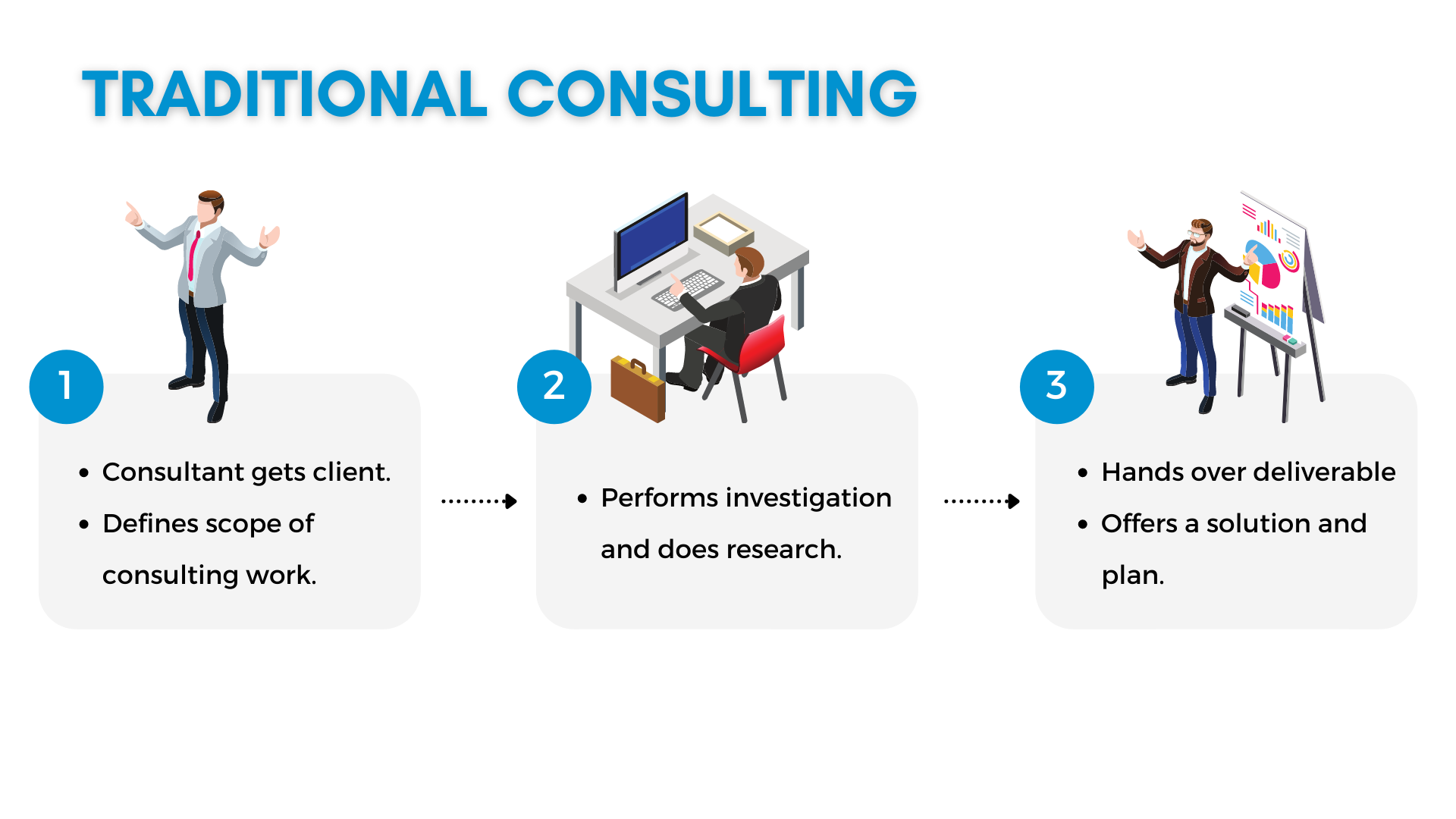
The scope of work typically involves three phases: discovery, where you analyze the current state of the business; recommendation, where you provide a strategic roadmap; and implementation, where you may assist in executing those changes. In 2026, the "implementation" phase has become more critical as small business owners often lack the internal bandwidth to execute complex strategies themselves.
Step 1: Identifying Your Niche and Expertise
The most common mistake new consultants make is trying to be everything to everyone. In a competitive market, specialization is your greatest asset. Small business owners look for experts who understand their specific industry’s "language" and unique pain points.
Functional Specialization
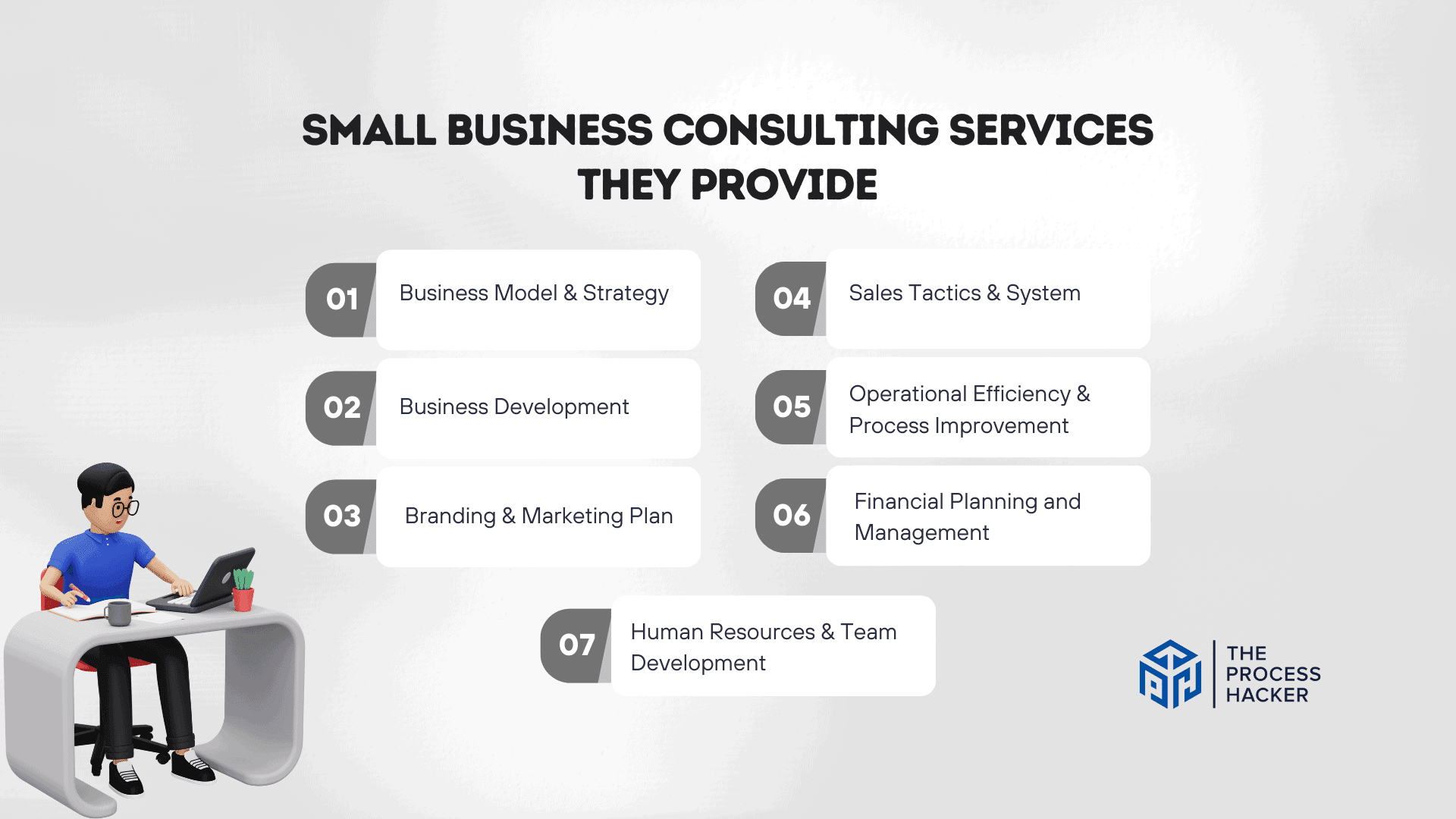
You might focus on a specific business function across various industries. Common areas include:
- Financial Consulting: Cash flow management, tax planning, and fractional CFO services.
- Marketing and Growth: SEO, social media strategy, and customer acquisition funnels.
- Operational Efficiency: Supply chain optimization, automation of manual tasks, and Lean methodologies.
- Human Resources: Culture building, remote team management, and compliance with 2026 labor laws.
Industry-Specific Specialization
Alternatively, you can focus on a specific sector. For example, a consultant who specializes in the specialized logistics of "farm-to-table" restaurant chains has a much higher perceived value than a generic business coach. By narrowing your focus, you can develop proprietary frameworks that allow you to solve problems faster and more effectively than a generalist could.
Step 2: Legal and Operational Foundation
Before taking on your first client, you must treat your consultancy like the professional business it is. This involves legal registration, financial setup, and securing the necessary protections.
Business Structure and Registration
Most independent consultants choose to form a Limited Liability Company (LLC) or an S-Corp. This provides a layer of protection for personal assets and offers potential tax advantages. You will need to obtain an Employer Identification Number (EIN) from the Internal Revenue Service (IRS) to open a business bank account and handle tax filings.
Professional Liability Insurance
In 2026, professional liability insurance—often called Errors and Omissions (E&O) insurance—is non-negotiable. If a client claims your advice led to a financial loss, this coverage protects you against legal fees and settlements. General liability insurance is also recommended if you plan to visit client sites physically.
The Consultant’s Tech Stack
Efficiency is your profit margin. A modern consultancy requires a streamlined set of tools:
- Customer Relationship Management (CRM): To track leads and client interactions.
- Project Management: Tools like Asana or Monday.com to manage deliverables.
- Financial Software: Platforms like QuickBooks or FreshBooks for invoicing and expense tracking.
- Communication: Secure video conferencing and asynchronous messaging platforms.
Step 3: Developing Service Packages and Pricing
Pricing is often the most difficult hurdle for new consultants. In 2026, the trend has shifted away from purely hourly billing toward value-based pricing and fixed-fee project bundles. Small business owners prefer predictability in their expenses.
| Pricing Model | Description | Best For | Pros/Cons |
|---|---|---|---|
| Hourly Rate | Billing for the exact time spent on a task. | Short-term troubleshooting or ad-hoc advice. | Simple to track; however, it penalizes efficiency. |
| Project-Based | A flat fee for a specific deliverable (e.g., a 3-month marketing plan). | Clearly defined goals and timelines. | Predictable for the client; requires strict "scope creep" management. |
| Retainer | A recurring monthly fee for ongoing access or support. | Long-term advisory roles or fractional leadership. | Provides steady cash flow; can lead to "always-on" expectations. |
| Value-Based | Pricing based on the projected financial impact for the client. | High-stakes strategy and revenue growth. | Highest earning potential; requires proof of performance and trust. |
Creating Your "Offer"
Instead of saying "I provide consulting," create specific products. For example: "The 30-Day Operational Audit" or "The Small Business Scale-Up Framework." These packages make it easier for a business owner to understand exactly what they are buying and what result they should expect.
Step 4: Building Authority and Client Acquisition
You cannot rely on job boards for high-quality consulting engagements. You must build an "authority engine" that attracts clients to you.
Thought Leadership and Content
In 2026, clients vet consultants by their online footprint. Regularly publishing insights on platforms like LinkedIn or a dedicated professional blog establishes your expertise. Focus on solving small problems for free through your content to prove you can solve big problems for a fee.
Networking and Referrals
The Small Business Administration (SBA) and local Chambers of Commerce remain vital for networking. However, digital networking through niche-specific Slack communities or industry forums often yields faster results. Once you land your first few clients, implement a formal referral program. A testimonial from a peer is the most powerful marketing tool in the small business world.
Step 5: Delivering Results and Managing the Engagement
The success of your consultancy depends on your ability to manage expectations and deliver measurable outcomes.
The Onboarding Process
A professional onboarding experience sets the tone. This includes a signed contract, a clear "Statement of Work" (SOW), and an initial kickoff meeting. Use this time to define what "success" looks like in quantifiable terms—whether it’s a 10% reduction in overhead or a 20% increase in lead conversion.
Reporting and Feedback Loops
Small business owners are often stressed and stretched thin. Regular, concise reporting is essential. Provide bi-weekly or monthly updates that highlight progress against the agreed-upon KPIs (Key Performance Indicators). If a project hits a snag, be transparent immediately and provide a solution-oriented path forward.
Common Pitfalls to Avoid
Even experienced professionals can struggle when transitioning to small business consulting. Avoid these common mistakes:
- Underpricing: New consultants often set their rates too low, forgetting they must cover their own taxes, insurance, and overhead.
- Scope Creep: Doing "just one more thing" for a client without charging for it can quickly erode your profitability.
- Ignoring Marketing When Busy: Many consultants stop marketing once they have a full roster, leading to a "feast or famine" cycle.
- Over-complicating Solutions: Small businesses need practical, implementable steps, not 50-page theoretical slide decks.
Frequently Asked Questions
Do I need a specific certification to be a small business consultant?
There is no legal requirement for a specific license to call yourself a "business consultant." However, certifications like the Certified Management Consultant (CMC) or industry-specific credentials (such as a CPA for financial consulting) can significantly boost your credibility and justify higher rates.
How much can a small business consultant earn in 2026?
Earnings vary wildly based on niche and experience. Junior consultants might earn between $75,000 and $120,000 annually, while specialized consultants with established reputations can exceed $250,000 by leveraging high-value retainers and performance-based bonuses.
Can I start a consulting business while still working a full-time job?
Yes, many consultants begin "fractionally" by taking on one client during evenings or weekends. This allows you to test your methodology and build a portfolio before leaving the security of a full-time salary. Just ensure you are not in violation of any non-compete agreements with your current employer.
What is the best way to get my very first client?
The fastest path is often your existing network. Reach out to former colleagues, vendors, or local business owners and offer a "Strategy Audit" at a discounted introductory rate in exchange for a testimonial. This lowers the barrier to entry for the client while helping you build your initial case study.
How do I handle clients who don't follow my advice?
As a consultant, you provide the map, but the client drives the car. If a client consistently ignores your recommendations, it’s important to document your advice and its intended outcome. If the relationship becomes unproductive, it may be necessary to terminate the engagement to protect your reputation and professional sanity.
Next Actions for Aspiring Consultants
To begin your journey as a small business consultant, your first action should be a skills audit. List your top three professional accomplishments from the last five years and identify the specific problem you solved in each. This exercise will help you identify your natural niche. Once identified, draft a simple one-page service offering and reach out to three people in your network for feedback. Formalize your legal structure only after you have validated that there is a market demand for your specific brand of expertise.
Image Gallery