Why the New Verse of "it’s a small world" Matters for Learners
The new verse of "it’s a small world" matters for learners because it modernizes the message of global unity to include contemporary values of accessibility, inclusion, and diverse representation. For language and social-emotional lear...
The new verse of "it’s a small world" matters for learners because it modernizes the message of global unity to include contemporary values of accessibility, inclusion, and diverse representation. For language and social-emotional learners, it provides a refreshed framework that emphasizes shared human experience while acknowledging individual differences through inclusive imagery and updated lyrical themes.
Contents
Originally composed by the Sherman Brothers for the 1964-1965 New York World’s Fair, "it’s a small world" has long served as a fundamental tool for early childhood education and language acquisition. However, as the global understanding of "unity" evolved, the attraction underwent significant updates in late 2022 and 2023, which by 2026 have become central to how the ride is perceived as an educational resource. These updates—specifically the integration of a "new verse" in spirit and the addition of characters with visible disabilities—transform the attraction from a historical curiosity into a vibrant, modern pedagogical tool.
The Evolution of a Global Anthem: From 1964 to 2026
To understand why the new verse and its associated updates matter, one must look at the historical trajectory of the attraction. When Walt Disney commissioned Richard and Robert Sherman to write a song that could be translated into multiple languages and sung in a round, the primary goal was to promote peace during the height of the Cold War. The result was a simple, repetitive melody that became one of the most performed songs in history.
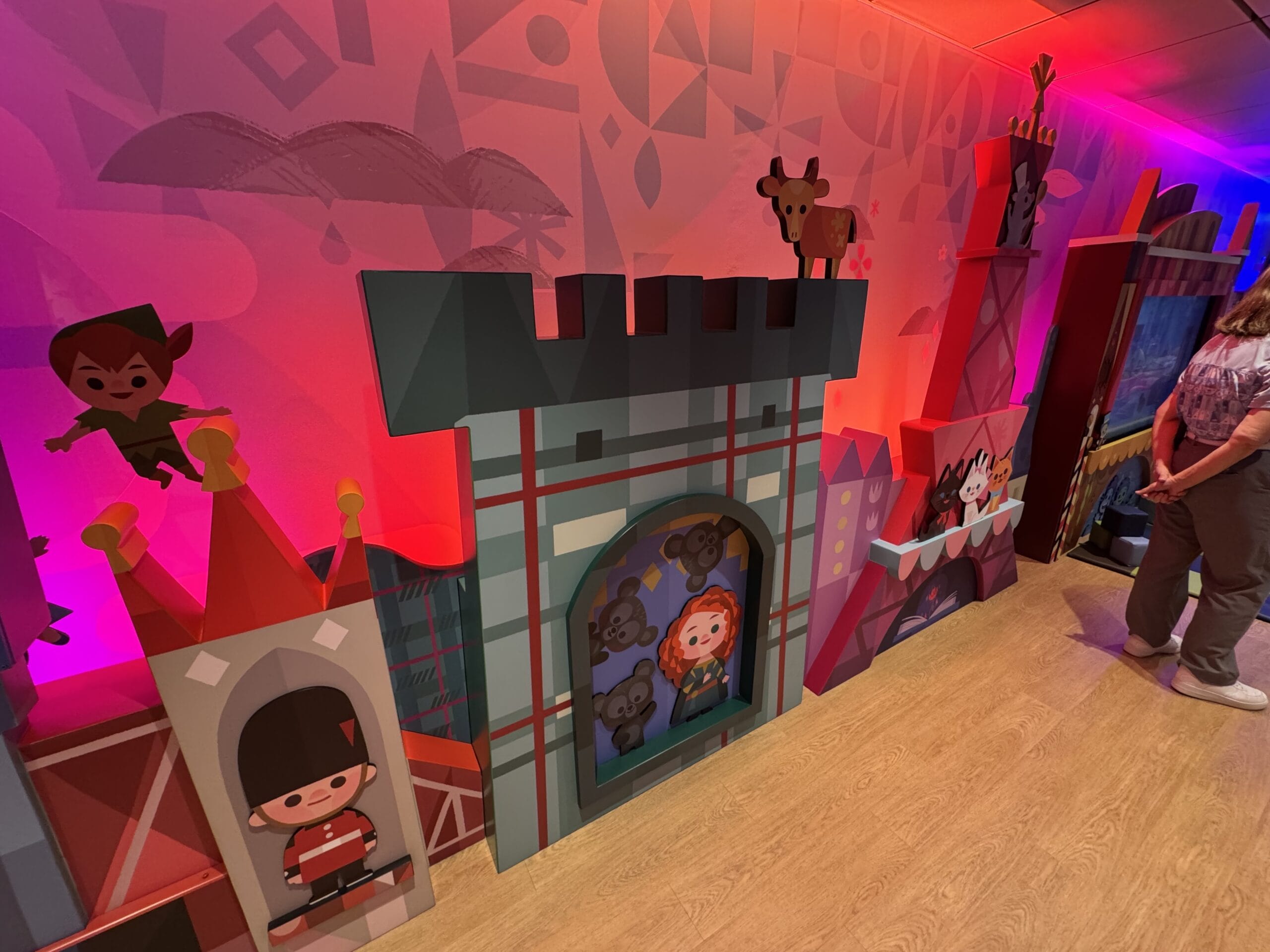
By 2026, the "new verse" of the attraction is not just a set of lyrics, but a shift in the narrative arc of the experience. The updates introduced dolls in wheelchairs and updated sign language sequences, which effectively function as a "visual verse" of inclusivity. For learners, this shift represents a move from a "melting pot" philosophy—where everyone is the same—to a "mosaic" philosophy, where differences are visible, celebrated, and integrated into the whole.
This evolution is critical for modern learners who are growing up in a world that prioritizes equity. When a child observes a character in a wheelchair integrated into the iconic finale, the lesson transcends the simple lyrics of "a world of laughter, a world of tears." It teaches that "the world" includes everyone, a nuance that was less explicitly represented in the original 1964 iteration.
Linguistic Benefits for Language Learners
The simplicity of "it’s a small world" has always been its greatest strength in the field of English Language Learning (ELL) and English as a Second Language (ESL). The new verse continues this tradition of linguistic accessibility while introducing modern thematic vocabulary.
Repetition and Phonetic Clarity
For learners, particularly those in early childhood, the repetitive structure of the song aids in phonemic awareness. The song uses a limited vocabulary of high-frequency words—sun, moon, smile, friendship, share—which are essential for foundational literacy. The "new verse" updates maintain this simplicity, ensuring that the cognitive load remains low while the emotional impact remains high.
Cross-Cultural Vocabulary
The song is traditionally performed in several languages, including English, Spanish, French, Italian, and Japanese. For learners, the addition of new cultural markers within the attraction provides a springboard for discussing geography and linguistics. The music serves as a "mnemonic device," helping students retain the cadence of different languages. By 2026, educators are using these various versions to teach "Global Basic English," a version of the language designed to be understood by non-native speakers worldwide.
Social-Emotional Learning (SEL) and Empathy
In the 2026 educational landscape, Social-Emotional Learning (SEL) is a cornerstone of the curriculum. The new verse of "it’s a small world" aligns perfectly with SEL goals, specifically in the areas of social awareness and relationship skills.
Perspective-Taking
The attraction encourages learners to practice perspective-taking—the ability to understand a situation from another person’s point of view. By showing children from various nations engaging in similar activities (playing music, dancing, caring for animals), the song reinforces the concept of "common humanity." The updated verse deepens this by including children with different physical abilities, forcing the learner to expand their definition of "commonality" to include diverse physical experiences.
The Psychology of Music in Learning
Music has a unique ability to bypass the analytical brain and connect directly with the emotional centers. Studies in music therapy have shown that simple, harmonious melodies like "it’s a small world" can reduce anxiety and create a "safe" environment for learning. For learners who may feel overwhelmed by the complexities of global politics or social issues, the song provides a manageable, optimistic entry point into the conversation about world peace and cooperation.
Visual Literacy and Inclusive Representation
The "new verse" of the attraction is as much about what is seen as what is heard. The 2022-2023 updates that added dolls in wheelchairs at Disneyland, Walt Disney World, and Disneyland Paris were a watershed moment for inclusive education.
Breaking the "Invisible" Barrier
For many years, learners with disabilities rarely saw themselves reflected in "idealized" representations of childhood. The addition of these dolls matters because it validates the existence of millions of children globally. In an educational context, this is known as "mirrors and windows"—the idea that children need "mirrors" to see themselves and "windows" to see the lives of others.
Teaching Accessibility as a Default
By 2026, the presence of these inclusive dolls is no longer viewed as a "special feature" but as a standard representation of reality. This helps learners develop a "default" mindset of accessibility. When children see a doll in a wheelchair participating in the same grand finale as every other doll, they learn that accessibility is not an "add-on," but a fundamental component of a functional society.
Comparison: The Original vs. The Modern Educational Framework
The following table highlights how the themes of "it’s a small world" have transitioned from their original 1964 intent to the modern 2026 educational application.
| Educational Theme | Original 1964 Intent | Modern 2026 Application |
|---|---|---|
| Global Unity | Focus on peace during the Cold War. | Focus on global citizenship and cooperation. |
| Inclusivity | Represented through traditional dress/costume. | Represented through diverse physical abilities and neurodiversity. |
| Language Acquisition | Simple translation of a single message. | Multilingualism and "Global Basic English" mastery. |
| Social Responsibility | Awareness of other nations. | Active empathy and environmental/social stewardship. |
| Media Literacy | Acceptance of a "static" cultural representation. | Analysis of how cultural stories evolve over time. |
Practical Applications for Educators and Parents
The updated version of "it’s a small world" provides several actionable opportunities for those teaching young learners.
- Comparative Analysis: Educators can play the original 1964 recordings alongside the modern 2026 park audio. This allows older students to discuss how society’s values have changed and why the addition of the "new verse" or inclusive dolls was necessary.
- Sign Language Integration: Since the attraction now features dolls using sign language, it provides an excellent segue into teaching basic ASL (American Sign Language) or BSL (British Sign Language) to students. This promotes "Total Communication" and respect for the D/deaf community.
- Geography and Culture Projects: The "small world" map serves as a primary resource for introducing the seven continents. Learners can "travel" through the ride virtually or through photos, identifying the specific landmarks and musical instruments associated with each region.
- Lyric Rewriting: A powerful SEL exercise involves asking learners to write their own "new verse." What would they add to the song today? This encourages them to think about what values are most important to them in their local and global communities.
Addressing the "Stuck in Your Head" Factor
A common critique of the song is its "earworm" quality. However, from a neurological perspective, this is a benefit for learners. The "stuck-in-your-head" nature of the melody is a result of its "melodic rhythm," which mirrors the natural cadence of human speech. This makes the lyrics virtually impossible to forget, ensuring that the core message of the song—universal friendship—remains a permanent part of the learner’s cognitive landscape.
In the context of 2026, where digital distractions are at an all-time high, having a piece of "sticky" educational content is invaluable. The song serves as a mental anchor, a simple truth that learners can return to when the world feels increasingly complex and divided.
Frequently Asked Questions
What exactly is the "new verse" added to the song?
While the core chorus remains the same, the "new verse" refers to the updated lyrical arrangements and the "Finale Verse" that emphasizes shared responsibility and modern unity. In some park versions, this includes specific translations that weren't present in the 1964 original, as well as the visual "verse" of inclusive representation through new doll designs.
Why did Disney wait until 2022 to add dolls in wheelchairs?
The updates were part of a broader corporate initiative known as "Reimagining Tomorrow," which aimed to update classic attractions to better reflect the diversity of the modern world. By 2026, these changes are considered essential updates that keep the attraction's message of "universal friendship" authentic and relevant.
How does the song help with neurodivergent learners?
The predictable rhythm and repetitive nature of the song can be soothing for neurodivergent learners, including those on the autism spectrum. The clear, bright colors of the attraction (designed by Mary Blair) and the consistent tempo of the music provide a structured sensory experience that can facilitate learning in a non-threatening way.
Is the message of the song still relevant in 2026?
Yes. Despite the rise of global tensions and digital borders, the fundamental message that "it’s a small world after all" remains a vital lesson in human interconnectedness. For learners, it provides a counter-narrative to isolationism, promoting the idea that our shared needs (laughter, tears, friendship) far outweigh our geographical or political differences.
A Final Word for Educators
The new verse of "it’s a small world" is more than just a musical update; it is a commitment to an evolving educational philosophy. By acknowledging that the world is small and diverse, the attraction provides learners with a realistic yet optimistic view of the human family. Educators should leverage this "living document" to teach that while the world may be small, our capacity for inclusion and understanding must always continue to grow.
Image Gallery