Olympic Athlete Age Limits and International Federation Rules for 2026
The International Olympic Committee (IOC) does not set a universal age limit for participation in the Olympic Games. Instead, eligibility is determined by the specific International Federation (IF) governing each sport. While the Olymp...
The International Olympic Committee (IOC) does not set a universal age limit for participation in the Olympic Games. Instead, eligibility is determined by the specific International Federation (IF) governing each sport. While the Olympic Charter allows for age restrictions to ensure athlete safety and fair competition, requirements vary significantly between disciplines like gymnastics, boxing, and skateboarding.
Contents
The Regulatory Framework: Rule 42 of the Olympic Charter
To understand how age limits are applied, one must first look at the governing document of the Olympic movement. As of 2026, Rule 42 of the Olympic Charter remains the primary authority on athlete eligibility. It states that there may be no age limit for competitors in the Olympic Games other than as prescribed in the competition rules of an International Federation (IF), provided these rules are approved by the IOC Executive Board.
This decentralization of authority acknowledges that the physical and psychological demands of marathon running are vastly different from those of target shooting or breakdancing. The IOC acts as an oversight body, but the technical expertise regarding when an athlete is "ready" or "at risk" lies with the federations. These federations must balance the pursuit of peak human performance with the ethical responsibility to protect minors from exploitation and long-term physical injury.
Why International Federations Impose Age Minimums
The implementation of age floors is rarely arbitrary. Federations typically cite three primary reasons for establishing minimum age requirements:
- Physical Safety and Development: In high-impact sports like gymnastics or diving, the risk of growth-plate injuries and chronic skeletal issues is high. Setting a minimum age ensures that athletes have reached a baseline of biological maturity.
- Psychological Maturity: The "Olympic stage" brings immense pressure, global media scrutiny, and commercial expectations. Younger athletes may lack the coping mechanisms to handle the mental health challenges associated with elite competition.
- Preventing Specialization Burnout: By delaying entry into senior-level international competition, federations hope to discourage extreme early specialization, which often leads to premature retirement and physical burnout before an athlete reaches adulthood.
Sport-Specific Age Requirements for 2026
Because each federation operates independently, the landscape of age requirements is a patchwork of different standards. Below is a detailed look at how major sports handle these limits.
Gymnastics (FIG)
The Fédération Internationale de Gymnastique (FIG) maintains some of the most well-known age restrictions. To compete in the Olympic Games, a gymnast must be at least 16 years old or turn 16 within the calendar year of the event. This rule was famously adjusted in 1997 (raising the limit from 15 to 16) to protect younger athletes from the skeletal stress of elite training and to address concerns regarding the "child-like" aesthetic that had begun to dominate the sport.
Boxing (IBA)
Boxing is unique because it enforces both a minimum and a maximum age limit. According to International Boxing Association (IBA) standards, Olympic boxers must be at least 18 years old. Furthermore, there is an upper limit of 40 years. These rules are strictly health-based; the risk of neurological damage increases significantly for those whose brains are still developing and for older athletes whose recovery times and reflexes have slowed.
Football/Soccer (FIFA)
The rules for Olympic football are perhaps the most complex due to a long-standing agreement between FIFA and the IOC. For the men’s tournament, squads are primarily restricted to Under-23 (U23) players. However, each team is allowed to name three "overage" players to provide leadership and experience. For the women’s tournament, there is no age limit, allowing the full senior national teams to compete. This distinction exists primarily to prevent the Olympic men's tournament from competing directly with the prestige of the FIFA World Cup.
Aquatics and Diving (World Aquatics)
World Aquatics (formerly FINA) sets the minimum age for Olympic diving at 14 years old by the time of the competition. For swimming, there is no hard universal minimum set by the federation for the Olympics, though many national governing bodies set their own internal standards for qualifying trials.
Figure Skating (ISU)
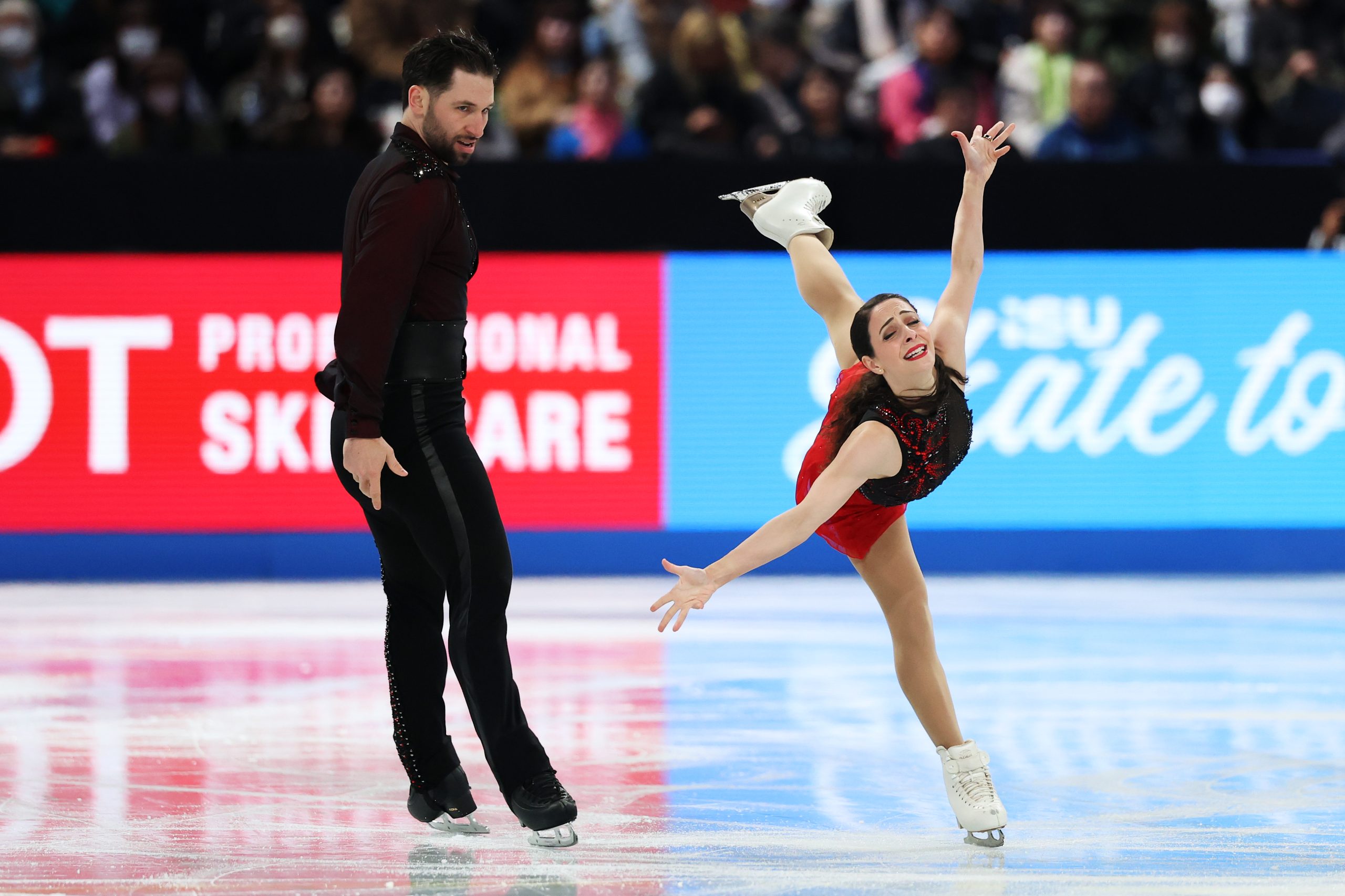
While primarily a Winter Olympic concern, the International Skating Union (ISU) recently enacted a landmark change that influences the entire Olympic movement's approach to age. Following controversies in 2022, the ISU voted to raise the minimum age for senior competition to 17 years old, a transition that is fully realized in the 2025–2026 season. This move was specifically designed to protect the "physical and mental health, and emotional well-being" of skaters.
Comparison of Age Limits by Olympic Sport
The following table outlines the current age requirements for various disciplines as governed by their respective federations for the 2026 period.
| Sport | Governing Federation | Minimum Age | Maximum Age | Notes |
|---|---|---|---|---|
| Gymnastics | FIG | 16 | None | Must turn 16 in the calendar year. |
| Boxing | IBA | 18 | 40 | Limits are strictly for safety/neurological health. |
| Football (Men) | FIFA | None (U23) | 23* | *3 overage players allowed per squad. |
| Diving | World Aquatics | 14 | None | Focus on spinal and joint maturity. |
| Equestrian | FEI | 18 | None | 18 for Jumping/Dressage; 16 for Eventing. |
| Skateboarding | World Skate | No Limit | None | Encourages youth participation; see "Prodigy Clause." |
| Marathon | World Athletics | 18 | None | Focus on cardiovascular and bone density safety. |
| Table Tennis | ITTF | No Limit | None | Focus on skill and reflex rather than physical impact. |
The "Prodigy" Sports: Skateboarding and Surfing
In contrast to the strict limits in boxing or gymnastics, newer Olympic additions like skateboarding and surfing have essentially no age minimum. In recent cycles, we have seen medalists as young as 12 and 13. World Skate, the governing body for skateboarding, argues that since the sport is not based on physical contact or extreme skeletal loading in the same way as other sports, age is a less critical factor than technical skill. However, this has sparked ongoing debates within the IOC about whether a "floor" should be established to ensure these young athletes are not being deprived of a standard childhood or education.
Legal and Ethical Challenges to Federation Rules
The imposition of age limits is not without legal controversy. Athletes who are "too young" or "too old" have occasionally challenged these rules in the Court of Arbitration for Sport (CAS).
The "Restraint of Trade" Argument
Some legal experts argue that age limits constitute a restraint of trade, preventing an individual from earning a living or pursuing their profession based on an arbitrary chronological number rather than their actual ability. However, CAS has generally upheld federation rules, provided the federation can prove the limit is "proportionate" and serves a legitimate goal, such as athlete safety or the integrity of the sport.
Verification and Document Fraud
A recurring issue for federations is the verification of ages. In sports with strict minimums, there have been historical instances of "age-shaving," where national federations allegedly falsified birth certificates to allow younger, more flexible athletes to compete. As of 2026, the IOC and IFs use more rigorous biometric and database-driven tracking to ensure that the athlete’s "sporting age" matches their legal age.
How to Verify Eligibility for a Specific Sport
If you are an athlete or coach looking to verify Olympic eligibility requirements for the 2028 Los Angeles Games or subsequent events, follow these steps:
- Identify the International Federation: You must look at the IF, not just your local national club. For example, if you are a wrestler, you look at United World Wrestling (UWW).
- Consult the Technical Regulations: Every IF publishes a "Technical Regulations" or "Statutes" document. Look specifically for sections labeled "Classification," "Eligibility," or "Age Categories."
- Check the "Calendar Year" Clause: Determine if the age is required by the day of the event or if you simply need to turn that age by December 31st of the Olympic year.
- Review National Governing Body (NGB) Standards: Sometimes, a national body (like USA Swimming or British Gymnastics) may have stricter requirements for their own Olympic Trials than the International Federation requires for the Games themselves.
Frequently Asked Questions
What is the youngest an athlete can be in the Olympics?
Technically, there is no Olympic-wide minimum. If a sport like skateboarding or table tennis has no federation-mandated limit, an athlete of any age can compete if they qualify. The youngest documented Olympian was Dimitrios Loundras, who competed in gymnastics in 1896 at age 10, though modern rules make this nearly impossible in most disciplines today.
Can an athlete be "too old" for the Olympics?
Only in specific sports. Boxing has a maximum age of 40. Most other sports, including equestrian, shooting, and archery, have no upper limit. For example, equestrian athletes often compete well into their 60s or 70s.
Why does men's football have an age limit but the women's tournament doesn't?
This is a result of a decades-old negotiation between FIFA and the IOC. FIFA wants to protect the exclusivity and commercial value of the Men's World Cup. By making the Olympics a U23 tournament for men, they ensure the World Cup remains the "ultimate" prize. There was less historical commercial pressure on the women's side, allowing the Olympics to serve as a major senior championship.
How did the Valieva case change age rules?
The controversy surrounding Kamila Valieva at the 2022 Winter Games, where a 15-year-old was at the center of a doping and mental health crisis, was the direct catalyst for the International Skating Union (ISU) raising its minimum age to 17. It prompted a wider discussion across all IFs about the "Protected Person" status in the World Anti-Doping Code and whether minors should be subjected to that level of pressure.
Does the IOC ever override a Federation's age rule?
The IOC Executive Board must approve the rules set by the Federations. While they rarely "override" a rule, they can pressure a federation to change its rules if they believe the current standards are causing reputational damage to the Olympic movement or failing to protect athlete welfare.
Final Recommendation for Athletes and Coaches
For those navigating the path to the Olympics, the most critical action is to maintain a "Sporting Passport" or registered profile with your International Federation early in your career. Because rules regarding age and eligibility are subject to change after each Olympic cycle, athletes should review the official technical bulletins of their respective IFs at the start of every quadrennial to ensure they remain on the correct developmental and competitive track.
Image Gallery