Comprehensive Guide to Managing a Death in Texas: Legal Requirements and Procedures
When a death occurs in Texas, the surviving family or legal representatives must navigate a specific set of administrative, legal, and financial obligations mandated by state law. This process involves securing a medical certification...
When a death occurs in Texas, the surviving family or legal representatives must navigate a specific set of administrative, legal, and financial obligations mandated by state law. This process involves securing a medical certification of death, filing a death certificate with the local registrar within ten days, and initiating the probate process through the Texas Estates Code to settle the decedent’s affairs and transfer property.
Contents
Navigating the aftermath of a loss involves more than just emotional processing; it requires a systematic approach to Texas’s unique legal landscape. From the role of the Justice of the Peace in rural counties to the streamlined "Independent Administration" of estates, understanding the state-specific protocols ensures that the decedent’s wishes are honored and legal liabilities are minimized.
Immediate Steps: Reporting and Certification
The first legal requirement following a death in Texas is the formal pronouncement and certification of the death. The procedure differs slightly depending on where the death occurred and whether it was expected.
Medical Certification of Death
Texas law requires a medical certification to be completed and signed by the attending physician, a medical examiner, or a justice of the peace. Under the Texas Health and Safety Code, this certification must generally be completed within five days of the death. If the person died at home under hospice care, the hospice nurse can usually facilitate this. If the death was unexpected or occurred without a physician present, the local police or emergency services must be notified.
The Role of the Medical Examiner and Justice of the Peace
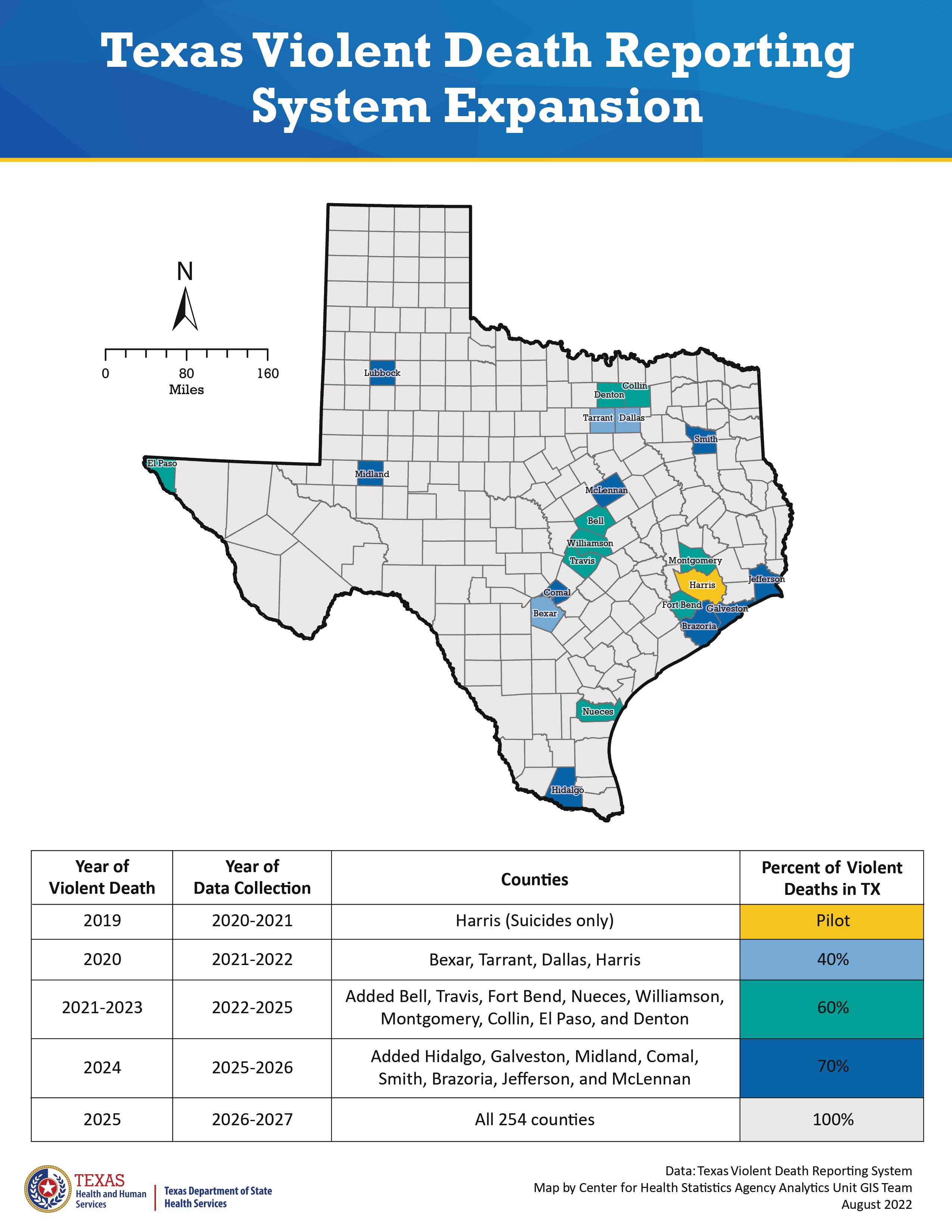
Texas utilizes a dual system for investigating deaths. In larger metropolitan counties (such as Harris, Dallas, or Tarrant), a Medical Examiner’s office handles forensic investigations. In many rural counties, a Justice of the Peace serves the role of the coroner. They are responsible for conducting an inquest into the cause of death if it occurred under suspicious circumstances, was a homicide, suicide, or if the individual was not under the care of a physician. Understanding who has jurisdiction is critical because the death certificate cannot be finalized until this official signs off on the cause of death.
Securing the Texas Death Certificate
The death certificate is the primary legal document required to close bank accounts, claim life insurance, and initiate probate. In Texas, the funeral director or the person acting as such is responsible for filing the death certificate with the local registrar in the district where the death occurred.
Filing Timelines and the Texas Electronic Registrar (TER)
The death certificate must be filed electronically through the Texas Electronic Registrar (TER) or the newer TxEVER system within ten days of the date of death. This system links healthcare providers, funeral homes, and local registrars to ensure data accuracy. As of 2026, the state has fully integrated these digital systems to reduce the delay in issuing certified copies.
Costs and Ordering Copies
While the initial filing is a statutory requirement, obtaining certified copies incurs fees. In 2026, the standard fee for the first certified copy of a Texas death certificate is $21.00, with each additional copy ordered at the same time costing $4.00. It is generally recommended to order at least 10 to 15 copies, as original certified copies are typically required by:
- The Social Security Administration
- Life insurance companies
- The Texas Department of Public Safety (for driver’s license cancellation)
- Financial institutions and investment firms
- The County Clerk (for real estate transfers)
Funeral and Disposition Laws in Texas
Texas law provides residents with significant flexibility regarding funeral arrangements, but there are specific health and safety regulations that must be followed.
The Right to Control Disposition
Under Texas Health and Safety Code Section 711.002, a person can designate an agent to control the disposition of their remains via a written, signed, and notarized instrument. If no such designation exists, the priority follows a legal hierarchy: the surviving spouse, followed by adult children, then parents, and then siblings.
Embalming and Refrigeration
Contrary to popular belief, Texas law does not strictly require embalming in all cases. However, if a body is not buried or cremated within 24 hours, it must be either embalmed or refrigerated. Most funeral homes have policies requiring embalming for public viewings to manage public health concerns and the appearance of the deceased.
Cremation Requirements
In Texas, a body cannot be cremated within the first 48 hours following death unless a waiver is granted by a Justice of the Peace or a Medical Examiner. This waiting period is designed to allow for any necessary criminal investigations that would be impossible after cremation. Additionally, a cremation authorization form must be signed by the person with the legal right to control disposition.
Navigating the Texas Probate Process
Texas is known for having a relatively "probate-friendly" legal system compared to states like California or New York. The Texas Estates Code governs how a deceased person’s debts are paid and how their assets are distributed.
Independent Administration
The most common and efficient form of probate in Texas is Independent Administration. If a will specifically requests it, or if all beneficiaries agree to it, the executor can manage the estate with very little court supervision. This means the executor does not need to seek court approval for every bill paid or asset sold, which significantly reduces legal fees and delays.
Muniment of Title
If the deceased person had a valid will but the only real need for probate is to transfer title to real estate (and there are no unpaid debts other than those secured by liens on real estate), Texas offers a unique process called Muniment of Title. This is a simplified procedure where the court recognizes the will as a valid transfer of property without appointing an executor or requiring a full administration.
Small Estate Affidavits
For individuals who died without a will (intestate) and left an estate valued at less than $75,000 (excluding the homestead and exempt property), a Small Estate Affidavit may be used. This avoids the formal probate process entirely but requires the signatures of all heirs and two disinterested witnesses.
| Feature | Independent Administration | Muniment of Title | Small Estate Affidavit |
|---|---|---|---|
| Best For | Most estates with a Will | Transferring real estate only | Small estates with no Will |
| Court Oversight | Minimal after initial hearing | Minimal | Low |
| Executor Appointed | Yes | No | No |
| Debt Requirement | Can have debts | No debts (except mortgage) | Debts must be less than assets |
| Typical Duration | 6–12 months | 1–3 months | 1–4 months |
Notification Requirements and State-Specific Programs
Beyond the immediate legal filings, several state and federal agencies must be notified to prevent fraud and settle financial obligations.
Social Security Administration (SSA)
The funeral director will usually report the death to the SSA, but it is the responsibility of the family to ensure this has occurred. Any Social Security payments received in the month of death or later must generally be returned. Surviving spouses may be eligible for a one-time death benefit of $255.
Texas Department of Public Safety (DPS)
To prevent identity theft, the Texas DPS should be notified so they can cancel the decedent's driver's license or ID card. This can be done by mailing a copy of the death certificate to the DPS records department.
Medicaid Estate Recovery Program (MERP)
A critical and often overlooked aspect of "a death in Texas" involves MERP. If the deceased person was 55 or older and received Medicaid long-term care services (such as nursing home care), the state of Texas may file a claim against the estate to recover the costs paid. There are numerous exceptions to this, particularly if there is a surviving spouse, a child under 21, or an adult child who lived in the home and provided care that kept the decedent out of a nursing home.
Common Pitfalls and Troubleshooting
Errors in the early stages of the process can lead to significant legal hurdles later.
- Delaying Probate: Under the Texas Estates Code, a will must generally be filed for probate within four years of the date of death. If this deadline is missed, the will may be treated as invalid, and the estate will be distributed according to Texas's intestacy laws (the state's default "who gets what" rules).
- Improper Death Certificate Data: Ensure the decedent's social security number and legal name match their official records exactly. An error on the death certificate can stall the transfer of bank accounts and the sale of property for months while an amendment is processed through the Texas Department of State Health Services.
- Handling "Digital Assets": Texas has adopted the Revised Uniform Fiduciary Access to Digital Assets Act (RUFADAA). This allows executors to access email accounts and social media if the decedent granted permission in their will or through the platform's internal tools. Without this, accessing these accounts can be legally complex.
FAQ
How long do I have to file a death certificate in Texas?
In Texas, the death certificate must be filed with the local registrar within 10 days of the death. This is typically handled by the funeral director or the person in charge of the remains, using the TxEVER electronic system.
Can I handle a burial myself in Texas without a funeral director?
Yes, Texas law allows for "home burials" or the private disposition of remains, but you must still comply with all vital statistics laws. This includes filing the death certificate and obtaining a burial-transit permit if the body is moved across county lines. Local zoning laws and deed restrictions may also apply to burying a body on private property.
What happens if someone dies in Texas without a will?
If an individual dies without a will (intestate), their assets are distributed according to a strict formula defined in the Texas Estates Code. The distribution depends on whether the deceased was married, had children, and whether those children were with the surviving spouse. The state does not "take" the property unless no living relatives can be found.
Is a lawyer required for probate in Texas?
While Texas law does not explicitly require a lawyer for all probate matters, most constitutional county courts and statutory probate courts in Texas require an executor to be represented by a licensed attorney. This is because the executor owes a fiduciary duty to the beneficiaries and creditors, and representing the estate is considered practicing law on behalf of others.
How does the 48-hour cremation rule work?
Texas law prohibits cremation within the first 48 hours following the time of death recorded on the medical certification. This is a mandatory cooling-off period to ensure that the medical examiner or justice of the peace has sufficient time to investigate the cause of death if needed. A waiver can only be issued by a legal authority, typically in cases where the cause of death is clear and religious reasons necessitate a faster disposition.
Next Steps for Survivors
If you are responsible for an estate in Texas, your immediate priority should be obtaining multiple certified copies of the death certificate and locating the original will. If the estate includes real property or significant financial assets, consult with an attorney specializing in Texas probate law to determine if Independent Administration or a Muniment of Title is appropriate for your situation. Taking these steps within the first 30 days can prevent the complications of the four-year probate statute of limitations and protect the estate from unnecessary taxes or claims.
Disclaimer: This information is for educational purposes and does not constitute legal, financial, or professional advice. Texas laws are subject to legislative changes. For specific legal guidance regarding the Texas Estates Code or Vital Statistics, consult a licensed Texas attorney.
Image Gallery