Virginia State Police Local Structure: Divisions, Area Offices, and Public Services in 2026
The Virginia State Police (VSP) operates through a decentralized local structure comprising seven primary field divisions and numerous area offices strategically located across the Commonwealth. In 2026, these local offices provide ess...
The Virginia State Police (VSP) operates through a decentralized local structure comprising seven primary field divisions and numerous area offices strategically located across the Commonwealth. In 2026, these local offices provide essential public options including crash report requests, criminal background checks, sex offender registry updates, and specialized law enforcement support for Virginia’s 95 counties and 38 independent cities.
Contents
The Virginia State Police is a multi-faceted organization tasked with ensuring highway safety, conducting major criminal investigations, and maintaining statewide data systems. To manage a state with diverse geography—ranging from the urban corridors of Northern Virginia to the rural Appalachian mountains—the VSP utilizes a tiered organizational hierarchy. Understanding the local structure is essential for residents seeking administrative services or needing to contact specific law enforcement units.
The Three Pillars: VSP Bureau Organization
Before identifying a specific local office, it is necessary to understand which branch of the VSP manages various tasks. The agency is divided into three main bureaus, each with a distinct relationship to local communities.
- Bureau of Field Operations (BFO): This is the most visible branch, consisting of uniformed troopers. The BFO is responsible for patrolling highways, enforcing traffic laws, and assisting local law enforcement. The seven-division structure discussed in this article is primarily the framework of the BFO.
- Bureau of Criminal Investigation (BCI): This bureau focuses on specialized investigations, including narcotics, high-tech crimes, insurance fraud, and violent crimes. While BCI units are stationed within the same seven divisions, they operate with a different chain of command and focus on long-term investigative work rather than immediate patrol.
- Bureau of Administrative and Support Services (BASS): This bureau manages the central repositories for the Commonwealth, including the Firearms Transaction Center, the Central Criminal Records Exchange (CCRE), and the Virginia Sex Offender Registry. While these are headquartered in Richmond, local divisions act as conduits for many of these services.
The Seven-Division Structure of the Virginia State Police
As of 2026, the Commonwealth remains divided into seven administrative divisions. Each division is led by a Captain and serves as a regional hub for both patrol and investigative functions.
Division 1: Richmond (Central Virginia)
Headquartered in the state capital, Division 1 covers the core of Central Virginia. This region experiences some of the highest traffic volumes due to the intersection of Interstate 95 and Interstate 64. The local structure here focuses heavily on metropolitan traffic management and coordination with state government security.
Division 2: Culpeper (Northern Piedmont)
Division 2 serves the Northern Piedmont region, acting as a bridge between the rural central counties and the rapidly growing suburban areas south of Washington, D.C. This division manages traffic safety along major corridors like Route 29 and parts of Interstate 66.
Division 3: Appomattox (Southside Virginia)
Covering the expansive Southside region, Division 3 handles a significant amount of rural patrol. Because many counties in this area have smaller local sheriff’s offices, the VSP often plays a more prominent role in daily law enforcement activities and emergency response in this division.
Division 4: Wytheville (Southwest Virginia)
Division 4 is responsible for the mountainous Southwest portion of the state. This division faces unique challenges involving terrain, weather-related road closures on Interstate 77 and Interstate 81, and cross-border coordination with Tennessee, West Virginia, and North Carolina.
Division 5: Chesapeake (Tidewater/Hampton Roads)
Serving the coastal and Hampton Roads metropolitan areas, Division 5 manages high-density traffic and tunnel safety. This division also coordinates extensively with the Virginia Marine Resources Commission and various military installations regarding regional security.
Division 6: Salem (West Central Virginia)
Division 6 encompasses the Roanoke Valley and surrounding Allegany Highlands. Its primary focus is the Interstate 81 corridor, which is a major national artery for commercial trucking. Local offices in this division often prioritize commercial vehicle enforcement and mountain highway safety.
Division 7: Fairfax (Northern Virginia)
Division 7 is unique due to its high population density and the complexity of the Northern Virginia (NOVA) transportation network. Offices here manage the "Express Lanes" systems and work closely with federal authorities. It is often the most technologically integrated division within the VSP structure.
| Division | Headquarters Location | Primary Coverage Area | Key Highway Corridors |
|---|---|---|---|
| 1 | Richmond | Central Virginia | I-95, I-64, I-295 |
| 2 | Culpeper | Northern Piedmont | Route 29, Route 15 |
| 3 | Appomattox | Southside | Route 460, Route 58 |
| 4 | Wytheville | Southwest | I-81, I-77 |
| 5 | Chesapeake | Tidewater / Hampton Roads | I-64, I-264, I-664 |
| 6 | Salem | West Central / Roanoke | I-81, I-581 |
| 7 | Fairfax | Northern Virginia | I-495, I-66, I-95 |
Local Office Options: Area Offices and Facilities
Within each of the seven divisions, the VSP maintains smaller Area Offices. While a Division Headquarters serves as the administrative brain of a region, the Area Offices are the functional "local stations" where troopers are dispatched.
Area Offices
Each division typically contains 5 to 10 Area Offices. For example, Division 1 (Richmond) includes Area Offices in Ashland, Midlothian, and Warsaw. If a citizen needs to meet with a trooper regarding a non-emergency matter or a specific case, the Area Office is the most likely point of contact.
Public Options at Area Offices include:
- Meeting with a Trooper to provide statements or evidence.
- Reporting a non-emergency traffic incident that occurred on a state-maintained highway.
- Inquiring about local road conditions or safety initiatives.
Commercial Vehicle Enforcement (CVE) Facilities
The VSP operates several weigh stations and inspection facilities across the state. These are specialized "local" offices focused entirely on the regulation of heavy trucks and commercial buses. These facilities ensure that vehicles meet weight requirements and safety standards to prevent infrastructure damage and serious accidents.
Administrative Services and Public Record Options
The local structure of the VSP is also the primary gateway for residents to access state records. While many services have moved toward online portals in 2026, local offices still provide essential support for those who cannot navigate digital systems or require in-person verification.
Criminal History Record Information (CHRI)
The VSP is the sole provider of official Virginia criminal background checks. Individuals often need these for employment, adoption, or international travel (Apostilles).
- Form SP-167: Used by individuals to request their own record or by employers with the individual's consent.
- Form SP-230: Used by non-profit organizations for volunteer screening. While the Central Criminal Records Exchange (CCRE) in Richmond processes these, local division headquarters can often provide the necessary forms and guidance on the fingerprinting process.
Crash Reports (FR-300)
If the Virginia State Police investigated a traffic accident, the official record is known as an FR-300. In 2026, these reports are available via the VSP’s online portal, but they can also be requested via mail through the Richmond headquarters. Local offices do not typically print these reports on-demand for "walk-in" traffic due to privacy regulations and processing fees, but they can confirm if a report has been filed and provide the necessary report number for the request.
Sex Offender Registry (SOR) Inquiries
The Virginia State Police maintains the Sex Offender and Child Abuser Registry. Each division has a dedicated SOR coordinator. Local offices assist with the registration and re-registration of offenders, which is a critical component of community safety. Public users can access the registry online to search by zip code, name, or county.
Firearms Transaction Center (FTC) Options
Virginia has specific regulations regarding the sale and transfer of firearms. The VSP’s Firearms Transaction Center (FTC) manages the background checks performed at the point of sale.
- Concealed Handgun Permits (CHP): While the VSP maintains the database of CHP holders, the application process is handled by the Clerk of the Circuit Court in the county or city where the applicant resides. The VSP’s role is purely administrative and evaluative during the background check phase.
- Voluntary Do Not Sell List: Virginia law allows individuals to voluntarily add themselves to a list of persons prohibited from purchasing a firearm. This process is managed through the VSP website and supported by administrative staff at VSP headquarters.
Recruitment and Career Options
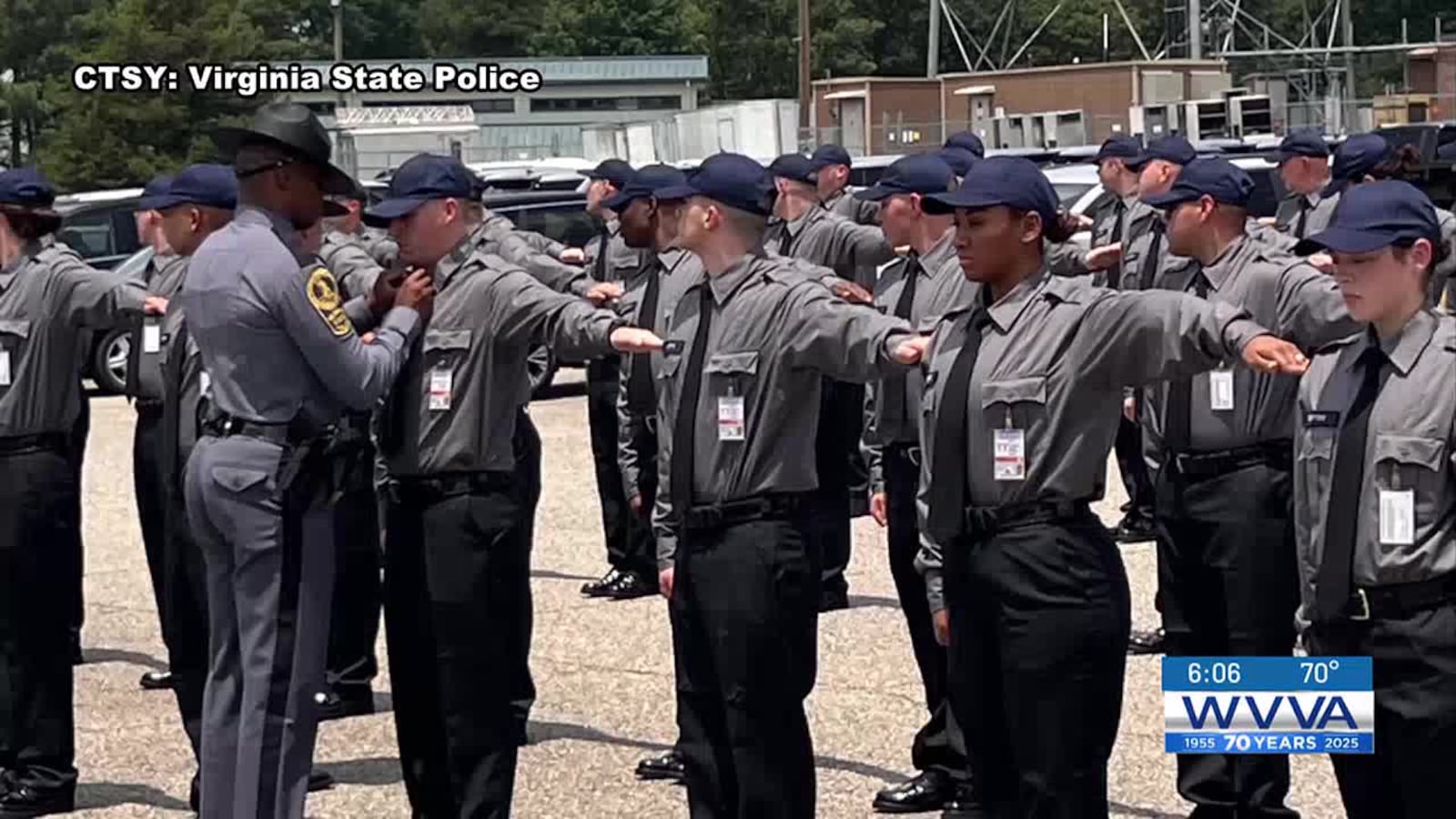
The local structure of the VSP also serves as the primary recruiting ground for new troopers. Each division has a dedicated Recruiter who assists applicants through the multi-stage process, which includes:
- Physical Health Assessment (PHA).
- Background Investigation.
- Polygraph Examination.
- Psychological and Medical Evaluation.
In 2026, the VSP continues to emphasize "geographic stability" options for new recruits, often allowing graduates of the Academy in Richmond to return to their home divisions, depending on the staffing needs of the Commonwealth.
Common Mistakes When Navigating VSP Structure
Understanding what the VSP does not do is just as important as understanding its structure.
- Local vs. State Jurisdiction: The VSP primarily handles state highways and rural areas. If a minor fender-bender occurs on a residential street within a city (like Alexandria or Virginia Beach), the local city police department is the correct point of contact, not the VSP.
- Vehicle Registration and Licensing: A common error is contacting the VSP for driver’s license or vehicle tag issues. These are handled exclusively by the Virginia Department of Motor Vehicles (DMV).
- Court Dates and Fines: The VSP issues citations, but they do not collect fines or manage court calendars. Those issues must be addressed with the General District Court of the jurisdiction where the citation was issued.
Frequently Asked Questions
How do I find the closest Virginia State Police office to my location?
You can use the interactive map on the official Virginia State Police website or search by "Area Office" and your county name. Division Headquarters are located in Richmond, Culpeper, Appomattox, Wytheville, Chesapeake, Salem, and Fairfax. These headquarters oversee the smaller Area Offices in their respective regions.
Can I get my fingerprints taken at any local VSP office?
Not all VSP offices offer public fingerprinting services. Most criminal background checks now use electronic "LiveScan" devices. It is recommended to contact your local Division Headquarters to see if they offer public fingerprinting or to find a third-party vendor approved by the Commonwealth for background check purposes.
Where do I go to renew my Concealed Handgun Permit?
You do not go to a VSP office to renew a Concealed Handgun Permit. You must file your renewal application with the Clerk of the Circuit Court in the city or county where you reside. The court then coordinates with the VSP to perform the necessary background check before issuing the permit.
How do I report a reckless driver on the interstate?
For immediate emergencies or dangerous driving in progress, dial #77 on your mobile phone in Virginia. This connects you directly to the nearest Virginia State Police dispatch center. This is a dedicated line for reporting cellular emergency calls related to highway safety.
Can I request a VSP trooper for a local community event?
Yes. The VSP participates in community outreach and safety presentations. Requests should be directed to the Public Information Officer (PIO) at the Division Headquarters serving your area. They can coordinate trooper attendance for school programs, safety fairs, or recruitment events.
Summary of Next Actions
For those needing to interact with the Virginia State Police local structure, the following steps are recommended:
- Identify the Jurisdiction: Determine if your needs fall under VSP jurisdiction (Interstates, state routes, or rural counties) or local municipal police jurisdiction.
- Locate the Division: Use the 2026 Division map to find which of the seven administrative regions you are in.
- Use Online Portals First: For crash reports, sex offender searches, or background check forms, visit the official VSP website as most administrative tasks are now handled digitally to save time and travel.
- Contact #77 for Roadside Issues: If you are on a Virginia highway and need assistance or need to report a hazard, use the #77 shortcut.
Image Gallery