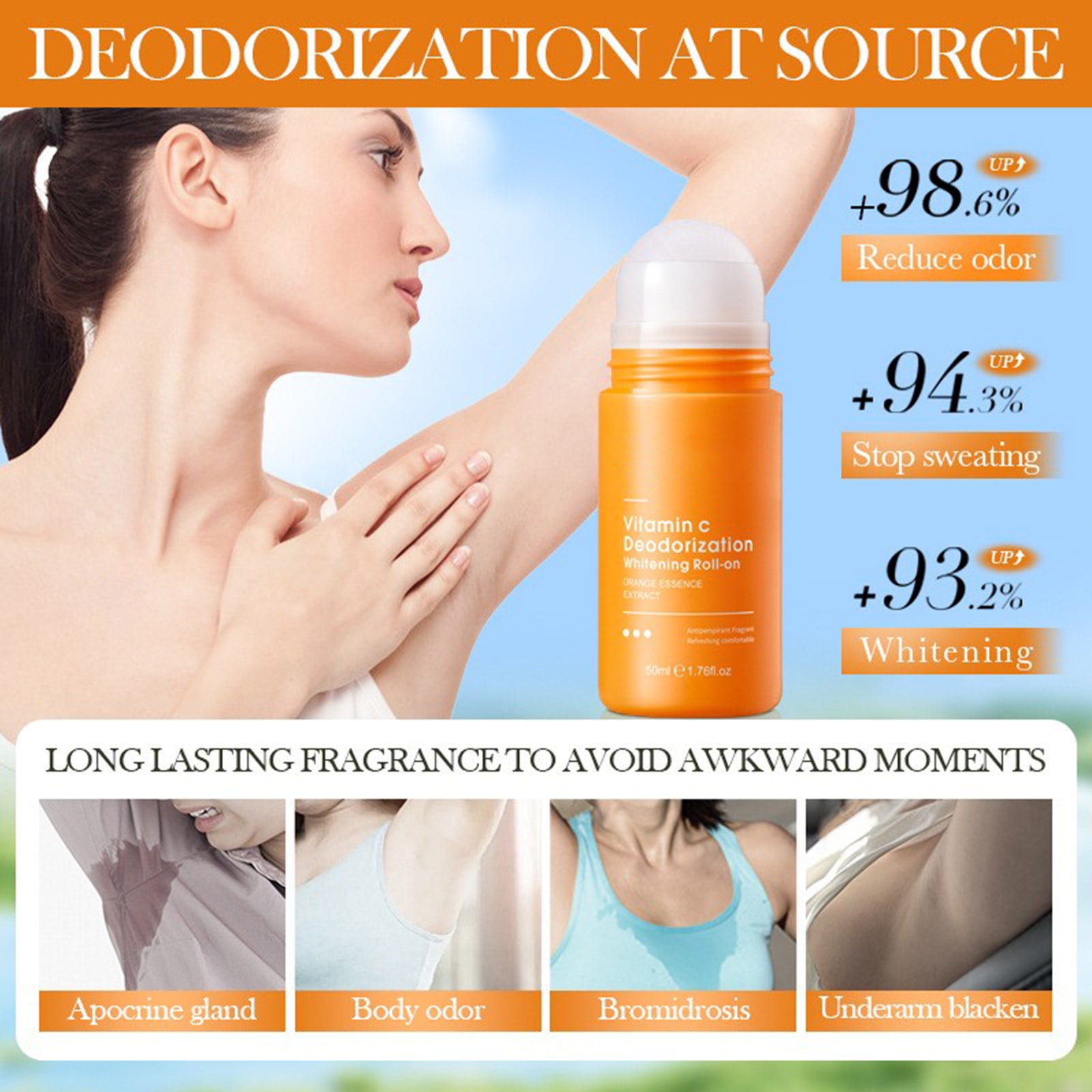
Antiperspirant Underarm Composition and Regulation: Chemistry, Efficacy, and Global Compliance Standards
Antiperspirants reduce underarm perspiration through aluminum-based active ingredients that temporarily plug eccrine sweat ducts. Classified as Over-the-Counter (OTC) drugs in the United States and cosmetics in the European Union, thei...
Antiperspirants reduce underarm perspiration through aluminum-based active ingredients that temporarily plug eccrine sweat ducts. Classified as Over-the-Counter (OTC) drugs in the United States and cosmetics in the European Union, their formulation, efficacy testing, and ingredient concentration limits are governed by strict regulatory frameworks to ensure consumer safety and performance compliance.
Contents
Understanding Underarm Antiperspirant Mechanism and Composition
Underarm antiperspirants operate through a combined chemical and physical mechanism designed to suppress the release of eccrine sweat. Unlike deodorants, which solely neutralize or mask odor produced by bacterial breakdown of apocrine sweat, antiperspirants actively reduce the volume of perspiration reaching the skin surface.
Active Ingredients: Aluminum-Based Compounds
The primary active agents in conventional antiperspirants are aluminum salts. When applied to the skin, these soluble acidic salts react with the higher pH environment of sweat and skin proteins within the distal terminal of the eccrine sweat duct. This reaction causes the aluminum complex to neutralize and precipitate, forming a temporary insoluble gel plug (an aluminum hydroxide polymer complex). This plug mechanically obstructs the sweat pore, temporarily blocking sweat flow until it naturally sheds through epidermal turnover.
The choice of active salt determines formulation aesthetics, skin compatibility, and antiperspirant potency:
- Aluminum Chlorohydrate (ACH): Widely used in roll-on, cream, and aerosol formats due to its mildness and high solubility. Standard monomeric and polymeric forms exist, with enhanced-efficacy ACH offering higher proportions of active aluminum species ($Al_{13}$ oligomers).
- Aluminum Zirconium Salts: Including Aluminum Zirconium Tetrachlorohydrex GLY (glycine complexed) and Aluminum Zirconium Trichlorohydrex GLY. The addition of zirconium increases antiperspirant efficacy and gel stability. Due to inhalation concerns regarding zirconium toxicity in lung tissue, zirconium-containing actives are strictly prohibited in aerosol spray formulations in most jurisdictions, including the United States and the EU.
- Aluminum Chloride: A highly potent, acidic salt frequently utilized in prescription-strength or clinical-grade hyperhidrosis treatments. While highly effective at low pH, it presents a higher incidence of skin irritation and stinging.
Inactive Ingredients, Carriers, and Aesthetic Modifiers
The active salt accounts for 10% to 25% of the overall formulation mass, while the remaining composition consists of excipients designed to deliver the active evenly, ensure physical stability, and optimize user experience.
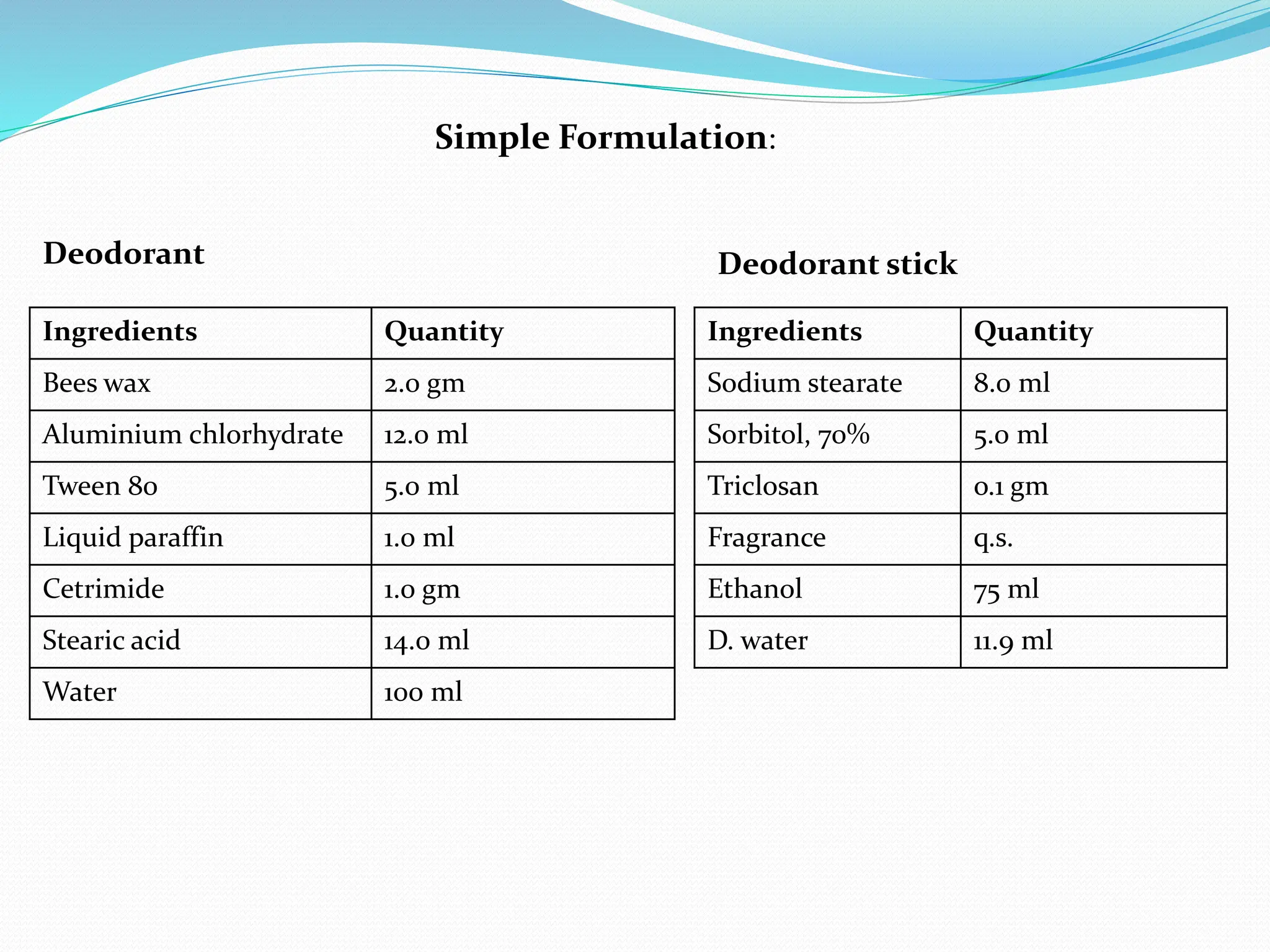
- Carriers and Solvents: Volatile silicones such as cyclopentasiloxane (D5) and cyclohexasiloxane (D6) traditionally served as non-greasy carriers that evaporate quickly without cooling the skin excessively. Due to environmental restrictions on cyclic siloxanes in certain regions, linear silicones (dimethicone) and vegetable-derived alkanes (e.g., isoamyl laurate, C13-15 alkanes) are increasingly utilized.
- Emollients and Structurants: Formulations in solid stick format rely on waxes (stearyl alcohol, hydrogenated castor oil, synthetic wax) and fatty acids to establish structural integrity. Liquid roll-ons use non-ionic surfactants and emulsifiers (such as steareth-2 and steareth-21) to stabilize oil-in-water or water-in-oil emulsions containing dissolved aluminum salts.
- Rheology Modifiers: Hydroxyethylcellulose, magnesium aluminum silicate, or Hectorite clays are employed to suspend insoluble active particles in liquid, aerosol, or anhydrous gel formulas.
- Fragrances, Preservatives, and Skin Conditioners: Fragrance oils mask natural body odors and ingredient scents. Antimicrobials like ethylhexylglycerin or zinc ricinoleate enhance odor protection, while soothing agents such as bisabolol, aloe vera, and allantoin mitigate potential irritation caused by acidic aluminum salts.
Global Regulatory Frameworks for Antiperspirants
The legal categorization of antiperspirants varies significantly across global jurisdictions. This regulatory distinction governs pre-market approval requirements, manufacturing standards, permissible ingredients, and mandatory label claims.
| United States (21 CFR Part 350) | European Union (Regulation EC 1223/2009) |
|---|---|
| • Classified as Over-the-Counter (OTC) Drug• Mandates cGMP (21 CFR 211) compliance• Prescribed active ingredient concentrations• Mandatory standardized efficacy testing | • Classified as Cosmetic• Subject to SCCS safety limits• Requires Cosmetic Product Safety Report (CPSR) |
United States: FDA Over-the-Counter (OTC) Drug Classification
In the United States, the Food and Drug Administration (FDA) classifies antiperspirants as Over-the-Counter (OTC) drugs because they affect a physiological function of the body (sweating). They are governed under the FDA OTC Antiperspirant Drug Products Monograph (21 CFR Part 350).
Key requirements under the U.S. framework include:
- Approved Active Ingredients: Only aluminum-containing ingredients listed within 21 CFR § 350.10 (such as Aluminum chlorohydrate up to 25%, Aluminum zirconium tetrachlorohydrex GLY up to 20% on an anhydrous basis) may be legally marketed without a New Drug Application (NDA).
- Manufacturing Standards: Facilities producing antiperspirants for the U.S. market must register with the FDA and adhere to Drug Current Good Manufacturing Practice (cGMP) regulations set forth in 21 CFR Part 211.
- Labeling Requirements: Products must include a standardized "Drug Facts" panel detailing active ingredients, purpose, uses, warnings (e.g., "Do not use on broken skin" and "Ask a doctor before use if you have kidney disease"), and instructions.
European Union: Cosmetic Regulation (EC) No 1223/2009 and SCCS Guidance
In the European Union, antiperspirants are regulated as cosmetic products under Regulation (EC) No 1223/2009. Unlike the U.S. drug classification, the EU treats sweat reduction as a cosmetic claim rather than a medicinal function.
EU compliance mandates:
- Cosmetic Product Safety Report (CPSR): Before placing a product on the market, a responsible person (RP) must ensure a comprehensive safety assessment is conducted by a qualified toxicologist, documented in the Product Information File (PIF).
- SCCS Aluminum Concentration Limits: The European Commission’s Scientific Committee on Consumer Safety (SCCS) evaluates the safety of aluminum compounds in cosmetics. Following opinion SCCS/1613/19 and subsequent updates, safe maximum concentration limits for aluminum in antiperspirants were established based on systemically absorbed aluminum equivalent limits:
- 6.25% total aluminum concentration in non-spray antiperspirants (e.g., roll-ons, sticks).
- 1.06% total aluminum concentration in spray/aerosol antiperspirants.
- Ingredient Restrictions: Zirconium-containing aluminum complexes are prohibited in aerosol cosmetics (Annex III, Entry 50) due to potential inhalation risk and pulmonary granuloma formation.
International Harmonization and Other Key Jurisdictions
- Canada: Health Canada classifies antiperspirants as Natural Health Products (NHPs) or Non-Prescription Drugs depending on the active ingredient source and formulation, governed under the Category IV Monograph for Antiperspirants.
- Australia: Managed by the Therapeutic Goods Administration (TGA) if making therapeutic anti-hyperhidrosis claims, or by the Australian Industrial Chemicals Introduction Scheme (AICIS) and the ACCC if classified as a standard cosmetic antiperspirant.
- Japan: Classified as "Quasi-Drugs" (Iyakubai-hin) under the Pharmaceuticals and Medical Devices Act (PMDA), requiring approval of active ingredients like aluminum hydroxychloride from an established monograph list.
Efficacy Testing Standards and Claims Verification
To substantiate functional claims such as "24-hour sweat protection," "clinical strength," or "extra dry," manufacturers must perform validated clinical testing using standardized protocols.
FDA Gravimetric Sweat Reduction Test Method
The FDA 21 CFR § 350.60 protocol outlines the gravimetric testing methodology required to claim antiperspirant efficacy:
- Controlled Environment: Panelists are placed in a temperature- and humidity-controlled room (typically 37.8°C / 100°F and 30–40% relative humidity) to induce sweating.
- Baseline Measurement: Pre-weighed absorbent pads are placed under the armpits for a specific period to record baseline sweat production.
- Application and Evaluation: The test product is applied to one axilla in a controlled manner, while the opposite axilla serves as an untreated control (or receives a placebo formulation).
- Efficacy Criteria:
- Standard Antiperspirant: Must demonstrate a statistically significant reduction in sweat production of at least 20% in at least 50% of the target population sample.
- Extra Strength / Clinical Claims: Must demonstrate a sweat reduction of at least 30% across the test cohort.
Efficacy Claim Thresholds (FDA Monograph):
- 20% Reduction: Standard Antiperspirant Claim
- 30% Reduction: "Extra Strength" / "Clinical" Claim
Duration Claims Verification
Claims of 48-hour or 72-hour protection require extended gravimetric protocol evaluations. After a single or multiple daily applications, subjects undergo sweat-inducing sessions at 24, 48, and 72-hour intervals post-application, without re-applying the product or washing the axillary area with harsh surfactants, to demonstrate sustained duct-plug integrity.
Global Regulatory and Compositional Comparison
The following table summarizes the key regulatory status, compositional boundaries, and testing mandates across major global markets.
| Parameter / Standard | United States (FDA) | European Union (EC / SCCS) | Health Canada |
|---|---|---|---|
| Product Classification | Over-the-Counter (OTC) Drug | Cosmetic Product | Non-Prescription Drug / NHP |
| Primary Regulatory Body | U.S. Food and Drug Administration | European Chemicals Agency (ECHA) / SCCS | Health Canada (NNHPD / Drug Directorate) |
| Governing Regulation | 21 CFR Part 350 | Regulation (EC) No 1223/2009 | Food and Drugs Act / Category IV Monograph |
| Max Aluminum Limit (Non-Spray) | Up to 25% (ACH) / 20% (Al-Zr Gly) | 6.25% calculated as total Al | Up to 25% (ACH) / 20% (Al-Zr Gly) |
| Max Aluminum Limit (Spray) | Up to 25% (ACH) | 1.06% calculated as total Al | Up to 25% (ACH) |
| Zirconium Actives Allowed in Sprays? | Strictly Prohibited | Strictly Prohibited | Strictly Prohibited |
| Mandatory Sweat Reduction Testing | Yes (Min. 20% reduction) | Required only to support explicit label claims | Yes (Min. 20% reduction) |
| Manufacturing Standards | Drug cGMP (21 CFR Part 211) | ISO 22716 (Cosmetic GMP) | Drug GMP or NHP GMP |
Safety Evaluations, Toxicology, and Ingredient Controversies
The long-term safety of aluminum-based antiperspirants has been extensively reviewed by independent toxicological bodies, public health organizations, and regulatory authorities worldwide.
Aluminum Safety and Systemic Absorption Studies
Concerns raised in non-clinical literature during previous decades hypothesized potential links between aluminum absorption from antiperspirants and neurological conditions (such as Alzheimer's disease) or localized oncological conditions (such as breast cancer).
Rigorous toxicological reviews by the SCCS, the National Cancer Institute (NCI), and the Alzheimer's Association have concluded that these hypotheses are unsupported by scientific evidence:
- Dermal Absorption Rate: Clinical pharmacokinetic studies demonstrate that transdermal absorption of aluminum from underarm application is extremely low—approximately 0.0012% to 0.012% of the applied dose across intact skin barrier functions.
- Systemic Exposure: The amount of aluminum absorbed through daily antiperspirant use is negligible compared to normal dietary intake of aluminum via food, drinking water, and pharmaceuticals (such as oral antacids).
- Regulatory Consensus: The SCCS final opinion (SCCS/1613/19) confirmed that the use of aluminum compounds in antiperspirants at restricted concentrations is safe and does not pose a risk of systemic toxicity or carcinogenicity.
Dermal Sensitization and Alternative Actives
Despite their systemic safety profile, aluminum salts can cause local dermal side effects. The acidic nature of active aluminum salts (pH 2.0 to 4.5 in aqueous solution) can cause contact dermatitis, stinging, or redness, particularly when applied immediately after shaving or on broken skin.
- Acidic Active Salt (pH 2.0-4.5)
- Underarm Application Area
- Normal Intact Barrier
- Transient Duct Plug (Target Mechanism)
- Post-Shaving / Damaged Barrier
- Local Irritation / Stinging (Adverse Reaction)
- Normal Intact Barrier
Natural and Non-Aluminum Alternatives
Growing consumer demand for non-aluminum products has led to the development of alternative sweat and odor management formulations:
- Potassium Alum (Natural Mineral Salts): Potassium aluminum sulfate is a naturally occurring mineral salt. While it contains aluminum, its larger molecular weight and distinct chemical structure alter its skin interaction. However, under U.S. FDA regulations, potassium alum is not an approved monograph active ingredient for sweat reduction; products using it must be labeled as deodorants rather than antiperspirants.
- Absorbent Plant Powders and Clays: Ingredients such as arrowroot powder (Maranta arundinacea), cornstarch, kaolin clay, and sodium bicarbonate (baking soda) absorb moisture on the skin surface. They do not block eccrine sweat glands or reduce physiological sweat production, so they function purely as moisture-absorbing deodorants.
- Antimicrobial Peptide Technologies: Bio-based active ingredients targeting odor-producing microbes (Corynebacterium species) reduce axillary body odor without suppressing physical sweat secretion.
Frequently Asked Questions
What is the primary functional difference between an antiperspirant and a deodorant?
An antiperspirant physically inhibits sweat production by forming temporary plugs in the eccrine sweat ducts using aluminum-based salts. A deodorant does not stop sweat production; instead, it reduces odor by using antimicrobial agents to neutralize odor-causing bacteria and fragrance ingredients to mask body odor.
Why are aluminum-zirconium compounds banned in spray antiperspirants?
Aluminum-zirconium complexes are prohibited in aerosol and spray products because inhaled zirconium particles can penetrate deep into lung tissue. Chronic inhalation of fine zirconium particles presents a risk of lung toxicity, tissue inflammation, and pulmonary granulomas. They remain safe and approved for non-spray formats like sticks and roll-ons.
How do FDA requirements for antiperspirants differ from European Union regulations?
The FDA classifies antiperspirants as Over-the-Counter (OTC) drugs, requiring compliance with drug Good Manufacturing Practices (cGMP), explicit active ingredient monographs, standardized packaging "Drug Facts," and mandatory gravimetric sweat reduction testing. The European Union classifies antiperspirants as cosmetics under Regulation (EC) No 1223/2009, relying on safety evaluations by the SCCS, product safety documentation (CPSR), and strictly capped safe aluminum concentration limits.
Can an antiperspirant claim "natural" status if it contains active aluminum salts?
Generally, no. Modern antiperspirant active ingredients, such as aluminum chlorohydrate or aluminum zirconium tetrachlorohydrex GLY, undergo synthetic chemical synthesis and processing. While mineral salts like potassium alum are naturally derived, they are not recognized as antiperspirant active ingredients under U.S. FDA OTC regulations to make functional sweat-reduction claims.
What minimum sweat reduction percentage is required to claim "clinical strength"?
Under FDA OTC monograph testing guidelines, a standard antiperspirant must achieve a minimum of 20% sweat reduction compared to an untreated control. To make advanced claims such as "extra strength," "maximum protection," or "clinical strength," the formulation must demonstrate at least a 30% reduction in sweat production across the test cohort.
Practical Recommendations for Manufacturers and Formulators
For cosmetic chemists, regulatory compliance specialists, and product developers creating underarm antiperspirants, adhering to formulation and regulatory best practices ensures product safety, stability, and market access:
- Verify Regional Classification Early: Determine the target geographical market prior to formulation development. If selling in the United States, ensure the facility complies with 21 CFR Part 211 drug cGMPs and select active aluminum salts listed under 21 CFR § 350.10. For the EU market, verify that total aluminum content adheres to SCCS/1613/19 limits (max 6.25% total Al for non-sprays, 1.06% for sprays).
- Select Appropriate Actives for Product Formats: Never use zirconium-based active salts (e.g., Aluminum Zirconium Tetrachlorohydrex GLY) in aerosol or aerosol-adjacent spray formulations. Utilize Aluminum Chlorohydrate (ACH) or specialized non-zirconium salts for aerosol lines.
- Optimize pH and Soothing Excipients: Formulate within an optimal acidic pH range (3.5–4.5) to maintain aluminum salt stability while minimizing dermal stinging. Incorporate anti-inflammatory and skin barrier support ingredients—such as bisabolol, panthenol, or allantoin—to mitigate post-shaving irritation.
- Execute Protocol-Compliant Testing: Conduct gravimetric clinical studies following FDA 21 CFR § 350.60 guidelines through accredited clinical testing facilities to substantiate sweat-reduction claims ("20% reduction" for standard, "30% reduction" for extra strength) before labeling products for retail distribution.
Image Gallery