Comprehensive Guide to Hair Patches for Alopecia: Costs, Types, and Procedures
Hair patches for alopecia are non-surgical hair replacement systems designed to conceal localized bald spots by integrating a prosthetic unit with the wearer’s scalp. These systems use a micro-thin base—typically made of lace or polyur...
Hair patches for alopecia are non-surgical hair replacement systems designed to conceal localized bald spots by integrating a prosthetic unit with the wearer’s scalp. These systems use a micro-thin base—typically made of lace or polyurethane—to hold human or synthetic hair, which is then secured using medical-grade adhesives or clips for a seamless, natural appearance.
Contents
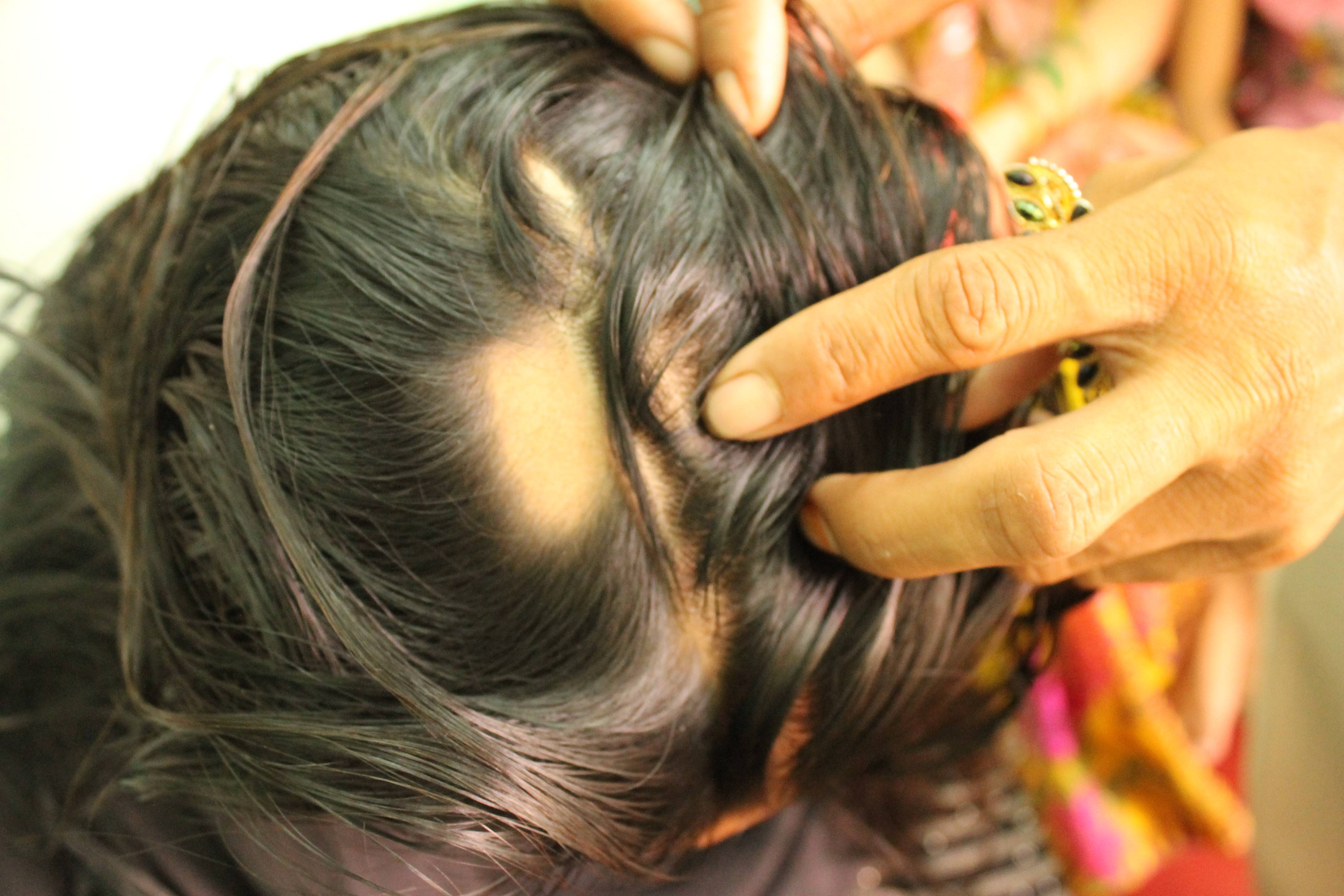
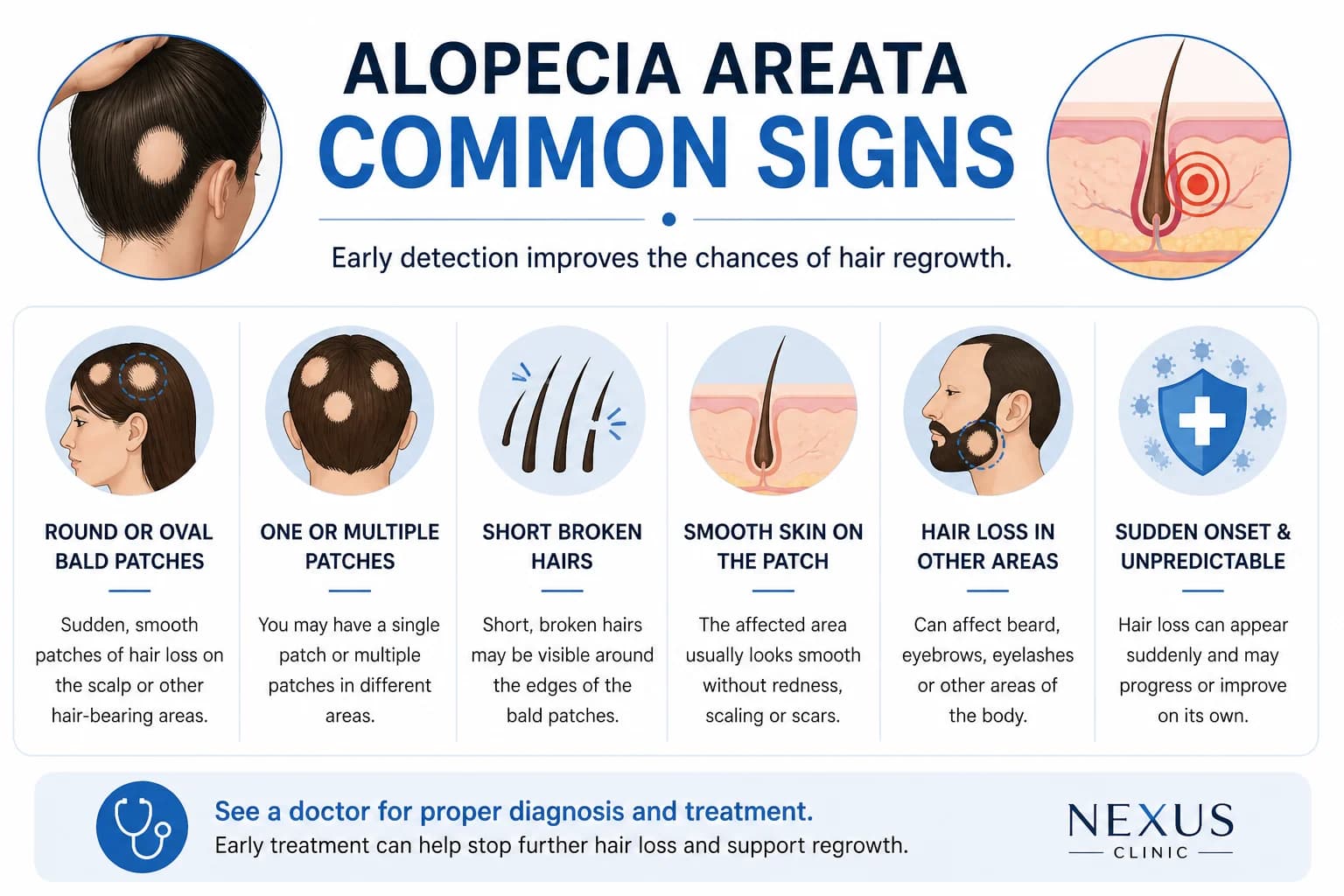
Alopecia is a broad term for hair loss, but for many, it manifests as Alopecia Areata, characterized by distinct, often circular bald patches. While medical treatments like JAK inhibitors and topical steroids have advanced significantly by 2026, many individuals seek immediate aesthetic results. Hair patches, also known as localized hair systems, offer a specialized solution that bypasses the waiting period required for pharmaceutical interventions. This guide explores the technical specifications, application methods, and long-term management of hair patches for those navigating the challenges of hair loss.
Understanding the Role of Hair Patches in Alopecia Management
The decision to use a hair patch usually stems from a need for confidence and a "finished" look that topical fibers or sprays cannot provide. Unlike a full wig, a hair patch is designed to cover only the affected area, allowing the user to utilize their remaining healthy hair for blending.
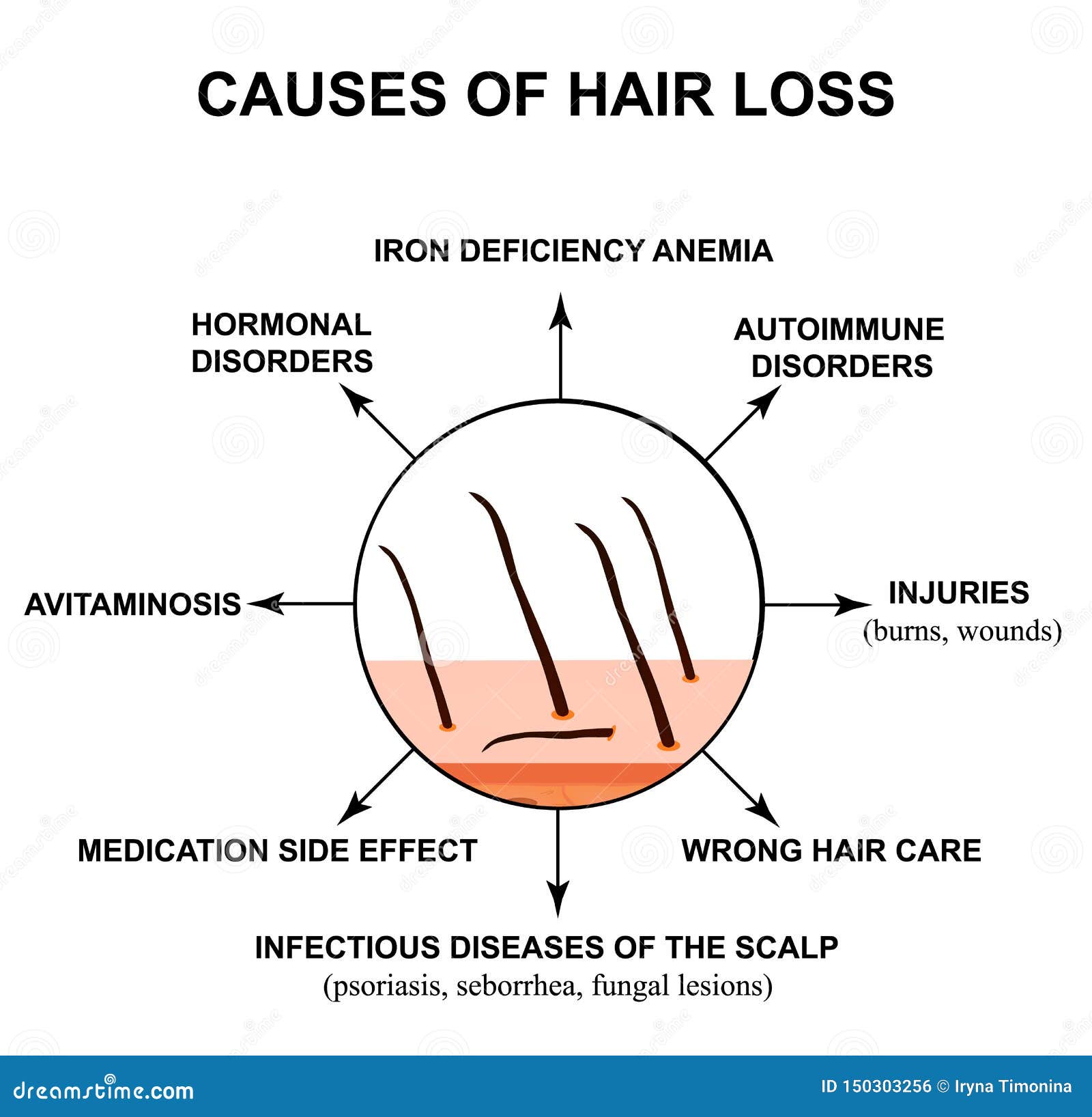
For individuals with Alopecia Areata, the immune system mistakenly attacks hair follicles, leading to patchy loss. Because this condition can be unpredictable—with patches appearing, disappearing, and moving—a non-permanent hair patch provides a flexible cosmetic tool. It allows the scalp to remain accessible for medical treatments while ensuring the user does not have to deal with the social anxiety often associated with visible bald spots.
By 2026, the technology behind these patches has transitioned from the "toupees" of the past into high-fidelity "hair systems." These modern units utilize V-looping or hand-knotting techniques that mimic the natural exit angle of hair from the scalp, making them virtually undetectable even under close inspection or in bright lighting.
Material Specifications: Base Types and Hair Quality
Choosing the right hair patch requires an understanding of the materials used in the base. The base is the interface between the prosthetic hair and your scalp; its design determines the unit's breathability, realism, and durability.
Polyurethane (Skin) Bases
Polyurethane bases, often called "skin" bases, are made from a thin layer of bio-compatible polymer. These are popular for their realism, as the material can be tinted to match the wearer's skin tone perfectly.
- Pros: The edges are extremely thin and transparent, making the transition between the patch and the skin invisible. They are also easy to clean because the adhesive does not seep through the material.
- Cons: They offer limited breathability. In warmer climates or for active individuals, heat and sweat can build up under the patch, potentially leading to skin irritation if not maintained correctly.
Lace Bases (French and Swiss)
Lace bases consist of a fine mesh onto which individual hairs are tied. Swiss lace is the thinnest and most delicate, often used for the front hairline, while French lace is slightly thicker and more durable.
- Pros: Superior breathability. Air and moisture can pass through the mesh, making it the preferred choice for athletes or those living in humid environments.
- Cons: The mesh can be fragile and prone to tearing if handled roughly. Additionally, adhesive can sometimes seep through the holes, making the cleaning process more labor-intensive.
Monofilament Bases
Monofilament bases use a specialized polyester or nylon mesh that is stronger than lace. It is often used in the center of a patch for added structural integrity.
- Pros: Very durable and provides a realistic "part" where the hair appears to grow directly from the scalp.
- Cons: It is stiffer than lace or skin, which may feel less comfortable for users with highly sensitive scalps.
Hair Quality: Human vs. Synthetic
While synthetic fibers have improved, Remy human hair remains the gold standard in 2026. Remy hair retains the cuticle layer and ensures all hairs are aligned in the same direction, preventing tangling and reflecting light naturally. Synthetic hair is often used for "gray blending" because it does not absorb dye, but for full patches, human hair is preferred for its ability to be heat-styled and its natural movement.
Application and Attachment Methods
How a hair patch is attached depends on the user's lifestyle and the amount of surrounding hair available. There are three primary methods used in professional clinics.
Medical-Grade Bonding (Liquid Adhesives)
This is the most common method for a "semi-permanent" fit. A specialist shaves the specific area of the bald patch to create a smooth surface. A medical-grade acrylic or silicone-based adhesive is applied to the scalp or the base of the patch.
- Longevity: 3 to 6 weeks.
- Best for: Individuals who want to shower, swim, and sleep without removing the patch.
Pressure-Sensitive Clips
If the alopecia patch is surrounded by strong, healthy hair, small metal clips can be sewn into the underside of the patch.
- Longevity: Daily wear (must be removed at night).
- Best for: Those who want to give their scalp "breaks" and do not want to use adhesives. However, caution is advised, as constant tension from clips can lead to traction alopecia in the surrounding hair.
Specialized Tapes
Double-sided medical tapes are available in various strengths. These are often used by DIY users who maintain their systems at home.
- Longevity: 1 to 2 weeks.
- Best for: People with sensitive skin who may react to liquid glues, as tapes are generally easier to remove and leave less residue.
Comparison of Attachment Technologies
| Feature | Liquid Bonding (Glue) | Medical Tape | Pressure Clips |
|---|---|---|---|
| Duration | 3–6 Weeks | 1–2 Weeks | Daily (Remove at night) |
| Water Resistance | High (Swimming/Shower) | Medium | Low (Not for swimming) |
| Scalp Breathability | Low | Medium | High |
| Maintenance Level | Professional required | DIY-friendly | Very Easy |
| Invisible Edge | Excellent | Good | Moderate |
The Customization and Styling Process
A "stock" hair patch rarely looks natural. For the best results, a customization process is essential. This typically begins with a scalp template. A technician uses clear plastic and tape to map the exact dimensions of the bald area, ensuring the patch covers the loss without overlapping unnecessarily onto healthy hair.
Once the template is created, the hair is matched for:
- Color: Professional systems use a blend of 3–4 shades to mimic the multi-tonal nature of natural hair.
- Density: One of the most common mistakes is choosing a patch that is too thick. For a natural look, the density of the patch must match the density of the wearer's remaining hair.
- Direction (Growth Pattern): The hair must be knotted into the base to follow the natural "crown" or "cowlick" of the wearer.
After attachment, the patch is "cut-in" by a stylist experienced in hair systems. This involves thinning the edges of the prosthetic hair so they transition seamlessly into the natural hair.
Maintenance and Longevity in 2026
A hair patch is not a "set it and forget it" solution. Because the hair in the patch is no longer attached to a living follicle, it does not receive natural oils (sebum) from the scalp. This makes it prone to dryness and oxidation.
- Washing: Use sulfate-free shampoos and deep conditioners. Over-washing can degrade the adhesive bond and dry out the hair.
- Sun Protection: UV rays can cause the color of human hair patches to fade or turn "brassish" (orange/red). Using leave-in conditioners with UV filters is standard practice.
- Re-servicing: Every 4 to 6 weeks, the patch must be removed, the scalp cleaned and exfoliated, and the patch re-attached. This is vital for maintaining scalp health and preventing fungal or bacterial growth.
The lifespan of a single patch varies by base type. A thin skin base may last only 1–2 months, while a thicker monofilament or French lace base can last 6 months to a year with proper care.
Cost Considerations
The price of managing alopecia with hair patches involves both the initial purchase and ongoing maintenance.
- Initial Unit: $300 – $1,200 depending on hair length and base complexity.
- Professional Cut-in: $100 – $250.
- Monthly Maintenance: $75 – $150 per session (if done at a clinic).
- Home Care Products: $50 – $100 every few months for specialized solvents, tapes, and conditioners.
In 2026, some health insurance providers may cover "cranial prostheses" if the hair loss is a result of a diagnosed medical condition like Alopecia Areata or chemotherapy. It is essential to obtain a prescription from a dermatologist using the specific term "cranial prosthesis" rather than "hair patch" or "wig" to facilitate insurance claims.
Disclaimer: This information is for educational purposes and does not constitute medical advice. Consult with a dermatologist or a hair restoration specialist to determine the best course of action for your specific condition.
Frequently Asked Questions
Can I swim or exercise with a hair patch?
Yes, provided you use high-quality liquid bonding or waterproof tapes. Most modern medical-grade adhesives are designed to withstand sweat and immersion in water. However, it is recommended to wait 24 to 48 hours after application before getting the patch wet to allow the bond to cure fully. After swimming in chlorine or salt water, you should rinse the hair thoroughly to prevent dryness.
Will the patch damage my remaining hair?
If applied correctly to a bald area, it will not damage your hair. However, if clips are used on thinning hair, they can cause tension. The most significant risk is "contact dermatitis" from adhesives. It is standard practice to perform a patch test of the adhesive on a small area of skin before the full application to ensure no allergic reaction occurs.
How do I hide the front edge of the patch?
For the most natural look, a graduated hairline is used. This means the hair is thinner at the very front and gradually becomes denser. Using a Swiss lace front or a "poly-skin" edge allows the material to disappear against the forehead. Some users also use a small amount of "scalp makeup" or matte powder to dull any shine from the adhesive.
Is the patch noticeable to the touch?
A well-blended patch is difficult to detect by sight, but a person running their hands through your hair may feel the edge of the base. Polyurethane bases are generally flatter and harder to feel than lace or monofilament bases. If "detectability" is a major concern, opting for a larger "full-top" system rather than a small localized patch can often make the transitions less obvious to the touch.
Can I apply a hair patch myself at home?
While initial customization and cutting should be done by a professional, many people transition to home maintenance. This involves purchasing the necessary solvents to "release" the bond, cleaning the base, and reapplying tape or glue. It requires patience and a steady hand, particularly when lining up the patch with the bald spot using a system of mirrors.
Next Steps for Users
If you are considering a hair patch for alopecia, the first step is to visit a trichologist or a specialized hair replacement clinic for a consultation. Ensure they offer a variety of base materials and provide a private environment for the fitting. Always ask for a "patch test" of adhesives if you have sensitive skin, and check with your insurance provider regarding coverage for a medical cranial prosthesis to offset the annual costs.
Image Gallery