The Sea-Tac Hijacking Case and Its Aftermath: Security Failures, FBI Findings, and Aviation Reforms
On August 10, 2018, ground service agent Richard Russell unauthorizedly boarded, taxied, and took off in a commercial Bombardier Dash 8 Q400 aircraft from Seattle-Tacoma International Airport (Sea-Tac). The 75-minute unauthorized fligh...
On August 10, 2018, ground service agent Richard Russell unauthorizedly boarded, taxied, and took off in a commercial Bombardier Dash 8 Q400 aircraft from Seattle-Tacoma International Airport (Sea-Tac). The 75-minute unauthorized flight over Puget Sound ended when the aircraft crashed on Ketron Island, resulting in Russell's death and exposing severe vulnerabilities in airport ramp security, credentialing, and ground crew oversight across the aviation industry.
Contents
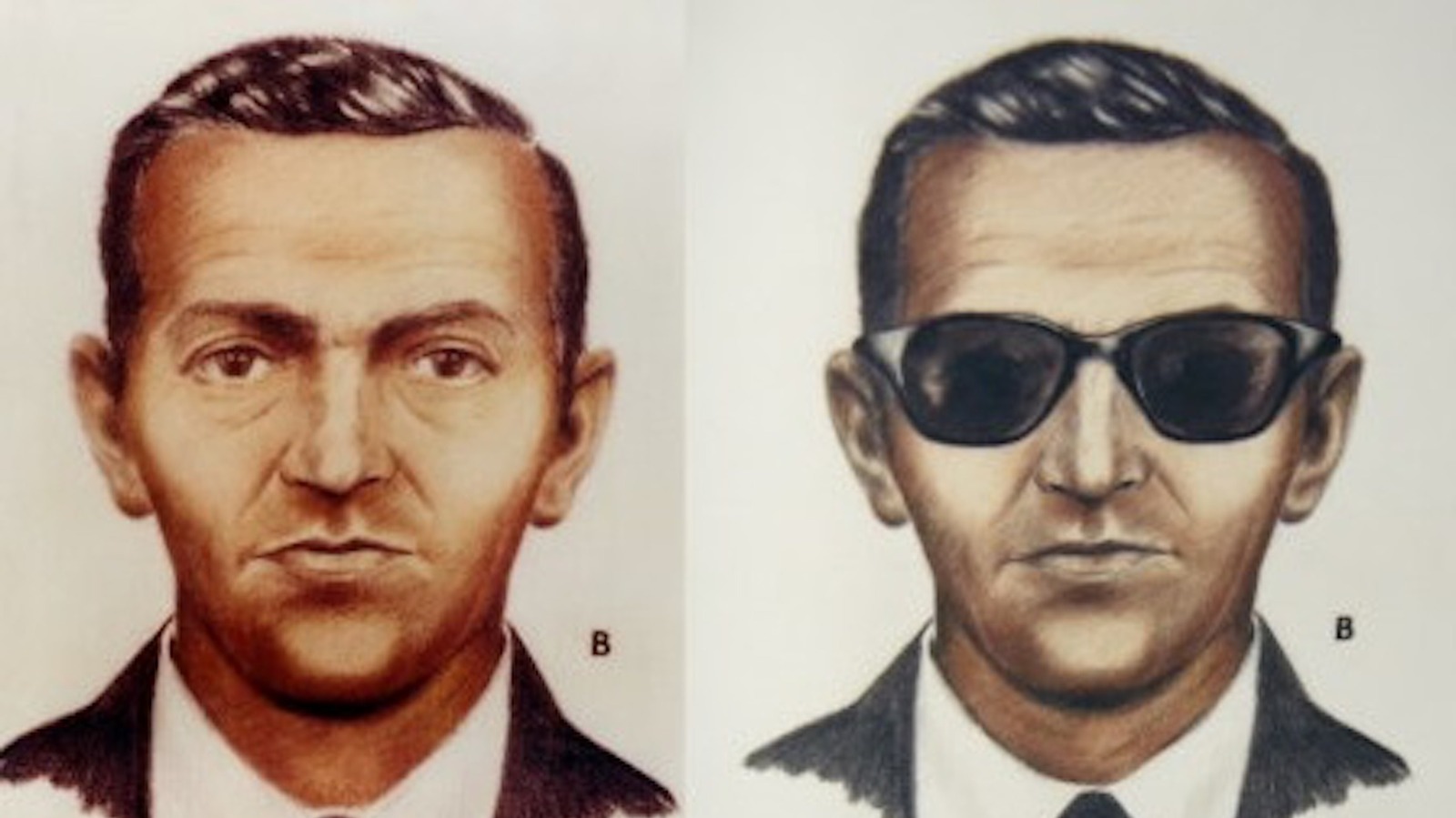
While historical references to unauthorized aircraft actions at Sea-Tac sometimes recall Northwest Orient Flight 305—the 1971 D.B. Cooper extortion case—the modern term "Sea-Tac hijacking case" primarily denotes the 2018 Horizon Air Q400 incident. Unlike traditional skyjacking cases involving armed passenger-cabin takeovers, this breach was executed by a credentialed insider operating directly from the airport ramp.
Background and Airport Credentialing Context
Richard Russell was a 29-year-old employee of Horizon Air, a regional carrier subsidiary of Alaska Air Group. As a ground service agent, Russell had passed federal background checks, held a valid Security Identification Display Area (SIDA) badge, and possessed full operational access to the airfield ramp, aircraft towing tractors, and parked commercial airliners.
At the time of the incident, airport security frameworks established by the Transportation Security Administration (TSA) and the Federal Aviation Administration (FAA) relied heavily on background checks and physical perimeter security. Credentialed personnel were presumed vetted, creating a critical vulnerability: once inside the secure perimeter, single employees could access commercial aircraft without requirement for secondary authentication or physical presence verification.
Detailed Timeline of the August 10, 2018 Incident
The events of August 10, 2018, unfolded rapidly during the evening departure rush at one of the busiest hubs in the Pacific Northwest:
- 19:15 PDT: Russell positioned a tow tractor (pushback tug) to rotate Horizon Air Bombardier Dash 8 Q400 (Registration N449QX) by 90 degrees, angling it toward taxiways without authorization or scheduled flight clearance.
- 19:28 PDT: Russell entered the unoccupied aircraft cabin, accessed the flight deck, initiated the engine start sequences, and taxied the aircraft toward Runway 16C.
- 19:32 PDT: Air traffic controllers at Sea-Tac noticed an unscheduled aircraft taxiing without radio clearance. Controller attempts to contact the aircraft were met with silence as Russell initiated takeoff without air traffic control (ATC) clearance.
- 19:40 PDT: The Western Air Defense Sector (WADS) of NORAD was alerted. Two F-15C Eagle fighter jets were scrambled from Portland Air National Guard Base in Oregon, flying at supersonic speeds to intercept the Q400 over Puget Sound.
- 19:45–20:30 PDT: Russell engaged in communications with Seattle ATC. During the flight, he executed radical aerobatic maneuvers, including an inverted barrel roll and a split-S, while expressing personal emotional distress to air traffic controllers who attempted to coach him toward a safe landing at Joint Base Lewis-McChord.
- 20:43 PDT: The aircraft crashed into a heavily wooded area on Ketron Island in Pierce County, Washington, triggering a localized forest fire. Russell was killed instantly; no individuals on the ground were injured.
| Time (PDT) | Event Description |
|---|---|
| 19:15 | Pushback tug used to reposition Horizon Air Dash 8 Q400 aircraft |
| 19:28 | Unauthorized entry to cockpit and engine ignition |
| 19:32 | Unapproved takeoff from Runway 16C |
| 19:40 | NORAD scrambles F-15C fighters from Portland Air National Guard |
| 19:45–20:30 | Aerial maneuvers over Puget Sound and dialogue with Seattle ATC |
| 20:43 | Crash on Ketron Island, WA; fatal impact, zero ground casualties |
Official FBI and NTSB Investigative Findings
The Federal Bureau of Investigation (FBI) led the federal inquiry into the crash in coordination with the National Transportation Safety Board (NTSB) and the FAA. The investigation evaluated potential terrorist ties, systemic sabotage, operational access points, and flight control capabilities.
Single-Actor and Motive Determination
In December 2018, the FBI officially closed its investigation, concluding that Richard Russell acted entirely alone. The investigation found no ties to domestic or international terrorist organizations, no co-conspirators, and no political or financial motive. The FBI officially classified the event as a suicide.
Flight Mechanics and Technical Competency
A primary question raised during the investigation was how an individual without a private or commercial pilot license managed to start, taxi, fly, and aerobatically maneuver a 76-seat turboprop aircraft. The NTSB flight data recorder (FDR) and cockpit voice recorder (CVR) analysis revealed:
- Russell possessed rudimentary knowledge of flight controls gained from civilian flight simulator software and instructional aviation videos.
- The Bombardier Dash 8 Q400 does not require a physical ignition key; engine start sequences involve specific overhead switch flips and condition lever adjustments that can be learned through published operational manuals.
- The complex aerobatic maneuvers degraded the structural integrity of the airframe prior to the final descent, though impact with trees on Ketron Island was the direct cause of destruction.
Systemic Security Vulnerabilities Exposed by the Incident
The Sea-Tac incident highlighted fundamental gaps in airfield operational protocols across North American airports:
- Lack of Physical Cockpit Locks for Ramp Personnel: Commercial airliners are equipped with reinforced flight deck doors to prevent passenger intrusion during flight, but aircraft parked on airfield ramps often remain unlocked or accessible via simple external latches to allow maintenance and cleaning access.
- Keyless Engine Start Systems: Unlike motor vehicles, commercial aircraft rely on procedural switch management rather than keyed ignitions, allowing any individual with basic procedural knowledge to start the engines if power systems are active.
- Absence of Ground-Side Two-Person Rules: At the time of the incident, individual ground crew members were permitted to work alone inside empty aircraft cabin spaces and operating tugs without direct visual or physical supervision.
- Inadequate Ground Support Equipment (GSE) Securing: Tow vehicles and pushback tugs were routinely parked on active ramps with keys in the ignition or universal access switches, enabling unauthorized aircraft repositioning.
Regulatory and Industry Reforms: Pre-2018 vs. Post-2018
Following the incident, federal agencies, international aviation bodies, and individual airlines instituted sweeping security adjustments. The shift converted airport security focus from perimeter control alone to a comprehensive insider-threat mitigation model.
| Operational Domain | Pre-2018 Safety Baseline | Post-Incident Regulatory & Industry Protocols | Primary Safety Objective |
|---|---|---|---|
| Aircraft Ramp Access | Badge-swipe perimeter entry; solo cabin access permitted | Enhanced dual-person authorization; mandatory badge audits | Eliminate single points of failure in aircraft boarding |
| Cockpit Access & Ignition | Open cockpits on parked aircraft; keyless ignition | Keypad entry controls, physical locks, disabled starter circuits | Prevent unauthorized engine start and taxiing |
| Ground Equipment Control | Universal ignition keys; unmonitored tug parking | Biometric or PIN-coded tug activation systems | Prevent unauthorized aircraft pushback or movement |
| Mental Health Monitoring | Periodic medical exams for pilots only; basic ground checks | Mandatory peer-support programs; anonymous reporting channels | Identify psychological distress among airside staff |
| Airside Surveillance | Perimeter monitoring; selective ramp CCTV | Comprehensive real-time AI analytics; ramp movement tracking | Detect anomalous ground taxiing immediately |
Detailed Regulatory Actions and Policy Overhauls
TSA and FAA Directives on Insider Threat Mitigation
The TSA revised its Airport Security Program (ASP) guidelines, forcing airport operators to implement continuous vetting procedures through the FBI’s Rap Back system. Instead of periodic background checks every two to five years, airside credential holders are now subject to continuous criminal record monitoring.
Furthermore, the FAA issued updated recommendations for airline operational specifications, advising carriers to implement physical or procedural barriers that require at least two credentialed employees to be present whenever an aircraft is powered up or prepared for repositioning.
Mental Health Resources for Airside Support Workers
Prior to 2018, psychological support mechanisms in commercial aviation were heavily skewed toward flight crews (pilots and flight attendants). The Sea-Tac incident exposed severe psychological distress and workplace isolation among low-paid ground service workers. In response:
- Major carriers expanded Employee Assistance Programs (EAPs) specifically tailored to ground handlers, baggage workers, and tow operators.
- Airlines established anonymous reporting networks where employees can flag personal crises or express safety concerns without fear of immediate credential revocation or employment termination.
Frequently Asked Questions
Was the 2018 Sea-Tac aircraft theft considered a terrorist attack?
No. Following a multi-agency inquiry involving the FBI, TSA, and NTSB, federal authorities concluded that Richard Russell acted alone and had no motives related to terrorism, politics, or ideological extremism. The event was formally classified as a suicide.
How was a ground handler able to start a commercial aircraft without a pilot's license?
Commercial aircraft like the Bombardier Dash 8 Q400 do not use traditional ignition keys. Starting the engines requires following a sequence of overhead switches, fuel valves, and battery controls. Russell acquired this technical knowledge through publicly available flight manuals and civilian flight simulation programs.
Were any casualties or ground injuries caused by the crash?
No individuals on the ground or on surrounding waterways were injured. The aircraft crashed into a sparsely populated, heavily wooded area of Ketron Island. Russell was the sole fatality.
What physical security changes were made to commercial aircraft after the incident?
Airlines and regulatory authorities introduced enhanced dual-authorization protocols for airside access, security locks on parked aircraft cockpits, anti-theft controls on ground support equipment (tugs), and continuous background tracking for employees holding SIDA credentials.
Does the 2018 Sea-Tac case relate to the D.B. Cooper hijacking?
While both cases involve Seattle-Tacoma International Airport and generated significant national media coverage, they are entirely separate historical events. D.B. Cooper hijacked Northwest Orient Flight 305 in 1971 for cash ransom via passenger cabin extortion, whereas the 2018 case involved an unauthorized ground-crew theft of an empty aircraft from the airside ramp.
Operational Recommendations for Airport Authorities and Ground Operators
To maintain regulatory compliance and prevent insider breaches across airport operations, facilities managers and airline safety directors should enact the following measures:
- Implement Continuous Vetting Systems: Ensure all airside personnel are enrolled in dynamic FBI Rap Back monitoring rather than relying on static annual background updates.
- Enforce Multi-Factor Authorization for Airside Machinery: Retrofit ground support equipment (tow vehicles and pushback tugs) with keyless PIN entry or RFID badge-validation hardware to prevent unauthorized equipment operation.
- Mandate Two-Person Ramp Rules: Maintain mandatory dual-person protocols for any employee boarding empty commercial aircraft or performing ground engine runs.
- Integrate Airside Behavioral Health Programs: Provide dedicated mental health support services specifically geared toward airport service staff, removing barriers to seeking psychological assistance.
Image Gallery