Oil Spill Causes and Effects: A Comprehensive Ecological and Economic Analysis
An oil spill occurs when liquid petroleum hydrocarbons are released into the environment—primarily ocean waters, coastal zones, or inland waterways—due to human activity, equipment failure, or natural disasters. These events stem from...
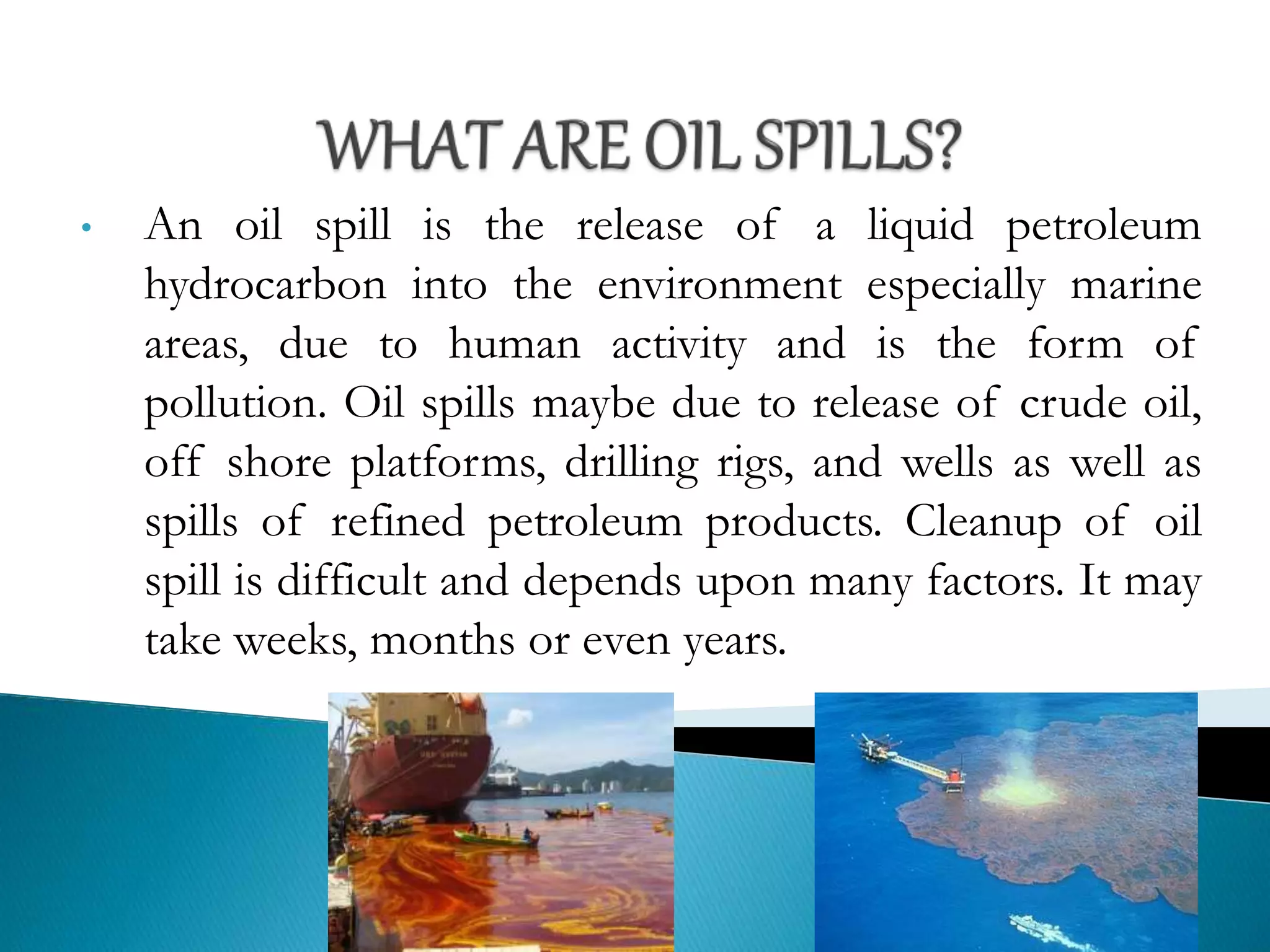
An oil spill occurs when liquid petroleum hydrocarbons are released into the environment—primarily ocean waters, coastal zones, or inland waterways—due to human activity, equipment failure, or natural disasters. These events stem from tanker collisions, pipeline ruptures, offshore platform blowouts, and industrial discharge. The resulting effects include catastrophic wildlife mortality, severe bioaccumulation of toxic chemicals, widespread disruption of coastal economies, and multi-decade ecosystem degradation.
Contents
Primary Causes of Oil Spills
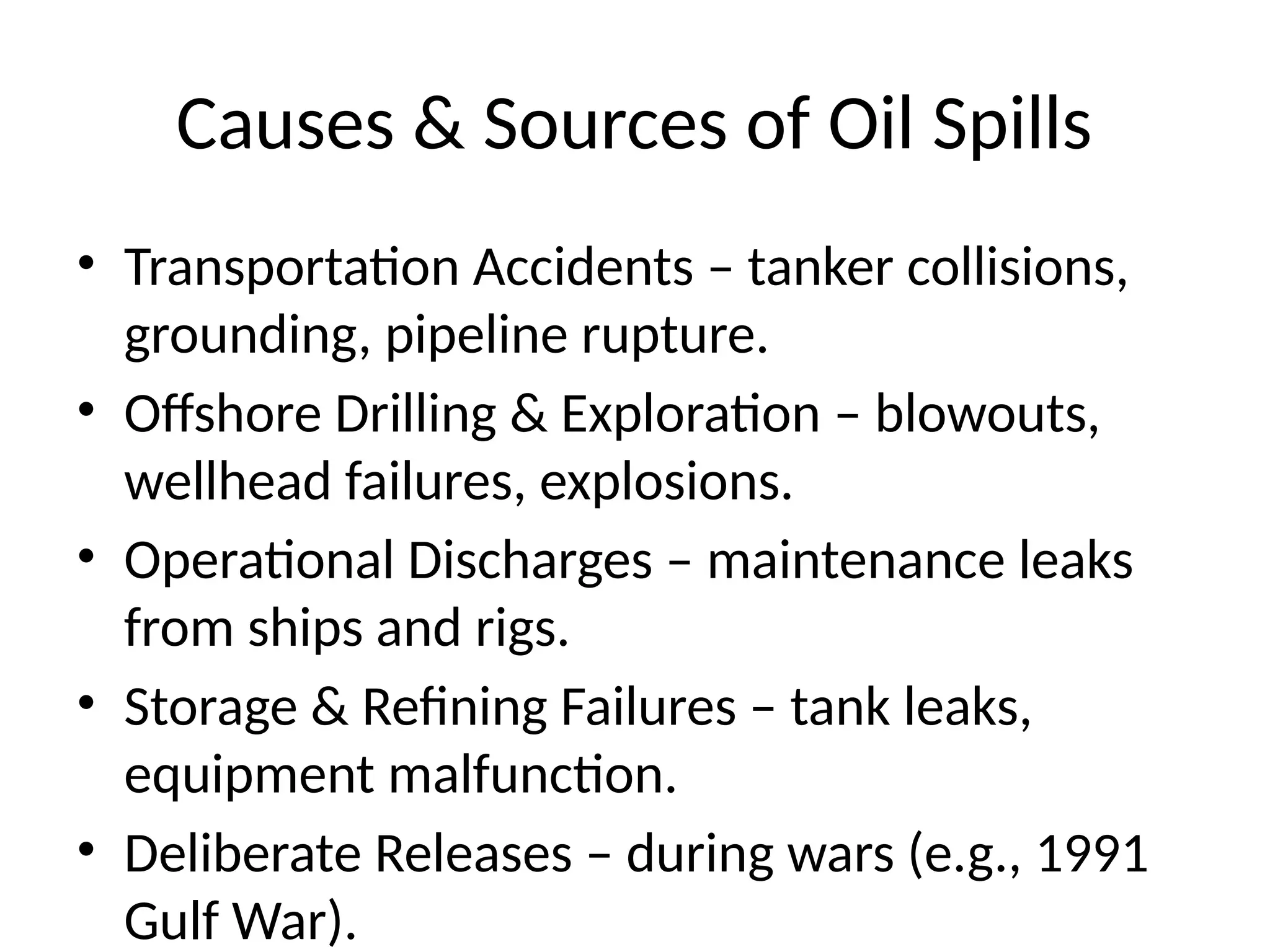
Oil spills occur across various stages of the petroleum lifecycle, including exploration, extraction, transportation, refining, and storage. Identifying the root causes of these incidents requires analyzing mechanical systems, human protocols, structural integrity, and environmental hazards.
| Transportation Accidents | Infrastructure Failure | Exploration & Operations |
|---|---|---|
| Tanker grounding | Pipeline corrosion | Offshore blowouts |
| Vessel collisions | Structural fatigue | Industrial runoff |
| Structural breaches | Valve/seal failures | Bilge dumping / War |
Maritime Transportation Accidents
Maritime transport remains a major source of large-scale marine oil spills. Tanker ships carry millions of gallons of crude oil or refined products across international sea lanes. When these vessels encounter navigation hazards, severe weather, or mechanical failures, the consequences can be catastrophic.
- Groundings and Collisions: A significant portion of catastrophic spills results from vessels running aground on reefs, sandbars, or rocky shoals, or colliding with other vessels. The 1989 Exxon Valdez spill in Alaska's Prince William Sound occurred when a supertanker struck Bligh Reef, releasing approximately 11 million gallons of crude oil into a sensitive marine environment.
- Structural and Hull Failures: Older single-hull tankers are especially vulnerable to hull breaches during stress events, such as heavy sea state flexing or localized impacts. International regulations, such as those established by the International Maritime Organization (IMO), have largely phased out single-hull tankers in favor of double-hull designs, significantly reducing structural spill frequency.
Offshore Extraction and Drilling Blowouts
Offshore oil production operates under extreme hydrostatic pressure, deep water, and volatile geological conditions. Drilling operations drill deep beneath the seabed to tap high-pressure hydrocarbon reservoirs.
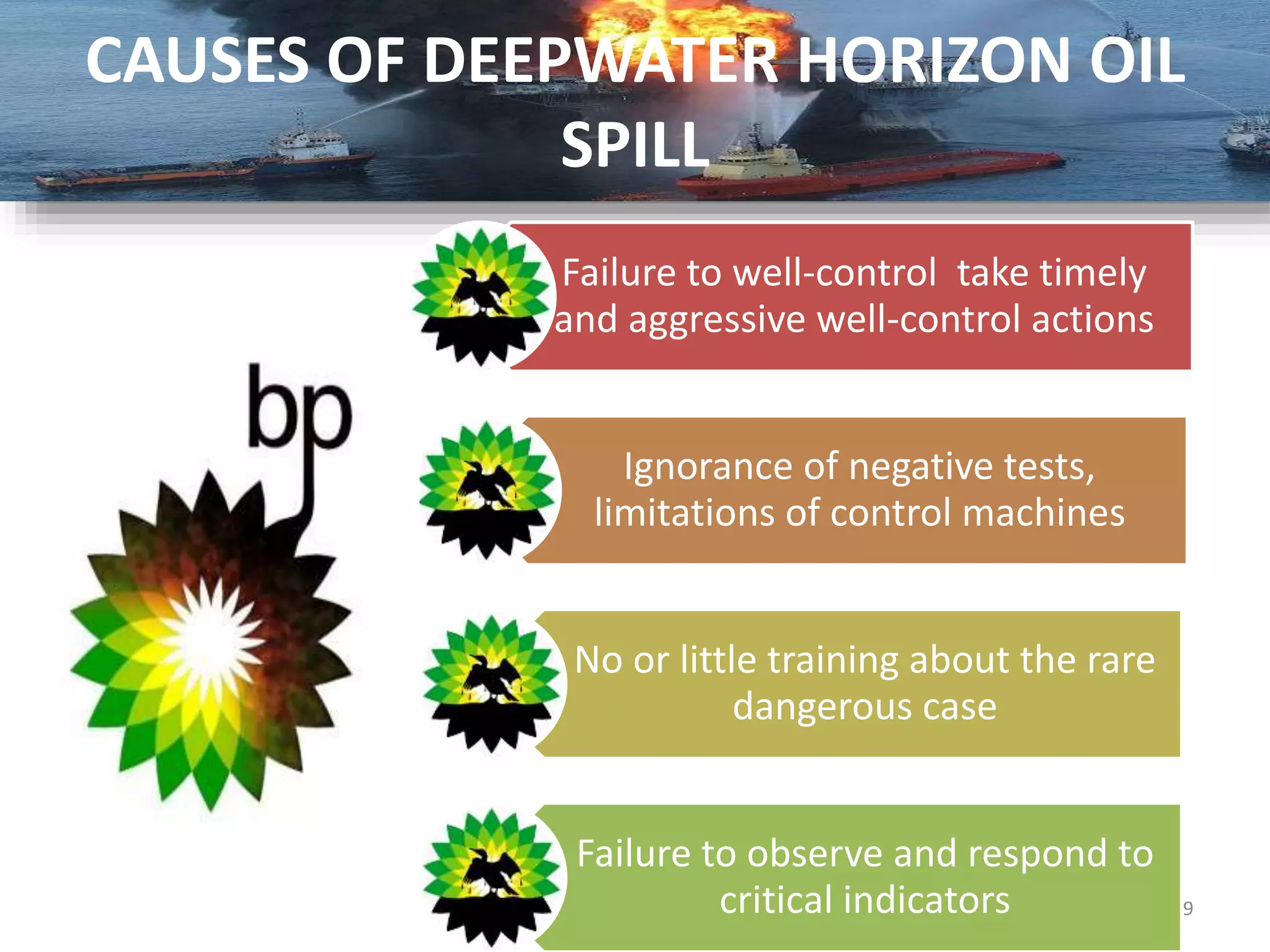
- Blowouts: A blowout is an uncontrolled release of crude oil or natural gas from a well after pressure control systems fail. If the geological pressure in the formation exceeds the hydrostatic head of the drilling mud, hydrocarbons can surge up the wellbore. If primary barrier systems and secondary blowout preventers (BOPs) fail to seal the wellhead, an uncontrolled deepwater release occurs. The 2010 Deepwater Horizon disaster in the Gulf of Mexico resulted from a catastrophic blowout, discharging an estimated 4 million barrels of oil over 87 days.
- Platform Structural Accidents: Fixed and floating production platforms are subject to wave fatigue, structural degradation, fires, and explosions, which can damage wellheads and subsea infrastructure.
Pipeline Infrastructure Ruptures and Storage Failures
Overland and subsea pipeline networks transport vast volumes of crude oil and refined liquids across continents and ocean basins. Because these pipelines operate continuously under high pressure, structural failures can release large quantities of petroleum before operators can detect and isolate the leak.
- Corrosion and Material Degradation: Both internal corrosion (caused by water, hydrogen sulfide, and microorganisms in the crude oil) and external corrosion (caused by soil chemistry or seawater oxidation) weaken pipeline walls. Over time, localized pitting leads to pinhole leaks or catastrophic wall ruptures.
- Third-Party Damage and Mechanical Defect: Excavation equipment, anchor drag in coastal waters, ground movement, and manufacturing defects in pipeline welds account for a substantial percentage of inland and coastal pipeline leaks.
Operational Releases and Intentional Discharges
Not all oil spills stem from high-profile accidents. Cumulative operational releases often exceed the volume lost in singular disasters over extended periods.
- Illegal Bilge Dumping: Ocean-going vessels regularly accumulate oily wastewater in their bilge spaces. While international maritime regulations require vessels to filter bilge water through oily water separators (reducing oil concentration below 15 parts per million), deliberate bypasses of this equipment lead to chronic pollution.
- Industrial Runoff: Urban runoff containing motor oil, industrial lubricants, and uncollected waste oil washes into storm drains and rivers, delivering a constant toxic load to estuarine environments.
- Acts of War and Sabotage: Military conflicts and acts of sabotage have produced some of the largest oil releases in history. During the 1991 Gulf War, intentional releases from oil terminals and tankers spilled an estimated 380 million to 520 million gallons into the Persian Gulf to deter amphibious landings.
Environmental and Ecological Effects
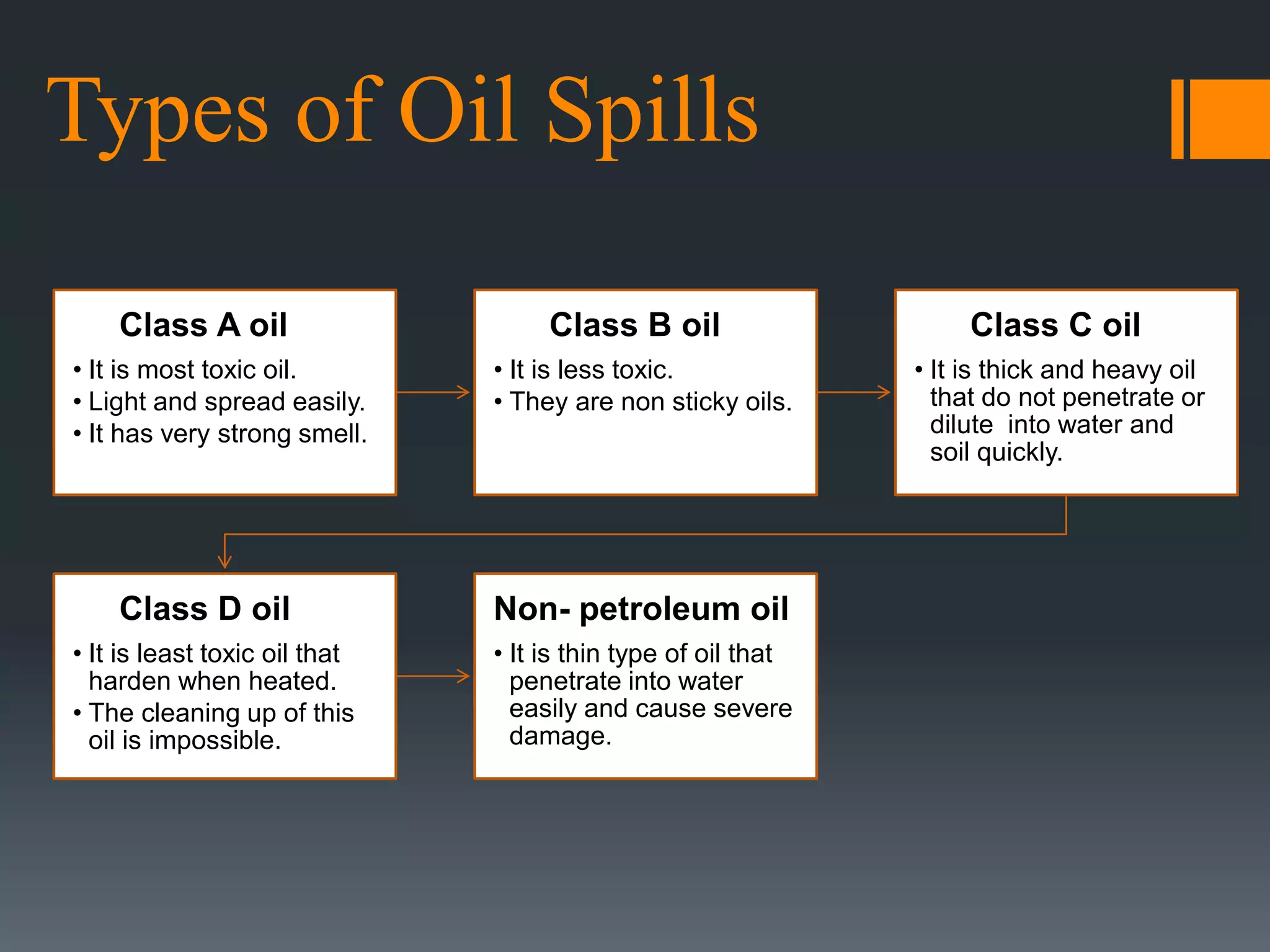
The ecological impact of an oil spill depends on the physical characteristics of the released petroleum, environmental conditions (such as ocean currents, water temperature, and wind speed), and the sensitivity of the affected ecosystem. Crude oil contains thousands of chemical compounds, primarily hydrocarbons, including volatile organic compounds (VOCs) and polycyclic aromatic hydrocarbons (PAHs).
- Petroleum Hydrocarbon Release
- Physical Coating & Fouling
- Hypothermia (loss of insulation)
- Asphyxiation of benthic organisms
- Smothering of coastal wetlands
- Chemical Toxicity & PAHs
- Bioaccumulation in food web
- Cellular & genetic damage
- Long-term sediment persistence
- Physical Coating & Fouling
Physical Coating and Thermal Disruption
When light or heavy crude oil coats marine life, it physically interferes with basic biological processes:
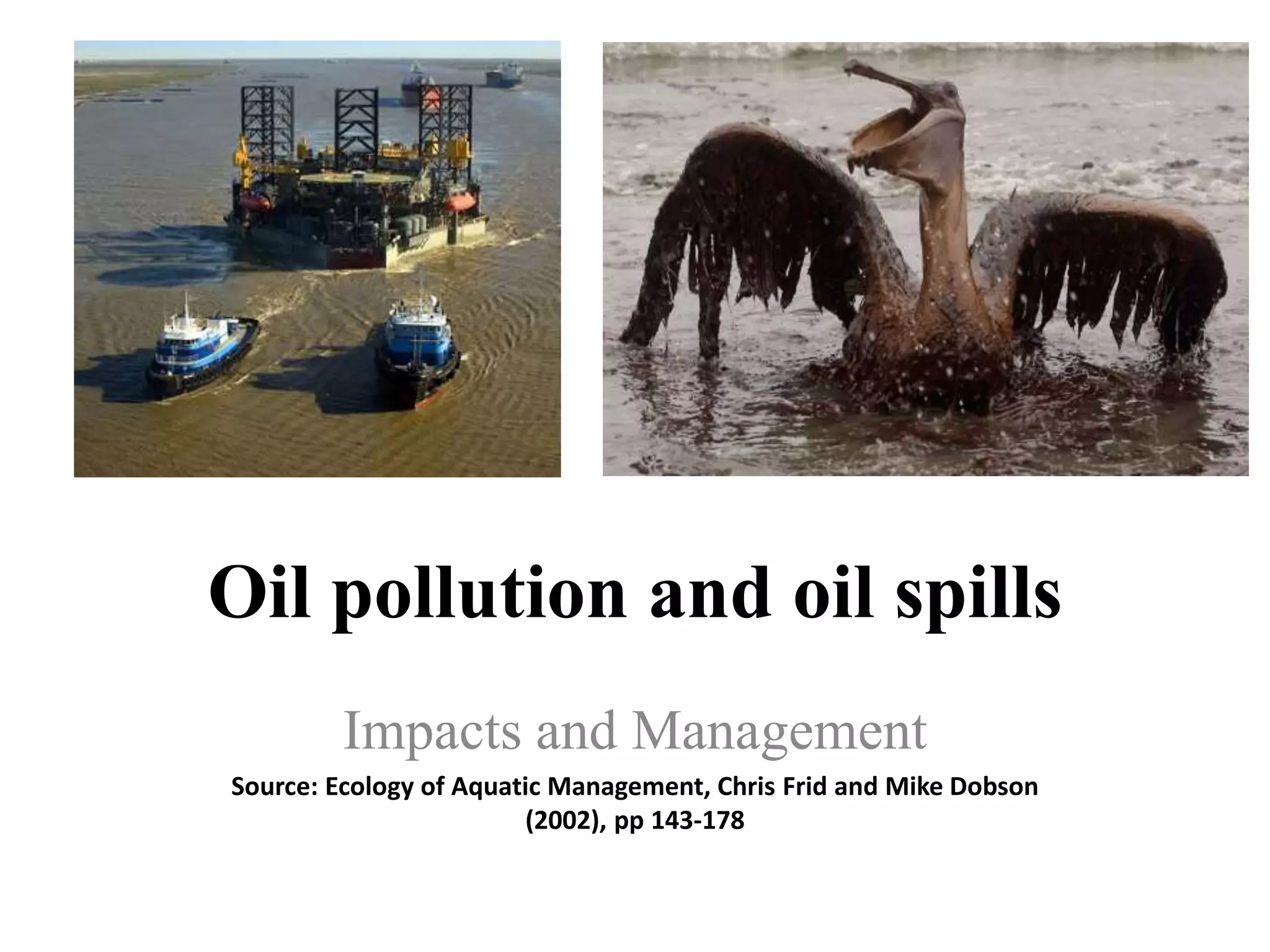
- Loss of Insulative Capacity: Feathers of seabirds and fur of marine mammals (such as sea otters) possess intricate microscopic structures that trap air pockets, providing vital thermal insulation and buoyancy. Oil matted onto feathers or fur breaks this waterproofing barrier. Exposed animals rapidly suffer from hypothermia, lose buoyancy, and drown.
- Asphyxiation and Smothering: Heavy crude oil forms a thick, viscous layer over tidal flats, salt marshes, and coral reefs. This physical barrier blocks sunlight required for photosynthesis by seagrasses and algae, and prevents oxygen exchange in intertidal organisms like barnacles, mussels, and crabs, causing mass suffocation.
Chemical Toxicity and Bioaccumulation
Petroleum contains toxic components, particularly low-molecular-weight aromatic compounds like benzene, toluene, ethylbenzene, and xylene (BTEX), as well as complex multi-ring polycyclic aromatic hydrocarbons (PAHs).
- Acute Ingestion and Inhalation Toxicity: Animals attempting to groom oil from their fur or feathers ingest toxic fractions, causing gastrointestinal ulceration, liver failure, kidney damage, and anemia. Marine mammals surfacing in an oil slick inhale volatile hydrocarbon vapors, leading to respiratory tract inflammation, lung congestion, and central nervous system depression.
- Chronic Toxicity and Mutagenesis: Sub-lethal exposure to PAHs causes long-term biological damage. These compounds can bioaccumulate within invertebrates and fishes, binding to DNA and producing genetic mutations, cardiac abnormalities in fish embryos, reproductive failure, and suppressed immune function.
Long-Term Ecosystem and Habitat Degradation
The environmental impacts of major oil spills often persist long after visible surface slicks disappear.
- Sediment Persistence: In low-oxygen coastal environments, such as salt marsh muds and deep ocean sediments, microbial degradation of petroleum slows dramatically. PAHs trapped in anaerobic subsurface sediments can persist for decades, continuously recontaminating bivalves, worms, and bottom-feeding fish.
- Mangrove and Coral Reef Mortality: Mangroves rely on specialized root structures (pneumatophores) to absorb oxygen from the air during low tide. Oil coatings seal these pores, suffocating the tree and causing root system collapse, which leads to severe coastal erosion. Similarly, exposure to oil and chemical dispersants damages sensitive coral tissues, causing coral bleaching, reduced larval settlement, and structural death of the reef ecosystem. Detailed environmental assessments published by the U.S. Environmental Protection Agency (EPA) emphasize the vulnerability of these intertidal habitats.
Socioeconomic and Human Health Impacts
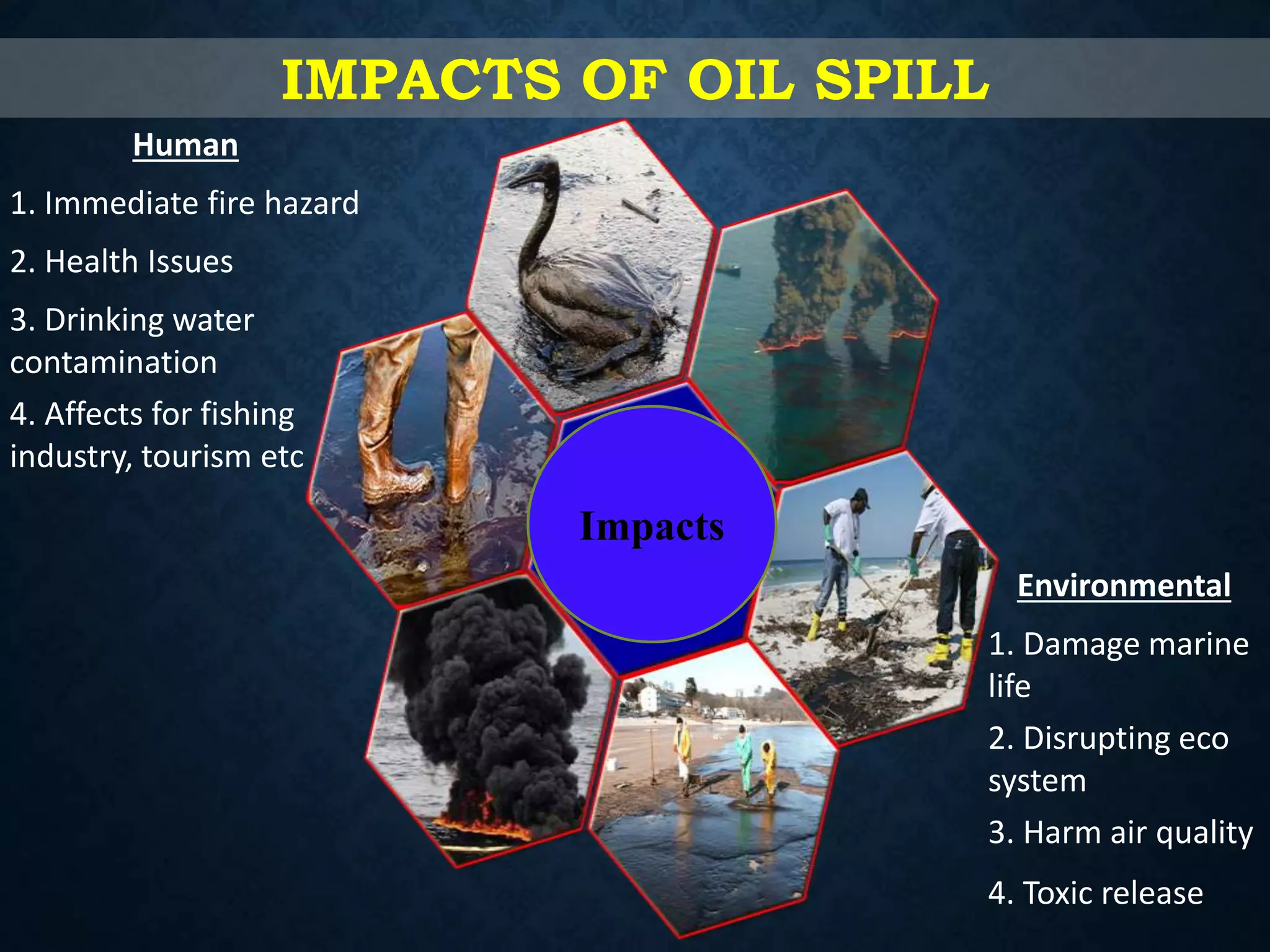
Oil spills cause profound economic damage to coastal communities and industries reliant on marine resources, while posing direct health risks to human populations.
Disruption of Commercial Fisheries and Aquaculture
Following a coastal oil spill, regulatory agencies usually close commercial and recreational fisheries to protect public health.
- Market Contamination and Bio-Taint: Fish and shellfish exposed to hydrocarbons absorb chemical compounds that impart an oily taste and smell (tainting), making seafood unsellable. Even after physical slicks clear, fisheries remain closed until rigorous chemical testing confirms PAH levels in tissue samples fall below safety thresholds.
- Loss of Aquatic Stock: Hydrocarbon exposure severely damages early life stages of commercial species. Shrimp larvae, oyster spat, and fish eggs suffer extreme mortality, suppressing commercial harvest yields for multiple reproductive cycles.
Coastal Tourism and Property Devaluation
Unfiltered oil, tar balls, and chemical odors ruin beaches, marinas, and coastal recreation zones.
- Tourism Losses: Coastal economies rely heavily on beach recreation, charter fishing, recreational boating, and coastal hospitality. Disastrous spills trigger widespread cancellation of travel, driving prolonged revenue losses across regional service sectors.
- Property Values: Residential and commercial real estate along oiled coastlines experiences immediate declines in market value due to aesthetic damage, health concerns, and reduced recreational access.
Human Health Risks and Community Strain
Humans interact with oil spills through direct contact during clean-up operations, inhalation of airborne vapors, or consumption of contaminated seafood.
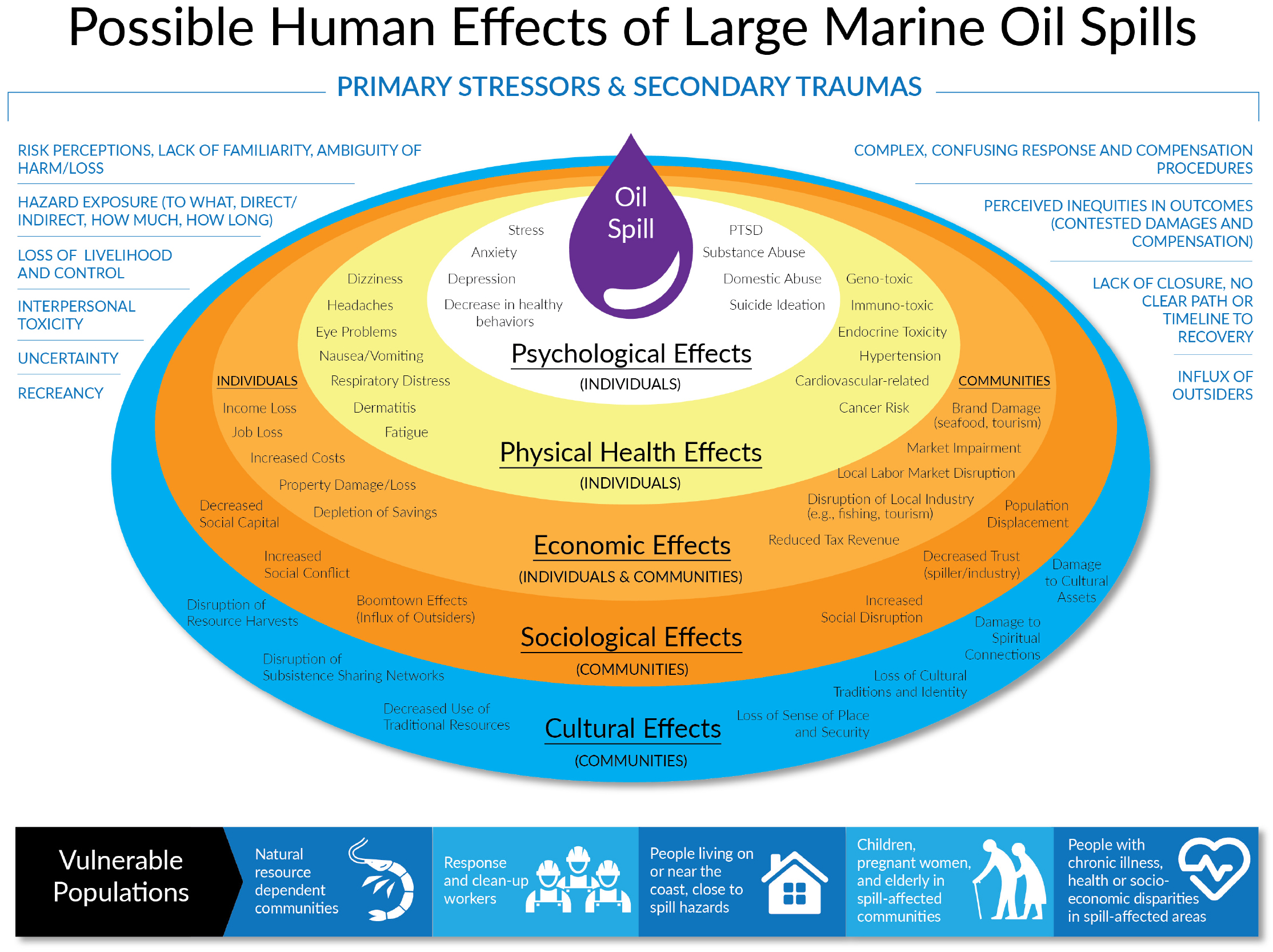
- Occupational Exposure: Responders and cleanup workers face acute health hazards, including skin irritation, chemical burns, nausea, dizziness, and respiratory inflammation caused by volatile organic compounds (VOCs). Long-term health monitoring of oil spill clean-up crews has revealed heightened risks of chronic respiratory symptoms and biochemical alterations.
- Public Health Precautions: Coastal populations exposed to airborne hydrocarbon plumes may experience neurological symptoms, eye irritation, and exacerbated asthma. Additionally, local communities suffer severe psychological stress, economic anxiety, and social disruption following the disruption of traditional marine-dependent livelihoods.
Comparative Overview: Spill Mechanics, Primary Causes, and Impact Profiles
The following table summarizes how different spill types vary in primary causes, typical oil composition, environmental recovery timelines, and predominant economic impacts.
| Spill Type / Location | Primary Causes | Oil Type Involved | Environmental Recovery Timeline | Dominant Economic Impact |
|---|---|---|---|---|
| Deepwater Blowout | Well control failure, blowout preventer (BOP) breakdown, high pressure | Light to medium crude, methane gas | 10 to 30+ years | Deep-water fisheries closure, offshore tourism loss, massive litigation costs |
| Tanker Grounding / Collision | Navigation error, mechanical breakdown, hull breach | Heavy crude or heavy fuel oil (bunker fuel) | 5 to 20+ years | Coastal shoreline fouling, seafood tainting, marine tourism halt |
| Pipeline Ruptures | Corrosion, mechanical damage, weld defect, ground movement | Light crude, heavy crude, or refined products | 3 to 15 years | Soil and groundwater contamination, agricultural disruption, infrastructure repair |
| Operational Bilge Discharge | Illegal bypass of oily water separators, improper maintenance | Waste oil, diesel, lubricating fluids | Persistent chronic baseline burden | Cumulative degradation of coastal estuaries, regulatory fines for operators |
| Refinery / Tank Farm Leak | Overfill errors, storage tank seal failure, storm surge damage | Refined products (gasoline, diesel, solvents) | 2 to 10 years (highly dependent on groundwater depth) | Groundwater contamination, urban soil remediation costs, volatile air pollution risks |
Prevention, Mitigation, and Regulatory Frameworks
Preventing oil spills and mitigating their impact requires strict international marine standards, technical innovations in vessel design, advanced offshore safety engineering, and rapid response mechanisms.
| Regulatory & Compliance | Engineering Standards | Containment & Response |
|---|---|---|
| Oil Pollution Act (US) | Double-hull tankers | Mechanical booms |
| MARPOL Annex I (IMO) | Subsea capping stacks | Skimmers & centrifuges |
| Mandatory inspection | Redundant BOP systems | In-situ burning |
Regulatory Compliance and International Treaties
Major historical spills have prompted significant reforms in environmental law and maritime safety policy:
- The Oil Pollution Act of 1990 (OPA 90): Enacted by the United States Congress following the Exxon Valdez spill, OPA 90 streamlined federal response authority, mandated double hulls for oil tankers operating in U.S. waters, dramatically expanded financial liability for vessel owners, and established the Oil Spill Liability Trust Fund.
- MARPOL Convention: The International Convention for the Prevention of Pollution from Ships (MARPOL Annex I) establishes strict international standards to prevent oil pollution from operational measures as well as accidental discharges.
Technical Engineering Innovations
Modern maritime transport and offshore extraction rely on redundant engineering systems to lower spill risk:
- Double-Hull Vessel Design: Double-hull tankers place a secondary inner hull approximately one to two meters inside the outer structural hull. In low-impact groundings or minor collisions, the outer hull may breach without penetrating the internal cargo tanks containing the oil.
- Subsea Capping Stacks and BOP Redundancy: Following deepwater drilling accidents, the offshore oil industry developed subsea capping stacks—massive, high-pressure mechanical valve assemblies designed to deploy directly onto a leaking wellhead on the seafloor to seal off uncontrolled flow.
Spill Containment and Response Technologies
When an oil spill occurs, response teams employ physical, chemical, and biological strategies to contain and remediate the discharge:
- Spill Response Methods
- Mechanical Containment
- Containment booms
- Oleophilic skimmers
- Absorbent barriers
- Chemical Dispersants
- Surface/Subsea injection
- Breaks slick into droplets
- Accelerates bio-degradation
- Biological Remediation
- Nutrient enhancement
- Indigenous oil-degrading microbes (bioaugmentation)
- Mechanical Containment
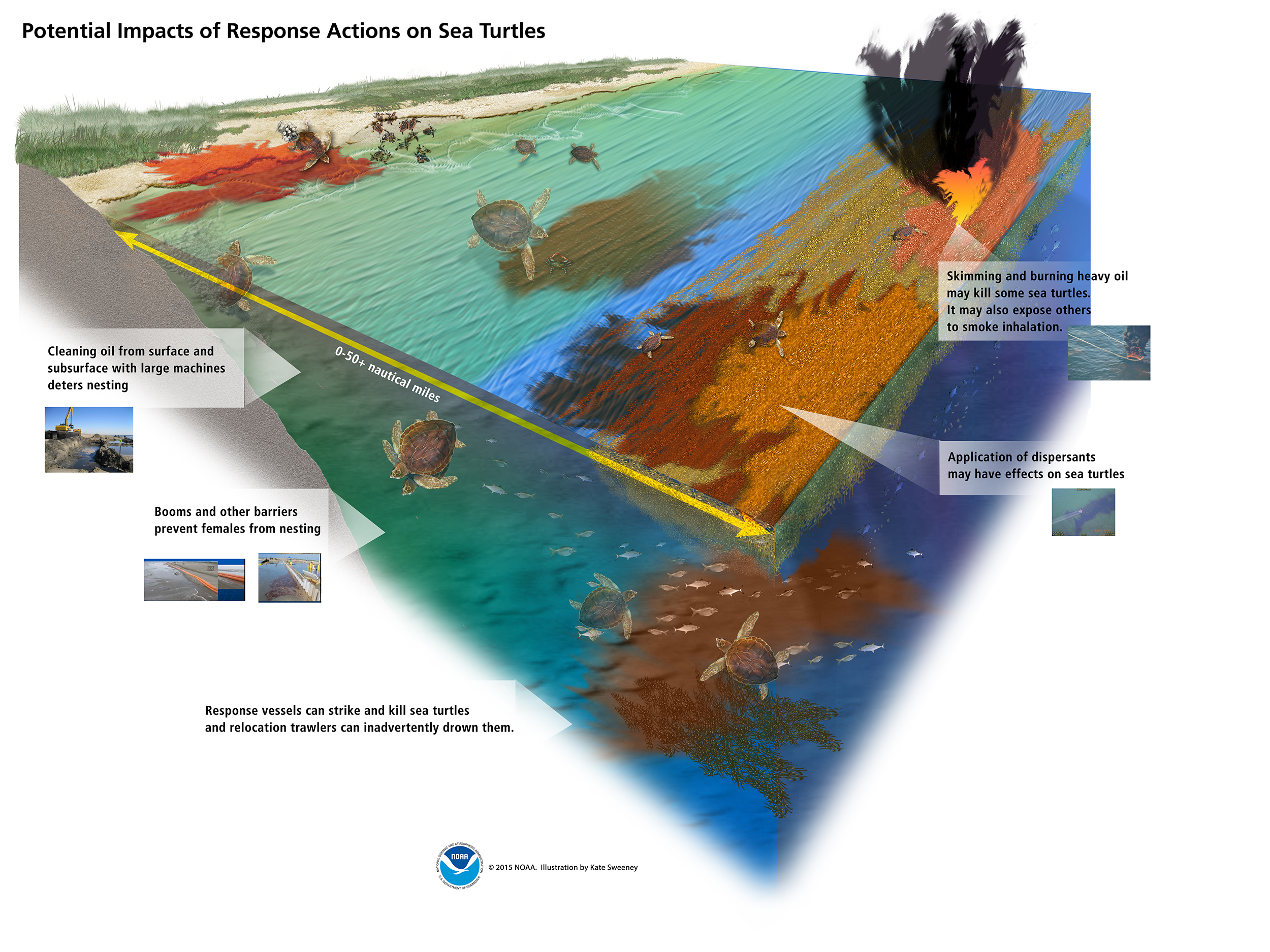
- Mechanical Containment: Responders deploy floating containment booms to concentrate surface oil and prevent it from spreading into sensitive marshlands or water intakes. Specialized vessels equipped with oleophilic skimmers draw the floating oil off the water surface into recovery tanks.
- Chemical Dispersants: Dispersants are specialized chemical mixtures sprayed onto surface slicks or injected directly at a deepwater wellhead. These surfactants break the oil slick into tiny droplets that disperse throughout the water column, accelerating natural microbial breakdown. However, chemical dispersants remain controversial because dispersing oil increases its bioavailability and toxicity to sub-surface marine organisms.
- In-Situ Burning: When weather conditions allow, fresh surface slicks can be contained within fire-resistant booms and ignited. In-situ burning can rapidly remove large volumes of surface oil (up to 95% efficiency under optimal conditions), though it generates heavy smoke plumes and toxic residual soot.
- Bioremediation: Bioremediation uses indigenous oil-degrading microorganisms (bacteria and fungi) to consume petroleum hydrocarbons, metabolizing them into non-toxic water and carbon dioxide. Field crews often apply nitrogen and phosphorus fertilizers to oiled beaches to stimulate the natural growth rate of these oil-eating bacteria. Technical guidance from the National Oceanic and Atmospheric Administration (NOAA) details the tactical selection of these containment strategies based on coastal geography and weather profiles.
Frequently Asked Questions
What is the single largest cause of oil spills worldwide?
The largest volume of oil spilled stems from cumulative operational releases—including urban runoff, industrial wastewater, and illegal vessel bilge discharges—rather than rare, high-profile tanker groundings. However, among catastrophic single-event accidents, offshore well blowouts and supertanker collisions account for the greatest volume of oil lost in a single incident.
How does an oil spill cause hypothermia in seabirds and marine mammals?
Petroleum breaks down the physical micro-structure of feathers and fur, stripping away natural waterproofing and air-trapping qualities. Seabirds rely on trapped air beneath their feathers for buoyancy and heat retention, while marine mammals rely on clean fur layers. Without this air barrier, cold ocean water contacts their skin directly, causing rapid heat loss, hypothermia, and death.
Are chemical dispersants safe for marine ecosystems?
Chemical dispersants break surface oil into micro-droplets to prevent slicks from washing into sensitive shoreline habitats. However, dispersants do not remove oil from the environment; they move it into the water column. This increases the exposure of fish, pelagic organisms, coral reefs, and plankton to toxic dissolved polycyclic aromatic hydrocarbons (PAHs), presenting ecological trade-offs.
How long does an ecosystem take to fully recover from a major oil spill?
Recovery times vary depending on water energy, ambient temperature, and habitat type. High-energy ocean coastlines subject to strong wave action may recover in 3 to 7 years. Low-energy, sheltered environments like salt marshes, mangrove forests, and deep ocean sediments can retain persistent toxic petroleum fractions for 20 to 50 years.
What legal financial liabilities do companies face after an oil spill?
Under frameworks like the U.S. Oil Pollution Act (OPA 90) and international maritime liability conventions, responsible parties face strict liability. They must cover the full cost of containment, removal operations, direct damages to real or personal property, loss of commercial profits and earning capacity, loss of tax revenues, and natural resource damage assessments (NRDA) to restore damaged ecosystems.
Practical Recommendations for Risk Reduction and Emergency Preparedness
To minimize the occurrence and severity of petroleum spills, industrial operators, marine vessel managers, and environmental compliance teams should prioritize these operational actions:
- Establish Integrity Management Programs: Industrial pipeline operators and storage tank managers must implement routine internal pipeline inspection (using intelligent pigging technology) and continuous acoustic or pressure-drop monitoring to detect structural leaks before catastrophic wall failure occurs.
- Enforce Safety Management Systems (SMS): Maritime operators must ensure complete compliance with the IMO International Safety Management (ISM) Code, requiring regular navigation audits, mandatory fatigue management protocols for bridge officers, and verified maintenance schedules for oily water separators.
- Maintain Advanced Spill Response Preparedness: Industrial sites handling petroleum hydrocarbons should maintain pre-staged containment equipment—including fire-resistant booms, oleophilic skimmers, and temporary storage bladders. Facilities must conduct unannounced emergency deployment exercises annually to verify operational readiness.
- Perform Ecological Risk Mapping: Facility operators and local port authorities should update Environmental Sensitivity Index (ESI) mapping for nearby coastal habitats. Having precise geographic data on vulnerable salt marshes, fish spawning grounds, and municipal water intakes enables response crews to deploy protection booms effectively during the early hours of an emergency release.
Image Gallery