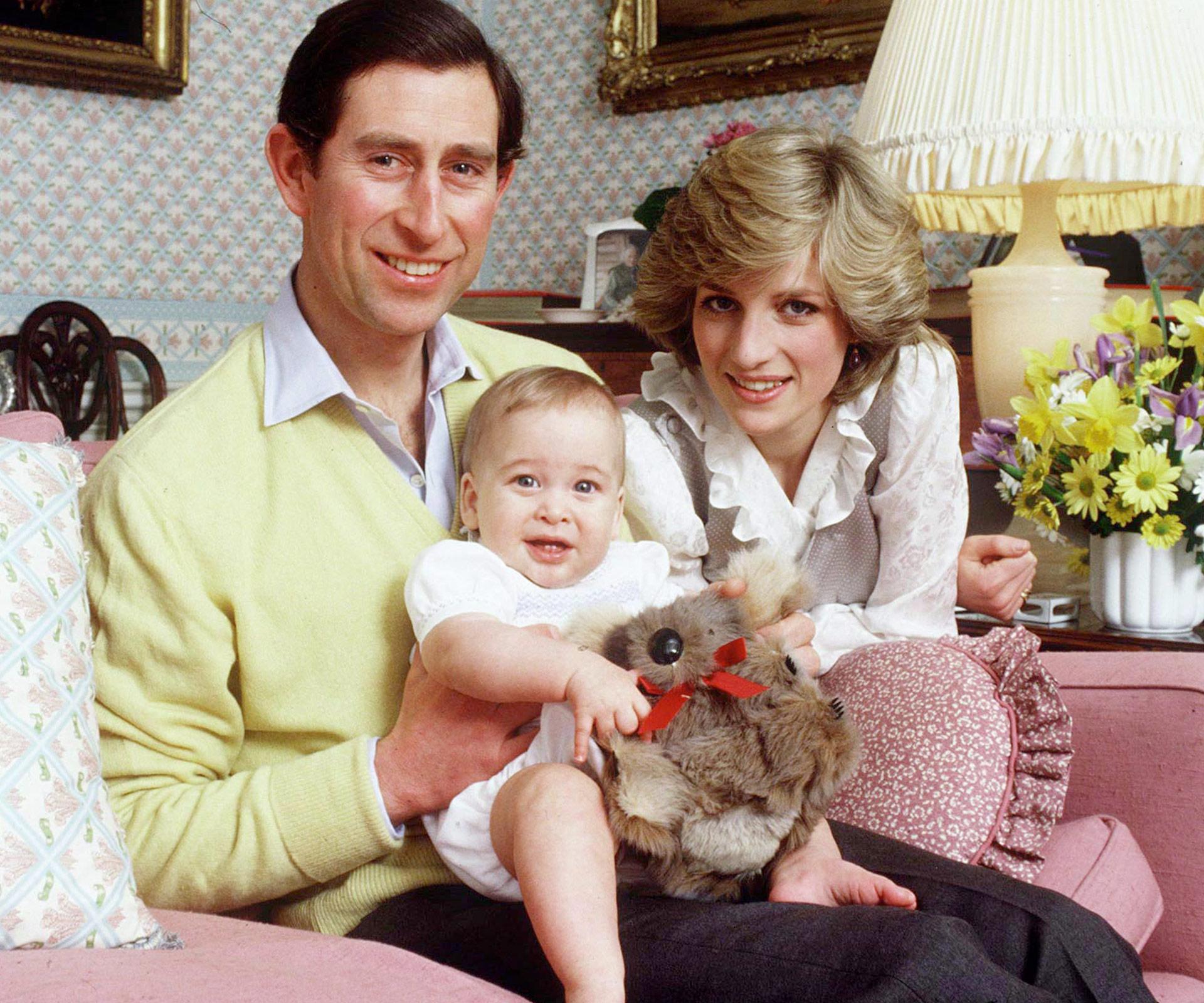
A Look at Princess Diana’s Life and Legacy: History, Humanitarian Impact, and Cultural Influence
Diana, Princess of Wales, remains one of the most influential public figures of the 20th century. From her 1981 marriage to Prince Charles to her pioneering humanitarian activism, her life reshaped the public perception of the British...
Diana, Princess of Wales, remains one of the most influential public figures of the 20th century. From her 1981 marriage to Prince Charles to her pioneering humanitarian activism, her life reshaped the public perception of the British monarchy, challenged global social stigmas, and established a modern model for public advocacy.
Contents
Early Life and Noble Heritage
Diana Frances Spencer was born on July 1, 1961, at Park House, Sandringham, Norfolk. She was the youngest daughter of John Spencer, Viscount Althorp (later the 8th Earl Spencer), and Frances Shand Kydd. The Spencer family had maintained close ties with the British Royal Family for generations, giving Diana an upbringing immersed in British nobility.
Following her parents' divorce during her childhood, Diana lived with her father at the Spencer family seat of Althorp in Northamptonshire. Her formal education took place at Silfield School in King's Lynn, Riddlesworth Hall in Norfolk, and West Heath Girls' School in Sevenoaks, Kent. Although she did not excel academically, she demonstrated an early talent for music, dance, and working with young children.
In 1978, after completing her schooling at the Institut Alpin Videmanette in Switzerland, Diana moved to London. She worked a series of modest jobs, including as a dance instructor, a nanny, and an assistant at the Young England Kindergarten in Pimlico. During this period, her courtship with Prince Charles, heir to the British throne, began to develop under intense media observation.
The Royal Marriage and Public Profile
The engagement of Prince Charles and Lady Diana Spencer was formally announced on February 24, 1981. Their wedding on July 29, 1981, at St Paul’s Cathedral in London, was broadcast to a global television audience estimated at 750 million people across 74 countries. Upon her marriage, Diana assumed the title Her Royal Highness The Princess of Wales.
- Royal Wedding: July 29, 1981
- Birth of Prince William (June 21, 1982)
- Birth of Prince Harry (September 15, 1984)
The couple had two sons: Prince William, born on June 21, 1982, and Prince Harry, born on September 15, 1984. Diana sought to provide her sons with a broader experience of everyday life than was typical for royal heirs, taking them to public schools, amusement parks, fast-food outlets, and homeless shelters.
As Princess of Wales, Diana's charisma, fashion sense, and direct engagement with the public created unprecedented international fascination. Media outlets covered her public appearances extensively, making her one of the most photographed women in the world. However, this level of scrutiny placed severe pressure on her personal life and her marriage.
Humanitarian Advocacy and Breaking Social Stigmas
Princess Diana transformed royal patronage by championing causes that were often overlooked or stigmatized by mainstream society. Rather than acting solely as a ceremonial figurehead, she engaged directly with marginalized individuals, bringing global media attention to critical health and social issues.
HIV and AIDS Awareness
In April 1987, Princess Diana officially opened the UK’s first purpose-built HIV/AIDS unit at London’s Middlesex Hospital. At a time when fear and misinformation regarding the transmission of HIV were widespread, she was photographed shaking hands with an AIDS patient without wearing gloves.
This simple gesture directly challenged the false belief that HIV could be transmitted through casual touch. Her continued visits to AIDS clinics in the United Kingdom, the United States, and South Africa helped shift public attitudes and reduce the severe social stigma surrounding the virus.
Landmines and the HALO Trust
In January 1997, Diana traveled to Angola in collaboration with the HALO Trust, a landmine clearance charity. Wearing a protective visor and flak jacket, she walked through an active landmine field that had been partially cleared, demonstrating the immediate physical danger faced by civilian populations in post-conflict zones.
Her involvement provided crucial momentum for international arms reduction discussions. Her campaign contributed directly to the signing of the Ottawa Treaty (the International Campaign to Ban Landmines) in December 1997, just months after her death. The treaty established a global ban on the production, stockpiling, and transfer of anti-personnel mines.
Homelessness and Mental Health
Diana served as patron of Centrepoint, a UK charity supporting homeless youth, introducing both of her sons to its work. She also spoke openly about her personal struggles with bulimia, anxiety, and depression, contributing to a broader public conversation surrounding mental health long before the issue gained widespread clinical and societal acceptance.
| Year | Key Humanitarian Focus | Primary Partner / Charity | Historical Impact |
|---|---|---|---|
| 1987 | HIV/AIDS Awareness | London Middlesex Hospital Unit | Dispelled myths on casual contact transmission by shaking hands with patients without gloves. |
| 1989 | Leprosy Stigma Reduction | The Leprosy Mission | Visited hospitals in India, Nepal, and Zimbabwe to dismantle touch-based stigmas. |
| 1992 | Homelessness Support | Centrepoint | Elevated visibility for youth homelessness and introduced future royal heirs to direct social advocacy. |
| 1997 | Anti-Personnel Landmines | The HALO Trust | Accelerated international support for the Ottawa Treaty banning anti-personnel landmines worldwide. |
Marital Separation, Divorce, and Independent Life
By the late 1980s, the marriage between Prince Charles and Princess Diana had fractured significantly due to personal incompatibility and extra-marital relationships on both sides. Prime Minister John Major announced their formal separation in the House of Commons in December 1992.
In November 1995, Diana gave a famous interview to BBC’s Panorama, discussed her struggles with royal life, her mental health, and the breakdown of her marriage. The interview prompted Queen Elizabeth II to advise the couple to divorce. The divorce was finalized on August 28, 1996.
As part of the divorce settlement:
- Diana lost the style of Her Royal Highness but retained the title Diana, Princess of Wales.
- She received a lump-sum financial settlement and retained her apartment at Kensington Palace.
- She agreed to share joint custody of Prince William and Prince Harry.
Following her divorce, Diana stepped down from over 100 charities to focus her patronage on a select group of core causes, including the National AIDS Trust, Centrepoint, the Royal Marsden Hospital, Great Ormond Street Hospital for Children, the English National Ballet, and the Leprosy Mission.
The Events of August 1997 and Global Reaction
On August 31, 1997, Diana died following a high-speed car crash in the Pont de l'Alma tunnel in Paris, France. She was traveling with Dodi Fayed and driver Henri Paul, both of whom were also killed. Bodyguard Trevor Rees-Jones survived the crash with severe injuries. The vehicle was being pursued by paparazzi photographers when the driver lost control. Subsequent official investigations by French authorities and the British Metropolitan Police (Operation Paget) concluded that the crash was caused by driver negligence while under the influence of alcohol and prescription drugs, aggravated by the pursuit of the photographers.
The public reaction to Diana’s death was unprecedented in modern British history. An estimated one million bouquets of flowers were left outside Kensington Palace and Buckingham Palace. Her funeral took place on September 6, 1997, at Westminster Abbey, viewed by an estimated global television audience of 2.5 billion people. Singer Elton John performed a rewritten version of his song "Candle in the Wind," which became one of the best-selling physical singles of all time, raising millions for charities supported by Diana.
Long-Term Legacy and Institutional Impact
Princess Diana’s influence reshaped the relationship between the British monarchy, the media, and the public. Her approach to public engagement set a new standard for modern royal conduct.
- Princess Diana's Historical Impact
- Modernized Royal Public Engagement (Empathy & Direct Touch)
- Global Stigma Reduction (HIV/AIDS, Landmines)
- Targeted Philanthropic Focus Model (Focused High-Impact Patrons)
Modernization of the Monarchy
Diana introduced an empathetic, accessible style of public service that diverged from traditional royal distance. Her legacy directly influenced how her sons, Prince William and Prince Harry, approach their public responsibilities. Royal operations today place a far greater emphasis on personal connection, mental health advocacy, and direct community involvement as a standard protocol.
The Diana Award
Established in 1999, The Diana Award serves as a lasting legacy to her belief in the power of young people to change the world. Supported by both of her sons, the organization runs anti-bullying campaigns and honors young people involved in humanitarian action.
Media Relations and Privacy Laws
Diana's death sparked critical global discussions regarding press ethics, privacy rights, and the behavior of paparazzi. It prompted changes in media regulation in the UK, including tightened guidelines within the Press Complaints Commission (now the Independent Press Standards Organisation) regarding the harassment of public figures and their children.
Frequently Asked Questions
When did Lady Diana Spencer marry Prince Charles?
Lady Diana Spencer married Prince Charles on July 29, 1981, at St Paul’s Cathedral in London.
What were Princess Diana’s main charitable causes?
Princess Diana focused extensively on HIV/AIDS awareness, the clearance of anti-personnel landmines, youth homelessness, leprosy relief, cancer care, and children’s health facilities.
How did Princess Diana die?
Princess Diana died on August 31, 1997, from injuries sustained in a car crash in the Pont de l'Alma tunnel in Paris, France. Official investigations determined the driver was impaired by alcohol and prescription drugs while fleeing paparazzi.
What was the Ottawa Treaty, and how was Diana involved?
The Ottawa Treaty is an international agreement banning anti-personnel landmines. Diana raised global awareness for the campaign by visiting active minefields in Angola with the HALO Trust in 1997, which accelerated international diplomatic support for the treaty.
Did Princess Diana retain her royal title after her divorce?
Following her divorce on August 28, 1996, she gave up the style Her Royal Highness but was permitted to retain the formal title Diana, Princess of Wales.
Assessing Historical Significance
Understanding Princess Diana’s legacy requires examining both her personal history and her systemic impact on international charity work and royal operations. Readers interested in exploring her lasting contributions further should examine the ongoing work of charities she supported, such as The HALO Trust and Centrepoint, which continue to operate globally under the principles of advocacy and public education she helped establish.
Image Gallery