Navigating Humana Medicare Supplement Plans: Options, Costs, and Coverage Benefits
Humana Medicare Supplement plans, commonly referred to as Medigap policies, are private insurance products designed to pay for the out-of-pocket costs left behind by Original Medicare (Part A and Part B). These standardized plans help...
Humana Medicare Supplement plans, commonly referred to as Medigap policies, are private insurance products designed to pay for the out-of-pocket costs left behind by Original Medicare (Part A and Part B). These standardized plans help cover copayments, coinsurance, and deductibles, allowing policyholders to visit any physician or healthcare facility nationwide that accepts Medicare without requiring network referrals.
Contents
Understanding Original Medicare vs. Humana Medigap Coverage
Original Medicare consists of two main components: Part A (Hospital Insurance) and Part B (Medical Insurance). While Original Medicare provides broad foundational coverage, it does not pay for all medical costs. Beneficiaries remain responsible for various deductibles, coinsurance charges (typically 20% of the Medicare-approved amount for Part B services), and potential copayments. Crucially, Original Medicare does not set an annual out-of-pocket maximum, leaving individuals exposed to unpredictable medical expenses in the event of major illness or hospitalization.
Humana offers private Medicare Supplement plans to mitigate this financial risk. A Medigap policy acts as a secondary payer to Original Medicare. When an individual receives Medicare-covered services, Original Medicare pays its share of the approved cost first. The remaining out-of-pocket balance is then forwarded to the Humana Medigap plan, which pays its share according to the specific policy terms.
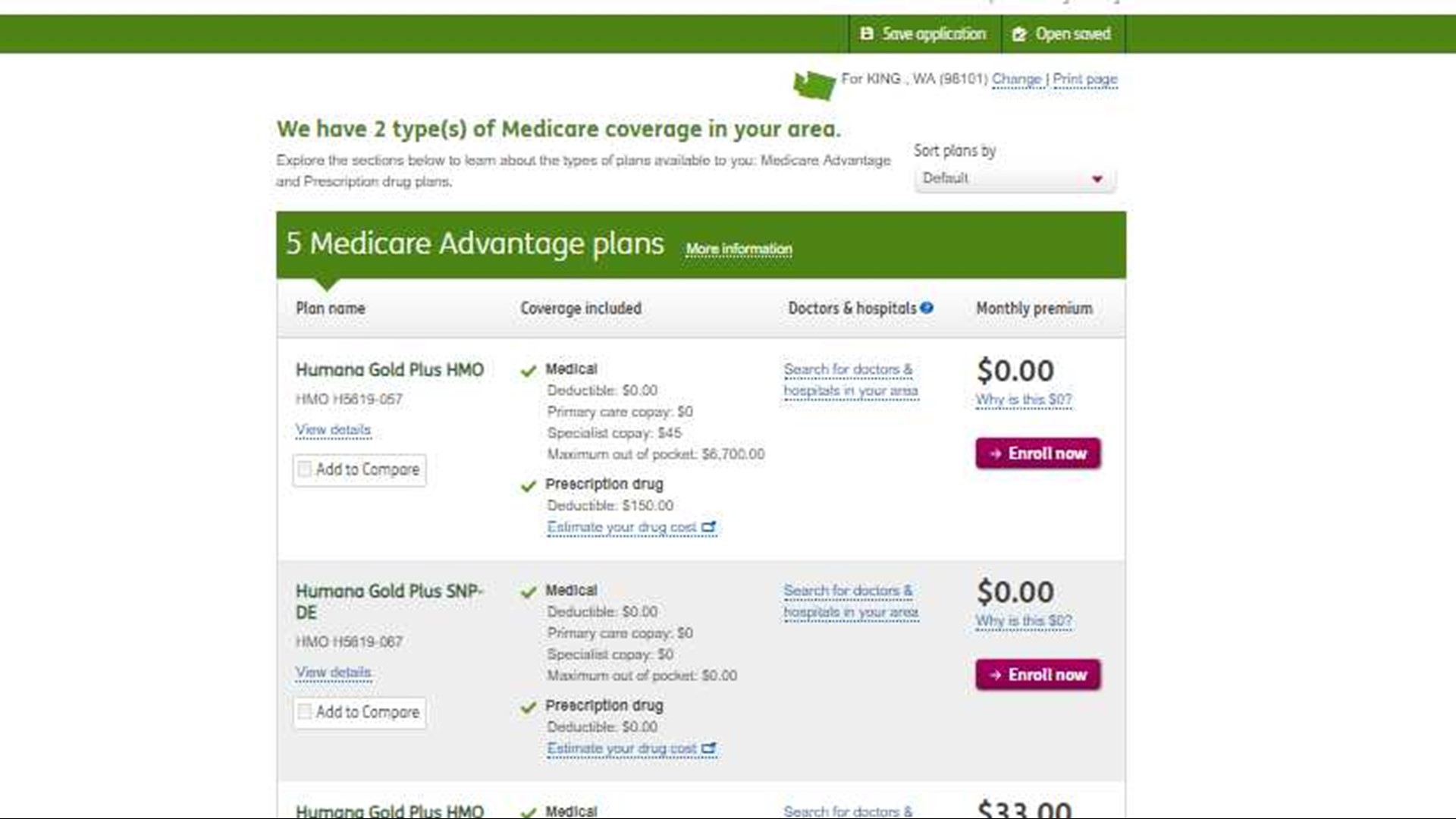
It is essential to distinguish Medigap policies from Medicare Advantage (Part C) plans. Medicare Advantage plans replace Original Medicare by delivering hospital and medical benefits through a private managed-care network (such as an HMO or PPO), often including prescription drug coverage. In contrast, a Humana Medigap plan works alongside Original Medicare. Policyholders retain their Original Medicare benefits, can see any doctor who accepts Medicare across the United States, and do not need primary care referrals to see specialists.
Disclaimer: Insurance rules, plan options, and premium rates vary by state and county. This guide provides general educational information regarding Medicare Supplement policies regulated under state and federal law.
Standardized Medigap Plans Offered by Humana
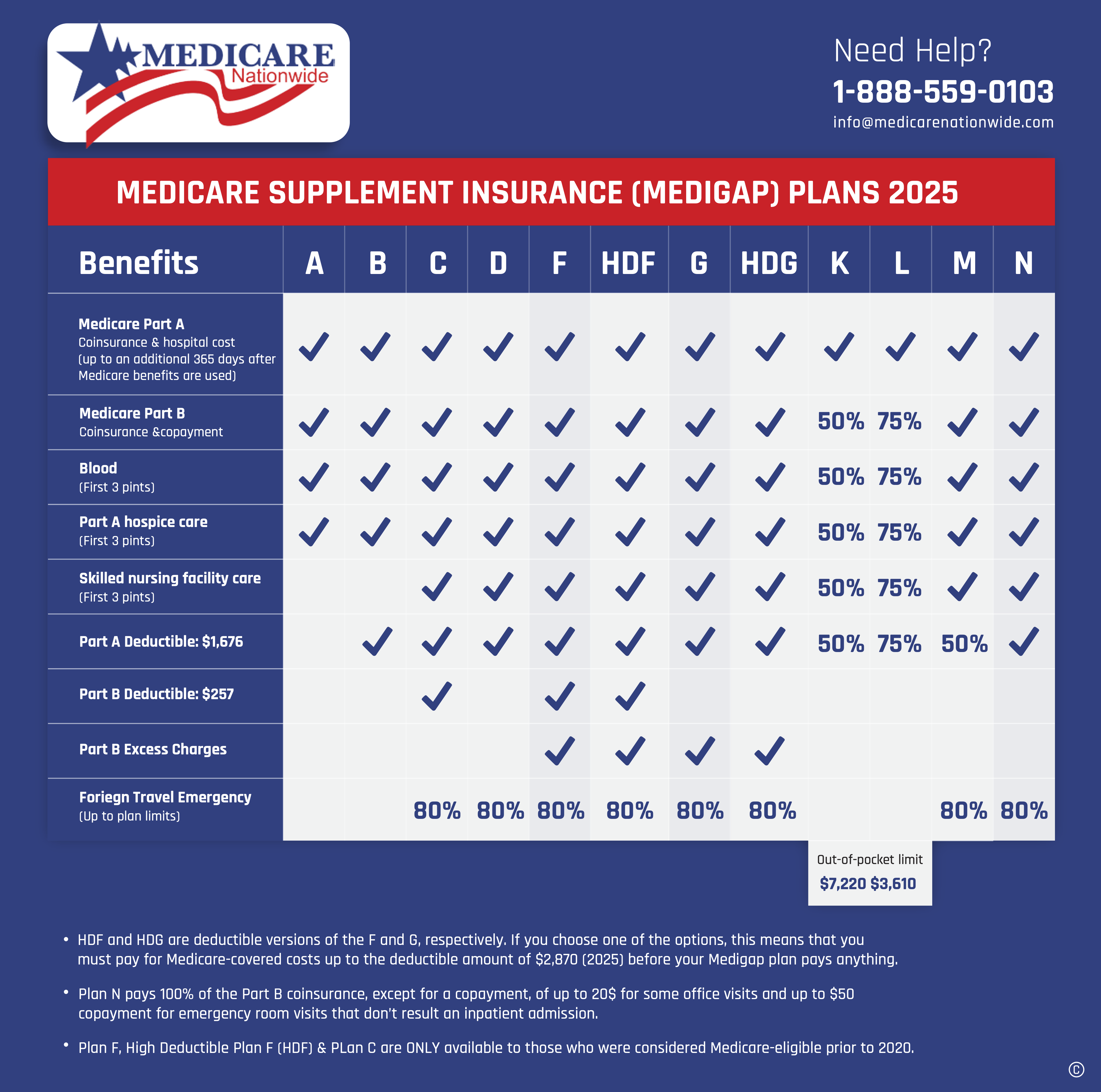
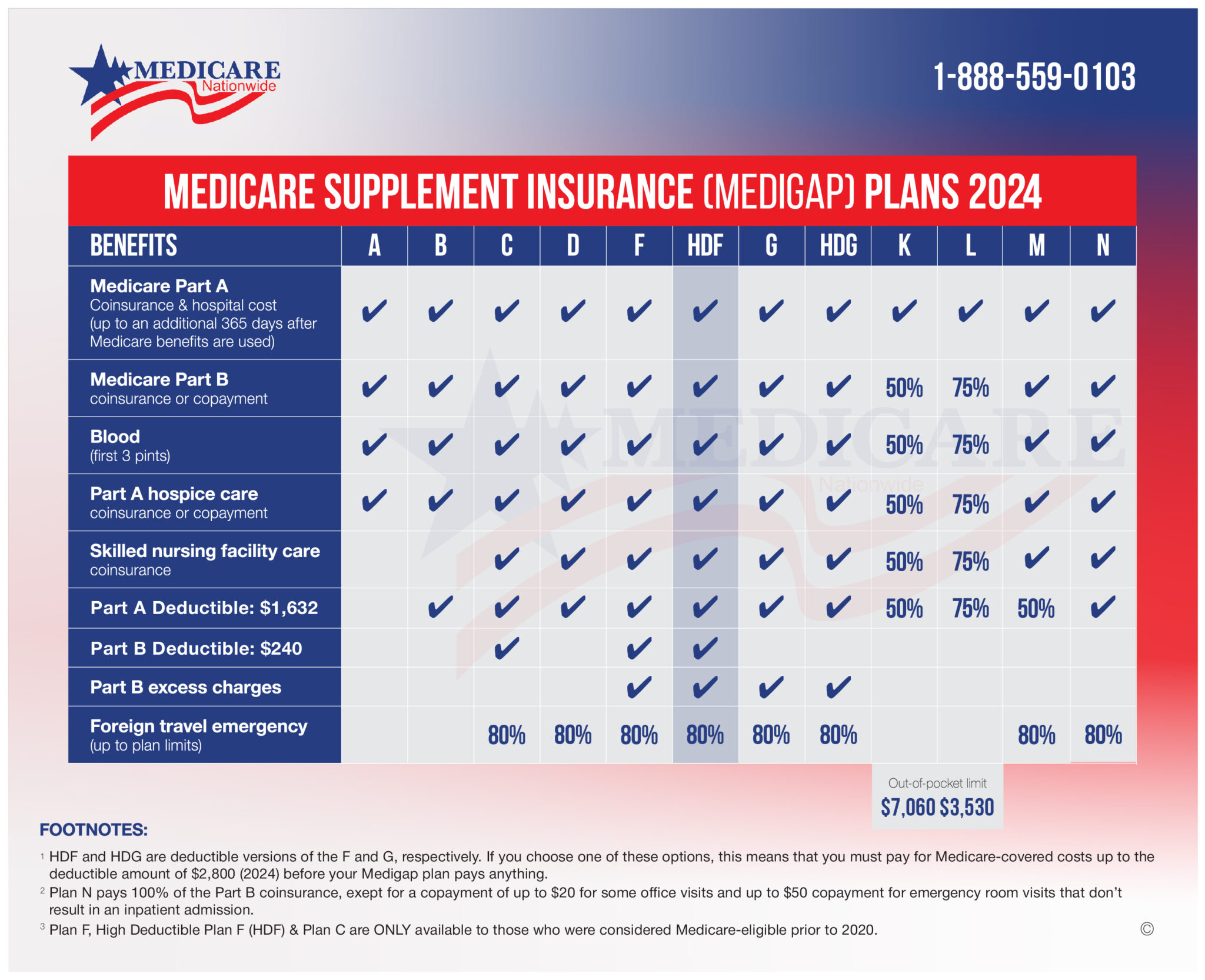
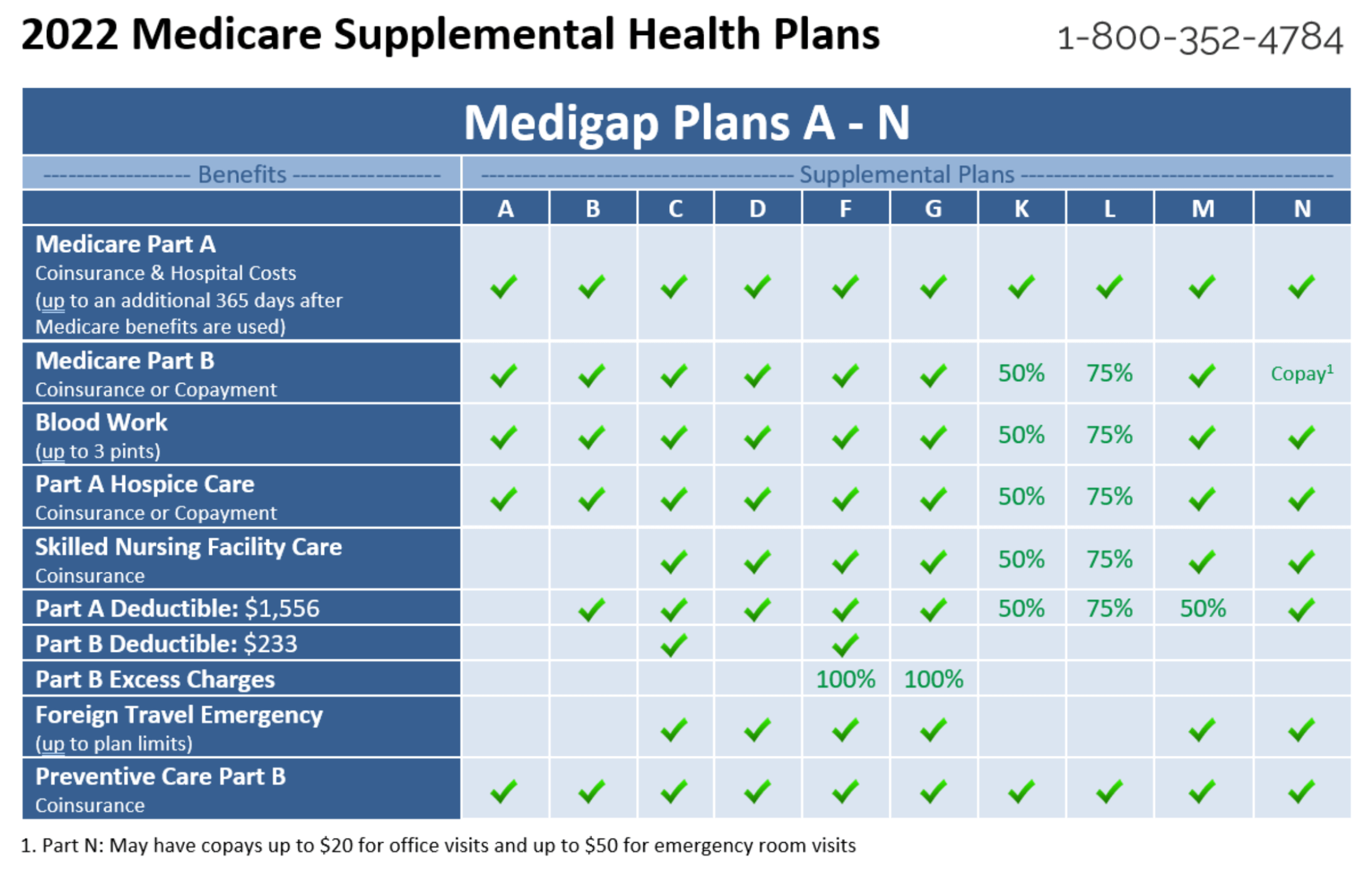
By federal law, Medicare Supplement plans are standardized across most states into lettered categories (Plans A, B, C, D, F, G, K, L, M, and N). Massachusetts, Minnesota, and Wisconsin utilize their own state-specific standardization frameworks. Standardization ensures that a Plan G purchased through Humana offers the exact same core medical benefits as a Plan G purchased through any other carrier. However, premiums, customer service quality, administrative tools, and additional non-insurance perks can differ significantly.
Humana offers several of the most popular standardized plan options depending on geographic location and applicant eligibility.
- Original Medicare: Pays initial approved amount
- Out-of-Pocket Gap: Coinsurance, Deductibles, Copays
- Humana Medigap: Pays remaining covered out-of-pocket costs
Humana Plan G: Comprehensive Protection for New Enrollees
Plan G has become the primary choice for beneficiaries enrolling in Medicare. It covers virtually all out-of-pocket expenses associated with Original Medicare, with one notable exception: the annual Medicare Part B deductible.
Under Humana Plan G, covered benefits include:
- Medicare Part A hospital coinsurance and hospital costs up to an additional 365 days after Medicare benefits are used up.
- Medicare Part A hospice care coinsurance or copayment.
- Medicare Part A deductible.
- Medicare Part B coinsurance or copayment (100%).
- Skilled nursing facility (SNF) care coinsurance.
- Medicare Part B excess charges (amounts charged by providers who do not accept Medicare assignment, up to the 15% statutory limit).
- Foreign travel emergency health care (80% of covered expenses up to plan limits).
Because Plan G covers Part B excess charges and all inpatient costs, members face minimal financial surprises. Once the annual Part B deductible is satisfied out-of-pocket, Plan G pays 100% of covered medical bills for the remainder of the calendar year.
Humana Plan N: Cost-Effective Monthly Premiums
For individuals seeking lower monthly premiums who are willing to accept modest copayments, Humana Plan N offers a balanced alternative to Plan G.
Plan N covers the Medicare Part A deductible, Part A coinsurance, skilled nursing facility coinsurance, and Part B coinsurance. However, Plan N incorporates specific cost-sharing mechanisms:
- Office Visit Copayments: Beneficiaries pay up to $20 for routine physician and specialist office visits.
- Emergency Room Copayments: Beneficiaries pay up to $50 for emergency room visits that do not result in an inpatient hospital admission.
- Part B Excess Charges: Plan N does not cover Part B excess charges. If a physician does not accept "Medicare assignment" (meaning they reserve the right to bill above the Medicare-approved payment schedule), the patient is responsible for paying that extra fee out-of-pocket.
In practice, excess charges are relatively uncommon because the majority of providers contract directly with Medicare under assignment. Consequently, Plan N remains a compelling, cost-effective option for healthy beneficiaries.
Humana Plan F and High-Deductible Plan Options
Plan F historically represented the most comprehensive Medigap policy because it covered 100% of all Medicare-approved out-of-pocket costs, including the Part B deductible. However, federal legislation under the Medicare Access and CHIP Reauthorization Act of 2015 (MACRA) altered eligibility rules.
- Eligibility Restriction: Beneficiaries who became eligible for Medicare on or after January 1, 2020, cannot purchase Plan F or Plan C.
- Grandfathered Access: Individuals who were eligible for Medicare prior to January 1, 2020, retain the right to apply for or keep Plan F through Humana.
Humana also offers high-deductible versions of Plan G (and Plan F for grandfathered individuals) in select markets. High-deductible Plan G requires policyholders to pay covered Medicare deductibles, copayments, and coinsurance up to an annual federal deductible amount before the plan begins paying benefits. These high-deductible variants feature significantly lower monthly premiums, serving as a catastrophic safety net for cost-conscious enrollees.
Comparison of Humana Medicare Supplement Plan Benefits
The following table summarizes the benefit coverage across the most commonly selected Medigap plan letters offered by Humana.
| Benefit Coverage | Plan A | Plan B | Plan F* | Plan G | Plan N |
|---|---|---|---|---|---|
| Part A Hospital Coinsurance & Hospital Costs | 100% | 100% | 100% | 100% | 100% |
| Part B Coinsurance / Copayment | 100% | 100% | 100% | 100% | 100% (with copays)** |
| Blood (First 3 Pints) | 100% | 100% | 100% | 100% | 100% |
| Part A Hospice Care Coinsurance/Copay | 100% | 100% | 100% | 100% | 100% |
| Skilled Nursing Facility Coinsurance | No | No | 100% | 100% | 100% |
| Part A Deductible | No | 100% | 100% | 100% | 100% |
| Part B Deductible | No | No | 100% | No | No |
| Part B Excess Charges | No | No | 100% | 100% | No |
| Foreign Travel Emergency (up to plan limits) | No | No | 80% | 80% | 80% |
*Plan F is only available to applicants who became eligible for Medicare before January 1, 2020. **Plan N pays 100% of Part B coinsurance, except for a copayment of up to $20 for some office visits and up to $50 for emergency room visits.
Medigap Pricing Structures and Rate Calculations
While benefits within a lettered plan are standard, insurance companies set their own pricing models subject to state regulatory approval. Humana structures its premium rates using one of three standard rating methods:
| Rating Structure | Description |
|---|---|
| Community-Rated | Same premium charged to all policyholders in an area, regardless of individual age. |
| Issue-Age-Rated | Premium based on the age when you buy the policy. Premiums do not increase solely due to aging. |
| Attained-Age | Premium based on your current age. Increases automatically as you grow older. |
1. Attained-Age Rated
Under an attained-age policy, premiums are based on your current age. Rates automatically rise as you grow older. Attained-age plans typically feature lower entry premiums at age 65 compared to other pricing structures, but long-term costs escalate over time due to both medical inflation and advancing age.
2. Issue-Age Rated
Issue-age policies determine your premium based on the age you were when you purchased the policy. While rates may rise over time due to overall healthcare inflation, they do not increase simply because you reach a higher age bracket.
3. Community-Rated
Community-rated (or no-age-rated) policies charge every policyholder living in a specific geographic zone the same monthly premium regardless of age. A 65-year-old enrollee pays the same rate as an 80-year-old enrollee residing in that same zip code or area.
Premium Discounts and Cost Factors
Humana offers various premium discounts depending on state approval:
- Household Discount: Many Humana Medigap policies offer a household discount (typically ranging between 5% and 12%) if two adults living in the same residence enroll in or hold a Humana policy.
- Autopay / Electronic Billing Discount: Small monthly administrative discounts may apply when enrollees sign up for automated bank draft payments.
Rates are also influenced by localized healthcare expenditures, tobacco use, and broader medical trend inflation. To understand current cost structures, review details directly on Medicare's official cost breakdown resources.
Eligibility, Enrollment Windows, and Medical Underwriting
Timing plays a critical role when enrolling in a Humana Medicare Supplement plan. Understanding key enrolment windows helps prevent potential coverage denials or increased monthly rates.
- Initial Enrollment Window (6 Months Before / Turns 65 + Enrolled in Part B)
- Guaranteed Issue Rights (NO Medical Underwriting)
- After Open Enrollment Window Expires
- Full Medical Underwriting Applies (Health Evaluation Required)
Medigap Open Enrollment Period
The ideal timeframe to purchase a Humana Medigap plan is during your personal Medigap Open Enrollment Period. This six-month window begins automatically on the first day of the month in which you are both:
- Aged 65 or older, and
- Enrolled in Medicare Part B.
During this six-month period, applicants possess guaranteed issue rights. Humana cannot:
- Deny Medicare Supplement coverage based on health history or pre-existing conditions.
- Charge higher monthly premiums due to personal health status.
- Impose waiting periods for pre-existing conditions if the applicant maintained prior credible health coverage.
Guaranteed Issue Rights Outside Open Enrollment
Beneficiaries may qualify for guaranteed issue rights outside their initial Open Enrollment window under specific qualifying events, such as:
- Involuntary loss of employer-sponsored group health coverage.
- Discontinuation of a Medicare Advantage plan due to a move outside the plan's service area.
- Termination of coverage resulting from an insurance company's bankruptcy or breach of contract.
Medical Underwriting
If you apply for a Humana Medicare Supplement plan outside your initial Medigap Open Enrollment Period or without a qualifying guaranteed issue event, your application undergoes full medical underwriting.
Humana evaluates health history by examining:
- Prescription medication histories.
- Recent medical diagnoses, hospitalizations, or scheduled surgeries.
- Chronic conditions such as diabetes with complications, heart failure, or active cancer treatments.
Based on this evaluation, Humana may accept the application at standard or preferred rates, charge a higher premium, or decline coverage entirely.
Value-Added Services and Supplemental Benefits
While standardized Medigap benefits are defined by law, Humana offers extra non-insurance services to enhance member coverage depending on state availability and specific plan contracts:
- Fitness Programs: Many Humana Medigap plans include access to community fitness programs, such as SilverSneakers or equivalent health club memberships, allowing members to access participating gyms and fitness centers nationwide at no additional charge.
- Vision and Hearing Savings: Humana often provides access to discount networks for routine eye exams, corrective eyewear, and hearing aids.
- 24/7 Nurse Advice Line: Policyholders can consult registered nurses toll-free at any time to discuss health concerns, medication inquiries, or urgent care guidance.
- Customer Care Portals: Members gain access to MyHumana, an online portal and mobile app used to review claims history, manage billing options, and download digital ID cards.
Common Mistakes to Avoid When Choosing a Plan
- Confusing Medigap with Medicare Advantage: Enrolling in a Medigap plan requires maintaining Original Medicare Part A and Part B. Medigap does not replace Medicare; it supplements it. You cannot hold a Medigap policy and a Medicare Advantage plan simultaneously.
- Assuming Prescription Drugs Are Covered: Modern Medigap policies sold to new enrollees do not include outpatient prescription drug coverage (Medicare Part D). Beneficiaries enrolled in a Humana Medigap plan must purchase a standalone Part D plan to cover retail pharmacy prescriptions.
- Missing the Initial Open Enrollment Period: Waiting to apply for a Medigap plan until health issues arise often results in medical underwriting denial or significantly elevated premiums.
- Overlooking Part B Excess Charges: Individuals who select Plan N should ensure local physicians accept Medicare assignment to prevent unexpected medical charges above the standard rate.
Frequently Asked Questions
Can Humana cancel my Medigap policy if my health worsens?
No. All standardized Humana Medicare Supplement plans are guaranteed renewable, provided you pay your premiums on time and made no intentional misrepresentations on your application. Humana cannot cancel your policy or single you out for a rate increase due to new health conditions.
Can I use my Humana Medicare Supplement plan anywhere in the US?
Yes. Humana Medigap plans do not use provider networks like HMOs or PPOs. You can receive care from any physician, specialist, hospital, or clinic nationwide that accepts Original Medicare.
Does a Humana Medigap plan cover routine dental and vision care?
Standardized Medigap insurance policies do not cover routine dental exams, cleanings, extractions, or routine vision exams and eyeglasses. However, Humana offers standalone dental and vision policies that can be purchased alongside a Medigap plan, and some state plans include discount programs for these services.
How do Humana Medigap rates increase over time?
Medigap premiums may rise periodically due to factors such as advancing age (on attained-age plans), overall healthcare inflation, increased medical utilization rates, and state-wide rate adjustments approved by state insurance commissioners.
Can I switch from a Medicare Advantage plan to a Humana Medigap plan?
Yes, but unless you qualify for a specific guaranteed issue right or are within a trial period (such as trying Medicare Advantage for the first time for less than 12 months), you will likely be subject to medical underwriting. You must apply and pass medical underwriting before dropping your Medicare Advantage plan.
Next Steps for Selecting a Humana Medigap Plan
Choosing the right Medicare Supplement strategy requires evaluating your health needs, financial risk tolerance, and retirement budget.
- Confirm Your Medicare Enrollment: Ensure you are enrolled in both Medicare Part A and Part B.
- Identify Your Open Enrollment Date: Determine when your 6-month Medigap Open Enrollment window starts to lock in coverage without medical underwriting.
- Select the Right Plan Letter: Compare Plan G (for maximum protection and predictable expenses) against Plan N (for lower monthly costs with modest copayments).
- Review Household Discounts: Check whether you and a spouse or co-resident qualify for Humana's household premium discount.
- Evaluate Standalone Coverage Needs: Pair your selected Medigap policy with a standalone Medicare Part D plan for prescription drug coverage, and consider separate coverage for routine dental and vision care.
For regulatory guidelines and state-specific policy rules, consult official federal resources on the Centers for Medicare & Medicaid Services portal or speak with your state's Health Insurance Assistance Program (SHIP).
Image Gallery