Understanding What Happens to Term Life Insurance When You Get Old
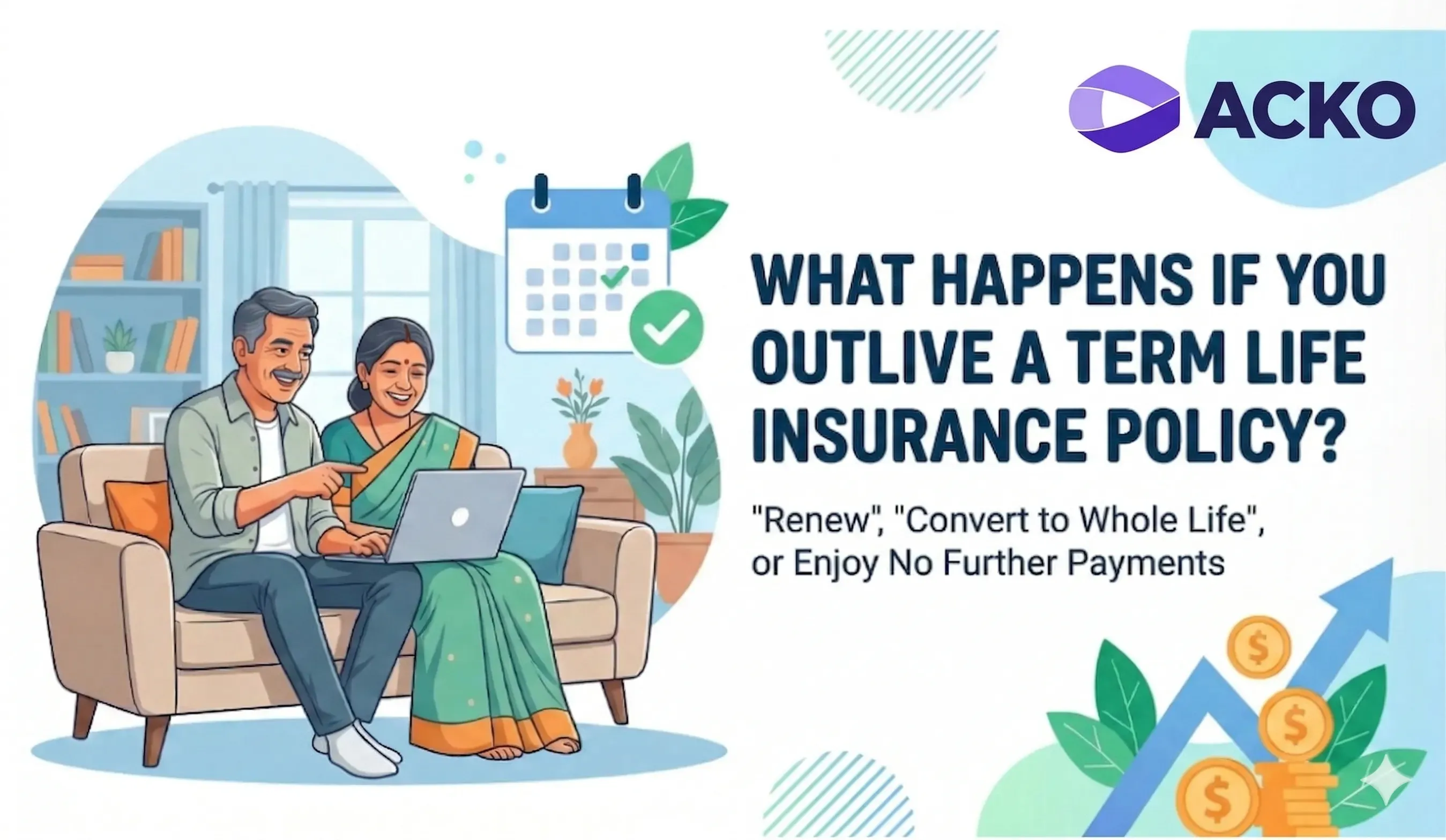
As you age, your term life insurance policy eventually reaches its expiration date. At this point, coverage ceases unless you renew the policy at a significantly higher premium, convert it to a permanent life insurance plan, or purchas...
As you age, your term life insurance policy eventually reaches its expiration date. At this point, coverage ceases unless you renew the policy at a significantly higher premium, convert it to a permanent life insurance plan, or purchase a new policy. Understanding these transition points is vital for maintaining long-term financial security.
Contents
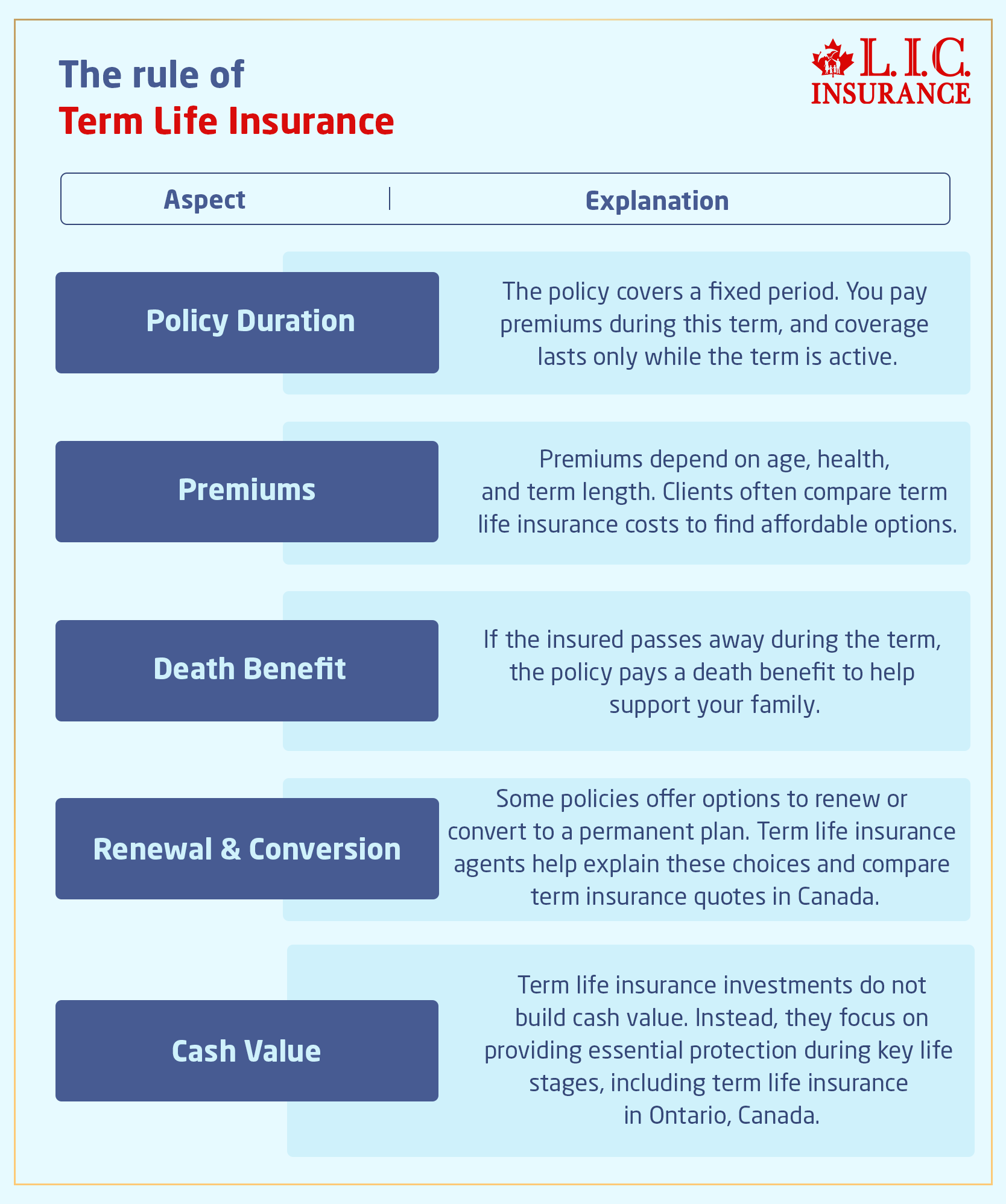
Term life insurance is designed to provide high-value coverage for a specific period—typically 10, 20, or 30 years. It is often purchased during years of high financial responsibility, such as when raising children or paying off a mortgage. However, as the "term" ends and you enter your senior years, the mechanics of these policies change dramatically. In 2026, the insurance market offers more flexibility than in previous decades, but the fundamental actuarial reality remains: the older you get, the more expensive it becomes to insure your life.
The Mechanics of Expiration: What Happens When the Term Ends
When a term life insurance policy reaches the end of its stated duration, the initial "level premium" period concludes. For most policyholders, this happens in their 60s or 70s. Once this date passes, the insurance contract essentially resets. If you take no action, the policy simply expires, and you no longer have life insurance coverage. There is no "cash value" or refund of premiums unless you specifically purchased a "Return of Premium" (ROP) rider at the start of the policy.
For many seniors, letting a policy expire is a deliberate and sound financial choice. If your children are financially independent, your mortgage is paid off, and your funeral costs are covered by savings, you may no longer need the death benefit. However, for those who still have financial obligations or wish to leave a legacy, the expiration of a term policy can create a significant "coverage gap."
The "Sticker Shock" of Annual Renewable Term (ART)
Many modern term policies include a provision that allows you to keep the coverage after the initial term expires without undergoing a new medical exam. This is known as "Annual Renewable Term" (ART). While this sounds beneficial, it comes with a massive caveat: the premiums are no longer level.
Instead of paying the affordable rate you enjoyed for 20 years, your premium will jump to a rate based on your current age. Because the insurance company is now insuring a 65- or 70-year-old rather than a 40-year-old, the cost can increase by 500% to 1,000% in a single year. Furthermore, these premiums will continue to rise every single year as you age, making ART a prohibitively expensive long-term solution for most seniors.
The Conversion Option: Turning Term into Permanent Coverage
One of the most valuable features of a term life policy is the conversion rider. Most reputable term policies issued by major carriers include a provision that allows the policyholder to convert some or all of their term coverage into a permanent policy (such as Whole Life or Universal Life) without providing evidence of insurability.
In 2026, this remains a primary strategy for seniors who have developed health issues that would make a new policy unaffordable or impossible to obtain. By exercising the conversion option, you "lock in" coverage for the rest of your life.
Timing the Conversion
Conversion windows are not indefinite. Most policies require you to convert before a specific age (often 65, 70, or 75) or before the term expires, whichever comes first. If you wait until the very last month of your 20-year term, you might find that your conversion privilege has already lapsed. It is essential to review the "Conversion" section of your policy document at least five years before the term ends to understand your deadlines.
While conversion guarantees coverage, it does not guarantee the old price. You will pay the standard rate for a permanent policy at your attained age. Permanent insurance is significantly more expensive than term insurance because it is guaranteed to pay out eventually, provided premiums are paid.
Buying a New Policy in Your Senior Years
If your health is relatively good, you might consider applying for a new, shorter term policy or a final expense policy rather than renewing or converting an old one. In 2026, the life insurance industry has streamlined this process through accelerated underwriting, which uses data analytics and medical records to approve seniors without the need for a physical exam or blood work.
Availability by Age
As you get older, the maximum "term" you can buy decreases.
- Ages 60-65: You can usually still find 20-year term policies.
- Ages 70-75: You are generally limited to 10-year or 15-year terms.
- Age 80+: Term insurance becomes very rare; most options at this stage are "Final Expense" or "Simplified Issue" whole life policies with lower death benefits (typically $5,000 to $50,000).
The Insurance Information Institute notes that while life expectancy has increased, the risk to insurers rises exponentially after age 75, which is why term options vanish for the very elderly.
Comparison of Options for Seniors
The following table outlines the typical outcomes when a term life insurance policy reaches its expiration date in 2026.
| Feature | Letting Policy Expire | Annual Renewal (ART) | Policy Conversion | Buying New Coverage |
|---|---|---|---|---|
| Cost Change | $0 (No more payments) | Extremely High Increase | Moderate to High Increase | Market Rate for Current Age |
| Medical Exam | Not Applicable | Not Required | Not Required | Usually Not Required (in 2026) |
| Coverage Duration | Ends Immediately | Year-to-Year | Permanent (Lifetime) | New Fixed Term (e.g., 10 yrs) |
| Best For... | Those with no remaining debt | Short-term bridge (1-12 mos) | Those with new health issues | Healthy seniors needing 10+ years |
| Death Benefit | Lost | Maintained | Maintained or Reduced | New Benefit Amount |
The Impact of Living Benefits in 2026
A major shift in the 2026 insurance landscape is the prevalence of Living Benefits or "Accelerated Death Benefit" riders. Many seniors holding term policies may not realize that their policy can be used before they pass away.
If you are diagnosed with a terminal, chronic, or critical illness as you get older, these riders allow you to access a portion of the death benefit while you are still alive. This money can be used for long-term care, medical bills, or modifying your home for accessibility. If your term policy is nearing expiration and you have health issues, check if these riders are active. Exercising a living benefit claim might be more advantageous than simply letting the policy lapse or trying to convert it.
Common Mistakes Seniors Make with Term Insurance
- Waiting Until the Last Minute: Many policyholders wait until they receive an expiration notice to look for alternatives. By then, the conversion window may have closed, or their health may have declined to the point where new coverage is unaffordable.
- Over-Insuring: Seniors often try to maintain the same $500,000 or $1,000,000 death benefit they had when they were 40. In reality, a "Final Expense" policy of $25,000 might be all that is actually necessary.
- Ignoring the "Free Look" Period: If you do buy a new policy to replace an old one, you typically have a 10- to 30-day "free look" period (depending on state law) to cancel the new policy for a full refund if you find the terms unfavorable.
- Assuming They Are Uninsurable: With the rise of "Guaranteed Issue" policies in 2026, almost anyone can get some form of life insurance, even with significant health histories, though these policies often have a two-year "graded death benefit" period.
Financial Planning: Do You Still Need Coverage?
The primary purpose of life insurance is to replace lost income. If you are retired, you no longer have "earned income" to replace. Your "income" now likely comes from Social Security, pensions, and RMDs (Required Minimum Distributions) from retirement accounts.
Before stressing over the expiration of a term policy, perform a "Needs Analysis":
- Debt: Is the mortgage paid off? Are there outstanding private student loans (for children) or credit card balances?
- Dependents: Is your spouse reliant on your Social Security or pension? If you pass away, will a portion of that income disappear? (e.g., the smaller of two Social Security checks).
- Final Expenses: Do you have $15,000 to $25,000 in a liquid savings account to cover funeral and burial costs?
- Estate Taxes: For very high-net-worth individuals, life insurance is often used to pay estate taxes so that heirs do not have to sell off assets.
If your debts are gone and your spouse is protected by other assets, the "happening" of your term policy expiring is actually a sign of financial success—you outlived the risk you were insuring against.
Frequently Asked Questions
Can I extend my term life insurance policy for just 5 more years?
Most companies do not allow a simple 5-year extension at the same rate. You would either have to utilize the Annual Renewable Term (ART) feature, which becomes very expensive, or apply for a new 10-year term policy. In 2026, some specialized carriers offer "laddered" extensions, but these are subject to new underwriting.
What happens if I stop paying my term insurance premiums when I'm old?
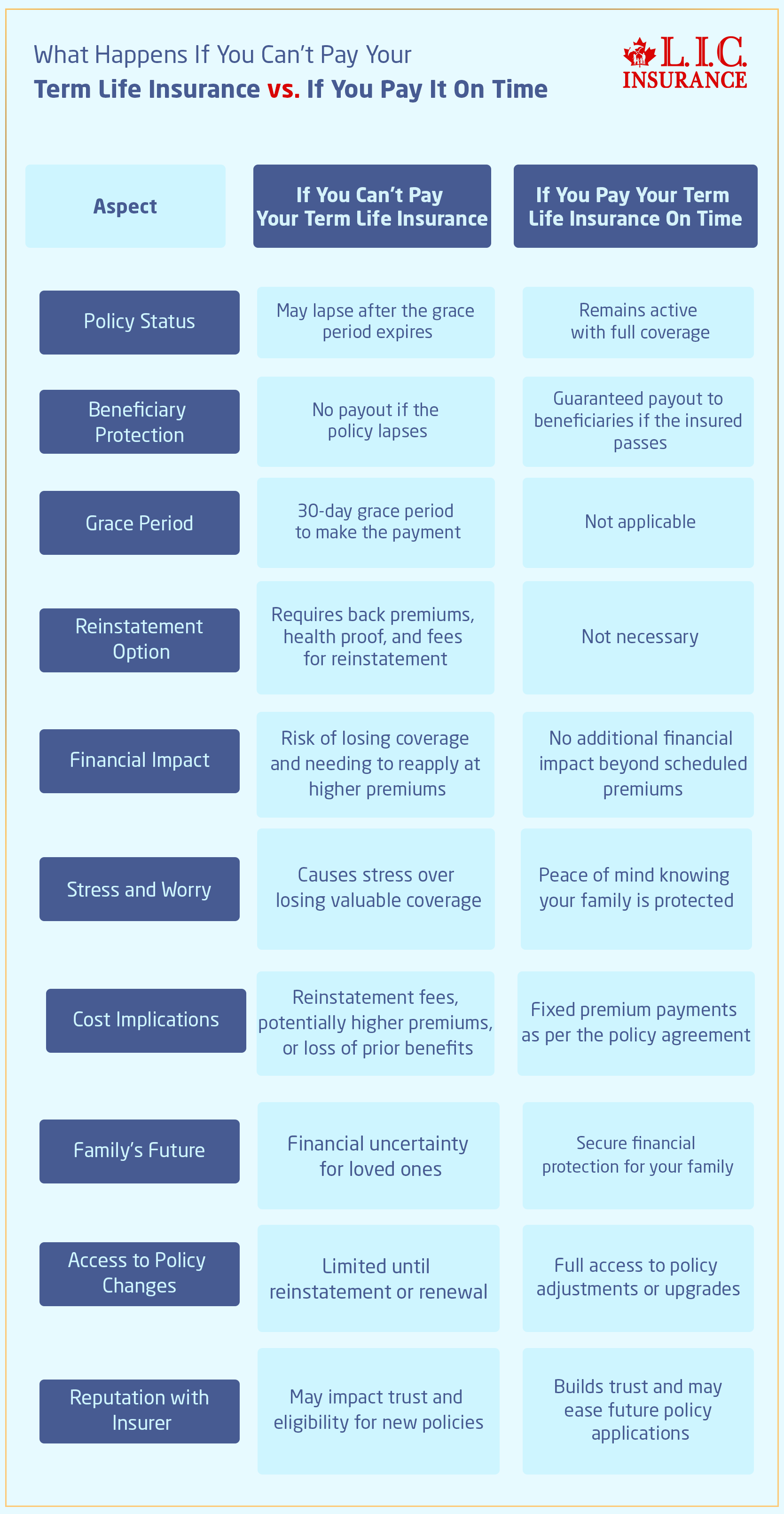
Since term insurance does not have a cash value component, the policy will enter a "grace period" (usually 31 days) and then lapse. Once it lapses, the coverage is gone, and no death benefit will be paid to your beneficiaries. Unlike whole life, there is no "automatic premium loan" to keep the policy active.
Is there any way to get my money back from a term policy?
Only if you have a Return of Premium (ROP) rider. These riders are expensive and must be added when the policy is first purchased. If you have an ROP rider and you outlive the term, the insurance company will refund the base premiums you paid over the years, though this is usually not adjusted for inflation.
My health has declined; can I still get insurance at 70?
Yes. If you have an existing term policy, check for a conversion rider, which allows you to switch to permanent insurance regardless of your health. If you are seeking a new policy, look for "Guaranteed Issue" or "Simplified Issue" policies, which do not require medical exams, though they have lower coverage limits.
Does term life insurance pay out if you die of old age?
Life insurance does not have a "cause of death" restriction based on age, provided the death occurs while the policy is active and is not a result of an excluded act (like certain types of fraud or suicide within the first two years). If you are 85 and have an active policy, it will pay out for natural causes.
Next Steps and Recommendations
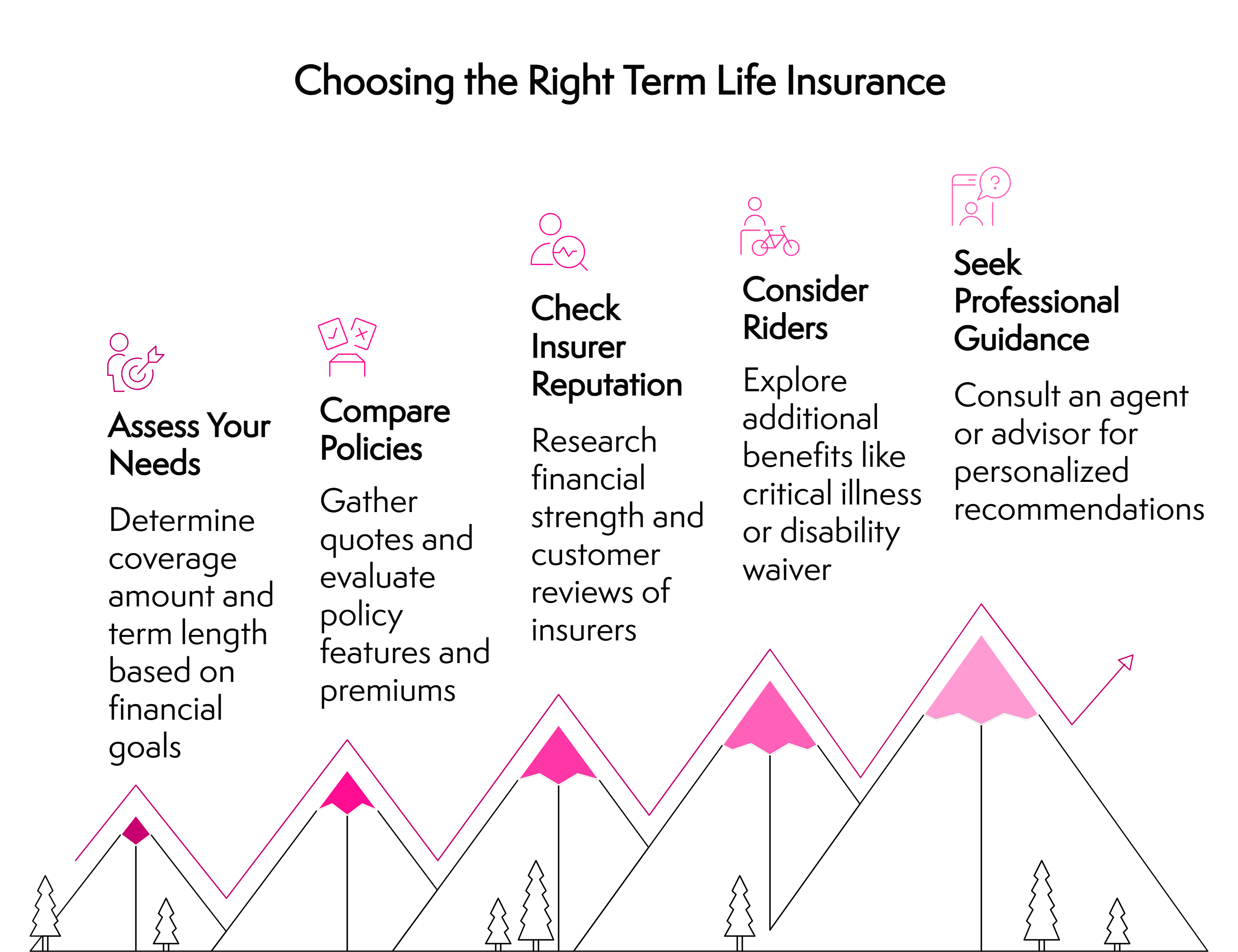
If your term life insurance policy is approaching its expiration date in 2026, your first action should be to locate your original policy contract. Look specifically for the "Conversion Privilege" and the "Schedule of Premiums" pages. These will tell you exactly when your right to convert ends and how much the annual renewal would cost.
Next, consult with an independent insurance broker who has access to multiple carriers. Because senior rates vary wildly between companies, a broker can help you determine if your current health status allows for a new, cheaper policy or if converting your existing policy is your best financial move. Finally, evaluate your current net worth; if you have become "self-insured" through savings and investments, you may find that the best thing to do when your term insurance gets old is simply to let it go.
Image Gallery