Understanding the Cancun Problems in Context: A 2026 Analysis of Sustainability and Security
The "Cancun problems" refer to a complex intersection of environmental degradation—primarily the sargassum seaweed crisis—infrastructure strain from rapid overdevelopment, and evolving security challenges in Mexico’s leading tourist hu...
The "Cancun problems" refer to a complex intersection of environmental degradation—primarily the sargassum seaweed crisis—infrastructure strain from rapid overdevelopment, and evolving security challenges in Mexico’s leading tourist hub. In 2026, these issues are understood not as isolated incidents but as systemic failures of sustainability and urban planning that require integrated regulatory and technological solutions.
Contents
The Sargassum Crisis: An Ecological and Economic Bottleneck
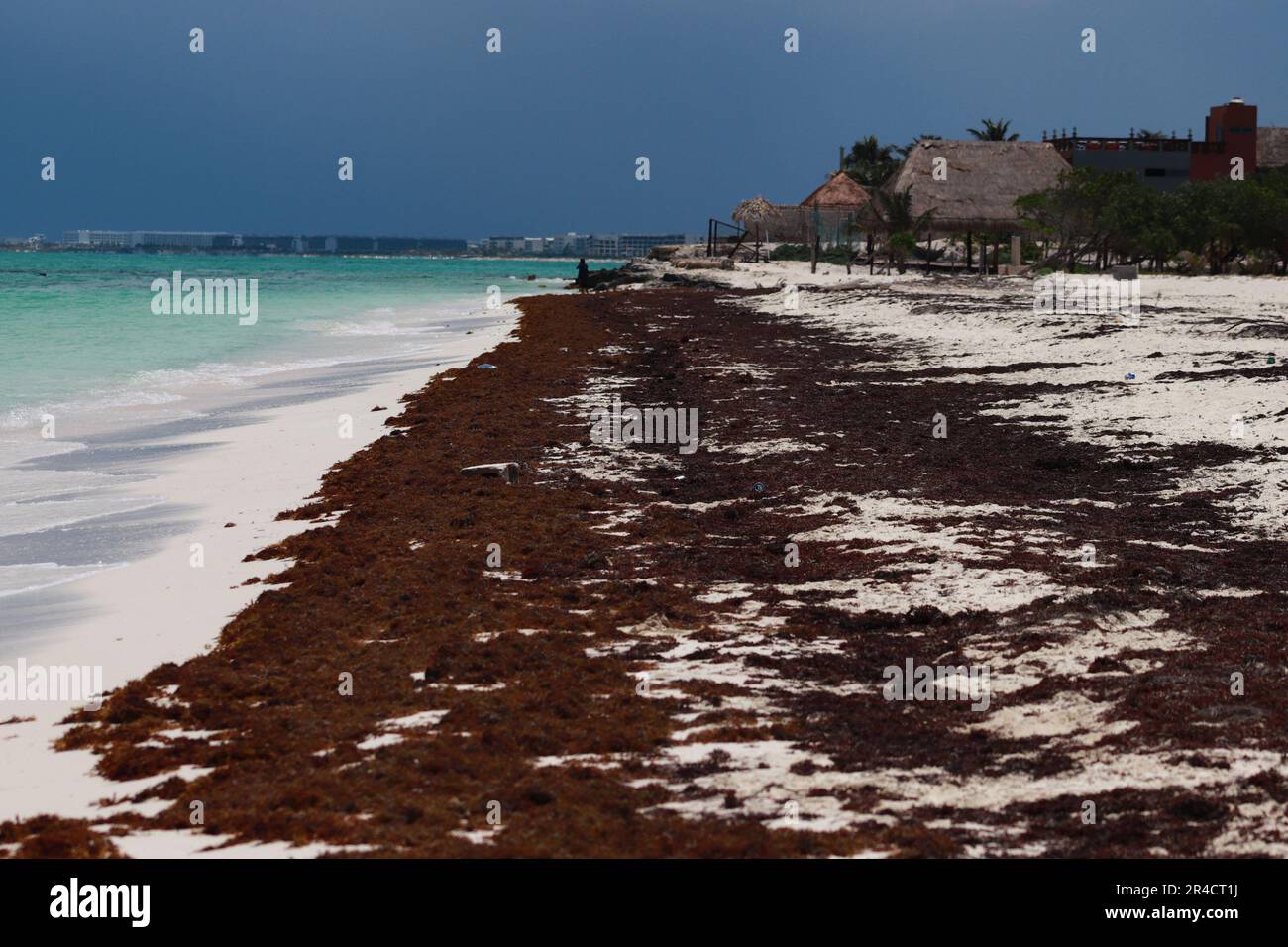
As of 2026, the influx of sargassum (brown macroalgae) remains the most visible and economically damaging environmental problem in Cancun and the wider Riviera Maya. While sargassum is a natural occurrence in the Atlantic, the "Great Atlantic Sargassum Belt" has grown exponentially over the last decade due to rising sea temperatures and nutrient runoff from the Amazon and Mississippi rivers.
In the context of 2026, the problem has transitioned from an "emergency" to a permanent "operational reality." The impact is twofold: ecological and economic. When sargassum decomposes on the shore, it releases hydrogen sulfide and ammonia, which can be toxic to local flora and fauna. More critically for the local economy, it stains the iconic turquoise waters a murky brown, directly threatening the "sun and sand" brand that fuels the region's GDP.
Mitigation Strategies and Their Costs
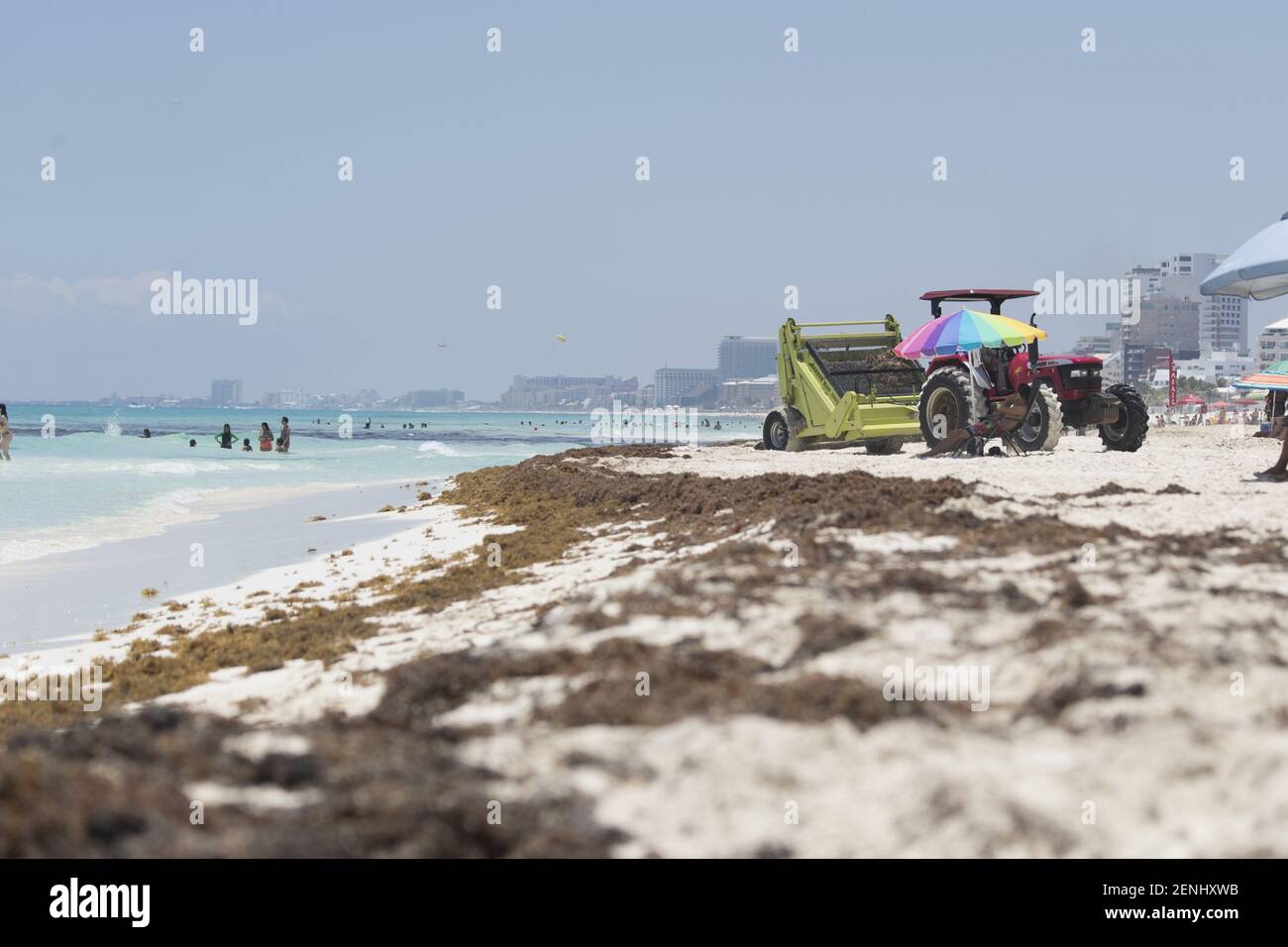
The federal and state governments have shifted from reactive beach cleaning to offshore containment. The Mexican Navy (Secretaría de Marina) currently leads the deployment of sargassum barriers and specialized "sargaceras" (collection vessels). However, these barriers are often overwhelmed during peak bloom months (April to August).
The financial burden of these operations is largely funded by the Environmental Sanitation Fee (Derecho de Saneamiento Ambiental), which is charged to tourists per night per room. In 2026, this fee has become a critical revenue stream for the municipality of Benito Juárez, yet the cost of hauling and disposing of thousands of tons of algae continues to outpace collections.
Urban Infrastructure and the "Two Cancuns" Paradox
To understand the Cancun problems in context, one must examine the stark divide between the "Hotel Zone" (Zona Hotelera) and the "Urban Zone" (the mainland city). Cancun was a planned city, but its growth far exceeded the original projections of the 1970s.
The Connectivity Crisis
By 2026, the completion of the Nichupté Bridge has provided a much-needed secondary access point to the Hotel Zone, mitigating the extreme traffic congestion that previously paralyzed the Kukulcan Boulevard. However, while the bridge solved a logistical bottleneck for tourists and workers, it raised significant environmental concerns regarding the Nichupté Lagoon's delicate mangrove ecosystems.
The Maya Train (Tren Maya) Impact
The Maya Train, fully operational for two years as of 2026, has fundamentally altered the regional context. While it has succeeded in moving large volumes of travelers from the Cancun International Airport to the southern parts of the state, it has also accelerated urban sprawl. The "Cancun Problem" in this context is the lack of "last-mile" infrastructure. The city's internal public transport system remains fragmented, relying on a fleet of aging buses and vans that struggle to serve the burgeoning population of service industry workers living in the city's outskirts.
Security and Public Safety: The Regulatory Framework
Safety remains a primary concern for international travelers and residents alike. The "Cancun problems" in 2026 regarding security are characterized by a move toward militarized policing and high-tech surveillance.
The Role of the National Guard
The presence of the Tourist Security Battalion of the National Guard has become a permanent fixture on Cancun’s beaches. This "militarized peace" is designed to deter organized crime activities that occasionally spill over into tourist areas. While high-profile incidents have decreased compared to the early 2020s, the "context" of security in Cancun is one of containment rather than total eradication.
Technological Surveillance (C5 System)
The State of Quintana Roo has invested heavily in the C5 (Command, Control, Communication, Computing, and Intelligence) Complex. This system integrates thousands of cameras with facial recognition and license plate readers across Cancun. For business owners, compliance with security regulations now often includes mandatory integration of their private security cameras into the C5 network, a move that has sparked debates over privacy vs. collective security.
Environmental Degradation and Water Management
Beyond the visible sargassum, the "hidden" Cancun problem is the health of the Great Mayan Aquifer and the Mesoamerican Barrier Reef. Cancun sits on a limestone shelf, making the groundwater highly susceptible to contamination.
| Problem Area | Current Status (2026) | Primary Cause | Impact Level |
|---|---|---|---|
| Sargassum | Persistent / High Volume | Climate change & nutrient runoff | Critical |
| Water Quality | Declining in mainland areas | Inadequate sewage treatment | Moderate/High |
| Coral Reefs | Significant bleaching | Rising sea temps & water pollution | Critical |
| Urban Sprawl | Rapid expansion | Population growth & Maya Train | High |
| Power Grid | Frequent brownouts | Overloaded infrastructure | Moderate |
In 2026, the sewage treatment infrastructure in the mainland city has not kept pace with the construction of new residential developments. The resulting nitrogen enrichment of the underground rivers eventually flows into the Caribbean Sea, contributing to "white syndrome" and other diseases that are decimating the coral reefs. This creates a feedback loop: as the reefs die, they no longer provide a natural buffer against storm surges, making the beaches more vulnerable to erosion.
The Socio-Economic Context: Labor and Cost of Living
The human element of the Cancun problems involves a labor shortage and a rising cost of living. As the city has become more expensive, many workers are being pushed further away from the Hotel Zone, leading to "commute poverty" where employees spend 3 to 4 hours a day in transit.
In 2026, the hospitality industry faces a 15-20% labor deficit. The context here is a shift in the workforce; younger generations are moving toward digital services or relocating to newer hubs like Tulum and Bacalar, where the Maya Train has created fresh economic opportunities. This has forced major hotel chains to increase wages and provide transportation stipends, costs that are eventually passed on to the consumer.
Frequently Asked Questions
Is it safe to visit Cancun in 2026?
Yes, but travelers are advised to stay within established tourist zones and use official transportation. The "context" of security in 2026 involves a heavy National Guard presence and extensive surveillance. Most crime is targeted within the local underworld and rarely affects tourists, though "petty crime" remains a risk in crowded areas.
How bad is the sargassum in Cancun right now?
The sargassum season typically runs from April to August. As of 2026, most luxury resorts have implemented high-end barrier systems and daily manual cleaning. While some days may see significant accumulations, the "Sargassum Monitoring" apps provide real-time updates on which beaches are clear.
What is the Environmental Sanitation Fee for?
The fee, which is roughly $4–$5 USD per night as of 2026, is legally mandated for the maintenance of beaches, public parks, and the disposal of sargassum. It is a vital tool for the municipality to fund the heavy machinery required to keep the coastline viable for tourism.
Has the Maya Train improved travel in Cancun?
The Maya Train has greatly improved inter-city travel (e.g., Cancun to Playa del Carmen or Merida), but it has not solved the internal traffic issues within Cancun city itself. The train is best used for regional excursions rather than daily commuting within the hotel zone.
What are the main environmental regulations for businesses in 2026?
Businesses in Cancun must comply with strict "Single-Use Plastic" bans and the "Zero Waste" initiative. Additionally, developers are now required to submit more rigorous Environmental Impact Statements (MIA) that specifically address groundwater protection and mangrove preservation.
Strategic Recommendations for Stakeholders
Addressing the Cancun problems in context requires a transition from "growth at all costs" to "regenerative tourism."
- For Travelers: Prioritize "Sargassum-aware" booking. Choose hotels that actively contribute to reef restoration programs and possess clear certifications for wastewater management.
- For Investors: Focus on the mainland. The Hotel Zone is reaching its physical and ecological limits. Sustainable, high-density residential projects near Maya Train stations represent the next phase of viable growth.
- For Local Government: The priority must be the "Hidden Infrastructure." Upgrading the mainland's sewage and electrical grids is essential to prevent a total collapse of the environmental services that the Hotel Zone relies upon.
The future of Cancun depends on its ability to balance its massive economic output with the protection of the very natural resources that made it a global destination in the first place.
Image Gallery